Why is AMAZE Amsterdam a must-visit attraction?

AMAZE Amsterdam offers one of the most immersive audiovisual experiences in the city, designed to stimulate your senses through sound, light, movement, and storytelling. Created by the creative minds behind some of the world’s largest music festivals, AMAZE brings together cutting-edge technology and artistic expression in a way that feels both playful and deeply emotional.

Unlike traditional museums or exhibitions, AMAZE invites you to move freely through a series of themed rooms, each designed to evoke a different mood. You experience pulsing beats, synchronised visuals, interactive elements, and spatial soundscapes that react to your presence.

Located in Amsterdam’s creative Westhaven area, AMAZE reflects the city’s reputation for innovation and artistic freedom. If you want an experience that goes beyond looking and listening, and instead allows you to feel and interact, AMAZE Amsterdam deserves a place on your travel list.

What to see at AMAZE Amsterdam?

Immersive light rooms
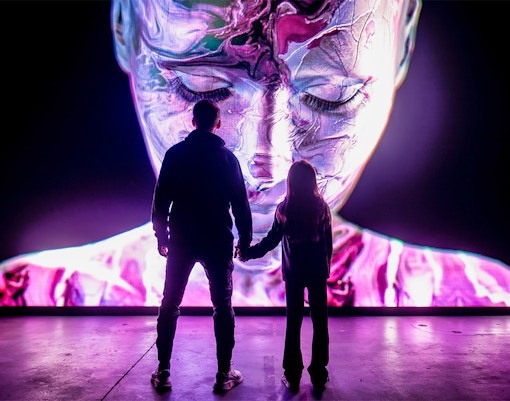
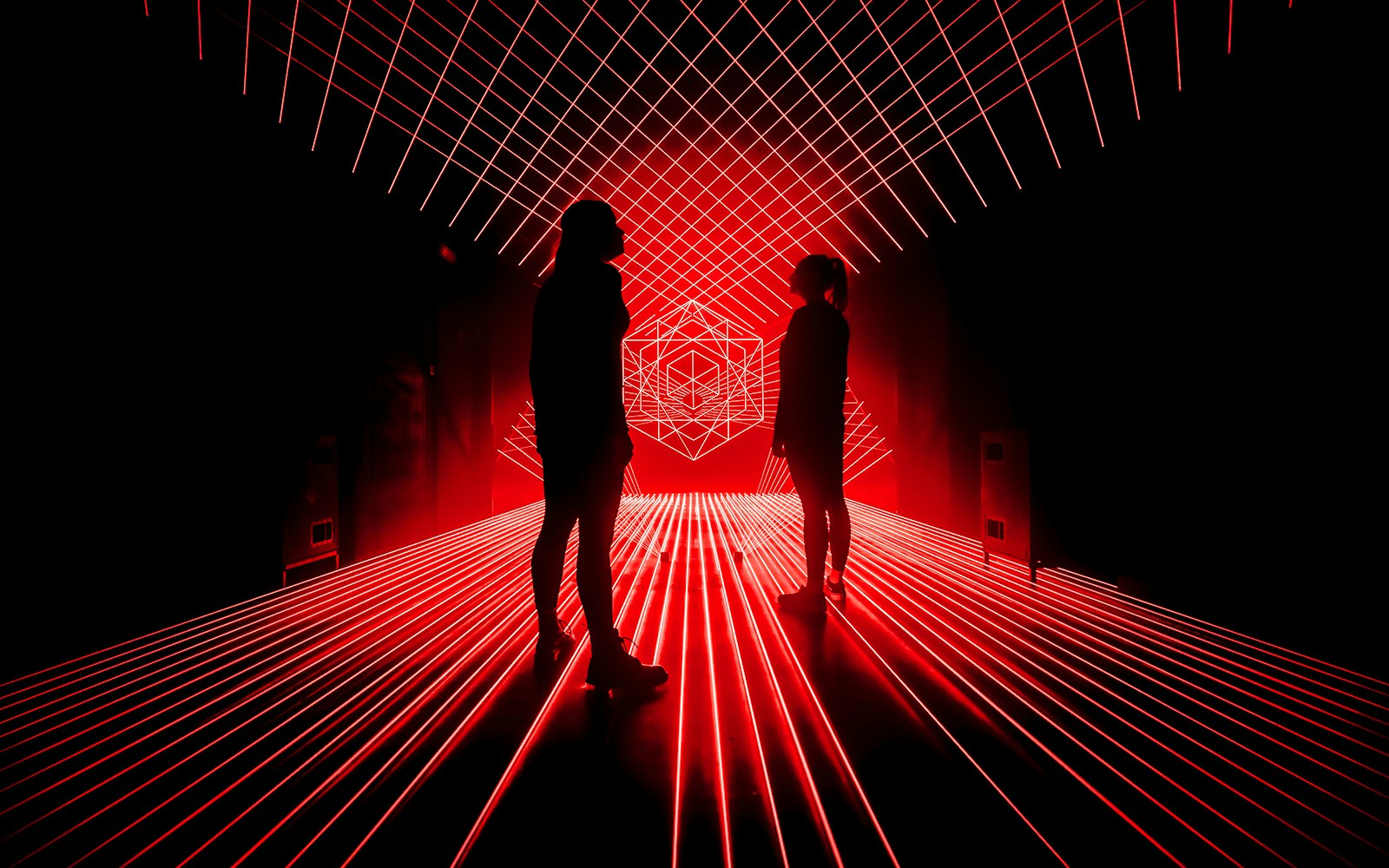
These rooms combine dynamic LED installations with synchronised soundscapes. Lights move, pulse, and change colour in response to music, creating an ever-evolving visual environment.

Interactive sound zones

In these spaces, sound takes centre stage. Directional audio and surround systems allow you to experience music spatially as you walk through the room.

Mirror and reflection installations
These sections use mirrors and reflective surfaces to create the illusion of infinite space, enhancing the immersive feeling and offering striking photo opportunities.

Story-driven experience rooms

Each themed room contributes to a broader emotional journey, guiding visitors through moments of calm, intensity, and reflection using audiovisual storytelling.

Highlights of AMAZE Amsterdam

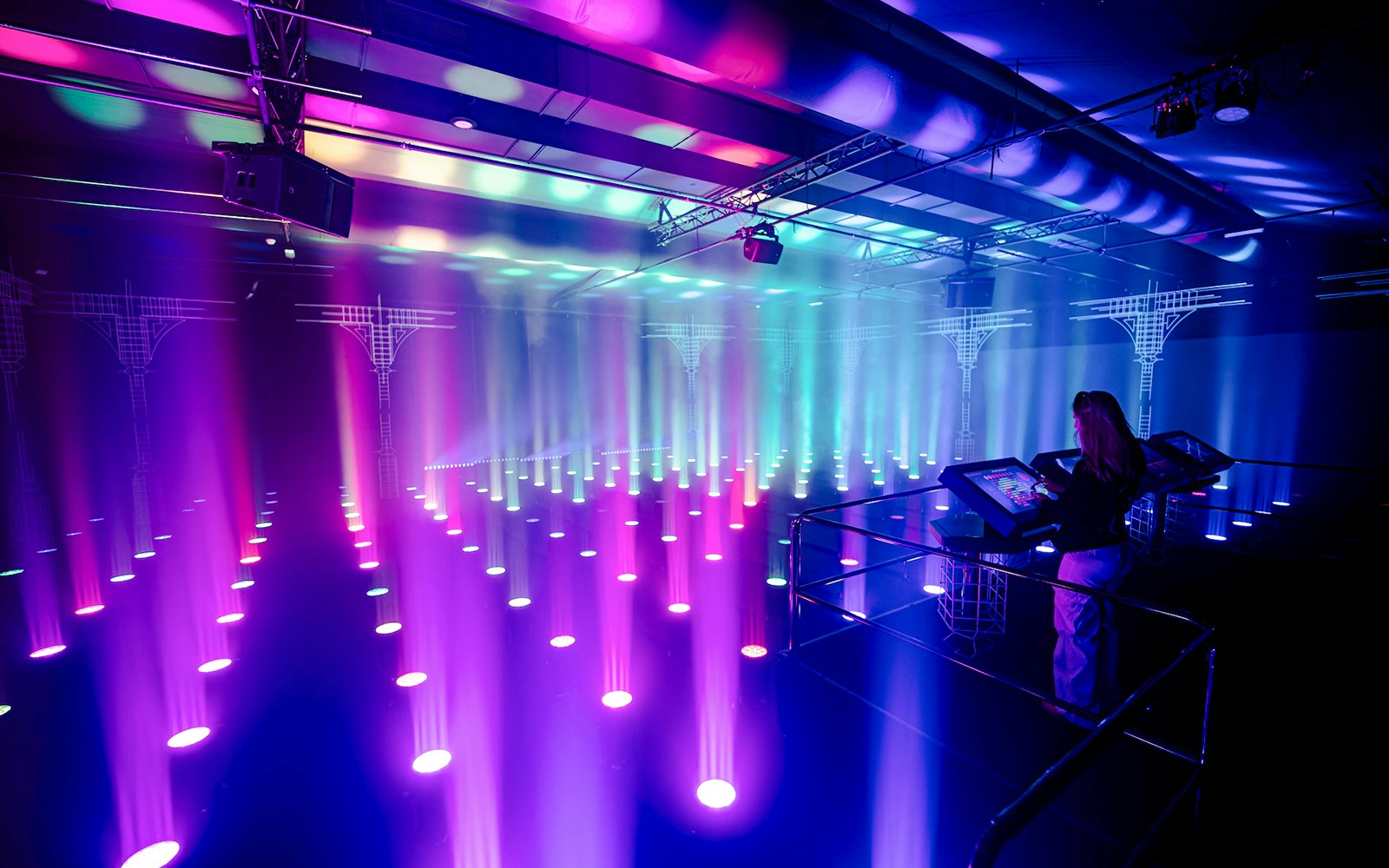
Interactive light installation at Amaze Amsterdam with visitor using control panel.
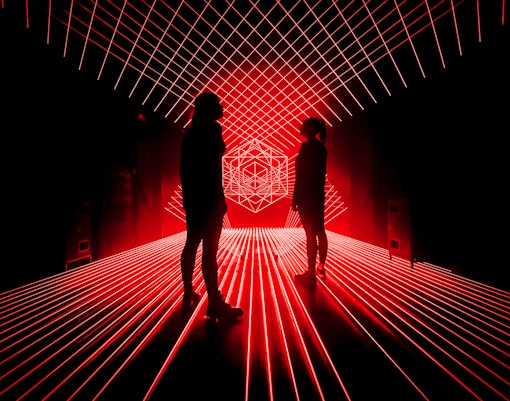
Tourists surrounded by red laser lights at Amaze Amsterdam.
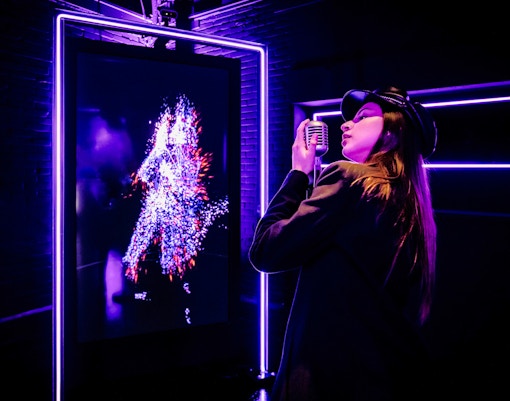
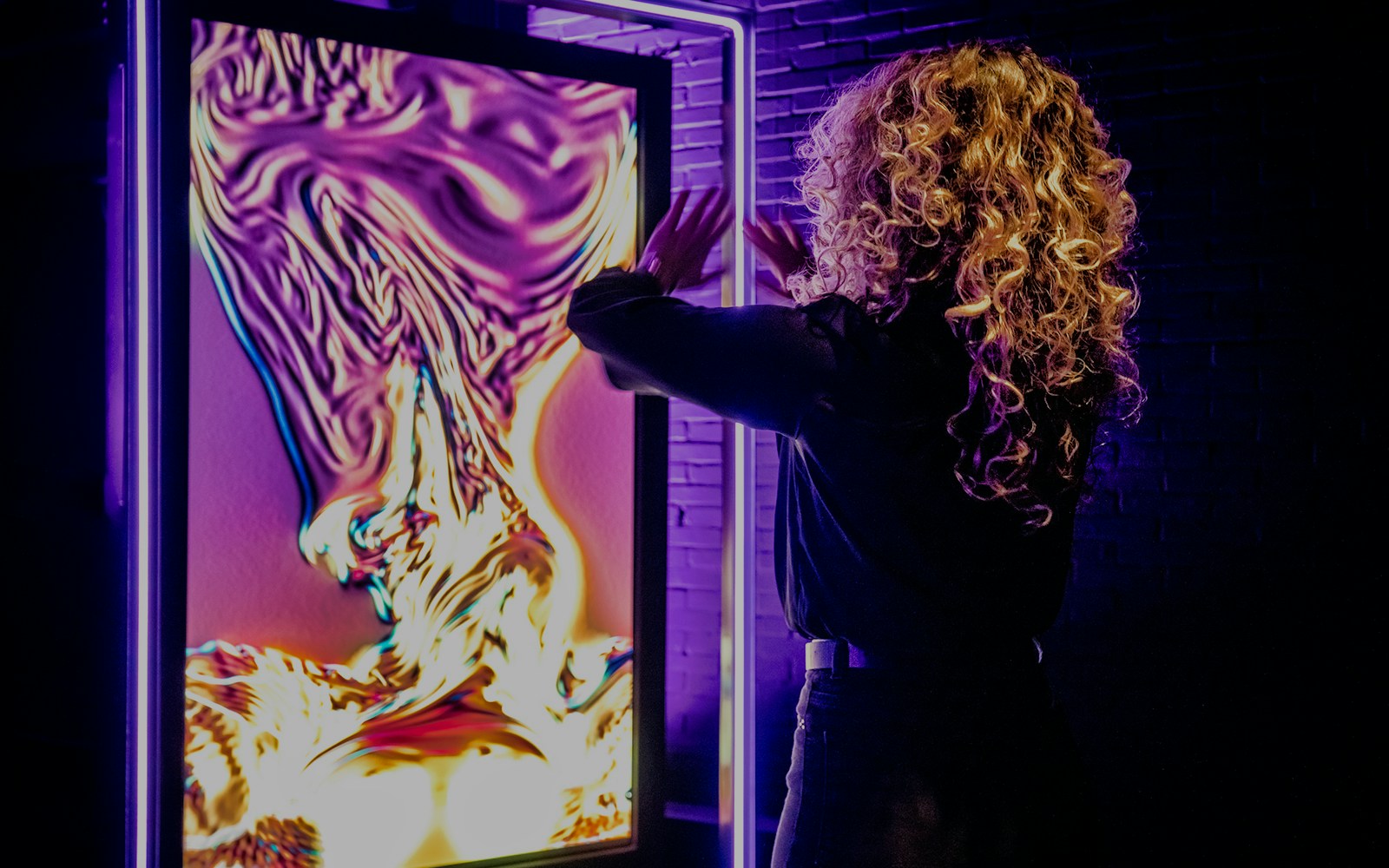
Person interacting with vibrant digital art at AMAZE Amsterdam Immersive Experience.

Brief history of AMAZE Amsterdam

AMAZE Amsterdam opened as an immersive audiovisual experience developed by ID&T, the globally recognised Dutch entertainment company known for festivals such as Tomorrowland and Sensation. The creators designed AMAZE as a permanent space where the emotional power of festival-level production could exist year-round in an indoor setting.

The attraction took shape in a former industrial warehouse in Amsterdam Westhaven, a district known for its creative redevelopment. Since its opening, AMAZE has positioned itself as a pioneer in immersive entertainment in the Netherlands, blending music culture, digital art, and interactive design.

Over the years, AMAZE has refined its experience with updated technology and storytelling elements, ensuring it remains relevant and engaging for modern audiences. By 2026, it stands as one of Amsterdam’s most distinctive experiential attractions.

Who built AMAZE Amsterdam?

ID&T, a leading Dutch entertainment and event production company, created AMAZE Amsterdam. The company applied its decades of experience in large-scale music events to design a permanent immersive attraction focused on sound, light, and emotional storytelling.

Architecture of AMAZE Amsterdam

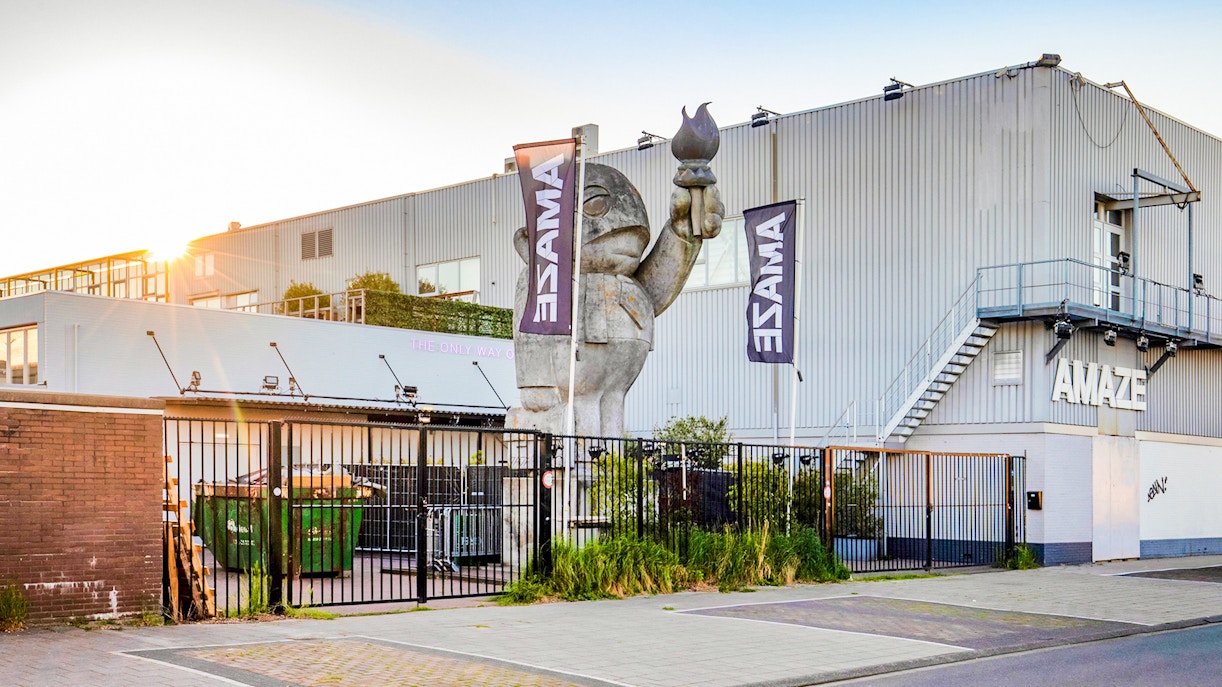
Amaze Amsterdam entrance with large sculpture and flags.

AMAZE Amsterdam occupies a repurposed industrial warehouse, reflecting Amsterdam’s tradition of adaptive reuse. The exterior retains its utilitarian character, while the interior transforms into a series of carefully engineered experiential spaces.

The architects and designers focused on functionality and immersion rather than decorative elements. High ceilings allow for large-scale light installations, while sound-absorbing materials ensure precise audio control. Modular room layouts make it possible to create distinct atmospheres within a single structure.

Frequently asked questions about AMAZE Amsterdam

AMAZE Amsterdam focuses on participation rather than observation. Instead of displays or exhibits, visitors move through interactive spaces designed to stimulate emotions through light, sound, and movement.

More Reads

Plan Your Visit

Timings

Getting There