- Official name: Anne Frank House
- Address: Prinsengracht 263-267, 1016 GV Amsterdam, Netherlands
- Date of opening: 3 May 1960
- Timings: 9am to 10pm daily
- Architect: Dirk van Delft
- Architectural style: Dutch canal house, 17th century
- Number of visitors per year: Around 1.3 million
- Function: Historical museum and memorial
What is the Anne Frank House?
The Anne Frank House is a moving museum in Amsterdam that preserves the hiding place of Anne Frank and her family during World War II. You can walk through the Secret Annex, see Anne’s original diary, and explore exhibits about her life, the Holocaust, and human rights. The museum offers a deeply personal look at history, making it both educational and reflective.
Quick facts about Anne Frank House
Plan your visit to Anne Frank House
- Opening hours: Opens daily from 9am to 10pm for most of the year, including December 2025 up to December 24.
- Exceptions: 9am to 5pm on December 25 and December 31 and 12pm to 10pm on January 1.
- Closed on: Only on Yom Kippur and occasional holidays; check the official site for updates.
Address: Prinsengracht 263-267, 1016 GV Amsterdam, Netherlands
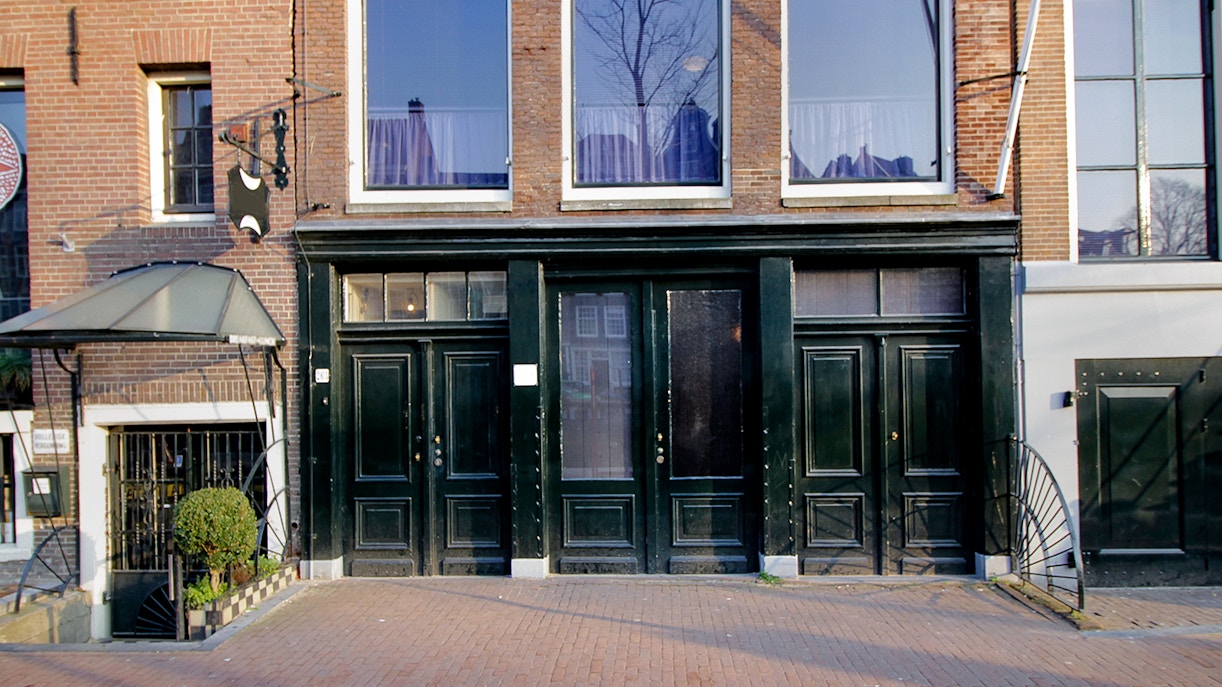
The museum sits along Amsterdam’s Prinsengracht canal in the Jordaan neighborhood. It’s close to Westerkerk and a short walk from central tram stops, making it easy to reach from anywhere in the city.
Closest attraction: Embassy of the Free Mind (350m)
Sites you cover on a Anne Frank walking tour
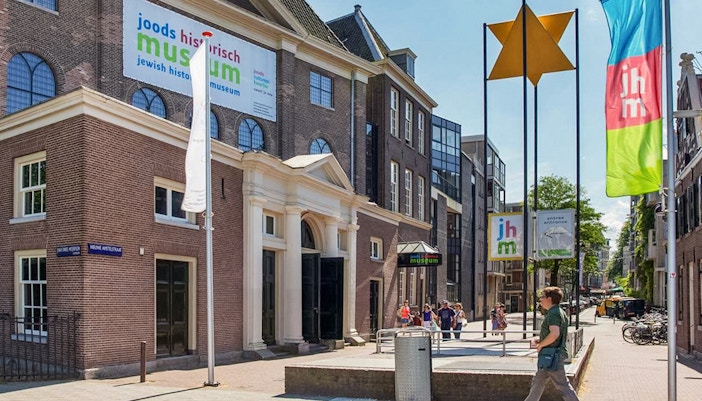
Jewish Historical Museum
This museum shows the history and culture of Jewish life in the Netherlands. You can see artifacts, art, and personal stories that highlight traditions, struggles, and the impact of World War II on the community.
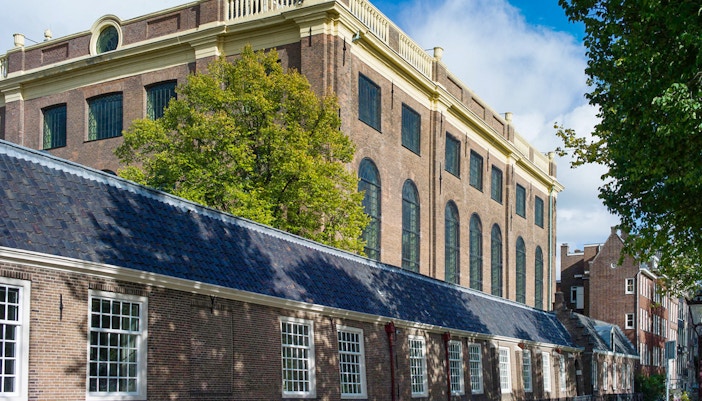
Portuguese Synagogue
The Portuguese Synagogue is a beautiful historic building dating back to the 1600s. Its grand interior, high ceilings, and old Torah scrolls reflect centuries of Jewish faith and community life in Amsterdam.
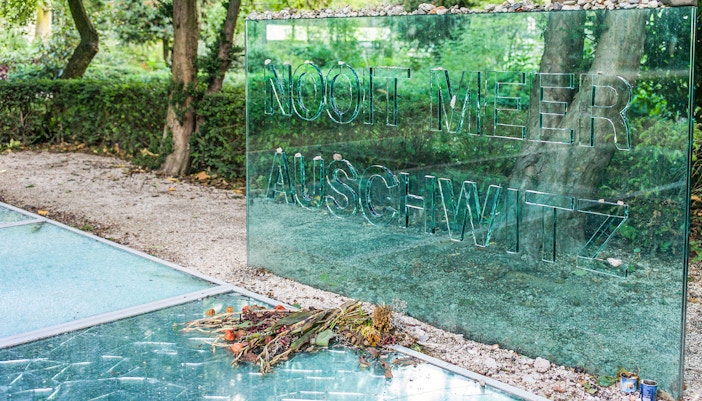
Auschwitz Monument
The Auschwitz Monument honors the victims of the Holocaust. The moving memorial invites quiet reflection and helps visitors understand the scale of loss, suffering, and the importance of remembering history.
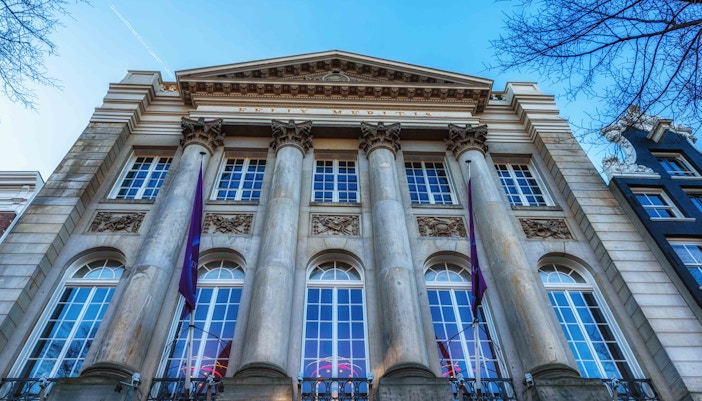
Hollandsche Schouwburg
Once a theater, this site became a deportation center during World War II. The memorial inside remembers the Jewish families who were taken from Amsterdam, offering a solemn and powerful connection to the past.
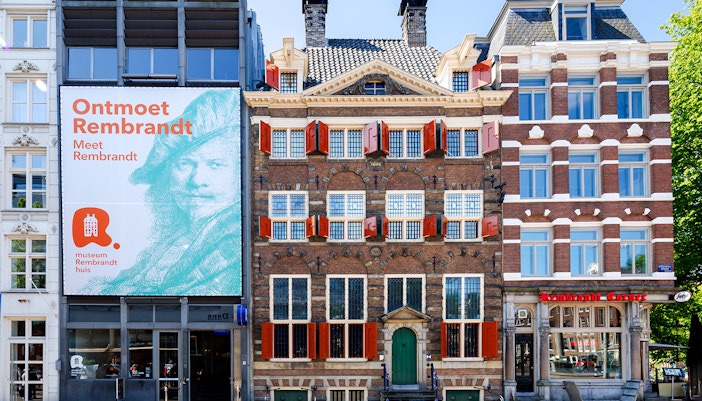
Rembrandt House Museum
This house was where Rembrandt lived and worked. Visitors can see his paintings, etchings, and the rooms he used, offering insight into his life, his art, and Amsterdam during the 17th century.

Jewish Market Area
The Jewish market area shows streets and shops where Jewish life thrived before the war. Walking here gives a sense of everyday life, culture, and community in historic Amsterdam.
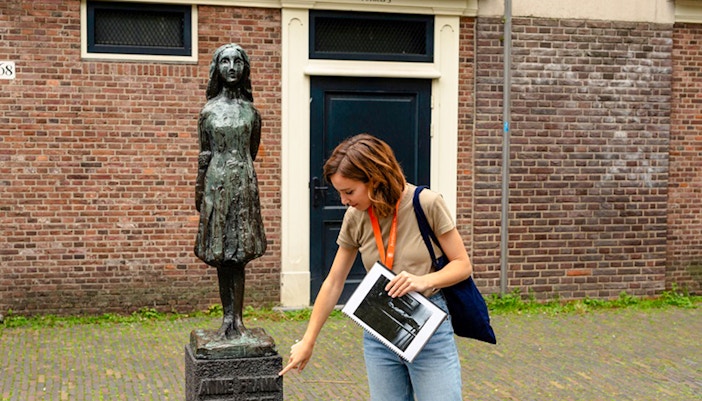
Anne Frank Statue near the house
The statue of Anne Frank stands close to her former hiding place. It captures her thoughtful expression and serves as a reminder of her courage, her story, and the importance of remembering her life.
History of the Anne Frank House
The building that houses the museum was a typical 17th-century canal house in Amsterdam. In 1942, Anne Frank, her family, and others went into hiding here to escape Nazi persecution. They remained hidden for two years before being discovered in 1944. Anne’s diary, written during this time, became one of the world’s most famous firsthand accounts of the Holocaust. In 1960, the Anne Frank House opened as a museum, preserving the Secret Annex and sharing Anne’s story with millions.
Who built the Anne Frank House?
The canal house at Prinsengracht 263, which contains the Anne Frank House and the Secret Annex, was originally built in 1635 by Dirk van Delft. It was designed as a typical Amsterdam canal house of the period. While the structure has seen renovations and expansions over the centuries, notably a rear annex addition in 1740, Dirk van Delft is credited with its initial construction.
Architecture of the Anne Frank House
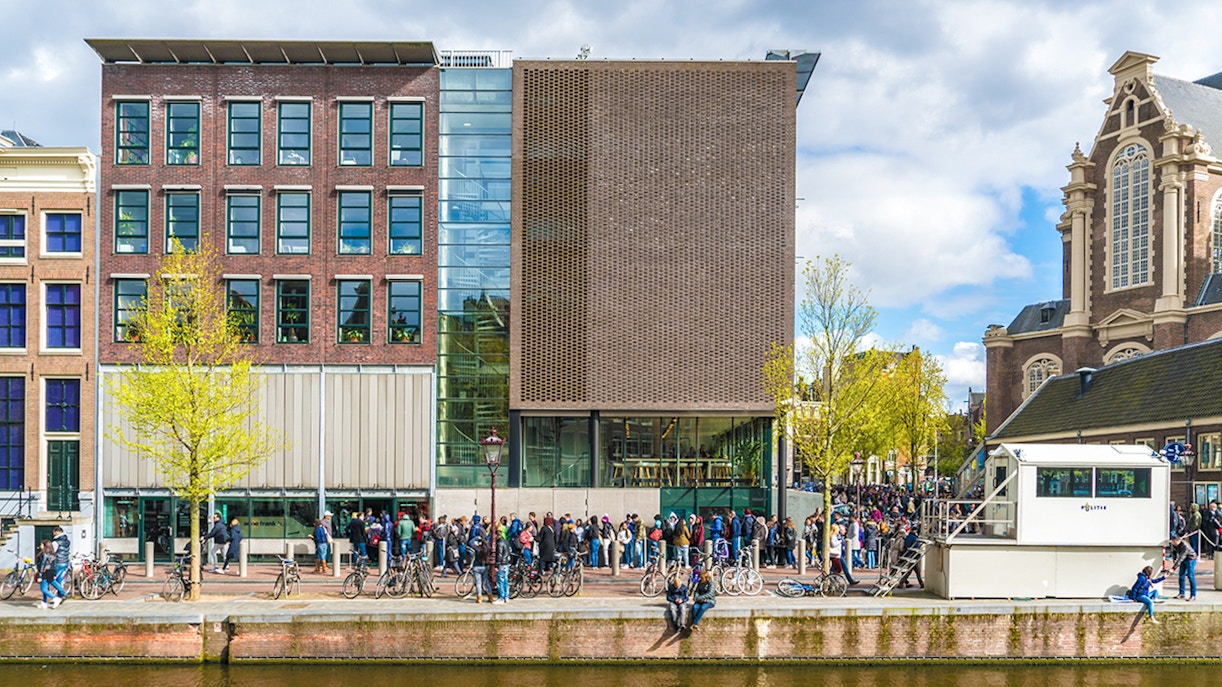
The Anne Frank House was originally built in the early 1600s by Dirk van Delft as a typical Dutch canal house. Its tall, narrow façade, large windows, and classic design reflect the style of Amsterdam at that time. Inside, the hidden annex was cleverly created behind a movable bookcase, showing the care and ingenuity needed to stay hidden. Original wooden beams and floors are still in place, giving a real sense of life in the 17th century. Today, the building is carefully preserved as a museum, honoring Anne Frank’s story and drawing visitors from around the world.
Virtual tour of the Anne Frank House
- Virtual reality: Use the ‘Anne Frank House VR’ app to explore the hiding place of Anne Frank and her family. Unlike in reality, in the VR app, all of the rooms in the secret annex are furnished according to how they were when occupied by the group in hiding between 1942 and 1944.
- 360-degree view: In 2004, housing corporation Ymere, in collaboration with the Anne Frank House, restored the previous family house at Merwedeplein 37-II, where the Frank family lived before they went into hiding, to its original 1930s style. After careful research, furniture was selected that could have been used by the Frank family. The house now acts as a writer’s house for refugee writers.
- 3D version: For those unable to visit the museum, the Anne Frank House has created the Secret Annex online, a 3D version of the hiding place. Available for viewing on the official website, you can view all the rooms in the Secret Annex and read interesting tidbits about life in hiding.
Frequently asked questions about the Anne Frank House
It is famous for Anne Frank’s diary and the preserved hiding place that tells a deeply personal story of the Holocaust.
You can see the Secret Annex, view Anne’s original diary, explore historical exhibits, and learn about human rights.
Tickets can be booked online in advance for a timed entry, which is highly recommended due to high demand.
Yes, children can visit, though some exhibits are emotionally heavy. Educational programs are designed to engage younger audiences respectfully.
A typical visit lasts about one to two hours, depending on interest in the exhibits and multimedia presentations.
Photography inside the Secret Annex is not allowed to preserve the historical integrity and maintain a respectful atmosphere.
Early mornings or late afternoons are quieter and allow for a more reflective visit with fewer crowds.
Yes, guided tours are available and provide deeper insights into Anne Frank’s life, the Holocaust, and the museum’s exhibits.
The museum has lifts and ramps for visitors with mobility issues, although the hidden annex may require some steps.


