The Secret Annex was hidden behind surrounding houses, spanning 450 square feet across multiple floors. Its entrance lay behind a rotating bookcase, giving eight people over two years of secrecy and quiet tension while hiding from Nazi detection.
Interesting facts about the Anne Frank House in Amsterdam
The Anne Frank House is where Anne Frank and her family spent over two years in hiding during World War II. Her diary brings these quiet, tense days to life and has become one of the most famous stories of the Holocaust. From hidden rooms to secret passageways, the house holds countless fascinating stories. Keep reading to uncover surprising facts about Anne Frank’s home and the Secret Annex.
Top 9 lesser-known facts about the Anne Frank House
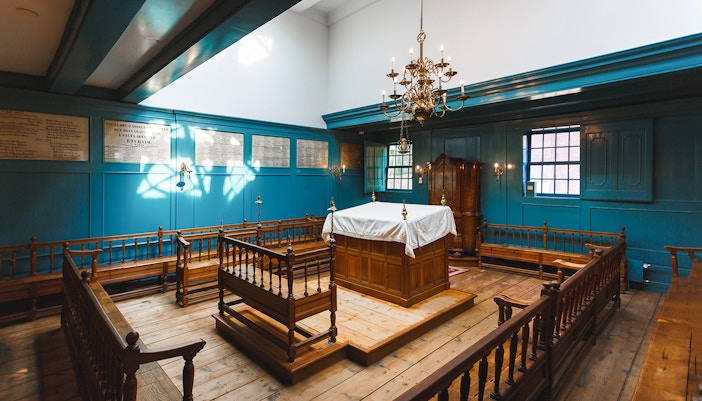
Secret Annex concealed in quadrangle
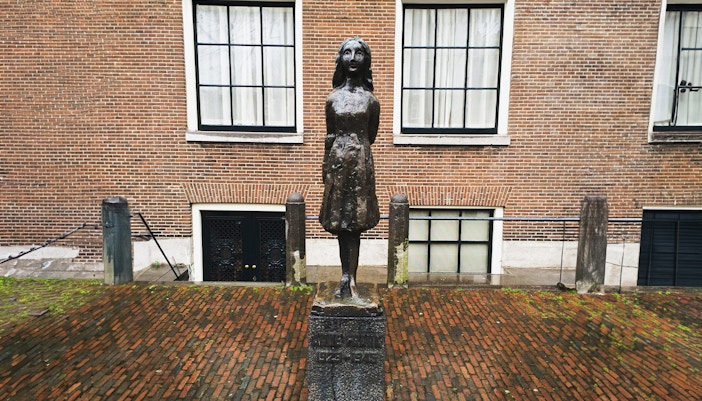
Otto Frank’s sole survival
Otto Frank returned from Auschwitz to find the Annex ruined and looted. He revived his business and later focused on preserving the building, ensuring his family’s story became a lasting memorial for generations.
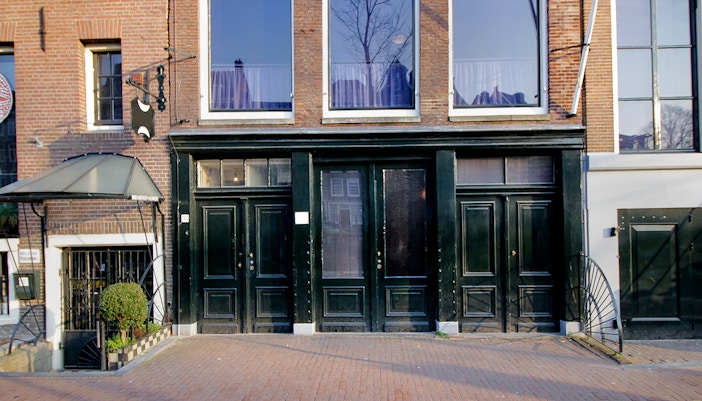
Miep Gies rescued the diary
Miep Gies smuggled food for 25 months and safeguarded Anne’s scattered diary pages after the Gestapo raid, refusing to read them, preserving her voice until Otto returned and published her work in 1947.

Anne shared small room with Fritz
Anne’s small bedroom became shared space with dentist Fritz Pfeffer. She decorated walls with Hollywood stars, reflecting teenage life, morale, and the strains of living quietly in tight quarters during hiding.
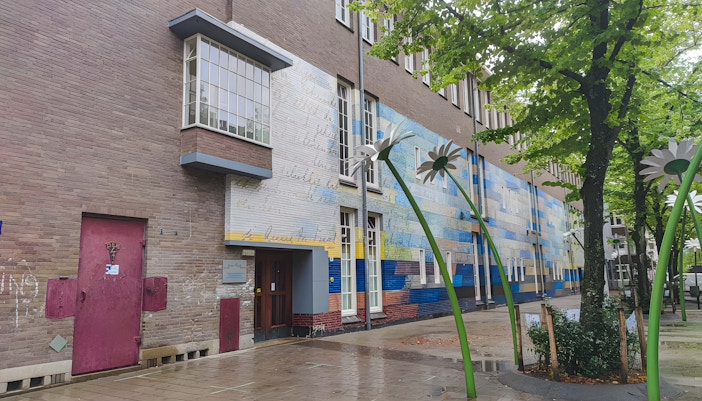
Annex offered relative comfort
Unlike many Dutch hideouts, the Annex provided regular food, news, and stability. Anne described it as one of Holland’s best refuges, allowing her to write, grow, and hope despite cramped conditions.
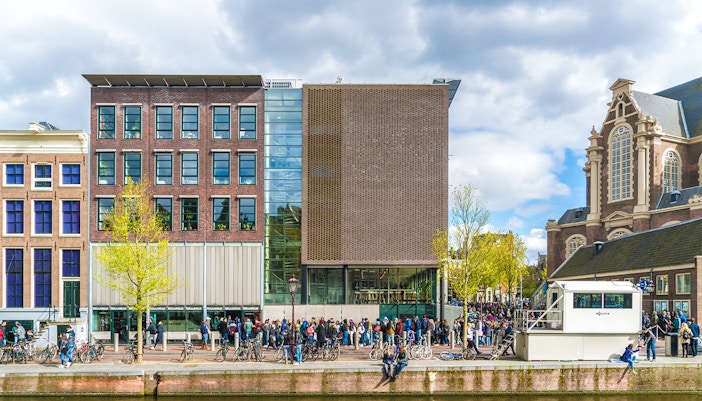
Multi-building complex layout
Prinsengracht 263 included the front house, adjacent offices, and rear Annex. Connecting staircases and hidden corridors completely isolated the residents, while front warehouses held spices and offices, blending everyday business with secret life upstairs.
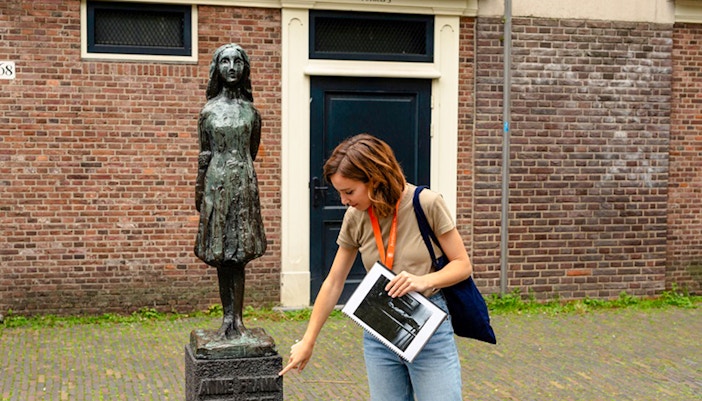
Foundation preserved against demolition
After the war, Otto Frank co-founded the Anne Frank Foundation to block demolition. Public donations restored the house and ensured it became a museum teaching tolerance, historical accuracy, and the story of those hidden inside.
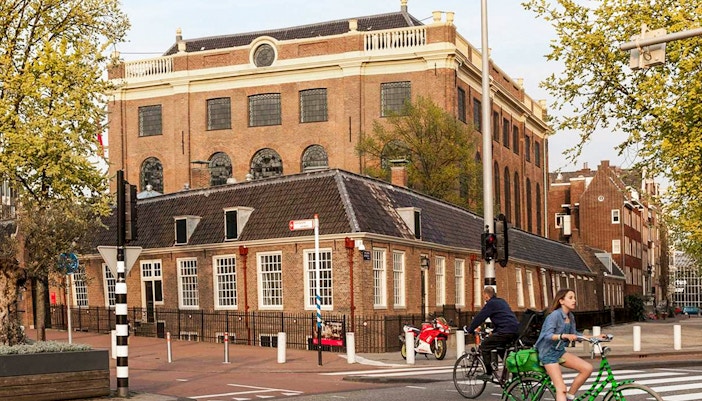
Helpers’ daily risks and care
For the entire 761 days the Frank family hid in the Secret Annex, Miep Gies, Bep Voskuijl, Victor Kugler, and Johannes Kleiman secretly smuggled food, supplies, and news, keeping the residents alive despite constant danger.

Manhattan replica exhibition 2025
A 2025 New York exhibition recreated the Annex with over 100 artifacts, including games and peeling wallpaper. Visitors experienced blackout windows and attic solitude, bringing Anne’s hidden life to audiences far beyond Amsterdam.
Frequently asked questions about Anne Frank House facts
The Secret Annex spans around 450 square feet across multiple floors, housing eight people for over two years.
Helpers installed the rotating bookcase to conceal the staircase, allowing the family to move in and out safely.
Ground floors became workshops, upper floors offices and storage, blending daily work with secret preparations for hiding the family.
Helpers smuggled food, newspapers, and necessities from Otto’s office, taking risks daily to keep residents fed and informed.
Yes, the museum keeps furniture, personal items, and even small details like games and wallpaper to recreate authenticity.
Some had small private spaces, like Anne and Fritz Pfeffer, while others shared rooms, reflecting cramped but functional living.
Renovations and multimedia guides help recreate the tense atmosphere while controlling over 1.3 million annual visitors safely.
The structure remained mostly intact despite looting and neglect, allowing authentic preservation and later transformation into a museum.
The museum displays diaries, letters, photographs, furniture, and even small personal objects to bring history alive.


