- Family roots: Anne grew up in Frankfurt within a warm, close family that encouraged reading, curiosity, and simple everyday joys.
- Amsterdam move: Her family moved to Amsterdam hoping for safety, and Anne soon built a school life filled with friends and routine.
- Bright personality: She was lively, curious, and loved writing small stories that showed how she noticed tiny details around her.
- Growing tension: Even in Amsterdam, she sensed rising worry at home as news of Nazi restrictions slowly reached their family.
Anne Frank | Life, diary, arrest & more
Anne Frank was a young Jewish girl who wrote about her hidden life during the war, capturing everyday worries and small moments of hope. Her diary still helps people understand this time in a very human way. Keep reading to find out about her childhood story, her Annex years, her writing, and the impact she left behind.
Anne Frank’s life story
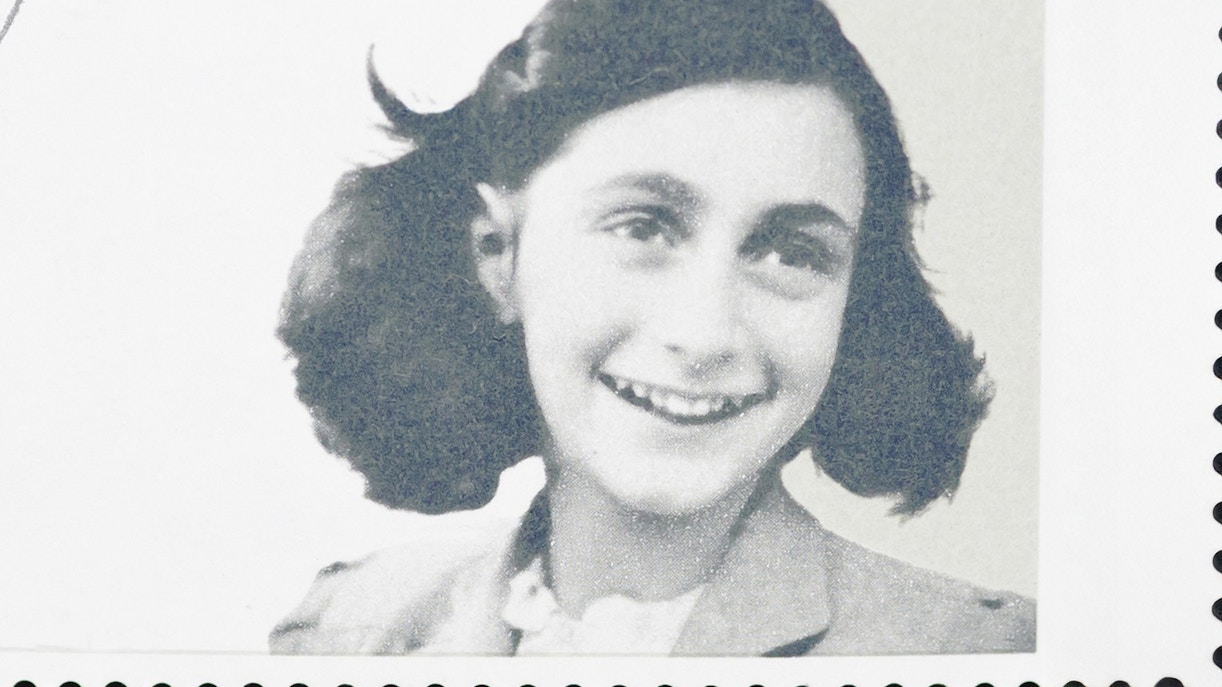
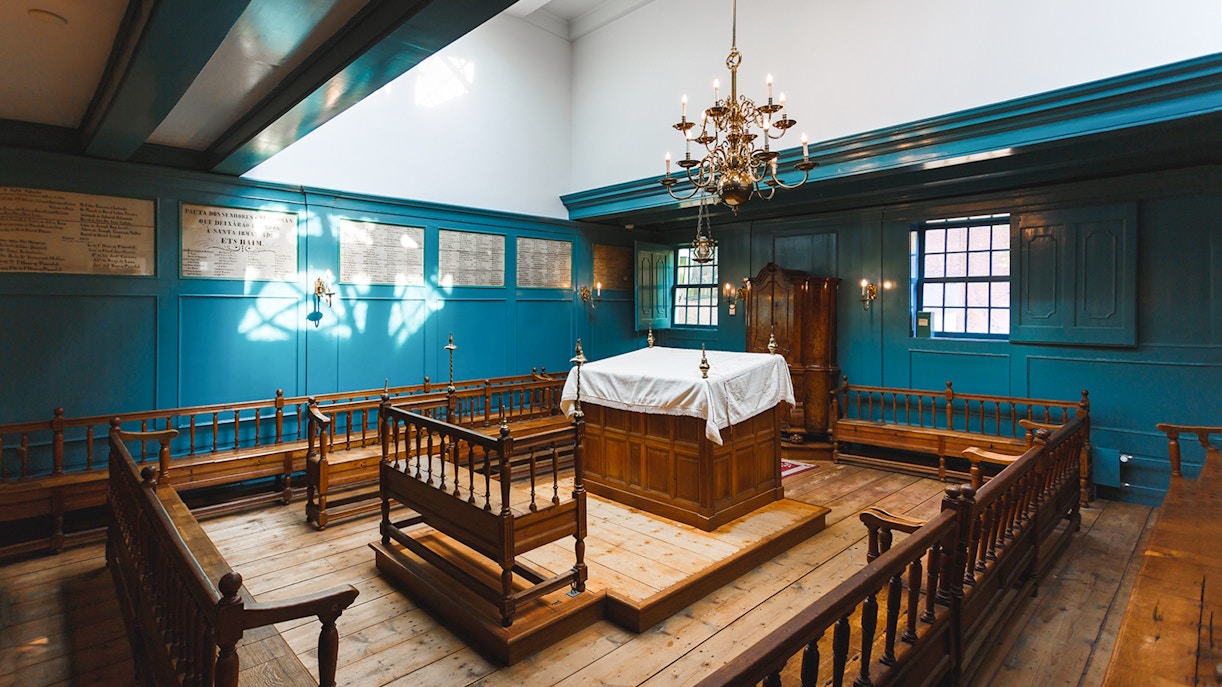
- New rules: As Nazi control tightened, Anne saw her world shrink through school bans, movement limits, and growing fear around her.
- Annex decision: The family moved into the Secret Annex once Anne’s elder sister Margot received a call-up, forcing them to leave normal life suddenly.
- Hidden routines: Days revolved around quiet hours, whispered conversations, and strict schedules that shaped every moment inside the Annex.
- Close quarters: Sharing a small space with another family and Fritz Pfeffer tested patience but also created deep, complicated relationships.
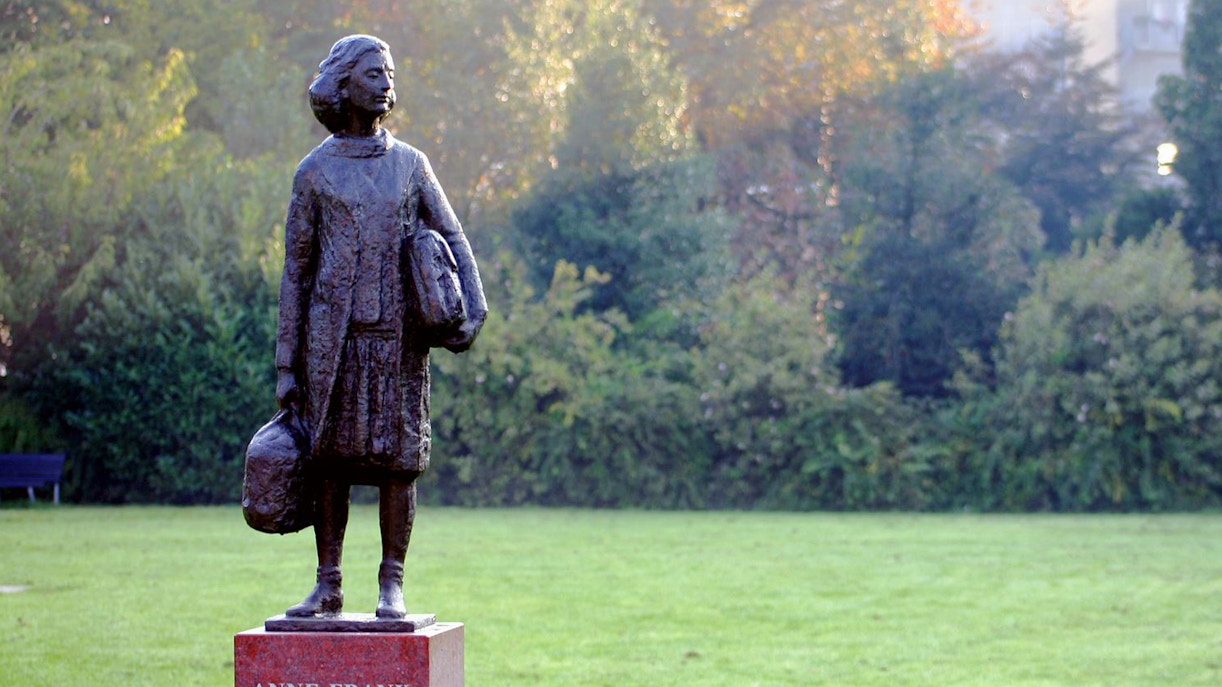
- Unexpected raid: A sudden raid ended two years of hiding, leaving everyone frightened and unsure of what waited outside the Annex.
- Westerbork transit: They were sent first to Westerbork, where overcrowded barracks and harsh routines marked the beginning of their journey.
- Auschwitz arrival: Transported to Auschwitz, they faced unbearable conditions, forced labor, and the constant fear that shaped each passing day.
- Final months: Anne and Margot were moved to Bergen Belsen, where illness and exhaustion overwhelmed them before the camp’s liberation.
How Anne’s story reached the world
Anne Frank’s diary
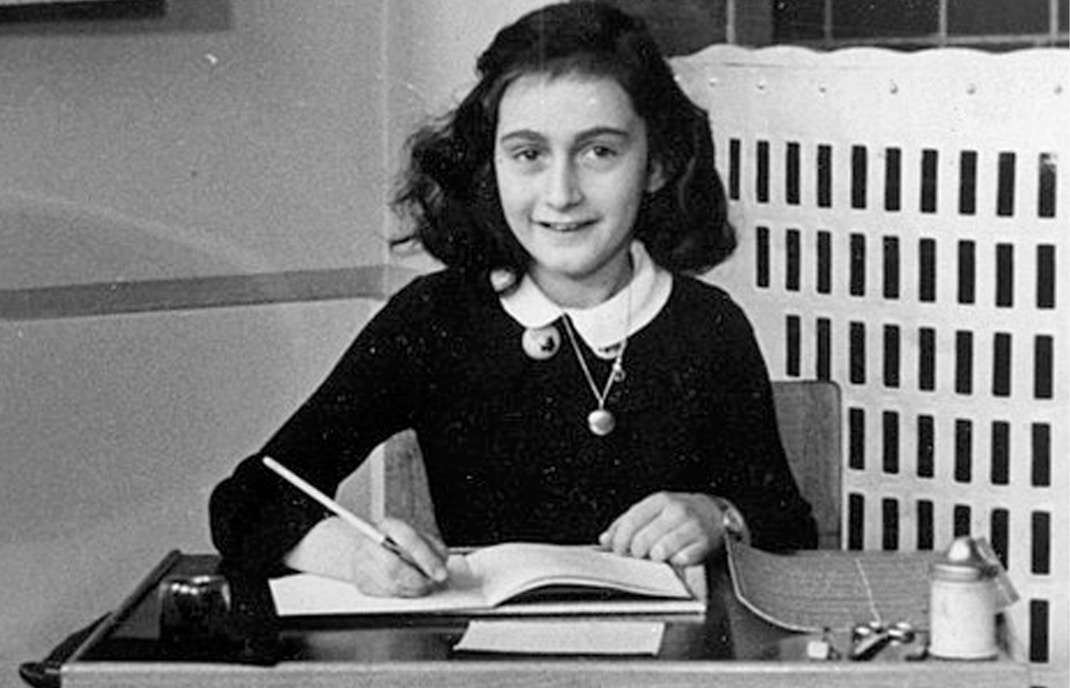
Anne began her diary on her thirteenth birthday, writing about school, friendships, and the small things that shaped her days. It slowly became the place where she sorted her thoughts.
Her reflections showed a girl who noticed everything. Each page revealed how she balanced fear with hope, even when the outside world felt completely unreachable.
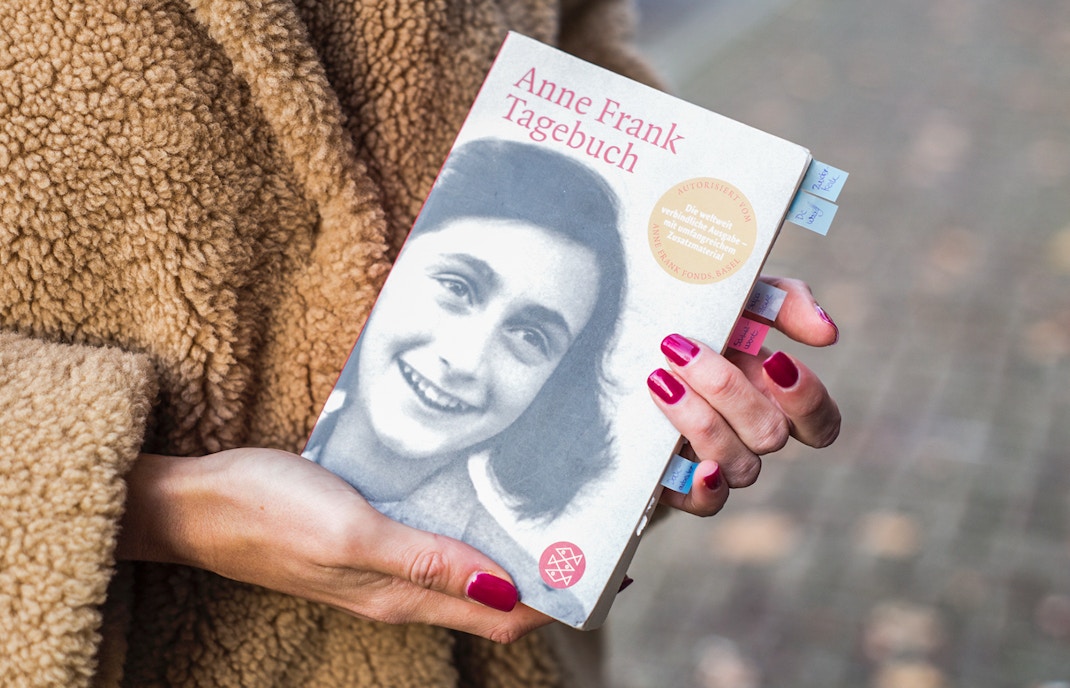
Publication of the diary
After the war, Otto Frank returned alone and found Anne’s diary kept safe by Miep Gies. Reading her words showed him how deeply she understood their situation.
The first edition was printed in 1947 in Dutch language. Over time, it spread across classrooms, libraries, and homes, becoming one of the most important accounts from the war.
Anne Frank in popular culture
- The Diary of Anne Frank (1959): The 1959 film adaptation directed by George Stevens brought Anne’s diary and hidden life to international audiences.
- The Diary of Anne Frank Broadway play: The 1955 Broadway play by Frances Goodrich and Albert Hackett portrays the tension, fear, and daily life inside the Annex.
- Anne Frank House museum: The Amsterdam museum preserves the Secret Annex, displaying her diary and belongings, letting visitors experience her hiding space.
- Anne Frank: The Graphic Diary of a Young Girl: This illustrated adaptation transforms her diary into visual storytelling, making Anne’s thoughts and feelings accessible for younger readers.
- Anne Frank Remembered (1995 Documentary): This Emmy-winning documentary by Jon Blair uses interviews and archival footage to show Anne’s life through survivor memories.
- Young adult inspired books: Books like The Hidden Life of Otto Frank and Anne Frank: The Biography explore her story for teenage readers.
- The Diary of Anne Frank (2001 TV Movie): This TV film starring Ben Kingsley and Hannah Taylor-Gordon retells Anne’s story with historical accuracy and emotional depth.
About Anne Frank’s youtube video diary
Think of it as Anne Frank filming her own life. Tiny rooms, whispered conversations, tense silence, and rare smiles are all captured. The fifteen-episode series brings her diary to life in a way words alone can’t. You can almost feel the cramped space, the waiting, the nervous glances. It makes her story real, helping you picture her courage, her humor, and how she held onto hope even in hiding.
Anne Frank house today
At the canal‑side address of Prinsengracht, the Anne Frank House now welcomes visitors from around the world. You enter through a modest door and move into the preserved hiding place where eight people once lived in silence. Sparse rooms, narrow hallways and the famous bookcase that hid the annex entrance help you picture their daily reality. The diary room displays original notebooks and photos. By the end you feel connected to lives lived under terrible fear yet full of hope.
Impact & legacy
Her diary remains a central part of Holocaust education because it shows fear, hope, and everyday life from a child’s perspective. Anne Frank symbolizes resilience, the courage of youth, and the power of keeping a voice alive even in hiding. People learn from her story the importance of empathy, tolerance, and understanding history deeply. Her words continue to inspire reflection, compassion, and action toward creating a more just and caring world.
Frequently asked questions about Anne Frank
Friends like Miep Gies and Victor Kugler provided food, supplies, and news from the outside during their hiding.
She was thirteen years old when her family moved into the Secret Annex in Amsterdam.
No, she wrote until her arrest; the diary remains unfinished but captures her thoughts and experiences fully.
Her diary has been translated into more than seventy languages for readers worldwide.
Miep Gies saved the diary and notebooks, giving them to Otto Frank after the war ended.
Most adaptations follow the diary closely, though some scenes are dramatized for storytelling purposes.
Yes, the Secret Annex rooms are preserved, with original walls and spaces kept as they were.
She wrote stories, essays, and letters, many of which were included in later editions of her diary.
Yes, it is a museum in Amsterdam with preserved rooms, exhibitions, and educational programs for visitors.


