Quick Information

RECOMMENDED DURATION

2 hours

EXPECTED WAIT TIME - STANDARD

0-30 mins (Peak), 0-30 mins (Off Peak)

Plan your visit

Did you know?

Fabrique des Lumières occupies a 3,800-square-meter space with ceilings up to 17 meters high, making it the largest immersive digital art center in the Netherlands.

The center uses over 100 state-of-the-art projectors to create its signature digital art experiences.

Exhibitions have featured over 325 artworks by 50 Dutch artists, including Vermeer, Rembrandt, and Van Gogh.

Why is Fabrique des Lumières a must-visit attraction?
Not your traditional museum
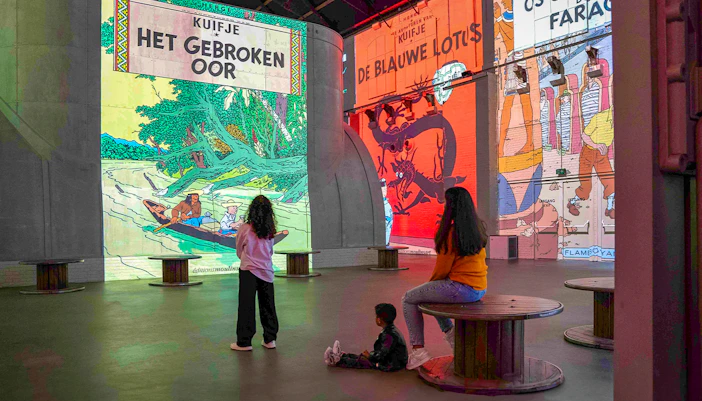
Fabrique des Lumières redefines the way you experience art. Instead of observing masterpieces from behind a rope, you are invited to step inside them.

Moving, changing art
The art here is never static; it moves, breathes, and fills every inch of the vast industrial hall. This immersive approach lets you engage with the works on a personal level, discovering new perspectives as projections sweep across the walls and floors.

Variety of art

The venue seamlessly blends different artistic styles, from the luminous interiors of Vermeer to the vibrant strokes of Van Gogh. This makes world-class art accessible to everyone, regardless of prior art knowledge.

Immersive experience

Paired with a carefully curated soundtrack, the visit becomes a full sensory journey that is both calming and exhilarating. This way, Fabrique des Lumières creates an unforgettable experience in the heart of Amsterdam.

Unique exhibitions

What’s more, Fabrique des Lumières hosts innovative exhibitions such as #mygirlwithapearl, Prehistoric Planet, and The Moonwalkers, offering experiences that combine art, storytelling, and cutting-edge projection technology.

Highlights of Fabrique des Lumières in Amsterdam

Visitors viewing Earth projection at The Moonwalkers, Fabrique des Lumières, narrated by Tom Hanks.
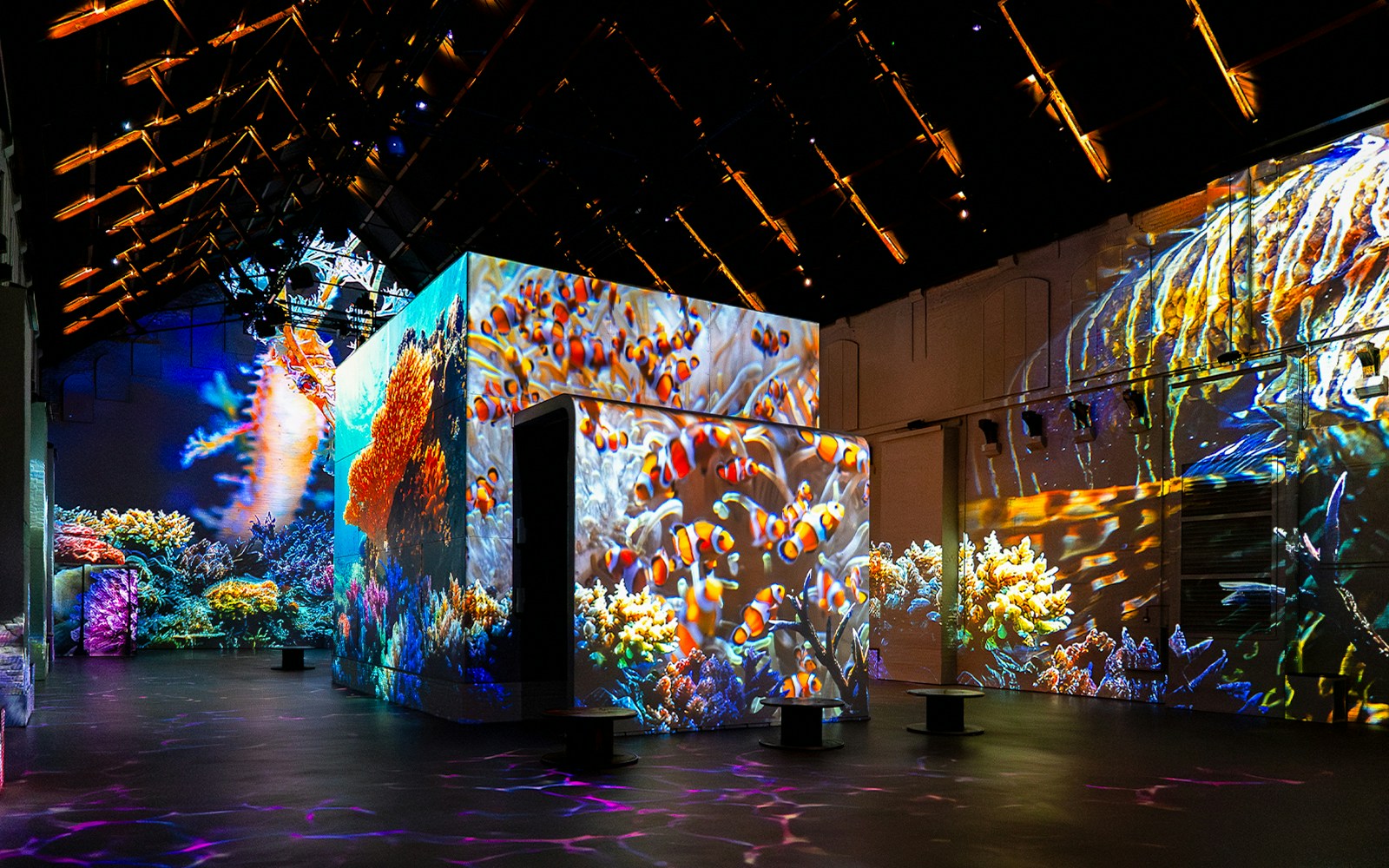
Interactive sea-themed digital art at Fabrique des Lumières exhibition.
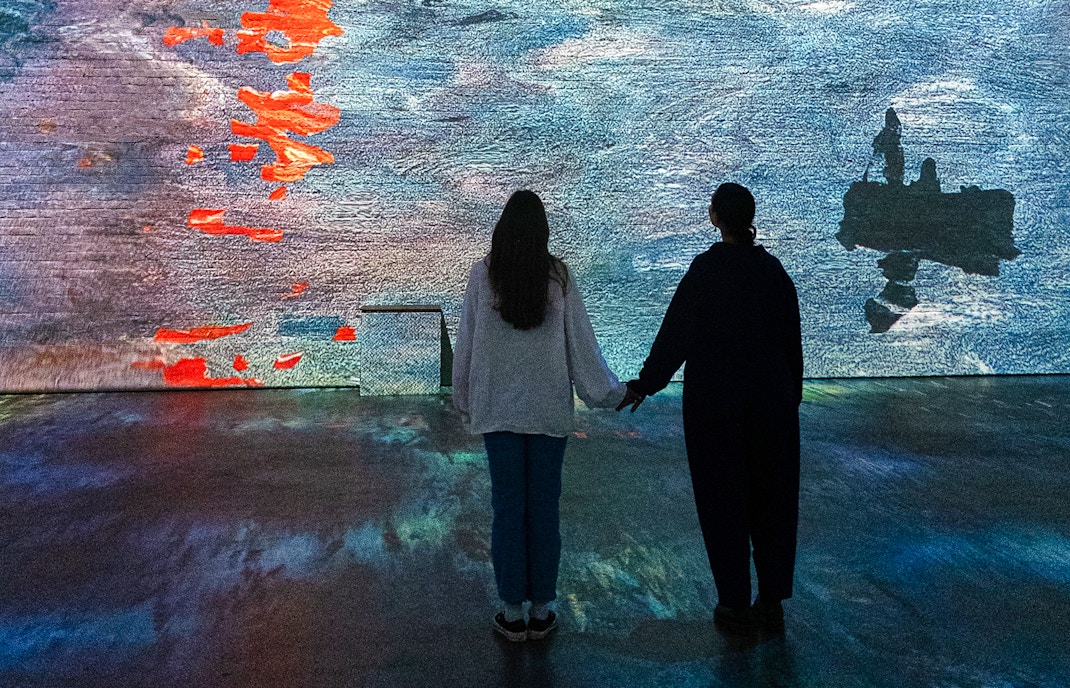
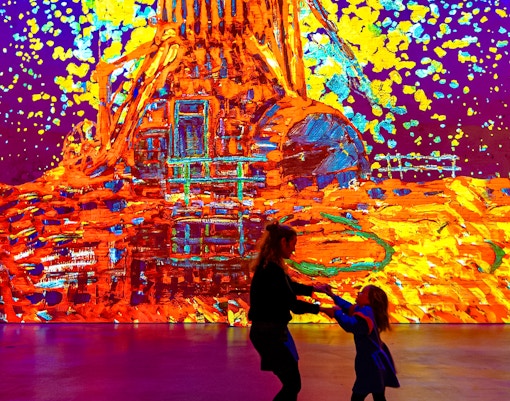
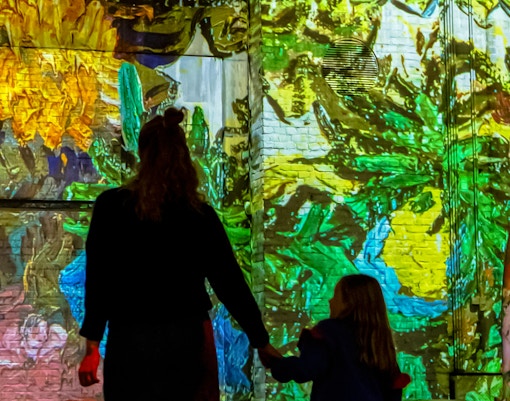
Visitors exploring digital art projections at Fabrique des Lumières.
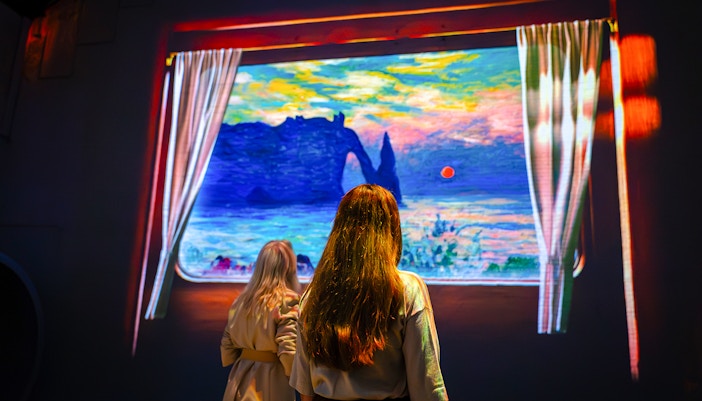
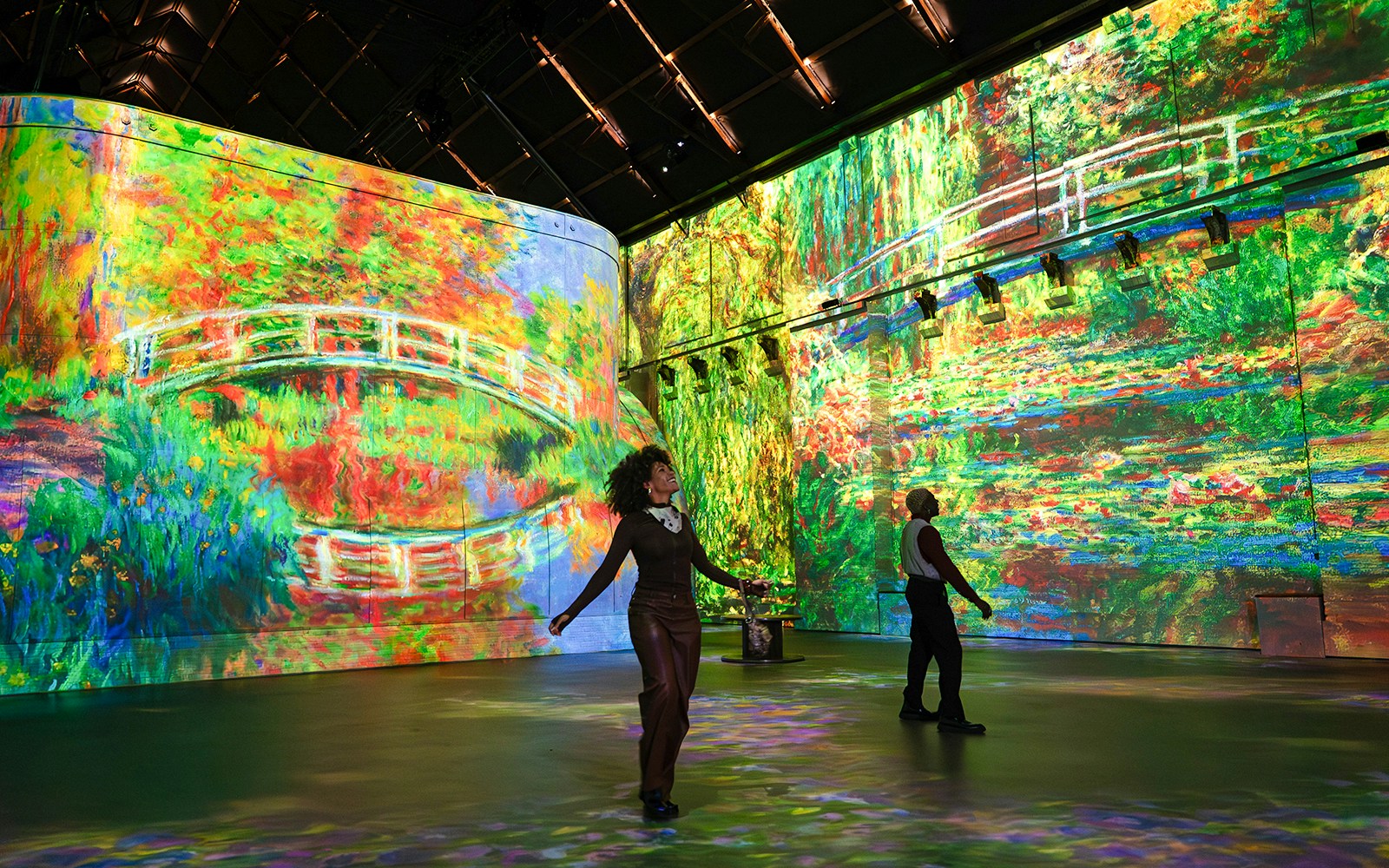
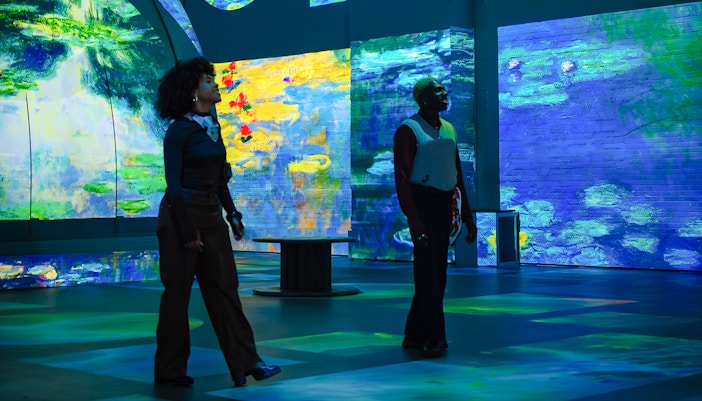
Monet's landscapes projected at Fabrique des Lumières exhibition, visitors observing.
1/4

Main Hall

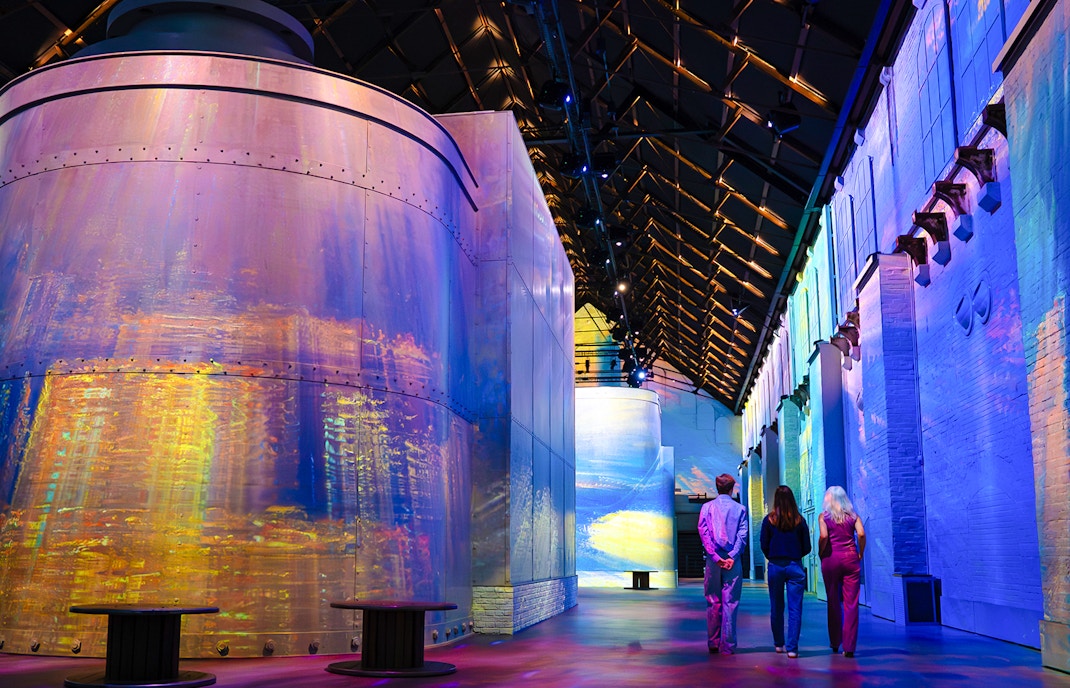
The heart of the experience is the sprawling main hall where exhibitions come to life on a monumental scale. The soaring 17-meter-high walls serve as a dynamic canvas for masterpieces that move and breathe around you, creating a seamless 360-degree spectacle.

Continuous immersive loop

The exhibitions run in a continuous loop, ensuring you never miss a moment. This allows you to walk through and around the art, experiencing it from different angles and perspectives. You can stay for as long as you like to fully absorb the show.

Auditory and visual feast

The immersive experience is heightened by a perfectly synchronized soundtrack that guides your emotions. The art is not just seen, but felt, as the music amplifies the visual spectacle and adds another layer to your sensory journey.

Historic Westergasfabriek

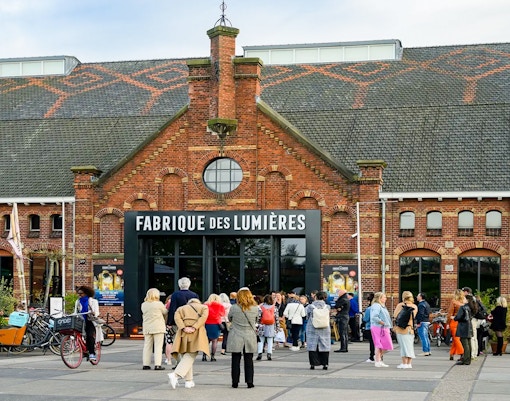
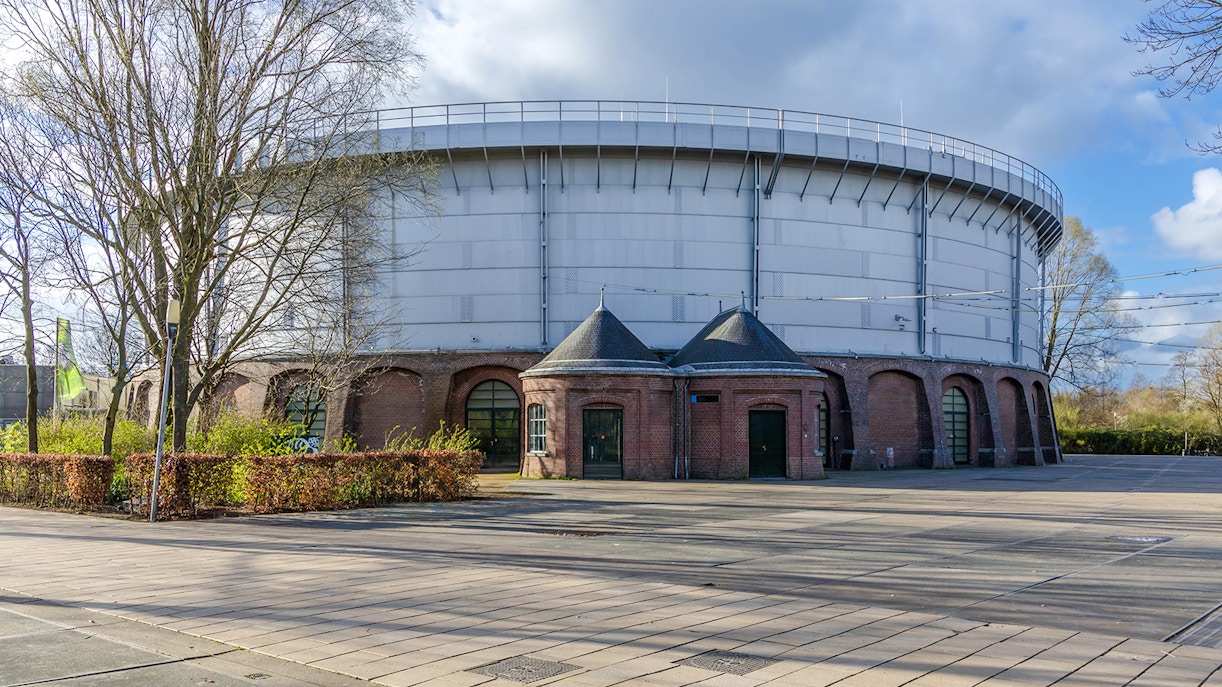
The industrial charm of the historic Westergasfabriek building itself is a key highlight. Its magnificent architecture and original brickwork provide a unique backdrop that beautifully contrasts with the cutting-edge digital art.

What to see at Fabrique des Lumières?

Main exhibition

The centerpiece of your visit is the featured exhibition, such as the Dutch Masters or Monet. Over 100 projectors bring the artworks to life across the entire hall, letting you take in the show from different perspectives.

Short exhibition

Following the main feature, a shorter exhibition often plays. These shows are usually more modern and provide a refreshing contrast, inviting you to experience visuals and soundscapes that push the boundaries of traditional exhibitions.

Immersive technology

Fabrique des Lumières uses cutting-edge projection mapping, over 100 projectors, and a surround sound system to make every exhibition feel alive. Move through the space filled with light and color to feel as if you are part of the masterpiece.

Westergasfabriek venue

That’s not all. The historic industrial setting is part of the allure. The high ceilings, exposed brick walls, and vast open spaces of the Westergasfabriek create a stunning backdrop that enhances the immersive experience.

Highlights of Fabrique des Lumières in Amsterdam

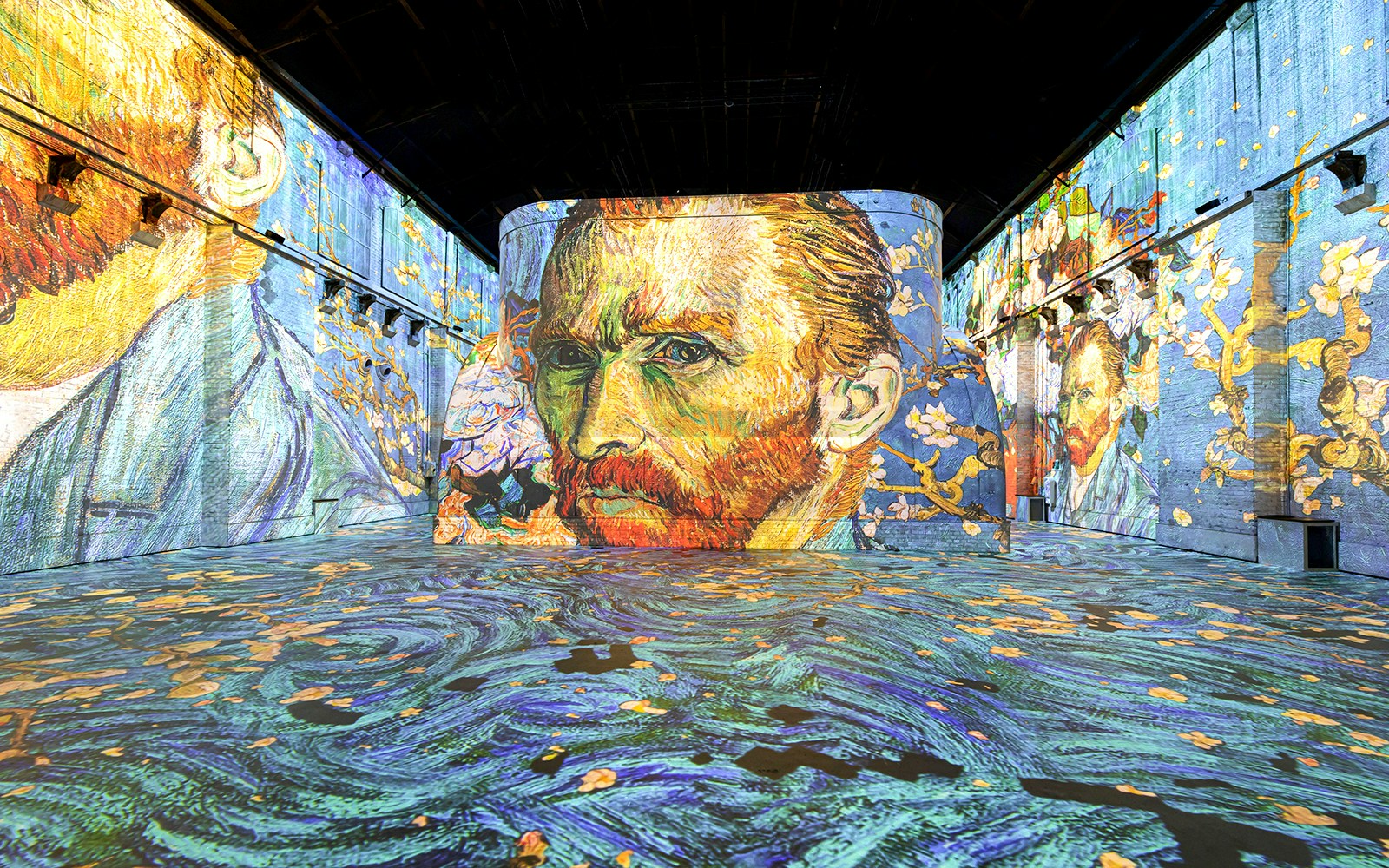
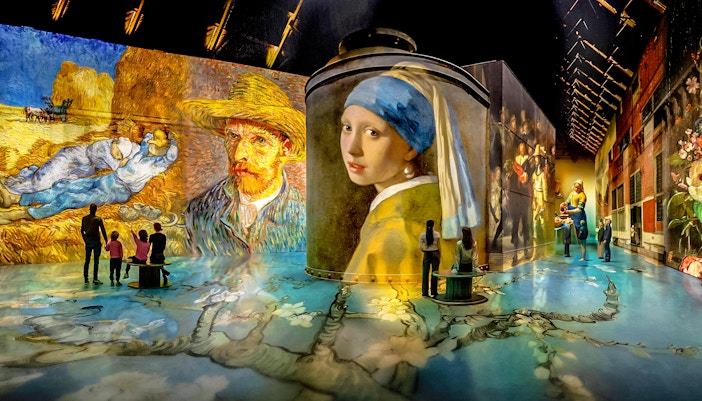
Van Gogh's self-portrait projected in Fabrique des Lumières exhibition hall.

Dutch Masters Immersion

Observe Vermeer, Rembrandt, and Van Gogh as their masterpieces fill the hall with moving projections, bringing the Dutch Golden Age vividly to life around you.

Immersive Monet art projections at Fabrique des Lumières exhibition.
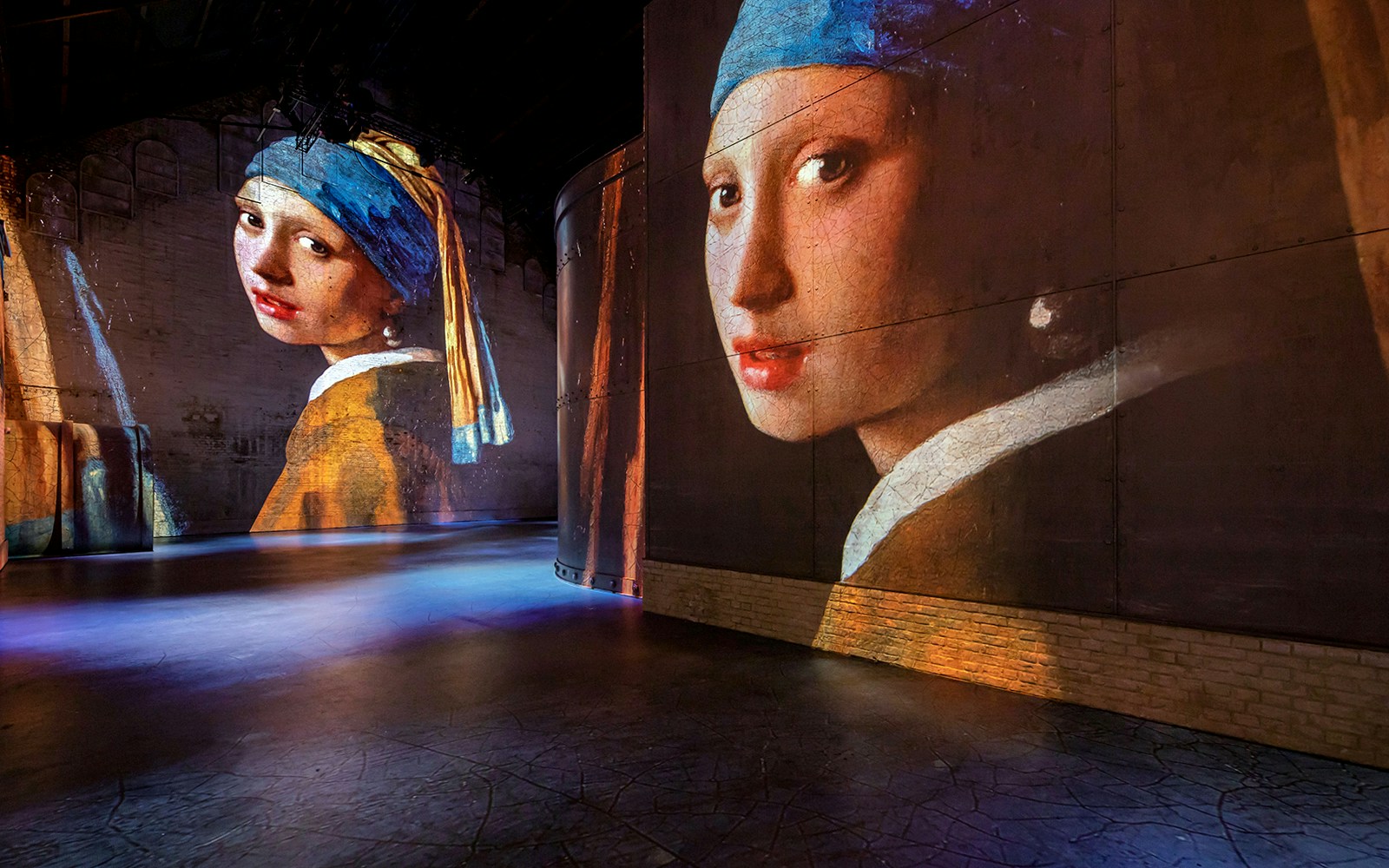
Projections of Vermeer's "Girl with a Pearl Earring" at Fabrique des Lumières exhibition.
Clownfish and coral projections at The Sea Exhibition, Fabrique des Lumières.
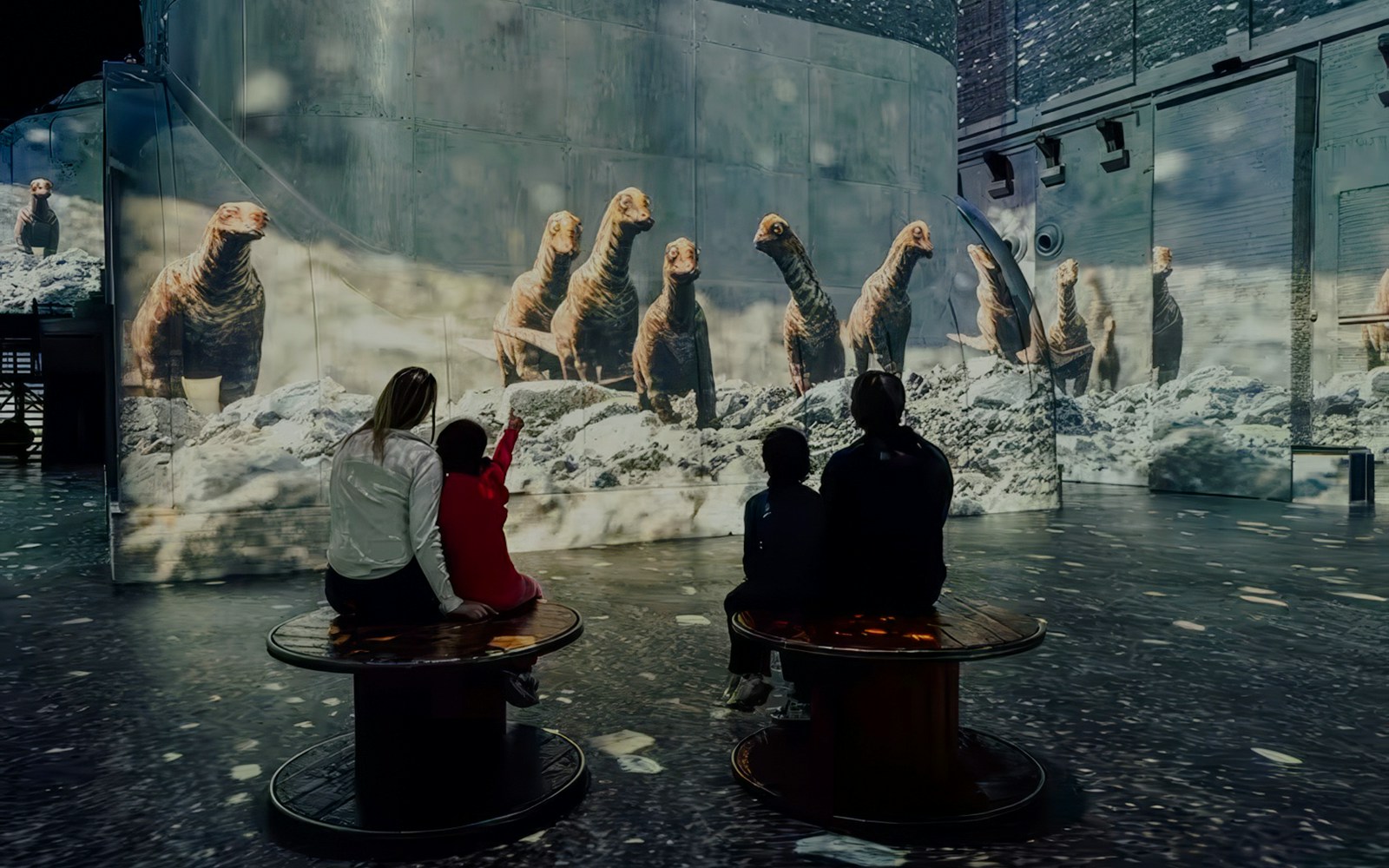
Visitors watching dinosaur projections at Prehistoric Planet: Dinosaurs – The Immersive Experience.

Brief history of Fabrique des Lumières

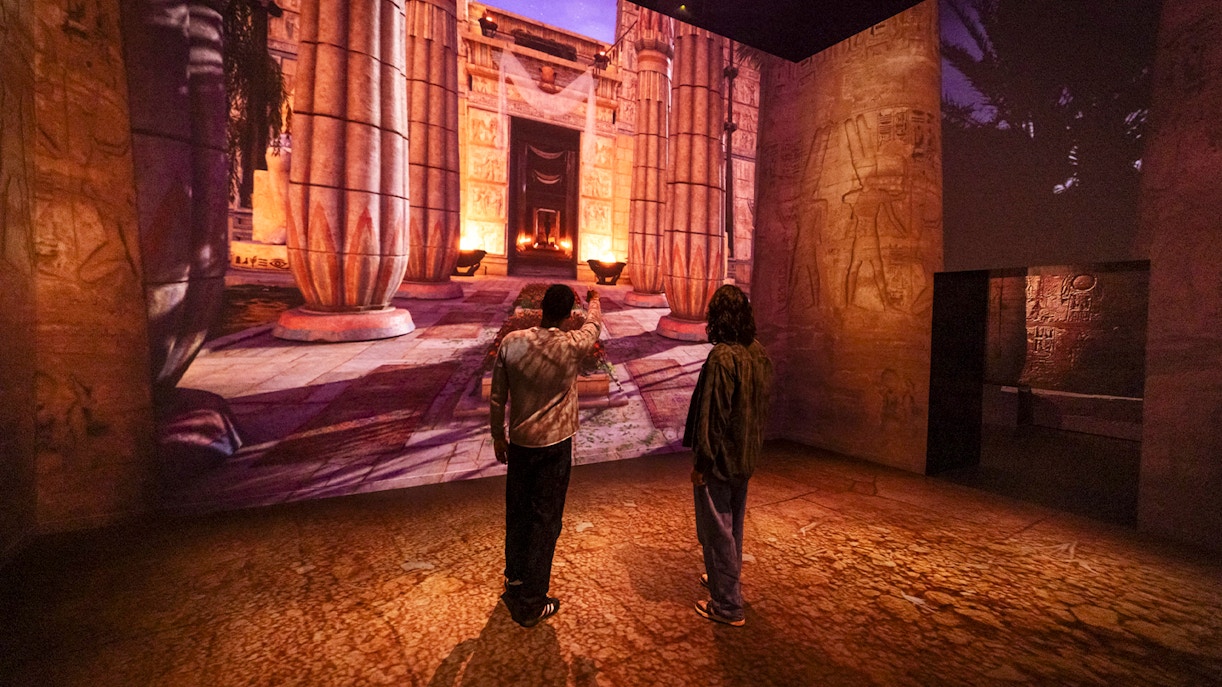
Visitors viewing ancient Egyptian temple projection at Fabrique des Lumières exhibition.

Fabrique des Lumières is housed in a historic industrial site that dates back to the late 19th century. In 1883–1885, the British Imperial Continental Gas Association built the Westergasfabriek as a coal‑fired gasworks to produce gas for street lighting in Amsterdam. It became one of the Netherlands’ largest gas factories and was taken over by the City of Amsterdam in 1898. The site lay largely unused until redevelopment plans in the 1980s turned it into a cultural park.

Much later, Fabrique des Lumières was created to bring immersive digital art to Amsterdam in a space that combines history and modern creativity. The venue transforms the industrial interiors of the Zuiveringshal into a canvas for large-scale audiovisual exhibitions, allowing visitors to experience art in an innovative, interactive way. Its creation is part of a broader effort to revitalize the Westergasfabriek and make art more accessible and experiential for all audiences.

Who built Fabrique des Lumières?

The original gasworks building was designed by architect Isaac Gosschalk and constructed by the British Imperial Continental Gas Association in the 1880s. Gosschalk was a notable figure in Dutch architecture, known for his work in the Neo‑Renaissance style. The broader Westergasfabriek site was later redeveloped into a cultural park by landscape architect Kathryn Gustafson. The Fabrique des Lumières itself was part of this redevelopment, combining historic architecture with modern digital art technology.

Architecture of Fabrique des Lumières

Fabrique des Lumières occupies the Zuiveringshal of the historic Westergasfabriek and retains much of its 19th-century industrial character. The original complex, completed in 1885, was built in the Dutch Neo‑Renaissance style, notable for its symmetrical design, decorative detailing, and combination of red and yellow brick with light stone accents.

Large arched windows and high‑vaulted interiors helped serve its original function in gas production and now provide expansive surfaces ideal for the venue’s immersive digital projections. Preserved architectural elements—tall brick walls and iron roof structures—create a striking backdrop that blends historic industrial design with cutting-edge art technology.

More about the Westergasfabriek cultural park

Westergasfabriek cultural park gas holder building in Amsterdam.

The Westergasfabriek cultural park is a sprawling green space surrounding Fabrique des Lumières. Originally an industrial complex, it has been transformed into a vibrant hub for art, culture, and recreation. The park features theaters, cinemas, cafés, and a popular Sunday market. Designed as a car‑free oasis, it invites visitors to stroll, picnic, and enjoy cultural events throughout the year, making it a destination in its own right.

Frequently asked questions about Fabrique des Lumières

Fabrique des Lumières is an immersive digital art center, not a traditional museum. It does not house a permanent collection of physical artworks but rather projects the works of various artists onto its walls.

More reads