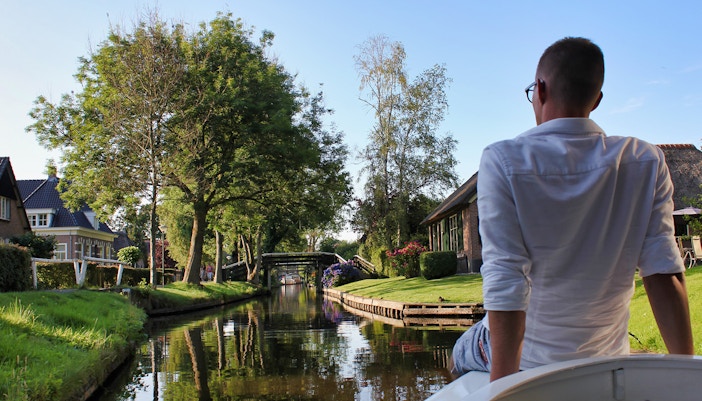
What is Giethoorn?

Giethoorn is a small canal village in the province of Overijssel, in the northeastern Netherlands, known for its narrow waterways, arched wooden bridges, and traditional thatched-roof farmhouses. Often described as a car-free village, Giethoorn is structured around canals instead of streets, with movement primarily by footpaths, cycling trails, and boats. Located within Weerribben-Wieden National Park, Giethoorn, Netherlands, combines rural Dutch village life with wetlands, reed beds, and calm waterways. Today, Giethoorn village is one of the most visited countryside destinations in the country, offering slow travel experiences centred on boating, nature, and traditional architecture rather than large-scale attractions.

Plan your visit to Giethoorn

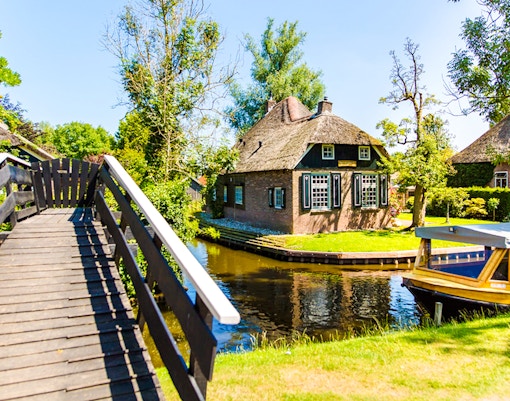
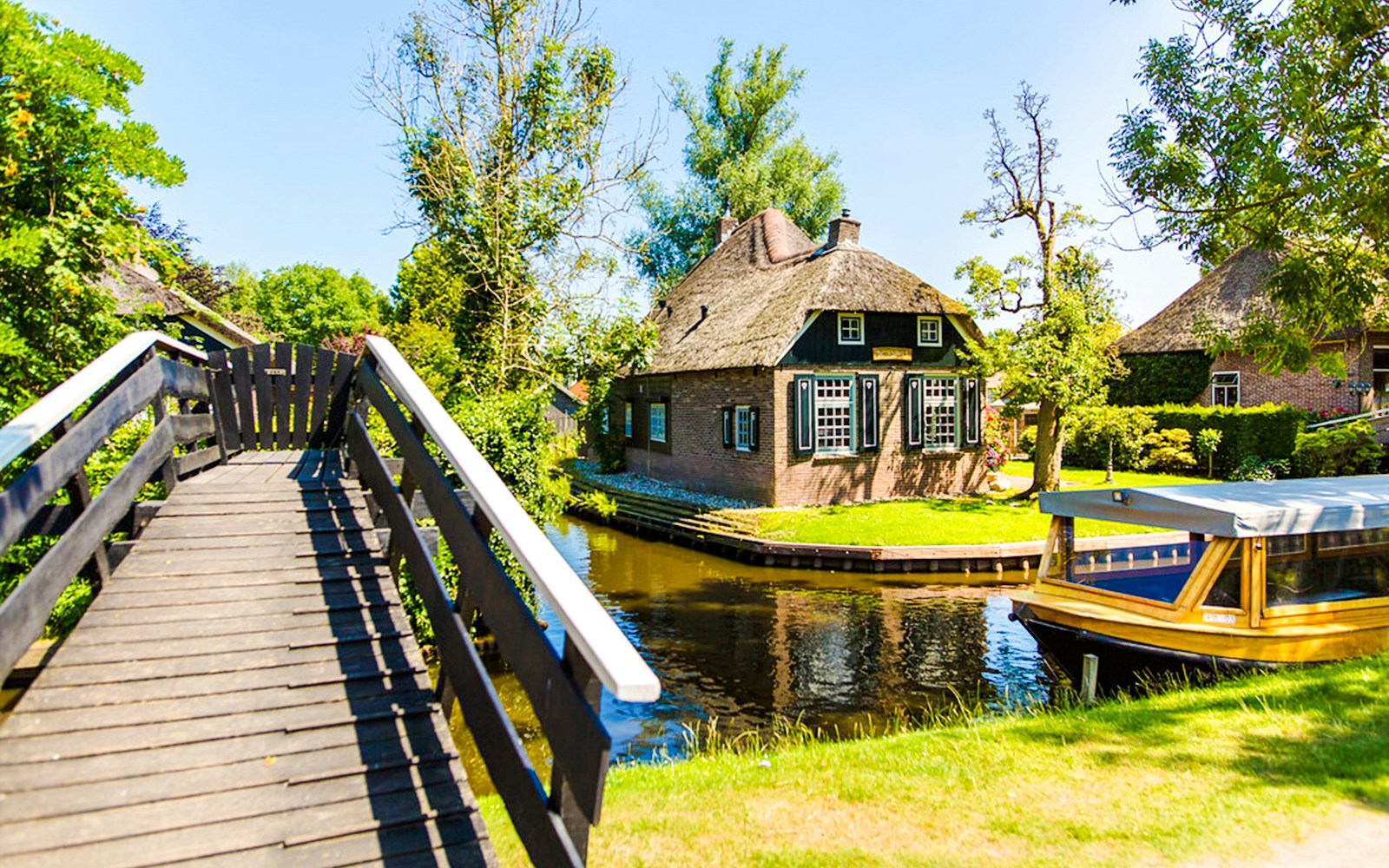
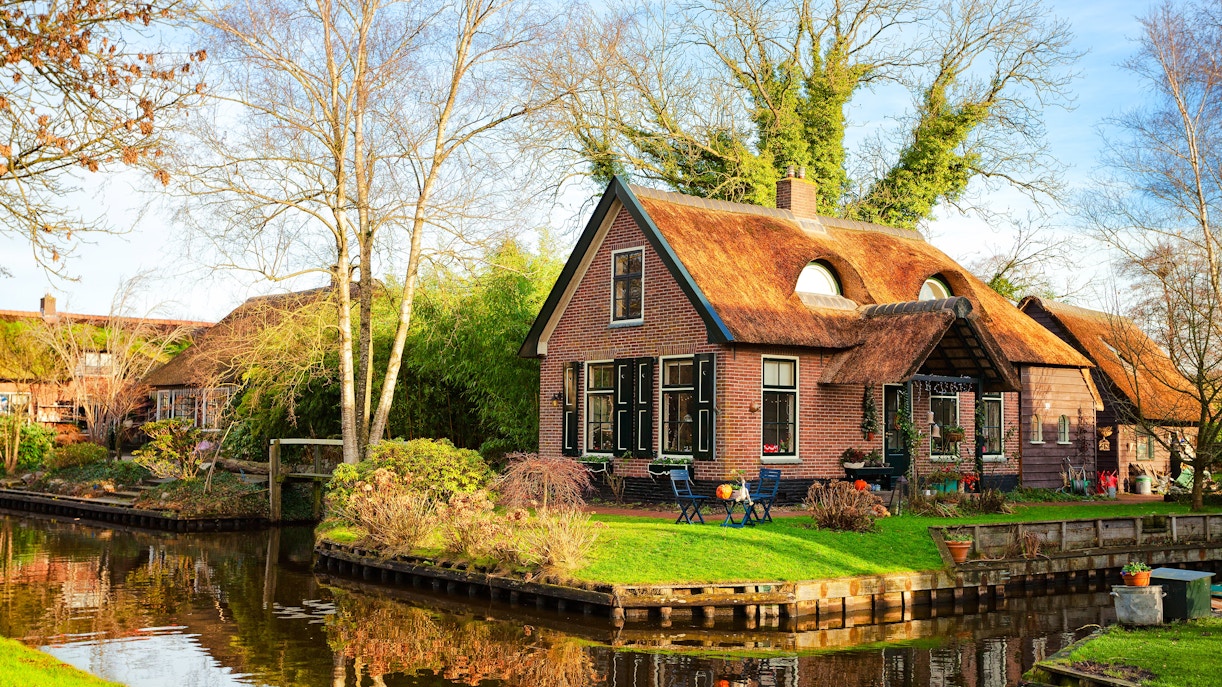
Canal-side house with thatched roof in Giethoorn, Netherlands, on a sunny morning.

Opening hours

Giethoorn itself is an open village and can be visited year-round, at any time of day. However, most Giethoorn attractions, including boat rental companies, museums, and restaurants, generally operate between 9am and 5pm–6pm.

Seasonal changes apply, with extended hours from April to September. Some businesses close or reduce hours during the winter months (November–February).
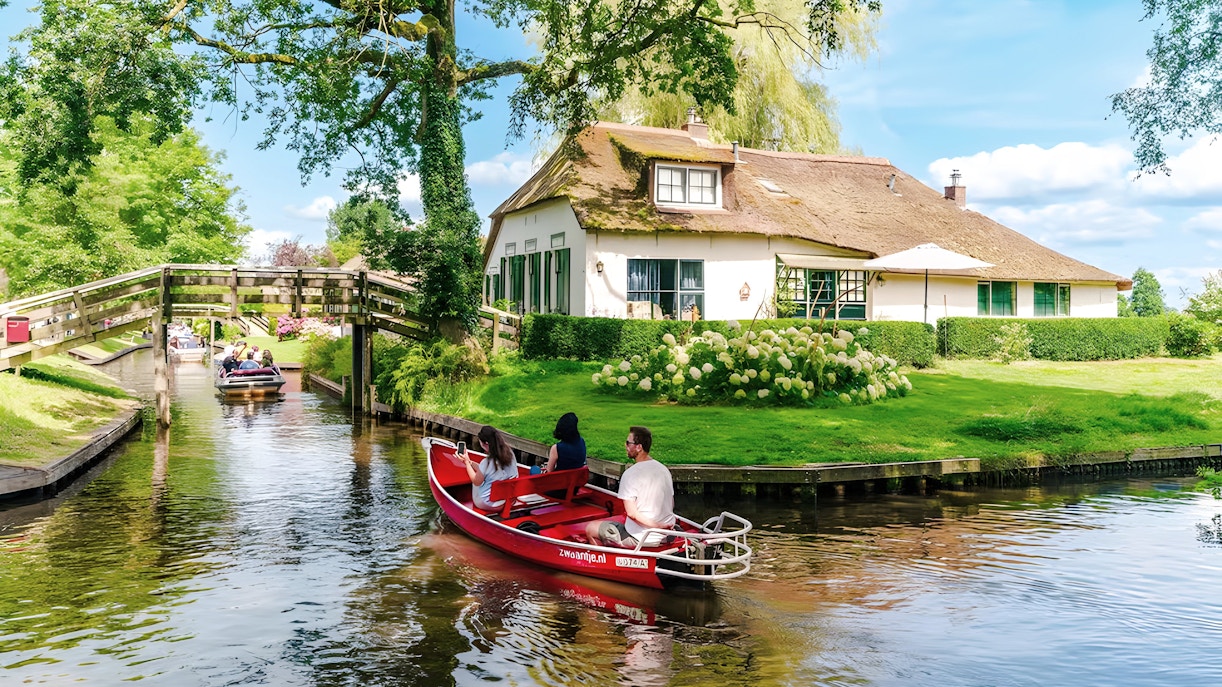
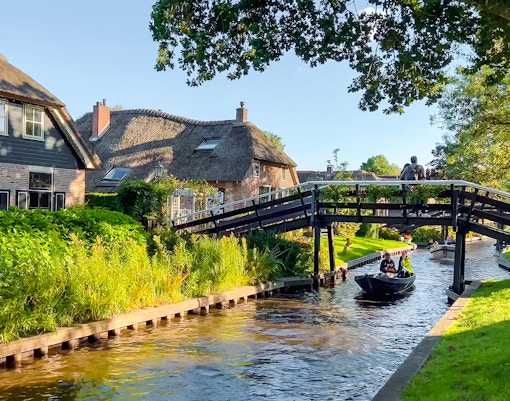
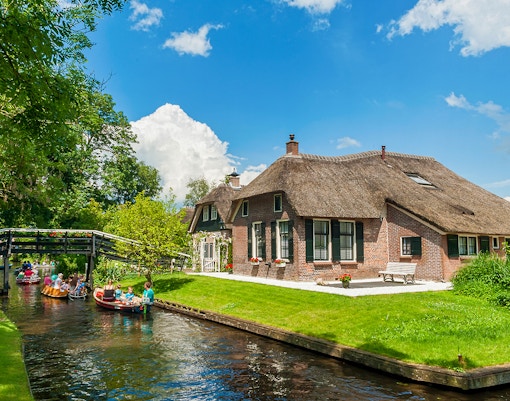
Guests on a boat ride through Giethoorn's canals, passing a traditional Dutch house and wooden bridge.

Best time to visit

The best time to visit Giethoorn in Holland is April to June and September, when the weather is mild, and canal traffic is manageable. July and August bring warmer weather but heavy crowds, especially midday.

Midweek visits are quieter than weekends. Early mornings (before 10am) and late afternoons offer the calmest canal experience and better photo conditions.

Check detailed seasonal timings

Location

Giethoorn is located about 120 km northeast of Amsterdam, within the municipality of Steenwijkerland, Overijssel. The village sits inside Weerribben-Wieden National Park, one of the largest wetland areas in the Netherlands.

Nearest rail station: Steenwijk (followed by bus or taxi). Driving is possible, with parking areas on the village outskirts.

View directions to Giethoorn

What to do in Giethoorn?

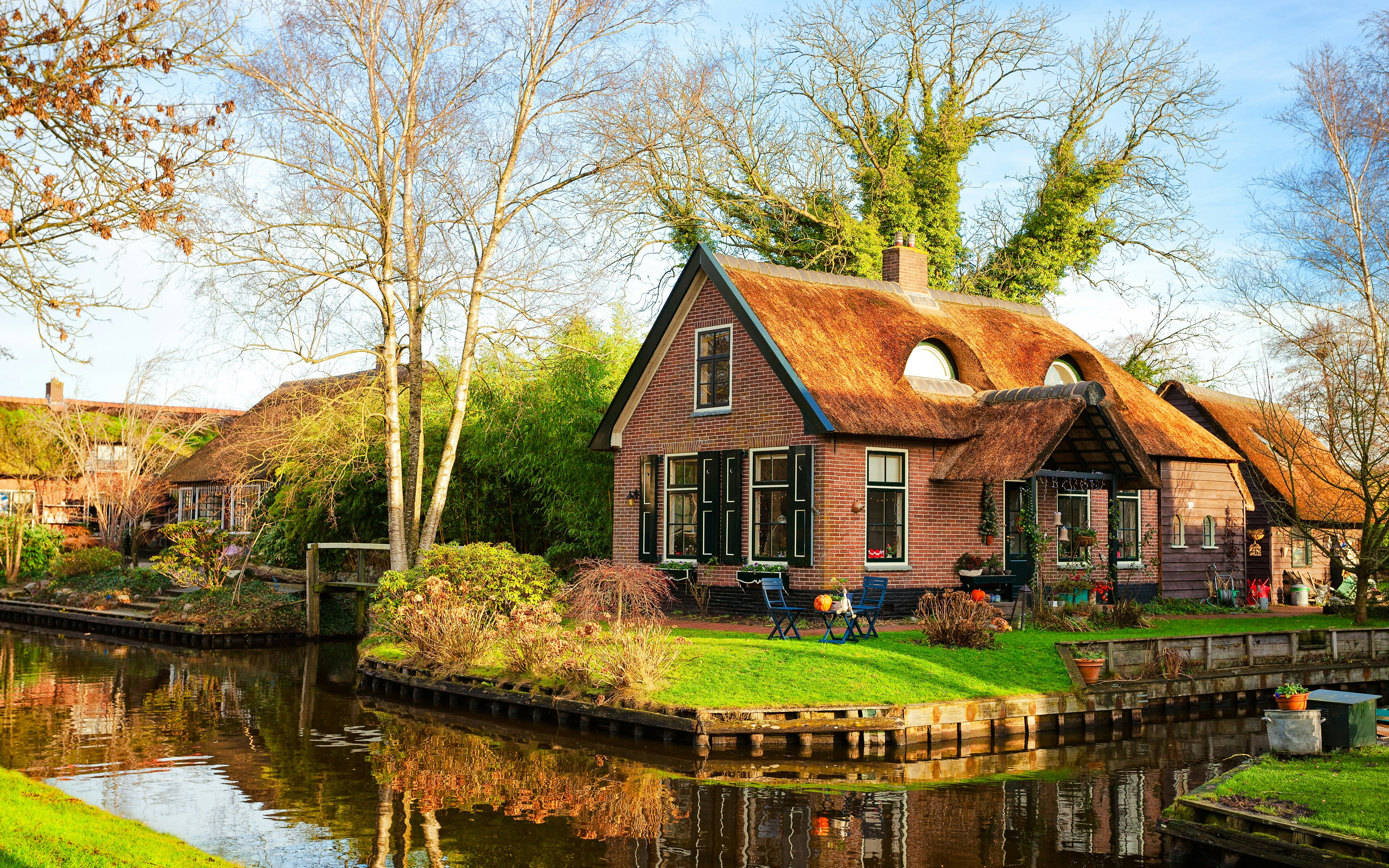
Traditional Dutch houses, gardens, and wooden bridge over canal in Giethoorn, Netherlands.

Canal boat ride through Giethoorn village

Exploring Giethoorn by boat is the core experience. You can rent whisper boats, electric boats, or join guided canal cruises. Routes pass under low wooden bridges and alongside historic farmhouses. The ride is easy and family-friendly, typically lasting 1–2 hours, with no boating license required for rentals.

Giethoorn canal with boat and traditional thatched house.

Walk or cycle the village paths

Giethoorn has narrow footpaths running parallel to the canals, connected by over 170 small bridges. Walking offers a slower way to experience the Giethoorn village, while cycling routes extend into Weerribben-Wieden National Park. This is a low-intensity activity suitable for all ages.

Small group boating through Giethoorn canal past traditional thatched house.

Visit local museums

Small museums such as the Museum Giethoorn ’t Olde Maat Uus provide insight into Giethoorn's history, peat harvesting, and traditional village life. These visits are short but informative and help contextualise the village beyond its postcard views.

Elderly man birdwatching with binoculars in a sunlit forest.

Explore Weerribben-Wieden National Park

Nature lovers can extend their visit beyond the canals into the surrounding wetlands. Kayaking, birdwatching, and marked walking trails showcase the biodiversity that shaped Giethoorn, Netherlands. This experience is quieter and less crowded than the central canals.

What to see in Giethoorn?

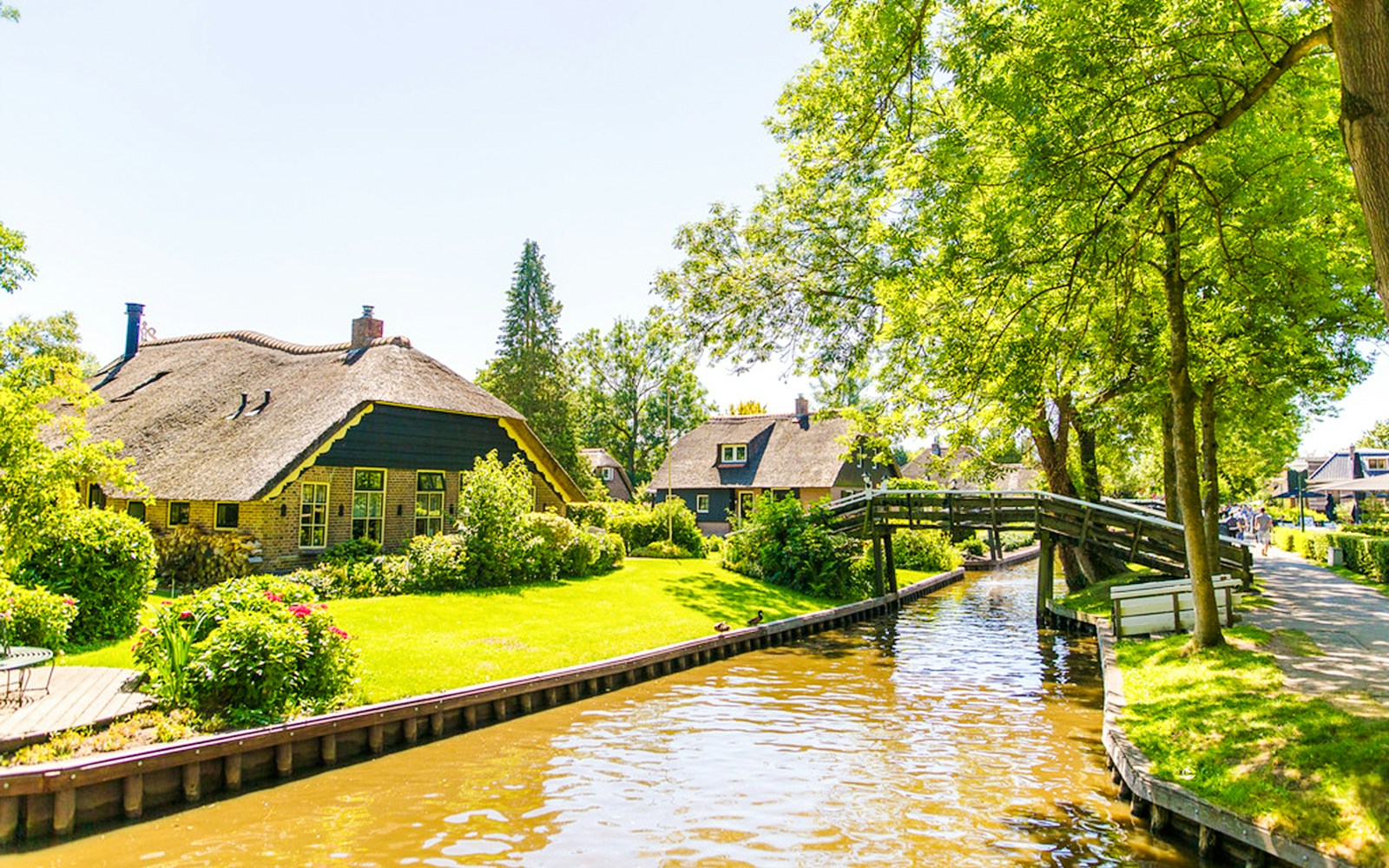
Canal view with thatched-roof houses and wooden bridge in Giethoorn, Netherlands.
Canal-side house with thatched roof in Giethoorn, Netherlands, on a sunny morning.
Giethoorn canal with boat and traditional thatched house.
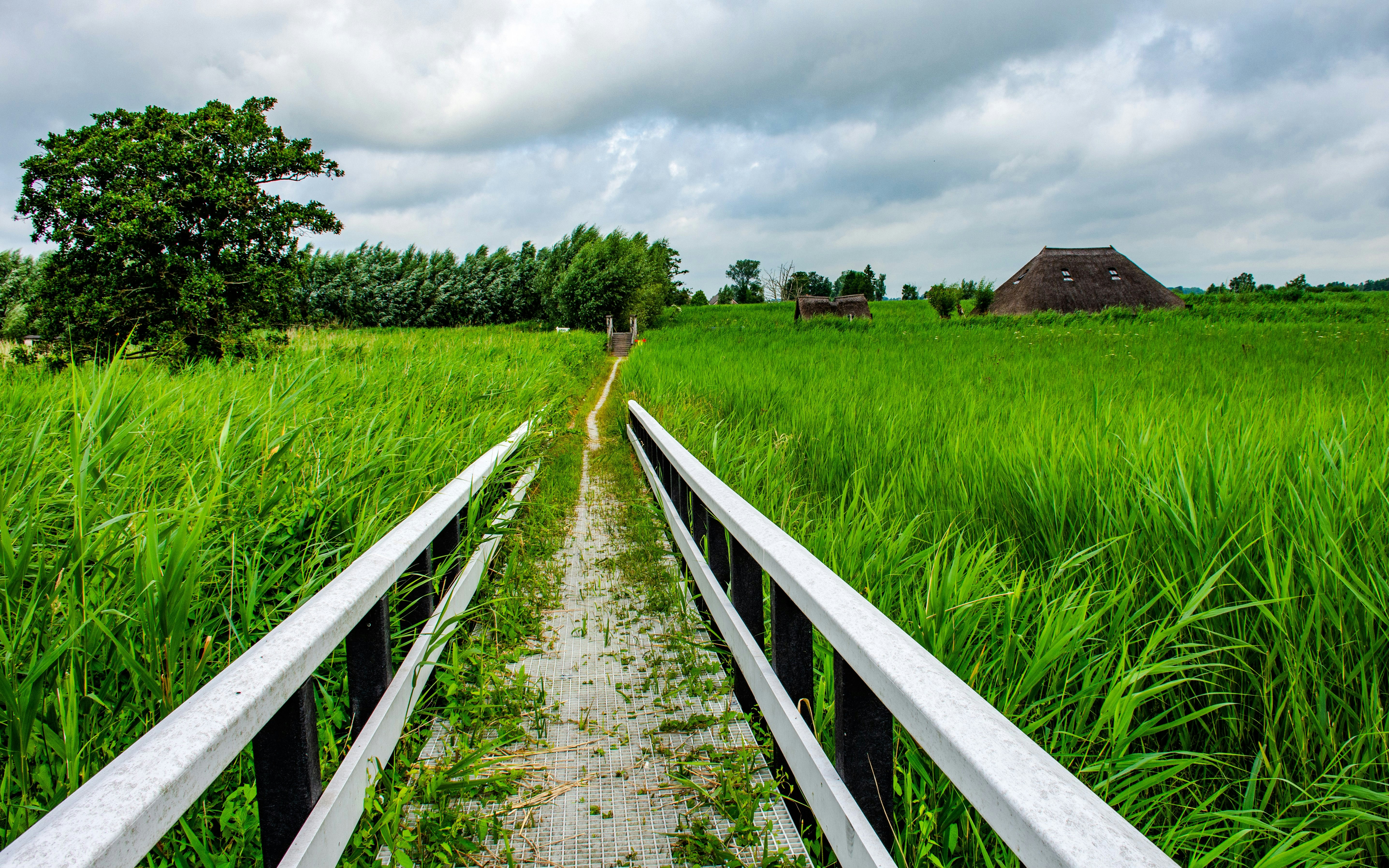
Pathway through Weerribben reed beds in Giethoorn with thatched-roof house in the background.
1/4

Dorpsgracht (Village canal)

The main canal running through Giethoorn village, lined with historic thatched houses and wooden bridges. Best viewed early morning for reflections and minimal boat traffic.

Thatched-roof farmhouses

Many houses date back to the 18th and 19th centuries and sit on small private islands. These buildings define what to see in Giethoorn and reflect traditional rural Dutch architecture.

Wooden arch bridges

Scattered across the village, these hand-built bridges connect paths and islands. They are a defining visual element of Giethoorn attractions and ideal photo spots at golden hour.

Weerribben reed beds

Located just outside the village centre, the reed beds show how peat extraction shaped the landscape and contributed to the history of Giethoorn.

History of Giethoorn in a nutshell

The history of Giethoorn dates back to the 13th century, when settlers arrived to extract peat from the surrounding wetlands. Over time, excavation created long trenches that filled with water, forming the canals seen today. The name ‘Giethoorn’ is believed to reference goat horns (‘geitenhoorns’) discovered after flooding events. As peat resources declined, residents turned to reed harvesting and farming.

Modern tourism began in the mid-20th century, particularly after the village appeared in Dutch films. Today, Giethoorn's history is closely tied to water management, conservation, and sustainable tourism.

Nature, conservation & village life in Giethoorn

Giethoorn sits within a protected wetland ecosystem, making conservation essential. Electric boats are encouraged to limit noise and pollution, and speed restrictions protect canal banks and wildlife. Reed beds are still harvested annually, maintaining traditional practices while supporting biodiversity. Visitors to Giethoorn, Netherlands, are encouraged to stay on marked paths, respect private property, and minimise waste to preserve the village’s delicate balance between tourism and daily life.

Tips for visiting Giethoorn

  • Visit early morning or late afternoon to avoid canal congestion
  • Choose electric or whisper boats for a quieter experience
  • Stay overnight nearby to explore Giethoorn village before day-trippers arrive
  • Wear comfortable walking shoes for bridge crossings and gravel paths
  • Reserve boat rentals in advance during peak season
  • Respect private homes—many photo spots are residential properties

Frequently asked questions about Giethoorn

What is Giethoorn known for?

Giethoorn is known for its canals, thatched-roof houses, wooden bridges, and boat-based village layout instead of roads.

What is the best season to visit Giethoorn?

Spring and early autumn offer mild weather, fewer crowds, and the best balance for sightseeing and boating.

What should I pack for my trip to Giethoorn?

Pack weather-appropriate layers, comfortable shoes, sun protection in summer, and a waterproof jacket year-round.

Is Giethoorn wheelchair accessible?

Main paths are mostly flat, but narrow bridges and boat access can be limiting. Accessibility for boat rides varies by area and provider.

What are the must-do Giethoorn activities?

Canal boat rides, village walks, visiting museums, and exploring Weerribben-Wieden National Park are must-do Giethoorn activities.

How do you get around Giethoorn?

Getting around Giethoorn is done on foot, by bicycle, or by boat. Cars are parked outside the village centre.

More Reads

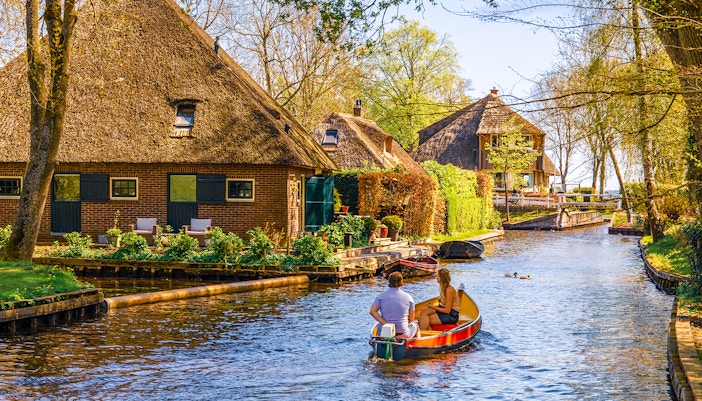
Boating through Giethoorn canal with thatched houses and lush greenery, Giethoorn, Netherlands.

Plan Your Visit

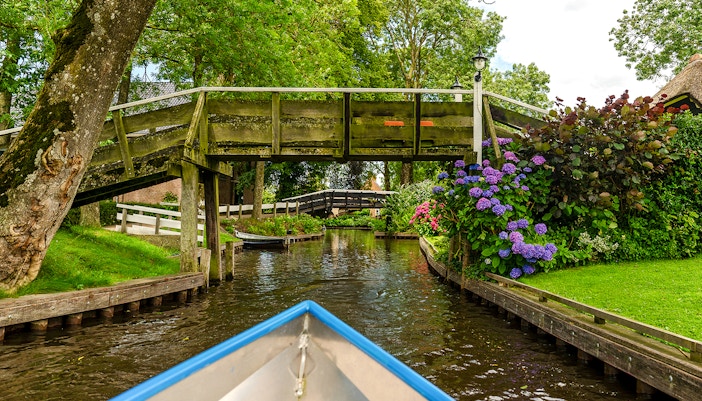
Boat navigating canal under wooden bridge in Giethoorn, Netherlands, with vibrant flowers and greenery.

Best Time to Visit

Small group boat tour through Giethoorn canal with scenic views of trees and houses.

Getting There