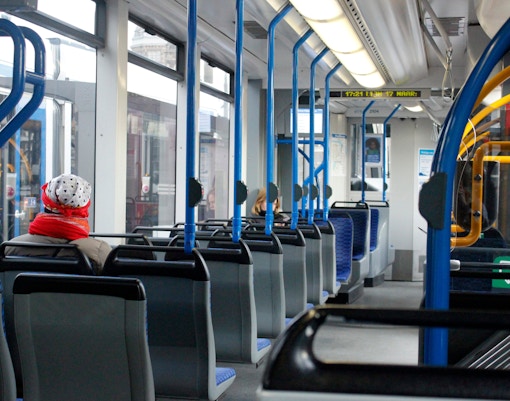
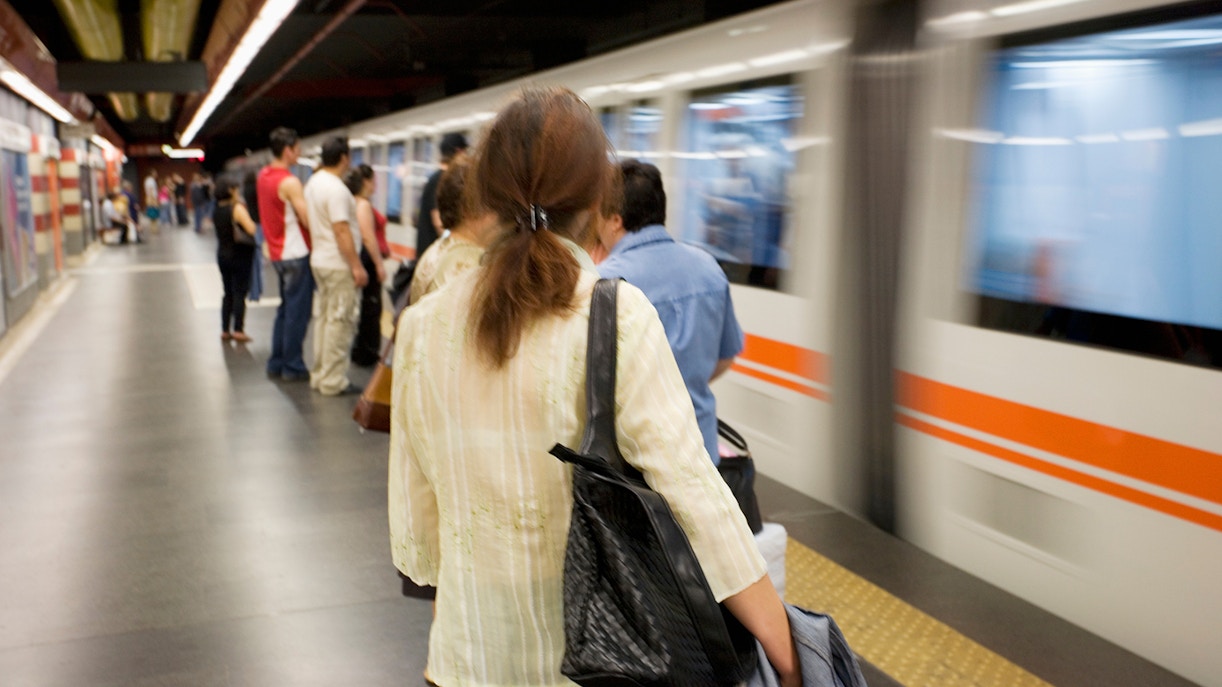
Navigating metros in Amsterdam with the GVB Pass

Navigating the city with the metro in Amsterdam

While the iconic trams handle the narrow streets of the historic centre, the metro in Amsterdam is the high-speed backbone of the city's transit system. Consisting of five efficient lines, the metro connects the bustling Central Station to the modern business districts, residential hubs, and major event venues. Using the metro in Amsterdam is the fastest way to travel long distances, allowing you to skip street-level traffic and cross from the far North to the deep South in just 15 minutes.

Why choose a GVB pass for the metro in Amsterdam?

Massive savings over single tickets
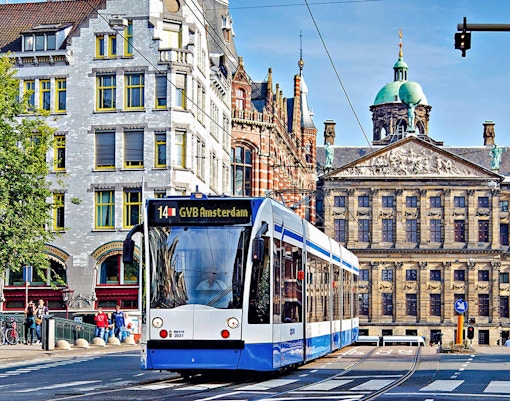
A single 1-hour GVB ticket costs €3.40. If you use the metro in Amsterdam just three times a day, a 24-hour GVB pass (€9.50) already saves you money. For longer stays, a 7-day pass reduces your cost to about €6 per day, which is cheaper than a single round-trip at standard rates.

Unlimited transfers across all GVB modes

The metro often requires a tram or bus to reach your final doorstep. Your GVB Pass allows you to switch between the metro in Amsterdam, trams, and buses as many times as you like. You won’t be charged extra for transfers, unlike the "pay-as-you-go" systems that charge a new base fee if you wait too long between vehicles.

Avoid "hidden" balance fees

Standard Dutch transit cards (OV-chipkaarts) require a minimum balance of €4 to even enter a metro station. With a GVB Pass, you never have to monitor a balance or worry about being blocked at the gate because you’re a few cents short.

Seamless 24-hour validity

Your GVB ticket is valid for consecutive hours, not calendar days. If you first use the metro in Amsterdam at 6pm, your 24-hour pass works until 6pm the next day. This covers your evening out and your entire next morning of sightseeing.

All-night travel included

While the metro in Amsterdam stops at midnight, your pass doesn't. It remains fully valid on all GVB night buses. This makes the GVB Pass a 24-hour safety net for getting back to your hotel regardless of the hour.

The metro in Amsterdam features five lines (50, 51, 52, 53, and 54) that serve different visitor needs:

  • Route 52 (North-South Line): This is the most famous line for tourists. It connects Amsterdam North to the South via Central Station, Rokin (near Dam Square), and Europaplein (near the RAI Convention Centre).
  • Route 54 (Gein Line): Essential for sports and music fans, this line takes you from Central Station directly to the Johan Cruijff Arena and Ziggo Dome (via Bijlmer Arena station).
  • Route 51 (Centraal - Isolatorweg): This "ring" line is perfect for reaching the business districts and the outskirts of the city, providing a wide loop around the residential areas.
  • Route 53 (Gaasperplas Line): Use this line to explore the green, residential eastern suburbs of Amsterdam for a more local experience.

Operating hours

  • Operating hours: Most metro lines start at 6am on weekdays and slightly later at 7am on weekends.
  • Closing times: The final trains depart around 12:30am. If you stay out later, your GVB Pass is also valid on the night bus network.
  • Frequency: During peak times, the metro in Amsterdam runs every 4–8 minutes. During evenings and weekends, frequency drops to every 10–15 minutes.

How to use a GVB Pass on the metro in Amsterdam

Step 1: Purchase and redeem

  • Buy online: Secure your GVB tickets to receive a mobile barcode.
  • Redeem: If you have a digital voucher, you can scan the barcode directly at the gates or swap it for a physical chip card at a GVB Service & Tickets office at Central Station or Station Zuid.

Step 2: Activation and gates

  • Check-in: At the metro entrance, hold your GVB Pass or phone screen against the yellow reader on the right side of the gate. The transparent doors will slide open once the pass is activated.
  • Check-out: You must scan your GVB ticket again to exit the station. This is mandatory to open the gates and ensure your pass remains valid for the next trip.

Tips for using the metro in Amsterdam

  • Follow the arrows: Most metro stations have clear signage in English and Dutch. Look for 'Uitgang' to find the exit.
  • Mind the gap: While platforms are modern, always be careful when stepping onto or off the train.
  • Stay right on escalators: Like many European cities, the convention is to stand on the right and walk on the left of the escalators.
  • Check the destination: Some platforms serve multiple lines. Check the digital overhead signs to ensure you are boarding the correct train (e.g., Line 54 instead of 53).
  • Use the GVB app: It provides real-time "walking time to platform" and live departure data for every metro in Amsterdam.

Frequently asked questions about metros in Amsterdam

Is the North-South Line (52) included in the GVB Amsterdam Pass?

Yes! The 52 is the fastest metro in Amsterdam and is fully covered by your GVB Pass. It is the best way to get from Central Station to the Heineken Experience (Vijzelgracht stop) in under 5 minutes.

Do the metro gates accept digital GVB tickets?

Absolutely. Most gates for the metro in Amsterdam are equipped with glass scanners. Simply hold your phone with the barcode facing up (or down, depending on the scanner type) to open the barrier. Ensure your screen brightness is at 100% for the fastest read.

Are the metro stations accessible?

Yes, every station on the metro in Amsterdam is equipped with elevators and braille on the ticket machines, making it the most accessible way to travel with strollers or wheelchairs.

What is the "GVB Max" daily cap for the metro in Amsterdam?

If you use a contactless debit card (OVpay) instead of a GVB Pass, GVB automatically caps your daily spending at €10.00 for their services. However, a pre-purchased 24-hour GVB Pass is still cheaper at €9.50 and offers the peace of mind of a pre-paid ticket.

Can I use my GVB Pass on the metro to reach the Johan Cruijff ArenA?

Yes! Take Metro 54 from Central Station to the 'Bijlmer ArenA' stop. This is the primary route for football matches and concerts. Your GVB Pass covers this entire journey, saving you from the long queues at ticket machines after a big event.

What happens if a metro station elevator is broken?

The metro in Amsterdam is highly accessible, but maintenance does happen. You can check the GVB app or website for "lift and escalator disruptions" in real-time. This is essential for travellers using wheelchairs or heavy strollers to avoid being stuck at a specific platform.

Can I use my GVB Pass for the "Sprinter" or "Intercity" trains?

No. The metro in Amsterdam is different from the NS trains. Your GVB Pass is not valid on trains, even if they stop at the same station. Always look for the M (Metro) signs rather than the NS logo.