Plan your visit to H’art Museum
H’art Museum is a three-in-one museum complex on the Amstel, best known for pairing rotating international art shows with Amsterdam city history and outsider art inside one 17th-century building. The visit feels bigger than people expect because three museums share one layout, and the key to a smoother visit is deciding where to start before you enter. This guide covers timing, tickets, entrances, and the route that helps you avoid backtracking.
Quick overview: H’art Museum at a glance
If you want one museum stop that gives you art, Amsterdam history, and a quieter courtyard break in the middle, this is the one to plan properly.
- When to visit: Daily from 10am. Right after opening on Tuesday–Thursday is noticeably calmer than weekend afternoons, because three museums share the same circulation spaces and the building feels fuller faster than its size suggests.
- Getting in: From €17.50 for single-museum entry. Private guided tours start at €125 plus admission, and booking ahead matters most for headline temporary exhibitions, spring to summer dates, and weekend slots.
- How long to allow: 2–3 hours for most visitors. It stretches closer to 3 hours if you do all three museums, stop for coffee, and listen to the included audioguides in the Amsterdam Museum and Museum of the Mind sections.
- What most people miss: The courtyard garden and the Museum of the Mind are the two sections visitors most often skip, even though both make the overall visit feel far less rushed and far more varied.
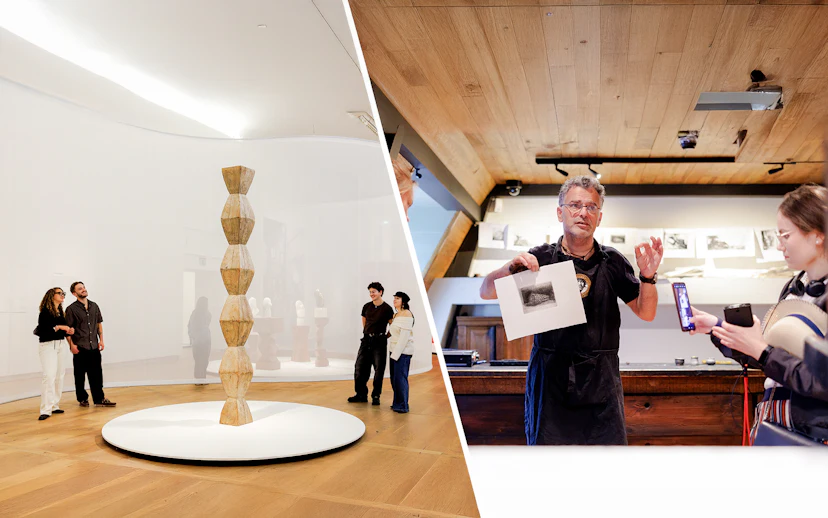
- Is a guide worth it? Yes, if you want context across all three museums or are visiting during a complex temporary show; for a shorter visit, good wall texts and included audioguides usually do enough for less.
🎟️ Timed slots for H’art Museum’s headline exhibitions can fill several days ahead during spring, summer, and weekend afternoons. Lock in your visit before the time you want is gone. See ticket options!
Jump to what you need
🕒 Where and when to go
🗓️ How much time do you need?
🎟️ Which ticket is right for you?
🗺️ Getting around
♿ Facilities and accessibility
Where and when to go
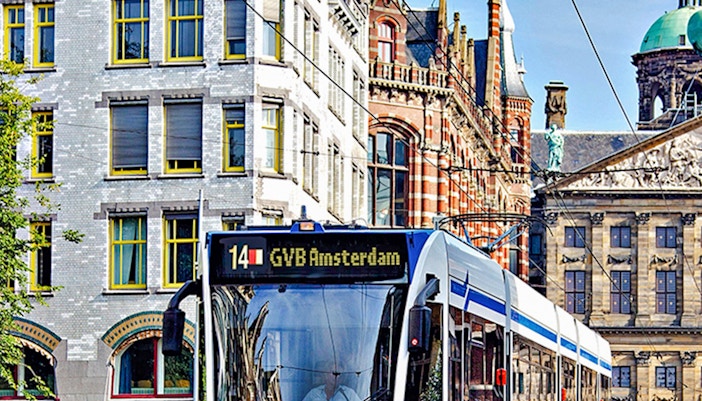
How do you get to H’art Museum?
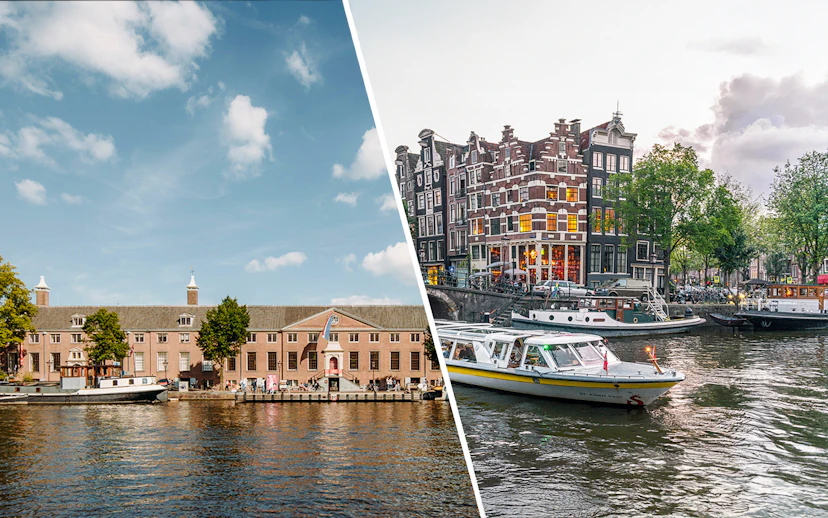
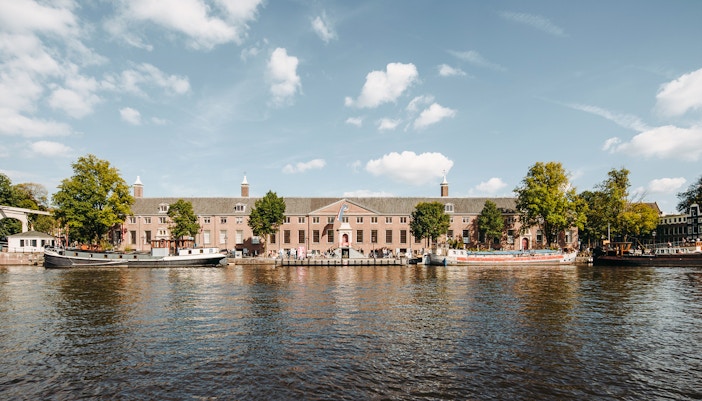
H’art Museum sits on the east bank of the Amstel, a short walk from Waterlooplein in central Amsterdam and easy to reach without a taxi.
Amstel 51, Amsterdam, Netherlands
→ Open in Google Maps
- Tram: Waterlooplein stop → 3-min walk → Tram 14 is the most direct option from Amsterdam Centraal.
- Metro: Waterlooplein station → 3-min walk → Use the Hortusplantsoen exit for the shortest approach.
- Bike: Bike parking nearby → 1–3 min walk → This is one of the easiest museum arrivals if you’re already moving around Amsterdam by bike.
- Taxi / rideshare: Drop-off at Amstel 51 → 1-min walk → Best if you want the main entrance with the least guesswork.
Which entrance should you use?
There is one main public entrance at Amstel 51, but what catches people out is the internal layout — three museums share the building, so decide your first stop before you pass the front desk.
- Main entrance: Located at Amstel 51. Best for all ticket holders and pass holders. Expect 10–20 min waits on weekend afternoons and during major temporary exhibitions.
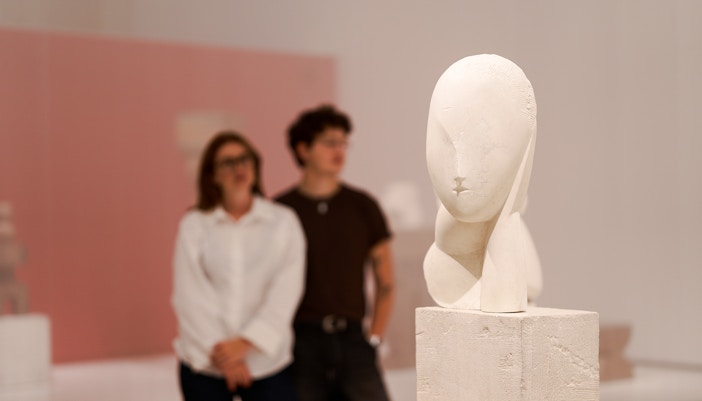
When is H’art Museum open?
- Daily: From 10am
- Temporary exhibitions and events: Some sections and evening programs run on their own schedules
- Last entry: The final timed slot is usually close to closing; confirm it when you book
- When is it busiest: Weekend afternoons, school-holiday dates, and blockbuster exhibition periods feel busiest, especially from 1pm to 3pm when timed-entry arrivals overlap.
- When should you actually go: Go right at opening on a weekday if you want quieter galleries, easier wayfinding, and the courtyard before lunch traffic builds.
How much time do you need?
| Visit type | Route | Duration | Walking distance | What you get |
|---|---|---|---|---|
Highlights only | Main H’art exhibition → exit | 1–1.5 hrs | 1 km | You focus on the headline temporary show, but skip the city-history and outsider-art sections that make the complex feel more complete. |
Balanced visit | Main H’art exhibition → Amsterdam Museum aan de Amstel → courtyard | 2–2.5 hrs | 1.5 km | You get the main exhibition plus Amsterdam context and a quieter courtyard pause, but still miss the Museum of the Mind. |
Full exploration | Main H’art exhibition → Amsterdam Museum aan de Amstel → Museum of the Mind → courtyard and café | 3+ hrs | 2 km | You cover all three museums properly, with time for audioguides and a break, but the visit feels rushed if you arrive late or keep doubling back. |
How do you get around H’art Museum?
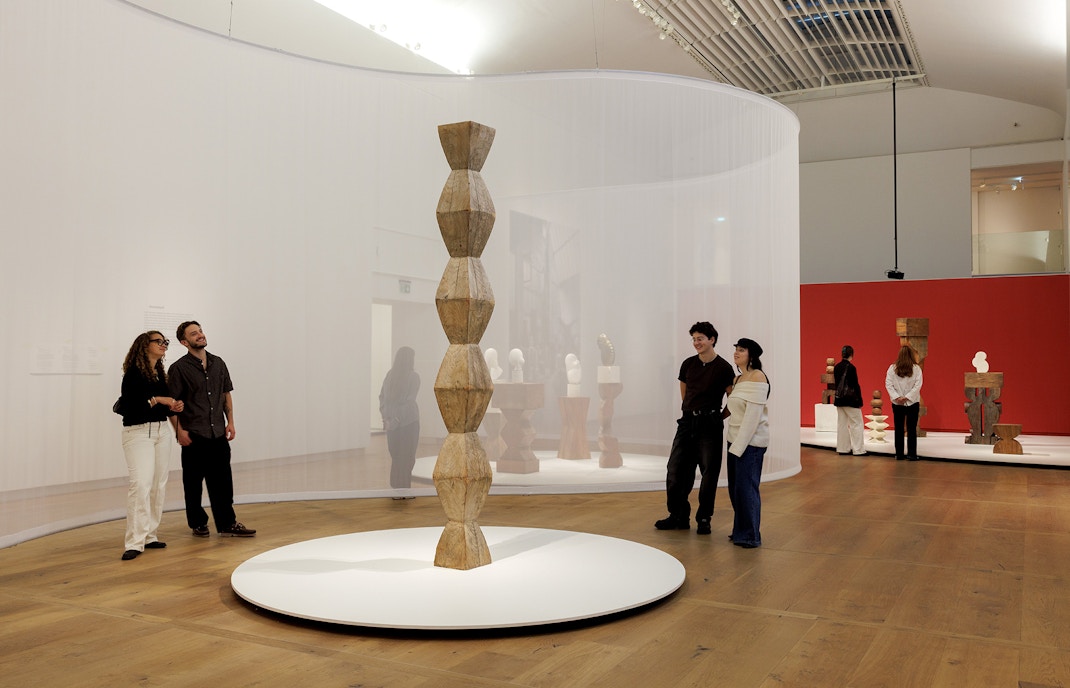
Layout and suggested route
H’art Museum is spread across one historic building that houses three distinct museum experiences, so it feels more like a cluster of connected wings than one linear gallery. That makes it easy to see a lot, but also easy to miss an entire section if you drift without a plan.
- H’art Museum galleries: Rotating international temporary exhibitions in the main halls → budget 45–75 min.
- Amsterdam Museum aan de Amstel: Amsterdam-focused history and city-story displays → budget 30–45 min.
- Museum of the Mind: Outsider art and mental-health themed exhibitions → budget 20–40 min.
- Courtyard and Grand Café: Rest stop between sections rather than a final add-on → budget 20–30 min if you pause here.
Suggested route: Start with the main H’art exhibition while you’re freshest, move next to the Amsterdam Museum, then finish in the Museum of the Mind and courtyard; most visitors do the café too late, when they’re already tired and less willing to continue.

Maps and navigation tools
- Map: On-site orientation is the safest bet here → it helps you split the three museums clearly → pick it up as soon as you enter.
- Signage: Good once you know which museum you’re heading to, but the shared building setup still makes a printed or front-desk route recommendation worth it.
- Audio guide / app: Dutch and English audioguides are included in the Amsterdam Museum and Museum of the Mind → use them if you want structure without booking a guide.
💡 Pro tip: Ask at the desk which museum section is busiest that morning, then do that one first — it saves more backtracking here than following a fixed ‘best route’ from memory.
Where are the masterpieces inside H’art Museum?
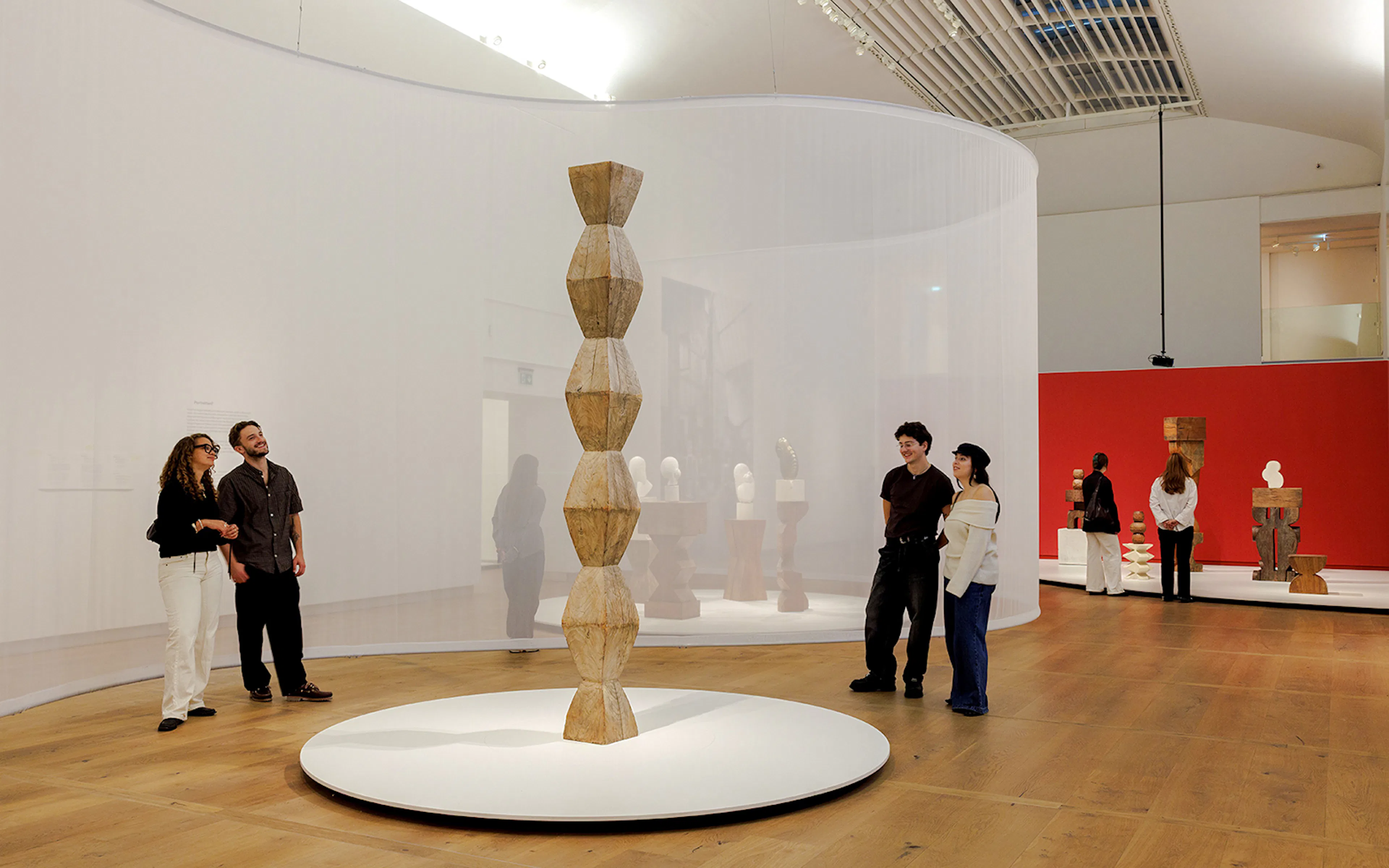
Rotating H’art exhibition halls
Exhibition type: International temporary shows
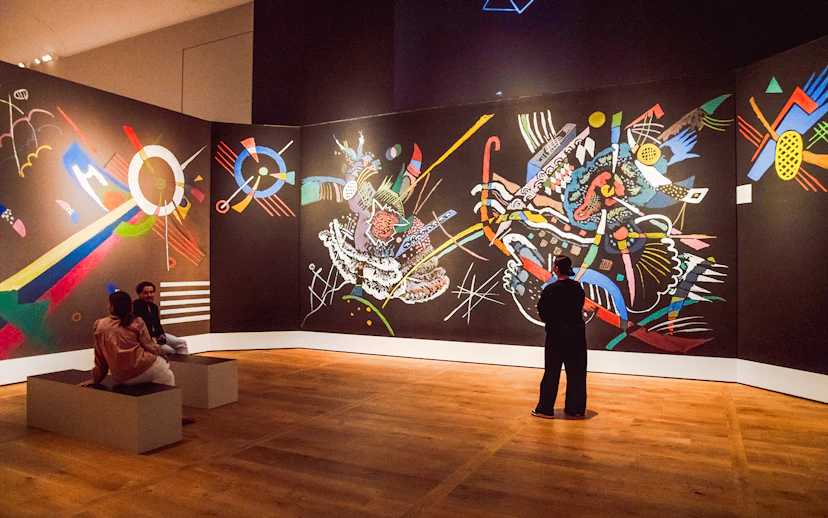
This is the reason many people book in the first place: H’art Museum’s main halls host the big-name international loans and headline exhibitions that change throughout the year. What most visitors rush past is the installation design itself — these shows are usually staged to guide your pacing, so slow down in the opening rooms instead of treating them as a corridor.
Where to find it: Follow signs from the main entrance toward the current H’art Museum exhibition route.
Amsterdam Museum aan de Amstel
Collection focus: Amsterdam history and city storytelling
This section gives the visit more depth by grounding the art in the city around you. The easy-to-miss detail is that it’s not just a backup museum inside the building — it often adds the clearest narrative thread of the whole visit, especially if you want context instead of only temporary exhibition highlights.
Where to find it: Inside the same Amstelhof complex, signed separately from the main H’art galleries.
Museum of the Mind
Collection type: Outsider art and mental-health themed exhibitions
This is the quietest and most distinctive part of the complex, and it’s also the section visitors skip most often when time gets tight. Don’t treat it as an optional extra — the shift in tone, scale, and subject matter is exactly what makes the overall museum day feel richer rather than repetitive.
Where to find it: In the shared building, accessed through the Museum of the Mind section of the complex.
The Amstelhof courtyard
Architecture: 17th-century courtyard garden
The courtyard is more than a break spot. It changes the rhythm of the visit by giving you space, light, and silence between galleries in a building that can otherwise feel denser than expected. Most people discover it only when they stop for coffee, but it’s worth stepping into even if you don’t plan a full café break.
Where to find it: In the center of the complex, reached from the internal circulation routes near the café.
Grand hallways and historic interiors
Era: 1683 Amstelhof architecture
The building itself is part of the experience, with long corridors, high ceilings, and a sense of scale you don’t get in a standard white-box museum. Visitors often move through these spaces too quickly on the way to the headline show, but the architecture is what makes the three-museum concept feel coherent instead of stitched together.
Where to find it: Throughout the main circulation spaces between the entrance, galleries, and courtyard.
Facilities and accessibility
- 🍽️ Grand Café: The on-site café serves coffee, lunch, and lighter Dutch-style options, and it works best as a mid-visit stop rather than something you save until the end.
- 🪑 Seating / rest areas: The courtyard and café are the easiest places to sit down and reset between museum sections.
- 🎧 Audio guides: Dutch and English audioguides are included in the Amsterdam Museum and Museum of the Mind sections.
- 🚲 Bike parking: There is nearby bike parking, which makes this one of the easier central Amsterdam museums to reach by bicycle.
- ♿ Mobility: The complex is set up for accessible visiting and is easy to reach by tram and metro, but the shared route through three museums can feel less intuitive than a single-gallery museum.
- 👁️ Visual impairments: The included Dutch and English audioguides in the Amsterdam Museum and Museum of the Mind help if you prefer listening to written interpretation.
- 🧠 Cognitive and sensory needs: Weekday mornings are the least overwhelming window, because circulation spaces and gallery transitions stay noticeably calmer before lunch.
- 👨👩👧 Families and strollers: The visit works best if you pick 1–2 sections plus the courtyard rather than trying to cover every room in one push with children.
H’art Museum works best for school-age children who like visual variety, because the mix of art, city history, and outsider art keeps the visit from feeling too samey.
- 🕐 Time: 1.5–2 hours is the most realistic family pace if you want one main exhibition, one secondary section, and a courtyard break.
- 🏠 Facilities: The Grand Café and central courtyard make it easier to pause without leaving the building entirely.
- 💡 Engagement: Start with the most visual section — either the main temporary show or the Museum of the Mind — before attention drops in text-heavier rooms.
- 🎒 Logistics: A light day bag and an early slot work best, because weekend afternoons feel busier in shared hallways and transitions.
- 📍 After your visit: An Amstel canal cruise or a trip to NEMO Science Museum makes the day easier for children than adding another dense museum.
Rules and restrictions

What you need to know before you go
- Entry requirement: Timed admission is the norm for headline exhibitions, and weekend afternoon slots are the first to fill.
- Booking method: Online booking is the easiest option, though some tickets are also sold at the door if space remains.
- ID: Bring proof of age, student status, or pass eligibility if you’re using discounted or pass-based admission.
- Bag policy: A small day bag is the easiest option in a shared multi-gallery building where you’ll be moving between sections.
- Re-entry policy: Build your café stop into the visit rather than leaving it too late, because the smoother plan here is one continuous route through the complex.

Not allowed
- 🚫 Food and drink: Keep food and drinks for the Grand Café and courtyard rather than the exhibition rooms.
- 🖐️ Touching exhibits: Don’t touch artworks or historic interiors unless a clearly marked interactive display says you can.

Photography
- Photography is usually easiest to handle room by room rather than assuming one rule covers the whole complex.
- Personal photos are the least risky approach, but temporary exhibitions can set tighter restrictions than the shared public spaces.
- Flash, tripods, and selfie sticks are best assumed off-limits unless a specific gallery says otherwise, so check signage before you shoot.

Good to know
- Wayfinding: The biggest surprise is that three museums share one historic building, so decide your first stop before you start wandering.
- Sections: Not every part runs the same daily program, so confirm the exhibition or event you care about before you build the day around it.
Practical tips
- Booking and arrival: Book at least 3–7 days ahead for weekend afternoons or major temporary shows; on quieter weekdays you can be more flexible, but late arrivals are most likely to lose the pace you planned for.
- Pacing: Do the headline H’art exhibition first, then the Amsterdam Museum, then the Museum of the Mind — it keeps the visit from feeling front-loaded and stops you skipping the quieter final section.
- Crowd management: The best slot is usually right at 10am on a weekday, because the building’s shared hallways feel calm then and navigation is much easier before lunch.
- What to bring or leave behind: Bring headphones only if you prefer your own setup later in the day, but otherwise travel light — a small bag makes moving between three museum sections noticeably less annoying.
- Food and drink: Plan your café break halfway through, not after everything, because the Grand Café and courtyard work best as a reset between museums rather than a reward once you’re already tired.
- Route planning: If you only have 90 min, pick one paid focus — the H’art temporary exhibition, Amsterdam Museum, or Museum of the Mind — instead of trying to force all three into a rushed loop.
What else is worth visiting nearby?
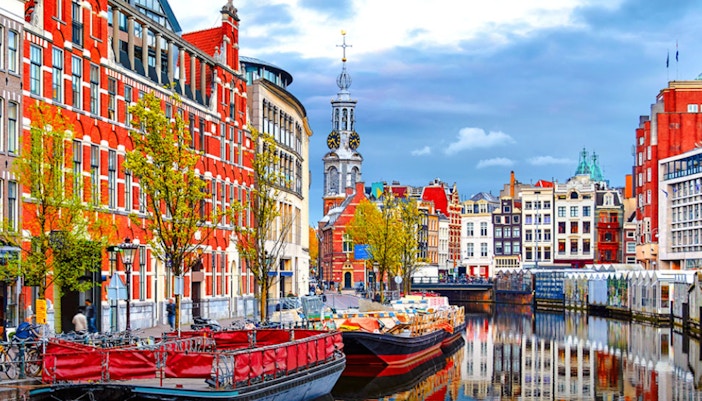
Commonly paired: Amstel canal cruise
Distance: Nearby dock — about 5–8 min walk
Why people combine them: The museum sits right on the river, so a canal cruise adds outdoor breathing room after a dense indoor visit and makes the day feel less museum-heavy.

Commonly paired: Anne Frank House
Distance: About 2.5km — roughly 15 min by canal boat or 25–30 min by foot and transit
Why people combine them: It pairs well if you want one art-led stop and one deeply reflective history stop in the same Amsterdam day.

Also nearby
NEMO Science Museum
- Distance: About 20 min by public transit
- Worth knowing: This is the easiest nearby add-on if you’re visiting H’art Museum with children and want the rest of the day to feel more hands-on.
Waterlooplein
- Distance: About 3–5 min walk
- Worth knowing: It’s the closest area to grab a quick sense of local street life before or after your museum slot without adding another full attraction.
Eat, shop and stay near H’art Museum
- On-site: Grand Café H’art Museum serves coffee, lunch, and lighter Dutch-style dishes; it’s worth it for convenience because leaving the complex breaks the flow of a three-museum visit.
- Waterlooplein cafés: 5-min walk, Waterlooplein; best for a quick coffee or casual bite before your slot if you don’t want to spend museum time on lunch.
- Rembrandtplein restaurants: 12-min walk, Rembrandtplein; better if you want a full sit-down meal after the visit rather than a fast stop during it.
- Amstel-side terraces: 5–10 min walk, along the Amstel; a good option for a drink or lighter snack when the courtyard café is busy.
- 💡 Pro tip: Eat after the first museum section, not before entry — the courtyard break lands better once you’ve already done the busiest galleries.
- Waterlooplein Flea Market: Vintage finds, books, and Amsterdam oddities are all close by, which makes this the simplest nearby shopping stop after your visit.
Yes, if you want a quieter canal-side base with easy tram and metro access without being right in Amsterdam’s busiest tourist core. The area around H’art Museum feels central enough for a short stay, but it’s better for museum-heavy days than for nightlife-first trips.
- Price point: Mid-range to upper-mid-range, with the main savings coming from staying slightly off the busiest central hotel clusters.
- Best for: Short trips where you want walkable museum access, straightforward transit, and calmer evenings.
- Consider instead: Stay closer to Amsterdam Centraal for rail convenience, or around De Pijp if you want more restaurant density and a livelier local feel after museum hours.
Frequently asked questions about visiting H’art Museum
Most visits take 2–3 hours. That gives you enough time for the main H’art exhibition, the Amsterdam Museum section, and the Museum of the Mind, with a short courtyard or café break in between. If you only want the headline temporary show, 1–1.5 hours is often enough.
Yes, it’s smart to book in advance if you want a weekend afternoon slot or a major temporary exhibition. Timed admission is common here, and the most popular slots fill first. Weekday mornings are the easiest time to stay flexible.
Not always, because your timed slot matters more here than a pure queue-jump product. If you book an early weekday slot, entry is usually straightforward. Extra queue-cutting value is highest only when a blockbuster exhibition is running and weekend arrivals stack up.
Arrive 10–15 min early. That gives you enough time to orient yourself in a building shared by three museums without turning a short queue into a rushed start. Coming much earlier usually matters less than choosing the right slot in the first place.
Yes, but a small bag is the easiest choice. H’art Museum works best when you can move easily between three sections without feeling weighed down. If you’re planning a longer city day, pack light and keep anything bulky to a minimum.
Usually yes for personal use, but rules can change by exhibition and room. Temporary shows are the most likely place for tighter photography restrictions, so don’t assume one rule covers the whole building. Flash, tripods, and selfie sticks are best avoided unless signage clearly says otherwise.
Yes, and private guided tours are available by advance request. That’s especially useful here because the building combines three museums under one roof, so a guide helps a group stay together and follow a clear route instead of splitting across sections.
Yes, especially for families with school-age children who can handle a mixed museum visit. The variety helps: temporary art, city history, and outsider art all feel different, and the courtyard plus café make breaks easy. A family pace of 1.5–2 hours usually works better than trying to cover everything.
Yes, the museum is set up for accessible visiting and is easy to reach by tram and metro. The bigger challenge for some visitors is navigation rather than distance, because three museums share one building. If accessibility details matter to your route, contact the museum before the day of your visit.
Yes. The Grand Café inside the complex is the simplest option for coffee, lunch, or a mid-visit reset, and Waterlooplein plus the Amstel area give you more choices within a short walk. The on-site café is the easiest pick if you don’t want to interrupt the museum flow.
Audioguides are included in the Amsterdam Museum and Museum of the Mind sections in Dutch and English. That makes the all-in ticket better value if you want more structure without booking a guide. The main H’art exhibition experience depends more on the individual show.
Yes, some major Amsterdam passes and museum passes are accepted. I amsterdam City Card and Museumkaart access can cover entry, though special temporary exhibitions may still carry a surcharge for pass holders. Check the exact exhibition rules before you go.