Keukenhof Castle in the Netherlands | A must-visit gem

Built in 1641, Keukenhof Castle is a Golden Age manor located in Lisse. While the world flocks to the neighbouring spring park, this estate offers year-round history, art, hidden woodland trails, a petting zoo, and the innovative LAM Museum.

How to enter Keukenhof Castle?

The castle is located directly across from Keukenhof. While the Keukenhof Castle gardens and estate grounds are generally free to enter, the castle interior is only accessible via guided tours.

Access to the manor requires specific Keukenhof Castle tickets that offer entry to the interior. Please note that a ticket for the seasonal spring flower park does not automatically include a guided tour of the castle rooms.

Keukenhof Castle in a nutshell

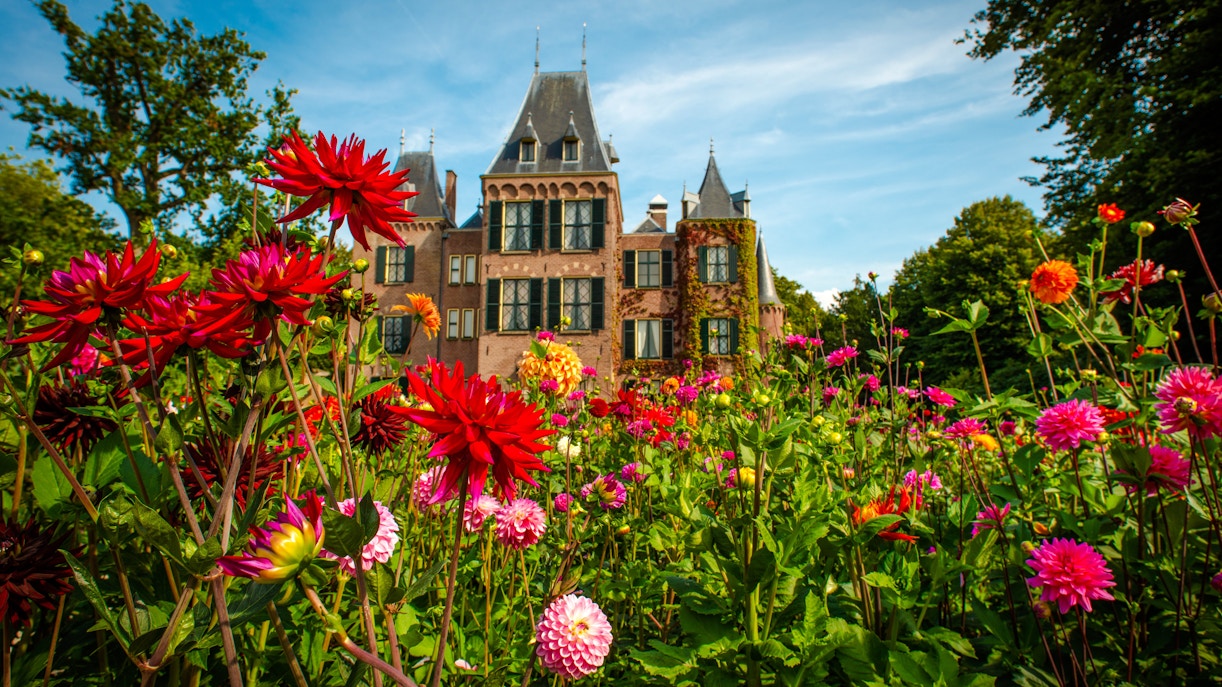
Dahlias in orange and red bloom in front of Keukenhof Castle on a sunny day.

Keukenhof Castle serves as the historical soul of the Bollenstreek region. Unlike the seasonal bulb park, this estate remains a peaceful retreat throughout the year, showcasing Dutch heritage beyond the tulips.

  • Must-see highlights: The 17th-century interior style, the ornate ‘Blue Room’ and the Great Hall inside the castle, the ‘Gnome Trail’ for children, and the 18 national monuments scattered across the Keukenhof Castle gardens.
  • Unique facts: The name ‘Keukenhof’ (Kitchen Garden) dates back to the 15th century, when the land provided herbs and game for Countess Jacoba van Beieren’s castle.

Things to know before booking Keukenhof Castle tickets

  • Exclusive access: Keukenhof Castle tickets are not included with Keukenhof tickets and must be bought separately. If you are visiting between March and May, we recommend visiting both the Castle and the gardens.
  • Restoration note: As of early 2026, the attic sections are under restoration; check your ticket details for specific room availability.
  • Timings: While the Keukenhof Castle gardens are open daily, the interior tour times are limited (usually Wednesdays and Thursdays).
  • Pet policy: Dogs are welcome in the Keukenhof Castle gardens on a leash, but are not permitted inside the Castle or the LAM Museum.

Exploring the Keukenhof Castle

The Great Hall

Admire the grand staircase and the collection of historical hunting trophies that nod to the estate's origins.

The Blue Room

A stunning drawing room featuring intricate woodwork and classical furniture.

The Castle Attic

Currently being restored to unveil the structural secrets of the 1641 build, providing a rare look at historical Dutch engineering.

The English Landscape Park

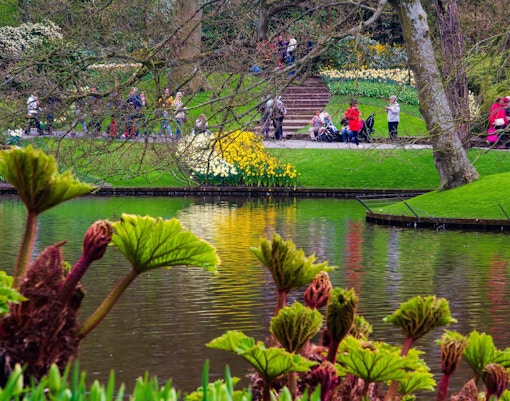
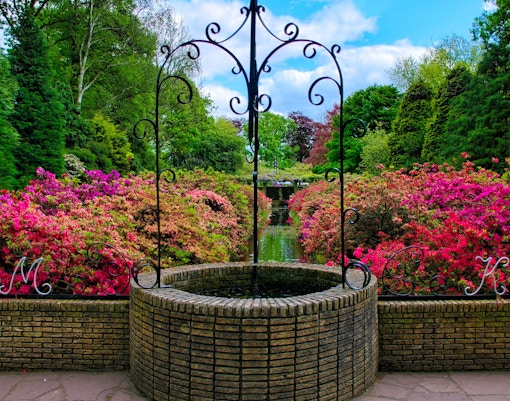
Redesigned in 1857 by the Zocher family, these gardens feature winding paths and serene water features.

The Sculpture Garden

Dotted throughout the Keukenhof Castle gardens are 18 protected monuments and rotating modern art installations.

The Dahlia Garden

If visiting in late summer, the Keukenhof Castle gardens explode with colour from over 150 varieties of dahlias.

The forest trails

Wander through ancient beach ridges and spot owls and woodpeckers along the way.

The Walled Garden

A secluded spot featuring traditional herbs and 17th-century tulip varieties.

The LAM Museum at Keukenhof Castle

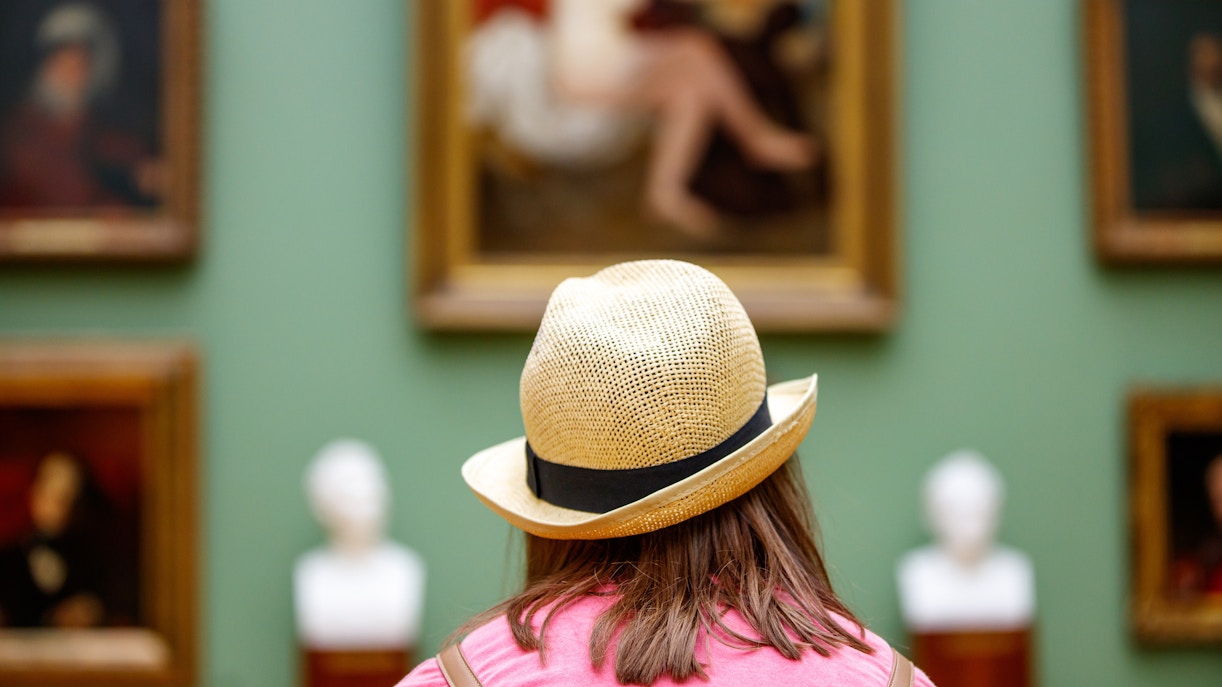
Girl in a hat viewing paintings in a museum gallery.

Located right within the Keukenhof Castle gardens, the LAM (Lisser Art Museum) is the world's leading food-art museum.

  • What to see: Over-sized sculptures of food, lifelike art installations, and digital displays exploring our relationship with eating and shopping.
  • The building: A masterpiece of modern architecture by Arie Korbee, the museum appears to float among the trees of the estate.
  • Viewing Coaches: Instead of traditional guards, ‘Viewing Coaches’ engage visitors in conversations about the art.

Historical significance of Keukenhof Castle

The estate's roots reach back to the 15th century as hunting grounds for Countess Jacoba van Beieren. The current Keukenhof Castle was built in 1641 by Adriaen Maertensz Block, a commander for the Dutch East India Company. Its evolution from a functional ‘kitchen dune’ to a noble manor mirrors the wealth and expansion of the Dutch Golden Age. In 1949, the estate's front gardens were chosen to host the first-ever open-air flower exhibition, giving birth to the modern Keukenhof phenomenon.

Architectural highlights of Keukenhof Castle

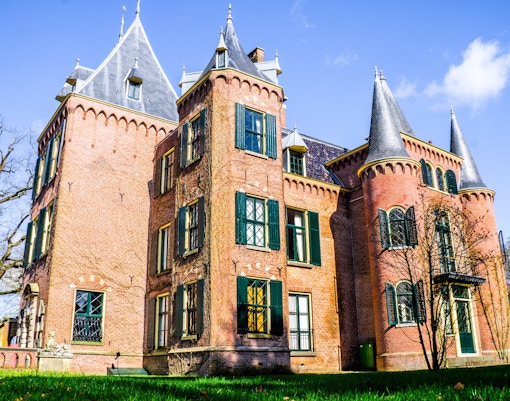
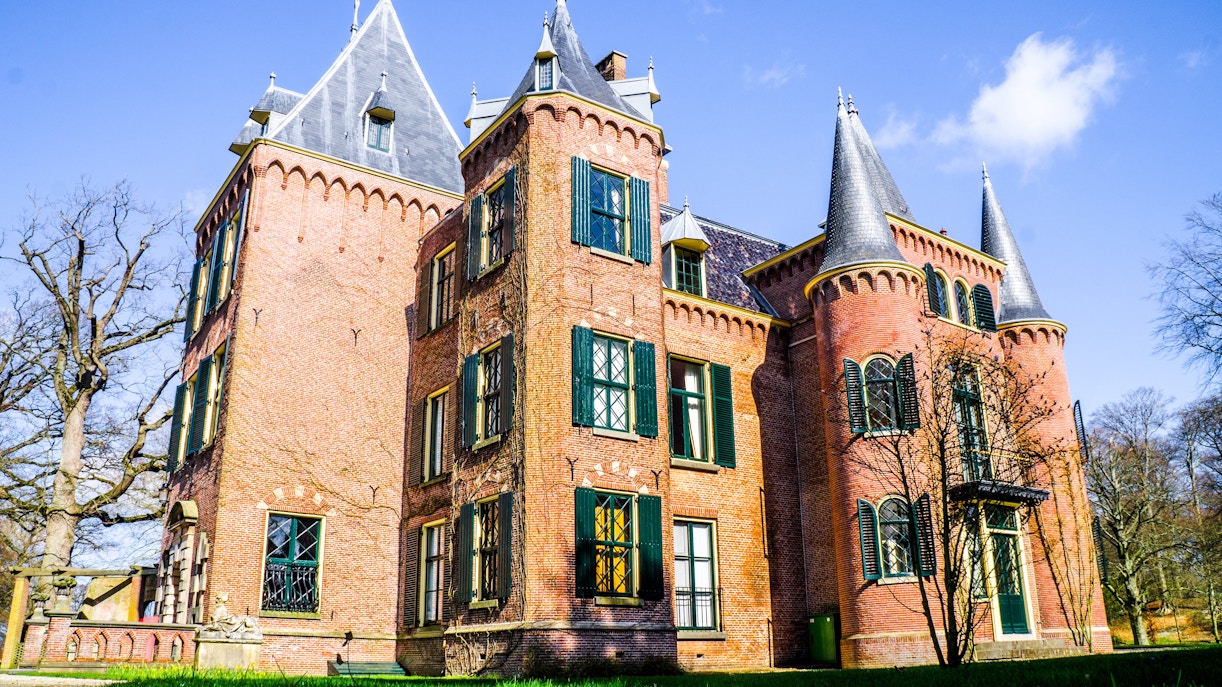
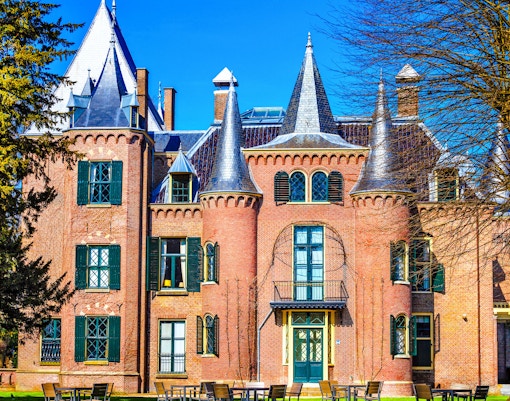
Keukenhof Castle exterior with brick facade and pointed towers in Lisse, Netherlands.
  • Dutch Classicism: The castle's exterior reflects the sober yet grand style of the 17th century, characterised by its symmetrical facade and brickwork.
  • Neo-Gothic towers: During 19th-century renovations, the castle was adorned with corner towers, giving it the ‘fairytale’ silhouette it possesses today.
  • The Coach House (Koetshuis): A beautifully preserved auxiliary building now used for cultural events and concerts.

Know before you go

  • Timings: The estate is open daily from 10am to 5pm.
  • Location: Keukenhof 1, 2161 AN Lisse.
  • Parking: Ample parking is available on-site. It is free for castle visitors outside of the peak Spring Flower Festival season.
  • Accessibility: The Keukenhof Castle gardens are wheelchair accessible, but the upper floors of the castle itself may have limited access due to historic staircases.

Keukenhof Castle events in 2026

The Keukenhof Castle gardens host several major cultural events that attract visitors from across Europe.

Buttonpop Tribute Festival (May 30, 2026)

A high-energy music festival in the castle grounds featuring Europe's best tribute acts.

Castlefest

The largest fantasy and medieval festival in the Netherlands, turning the Keukenhof Castle gardens into a realm of magic and knights.

Dahlia Festival (August–October 2026)

A late-summer explosion of colour where the Keukenhof Castle gardens are filled with thousands of dahlias.

Frequently asked questions about Keukenhof Castle

No. They are separate attractions on the same estate. The Castle is a year-round historic manor, while the gardens are a seasonal flower exhibition open only from March to May.