Quick Information

RECOMMENDED DURATION

2 hours

VISITORS PER YEAR

770000

EXPECTED WAIT TIME - STANDARD

1-2 hours (Peak), 30-60 mins (Off Peak)

EXPECTED WAIT TIME - SKIP THE LINE

30-60 mins (Peak), 0-30 mins (Off Peak)

Plan your visit

Did you know?

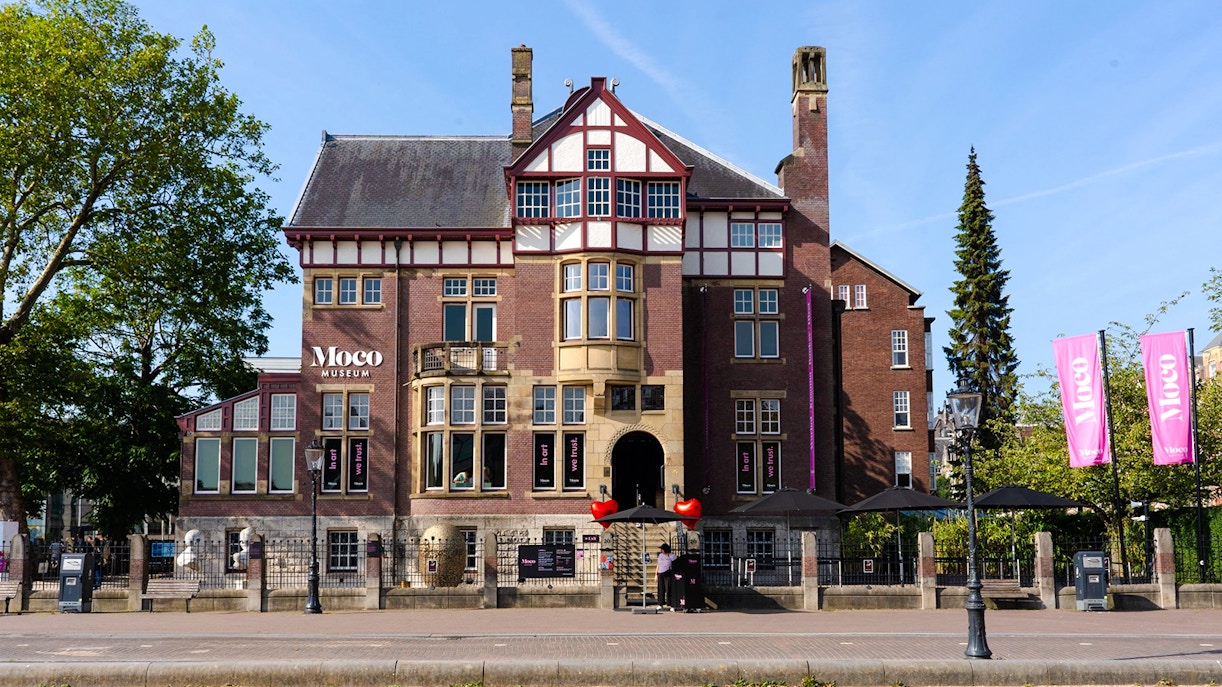
Villa Alsberg was one of the first family homes on Museumplein between 1904 and 1939. It was later converted into a priest's house, then a law office, and finally, a museum.

The Moco museum was designed by Eduard Cuypers, the nephew of Pierre Cuypers, who designed the Rijksmuseum and Amsterdam Central Station.

The Moco Museum has the world's first museum exhibition of Banksy's street artworks, including over 50 original pieces.

Why is Moco Museum a must-visit attraction?

Walk inside Moco Museum and you will immediately feel that this is not a traditional museum experience. Set inside a historic villa near Museumplein, Moco blends old architecture with bold, rebellious art in a way that feels fresh and unexpected.

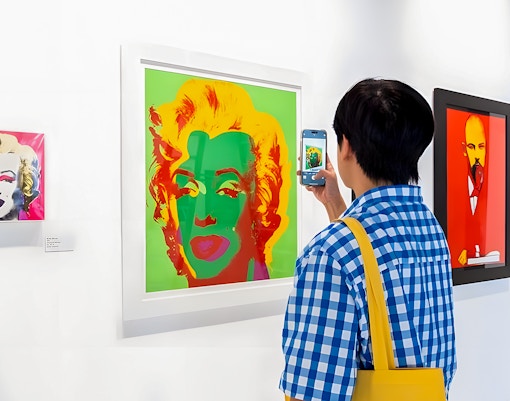
Here, you are not just walking past paintings on quiet white walls. You come face to face with powerful works by artists like Banksy and Andy Warhol, whose pieces challenge politics, fame, consumer culture, and modern life. The artworks are colourful, provocative, and often surprisingly playful.

What makes Moco special is its balance. It feels accessible whether you are an art expert or just curious. The galleries are intimate, spread across rooms and staircases that encourage exploration rather than rushing. Then there are the immersive digital installations, where mirrors, light, and colour surround you completely.

The museum is compact enough to enjoy in an hour, yet layered enough to reward a slower visit. If you want art that sparks conversation, challenges ideas, and looks incredible in photos, Moco delivers an experience that stays with you long after you leave.

What to see at Moco Museum?

Contemporary Masters
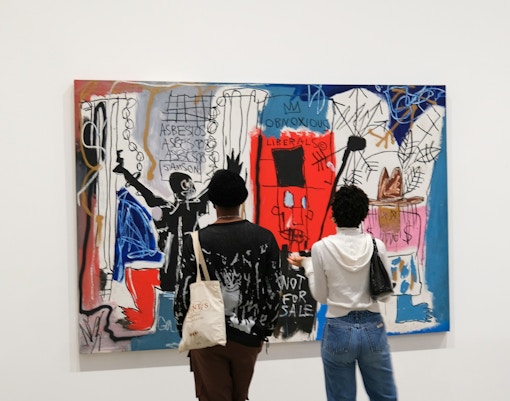
This gallery brings together bold works by Jean-Michel Basquiat, Jeff Koons, Damien Hirst, and Keith Haring. Expect striking colours, layered textures, and themes of identity, fame, and power that reflect modern culture in unapologetic, thought provoking ways.

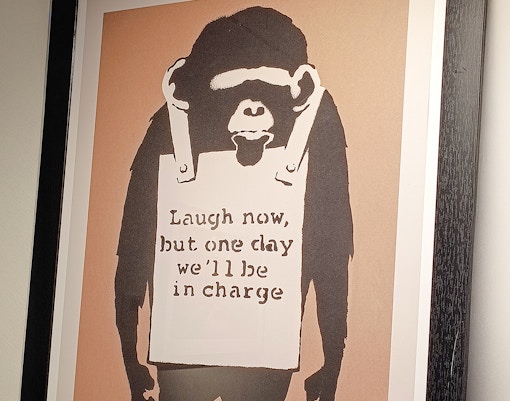
Laugh Now by Banksy

Here you’ll encounter original works by Banksy, including Girl with Balloon and Flower Thrower. The imagery feels simple at first, but the humour quickly reveals sharp political commentary that questions authority, consumerism, and everyday social systems.

Digital and Immersive Art by Studio Irma
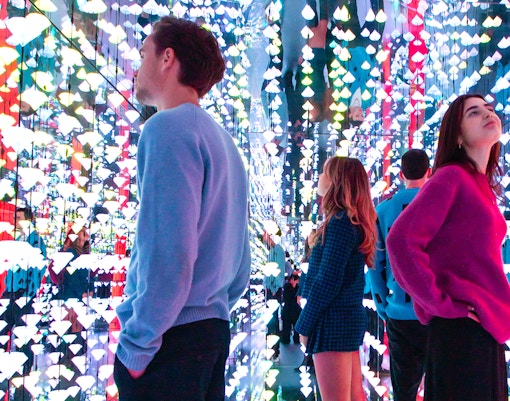
Step into rooms filled with mirrors, glowing lights, and shifting projections. These immersive installations respond to movement and atmosphere, turning art into a shared sensory experience where colour, reflection, and emotion surround you completely.

Modern Masters

This section features icons like Andy Warhol, Salvador Dalí, Pablo Picasso, and Jean-Michel Basquiat. Moving between pop art and surrealism, the works show how 20th century artists challenged convention and reshaped visual storytelling.

Pride and Self Prejudice by Robbie Williams

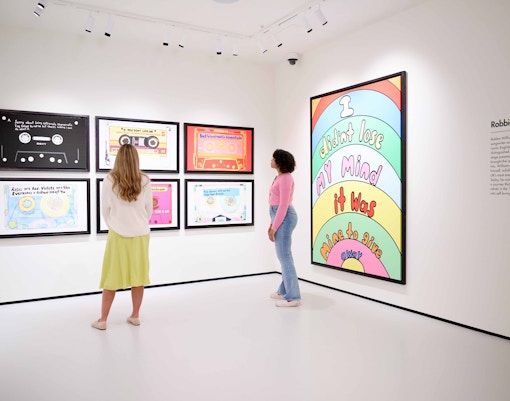
Robbie Williams presents expressive sculptures and text based works exploring fame, anxiety, and resilience. The exhibition feels personal and self aware, balancing humour with vulnerability while offering insight into identity beyond his music career.

The Symphony of Nature by Six N. Five

This digital exhibition creates calm through soft architectural landscapes and slow moving forms. Blending technology with natural inspiration, the works feel meditative and spacious, offering a quiet visual pause within the museum.

Dreams by Andrés Reisinger

Dreams immerses you in surreal digital spaces filled with pastel tones, floating furniture, and dreamlike architecture. These virtual environments focus on emotion and atmosphere, encouraging interpretation through feeling rather than structured narrative.

Planet Positive Disruption by Frankey

Frankey transforms street art into playful indoor installations focused on sustainability. Through clever sculptures and subtle visual jokes, the exhibition highlights environmental issues while keeping the tone accessible, curious, and engaging.

Brief history of Moco Museum 

  • Opened in 2016, Moco Museum Amsterdam is nestled in Villa Alsberg, a historic building dating back to 1904. 
  • Designed by Eduard Cuypers, this villa was once a private home before housing priests and later a law firm. 
  • Kim and Lionel Logchies founded the museum with the aim of making modern art accessible to everyone. 
  • With a focus on contemporary artists—both iconic and emerging—Moco showcases work that often goes unrecognized in more traditional art spaces. 
  • The museum's mission is simple: to make art available to all and turn cultural exclusivity on its head.

Who built the Moco Museum Amsterdam?

Founded in 2016 by Kim Logchies Prins and Lionel Logchies, owners of the Lionel Gallery, Moco Museum set out to make art more accessible and break from traditional exclusivity. Housed in Villa Alsberg, a stunning 1904 townhouse on Museumplein designed by Eduard Cuypers—nephew of the architect behind Amsterdam Central Station and the Rijksmuseum—it has served as a private home, a priest’s residence, and a law office.

Architecture of Moco Museum Amsterdam

Villa Alsberg, where the Moco Museum resides, is a stunning example of early 20th-century architecture. Designed by Eduard Cuypers in 1904, the villa features an English Country House style that stood out in its time. The building's renovation preserved key features like stained glass windows and wood carvings while adding modern conveniences like a climate control system. The interiors offer a striking blend of old-world charm and contemporary flair, perfect for showcasing cutting-edge art.

Frequently Asked Questions about Moco Museum Amsterdam

Moco Museum Amsterdam is known for bold modern and contemporary art, featuring iconic artists, immersive installations, and thought-provoking exhibitions in a historic villa.