Jean-Michel Basquiat at Moco Museum

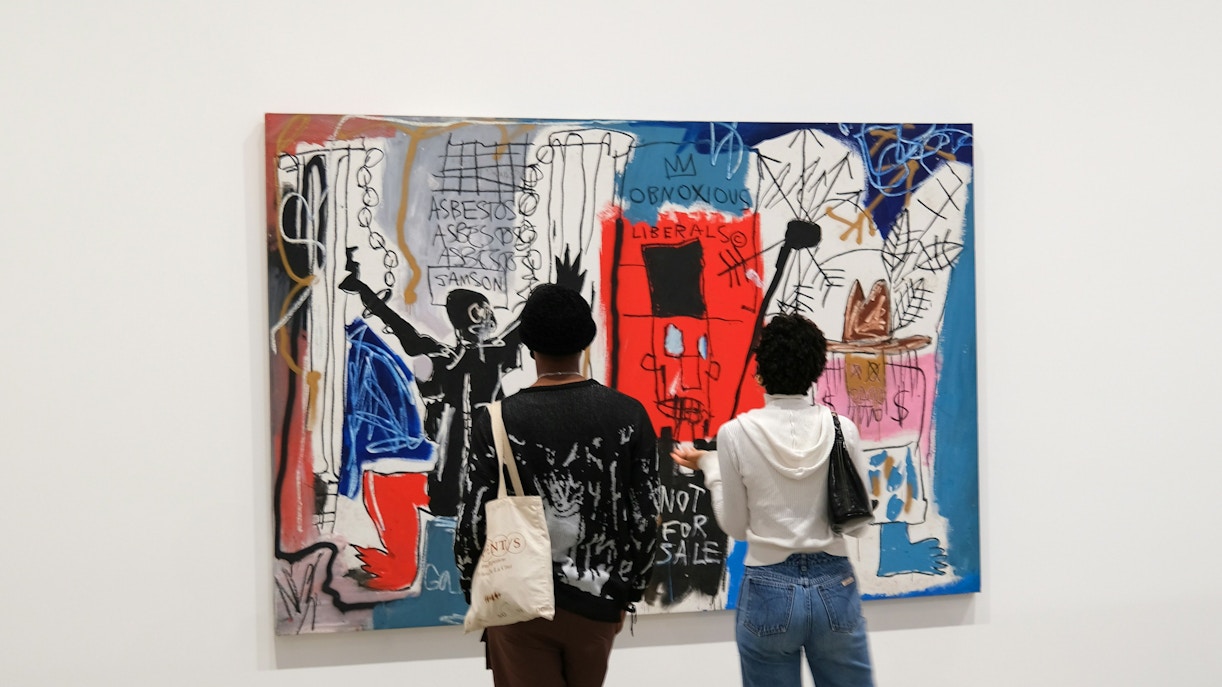
The Basquiat Moco Museum collection spotlights Jean Michel Basquiat, a trailblazer who moved from graffiti walls to major galleries in record time. His raw symbols, text, and social commentary remain strikingly relevant, making this gallery one of Amsterdam’s most compelling contemporary art highlights.

Tips for viewing Basquiat at Moco Museum Amsterdam

Start wide, then zoom in Take in the full canvas first. Notice where the eye lands naturally before reading any text.

✍️ Read the crossed out words Crossed text is not erased. Basquiat often strikes through to highlight meaning, not hide it.

👑 Track the crown Follow the three pointed crown across works. It often signals reverence, resistance, or reclaimed status.

🧠 Look for anatomy references Skulls, ribs, and exposed forms echo medical diagrams he studied as a child, turning bodies into cultural battlegrounds.

🎷 Feel the rhythm The brushwork moves like jazz, a nod to improvisation and syncopation that shaped his pacing and repetition.

🌅 Visit during quieter hours Morning or late afternoon slots allow time to read dense text without visual distractions.

Brief history of Basquiat Amsterdam

  • Early 1980s: Emerging from New York’s graffiti scene under the name SAMO, Basquiat moves rapidly from street walls to major galleries, shaking up the art establishment.
  • 1981–1983: His work appears in leading group shows, attracting collectors and critics intrigued by his fusion of text, anatomy, and cultural critique.
  • Mid 1980s: Collaborations with figures like Andy Warhol expand his visibility while intensifying scrutiny from the art market.
  • Legacy: Though his career was brief, Basquiat transformed how Black identity, history, and power structures were represented in contemporary art. The Basquiat Amsterdam gallery reflects that lasting impact.

Did you know?

  • Basquiat was born in Brooklyn in 1960 and spoke English, French, and Spanish fluently.
  • As a teenager, he tagged Manhattan with the name SAMO, short for “same old,” critiquing consumer culture.
  • He often referenced boxers, jazz musicians, and historical figures, elevating them with his signature crown.
  • Many anatomical drawings stem from a childhood accident that led him to study a medical textbook extensively.
  • His paintings mix oil stick, acrylic, spray paint, and pencil on raw canvas and found materials.
  • Basquiat became one of the youngest artists to achieve global recognition during the 1980s art boom.
  • Despite rapid fame, his works retained graffiti urgency and visible corrections.
  • Text in his paintings often functions like poetry, looping, repeating, and contradicting itself.
  • Collectors today regard his canvases as cornerstones of late twentieth century art.
  • His influence can be traced across street art, fashion, music, and contemporary painting.

Basquiat’s artistic style

Basquiat fused graffiti energy with painterly intensity. He layered oil stick, acrylic, and spray paint over raw canvas, allowing drips, corrections, and exposed underdrawings to remain visible. His compositions balance chaos and control. Crowns elevate overlooked figures. Skulls and bones reference anatomy and mortality. Words crowd the surface, sometimes crossed out, sometimes repeated, pushing viewers to read and reread. Beneath the bold color lies pointed commentary on race, capitalism, colonial history, and power. The result feels immediate, confrontational, and unmistakably his.

Where else to see Basquiat

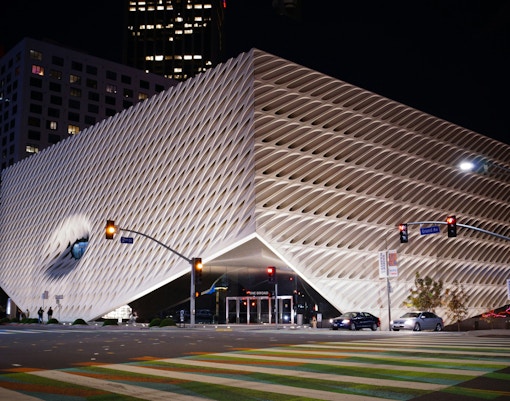
The Broad

Location: Los Angeles, California, United States

The Broad holds several major Basquiat works within its contemporary collection, often displayed near other influential 1980s artists, allowing visitors to see how his visual language reshaped American art history.

Museum of Modern Art

Location: New York City, New York, United States

The Museum of Modern Art includes Basquiat in its permanent holdings, presenting his paintings within a wider international modern art narrative that connects graffiti energy to institutional recognition.

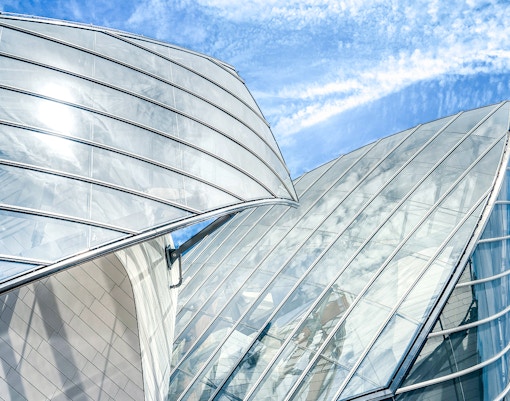
Fondation Louis Vuitton

Location: Paris, France

Fondation Louis Vuitton has hosted large scale Basquiat retrospectives, dedicating entire galleries to his layered canvases and tracing his rapid evolution from street rooted expression to global art icon.

The Brant Foundation

Location: New York, United States

The Brant Foundation has organized focused Basquiat exhibitions featuring rarely displayed works and archival materials, offering deeper insight into his process, influences, and the intensity of his short career.

Frequently asked questions about Jean-Michel Basquiat

Yes, access to the basquiat moco museum gallery is included with a standard ticket to Moco Museum Amsterdam. No separate upgrade or reservation is required.