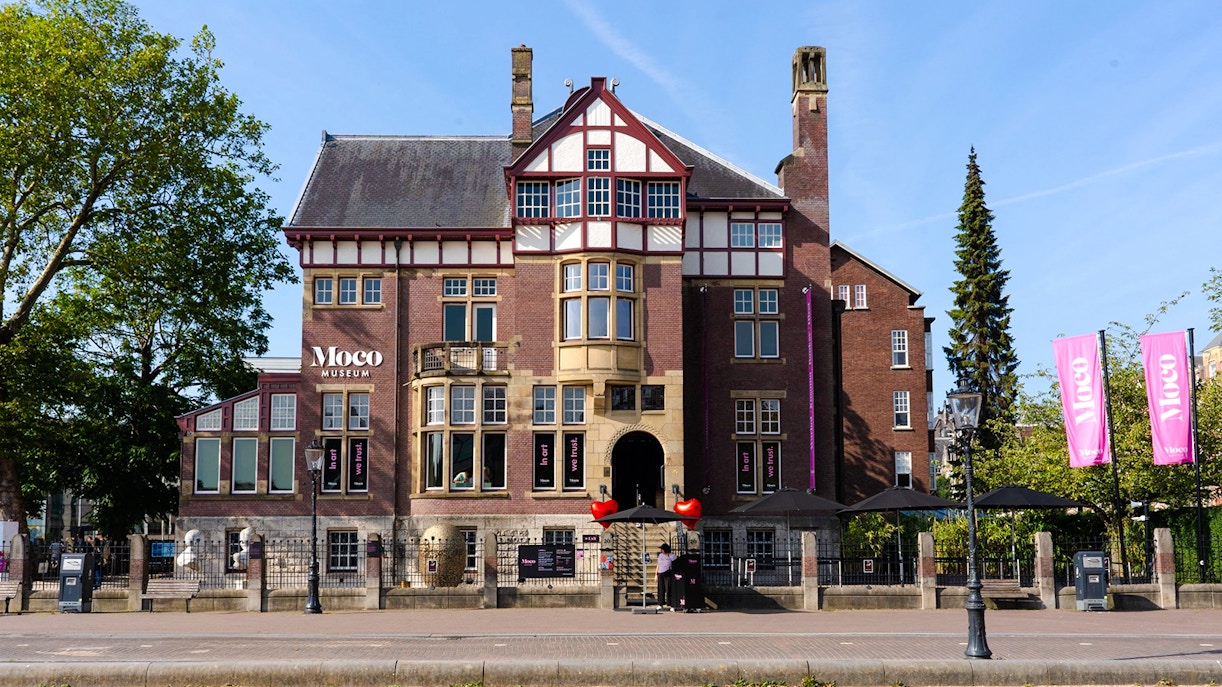
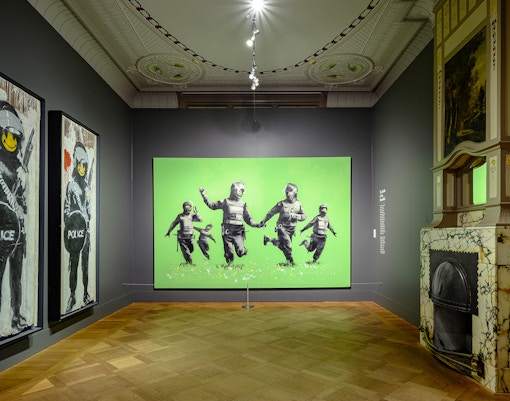
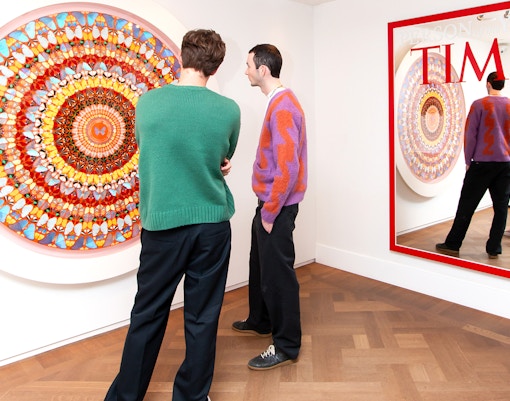
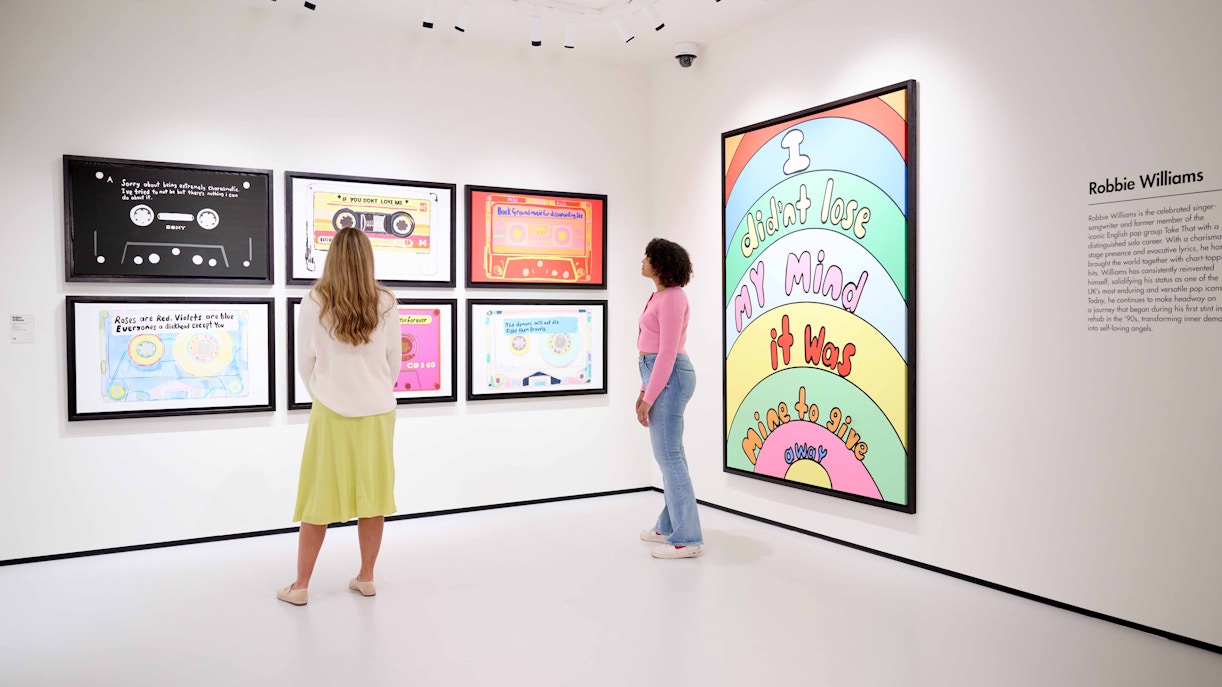
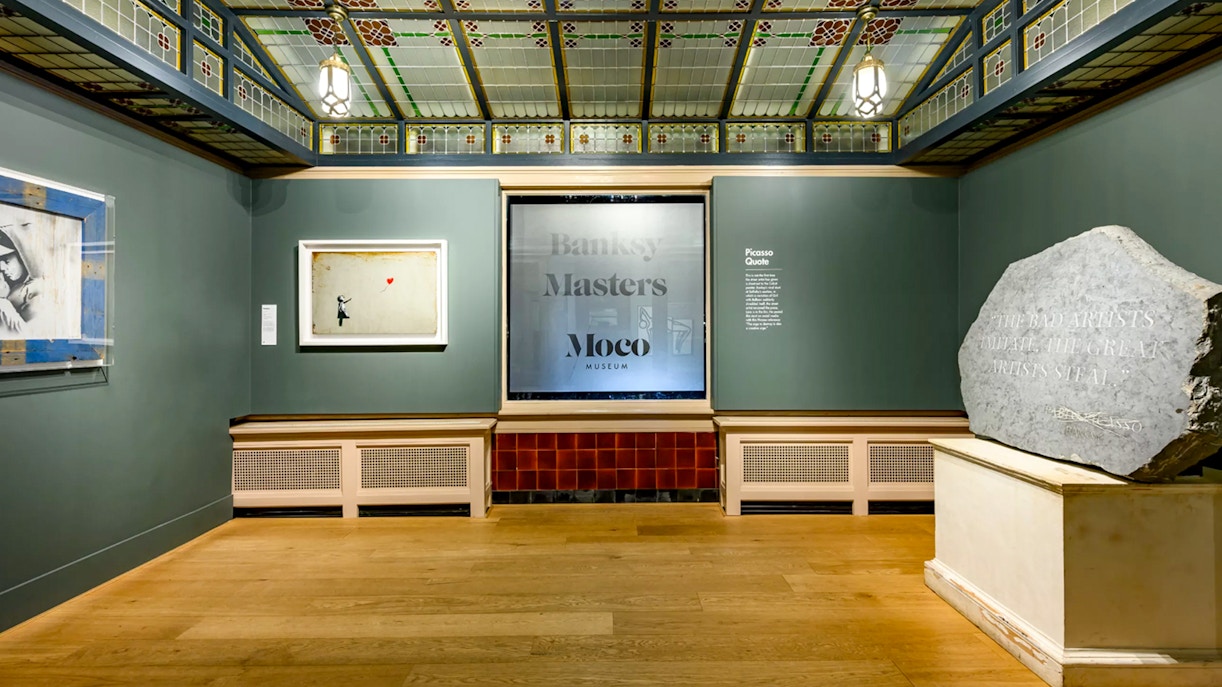
Standing near Museumplein, Villa Alsberg feels like a private home rather than a museum building. Tall windows, old staircases, and intimate rooms guide your visit. As you move through the villa, contemporary art fills each space, creating a clear contrast between history and present ideas.
History of Villa Alsberg
Early twentieth century origins: Villa Alsberg was built in the early twentieth century as a private home, reflecting Amsterdam’s growing wealth and taste for elegant city mansions.
A private residential home: Originally designed for residential life, the villa included grand rooms, formal staircases, and quiet corners, shaping how people moved and lived inside.
Architecture of its time: Its architecture reflects early twentieth century Amsterdam styles, blending classic proportions with decorative details, creating a refined look that still feels balanced and human.
From home to museum: Decades later, Villa Alsberg was carefully adapted to house Moco Museum, allowing modern and contemporary art to live within a historic setting.
Architecture and interior layout
Grand rooms and staircases
Villa Alsberg features tall ceilings, wide staircases, and spacious rooms that still reflect its past as a private mansion. These larger areas create natural pauses where artworks feel framed by the building itself, not crowded by walls or partitions.
Intimate gallery spaces
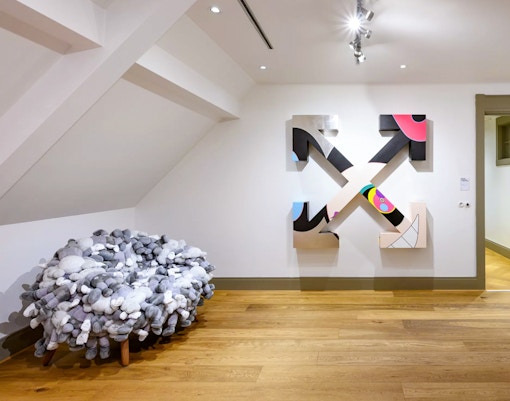
Alongside its grand rooms, Villa Alsberg includes smaller spaces that feel calm and personal. These rooms encourage closer viewing, making it easier to focus on individual artworks without distraction, unlike open plan museum halls that can feel overwhelming.
Original layout and visitor flow
The original layout of Villa Alsberg shapes how visitors move through the museum. Rooms connect naturally rather than following a strict path, allowing a relaxed flow where each space feels discovered rather than rushed.
Historic interiors and modern art
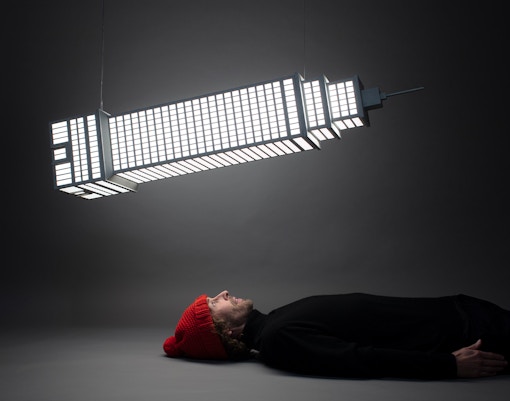
Inside Villa Alsberg, original architectural details sit beside contemporary installations and digital works. This contrast makes the venue feel different from modern museum buildings, where neutral spaces fade into the background instead of actively shaping how art is experienced.
What to expect when visiting the venue
You move through Villa Alsberg room by room, across multiple floors, following a natural flow shaped by the original home layout.
There is no single fixed route, so visitors often pause, return, or change direction based on interest.
Staircases connect floors rather than wide ramps, reinforcing the feeling of walking through a historic house.
Signage helps guide you, but the building encourages a slower pace rather than a fast museum walk.
Staircases in Villa Alsberg are essential for moving between floors, reflecting its original design as a private mansion.
Due to the historic structure, the venue has limited accessibility for visitors with reduced mobility.
Steps and level changes are part of the experience and cannot always be avoided.
Exhibitions are spread across rooms of different sizes, with larger works placed in open areas and quieter pieces in smaller rooms.
Permanent artworks and temporary exhibitions are woven together across the villa rather than separated by floors.
This layout encourages discovery, as new artworks appear unexpectedly around corners.
Each room feels self contained, helping visitors focus without visual overload.
Villa Alsberg feels more personal than large museums, with fewer crowds gathering in one space at a time.
The historic setting creates closeness between visitors and artworks, reducing distance and formality.
The mix of old architecture and modern art keeps attention sharp throughout the visit.
Many visitors find the experience calmer and more memorable than larger museum buildings.
Frequently asked questions about Villa Asberg
Villa Alsberg is a historic mansion in Amsterdam that now houses Moco Museum, combining classic architecture with modern and contemporary art exhibitions.
Villa Alsberg was built in the early twentieth century as a private residence, reflecting the architectural style and lifestyle of that period.
Yes, the venue itself is part of the experience, as original rooms, staircases, and details shape how artworks are viewed inside today.
Due to its historic structure, Villa Alsberg is not fully accessible for visitors with reduced mobility, as multiple staircases are required.
Exhibitions are spread across several floors and rooms, following the original layout of the house rather than a single fixed route.
Villa Alsberg feels more personal than large museums because visitors move through smaller rooms instead of wide open gallery halls.
Yes, your Moco Museum ticket includes access to Villa Alsberg and all exhibitions displayed inside the venue during your visit.
Photography is allowed inside Villa Alsberg, but flash, tripods, and professional equipment are not permitted to protect artworks and interiors.
Most visitors spend under an hour exploring Villa Alsberg, though time varies depending on interest and how long you pause.
Book Moco Museum Amsterdam tickets
Moco Museum Amsterdam Tickets: Banksy, Warhol and More