Why is the Stedelijk Museum a must-visit attraction?

The Stedelijk Museum in Amsterdam is one of Europe’s leading destinations for modern and contemporary art and design, offering a deep dive into artistic innovation from the late 19th century to the present day through paintings, sculptures, photography, and installations, featuring works by Piet Mondrian, Kazimir Malevich, Andy Warhol, and Marlene Dumas.

What sets the Stedelijk apart is its collection of over 500 works combined with engaging rotating exhibitions that spotlight contemporary artists, emerging voices, and new artistic practices. Alongside its international outlook, the museum places a strong emphasis on Dutch art, giving you a local perspective within a global context, with works that explore influential movements like Abstract Expressionism, minimalism, and conceptual art.

What to see at the Stedelijk Museum?

Modern art classics

The Stedelijk Museum is famous for its modern works that shaped 20th-century art. Walk around and take in paintings, sculptures, and experimental pieces that showcase the evolution of abstraction, form, and expression.

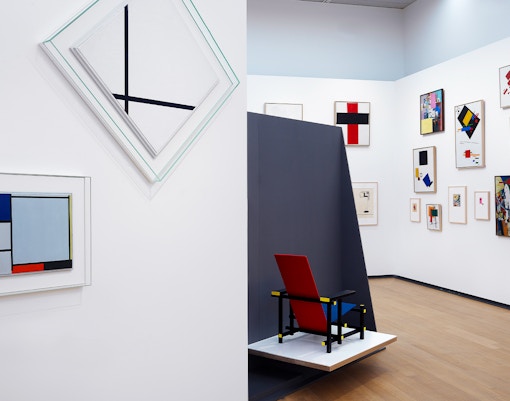
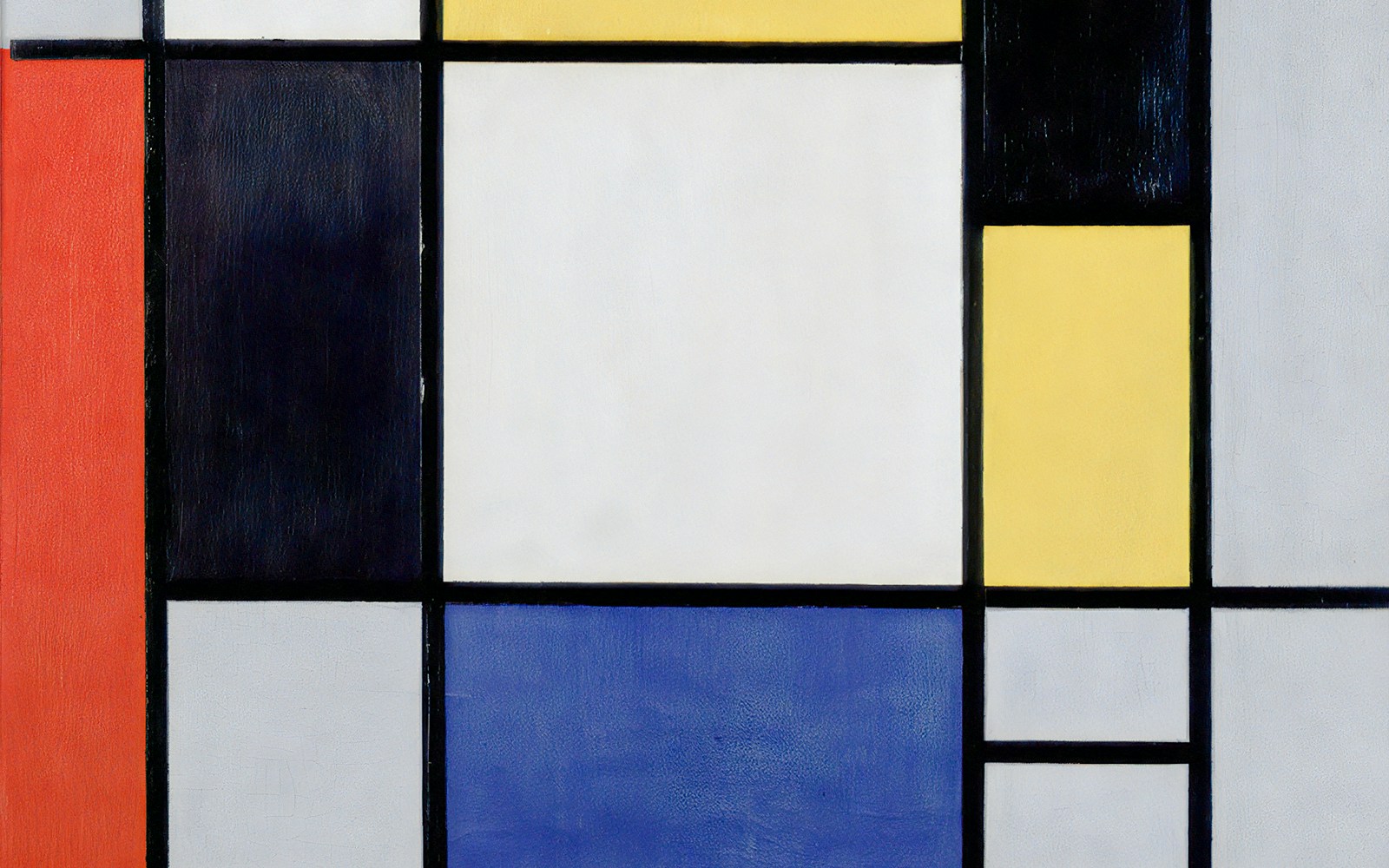
  • Highlights: Abstract compositions by Piet Mondrian, Suprematist works by Kazimir Malevich and early avant-garde pieces by Theo van Doesburg

Contemporary art and installations

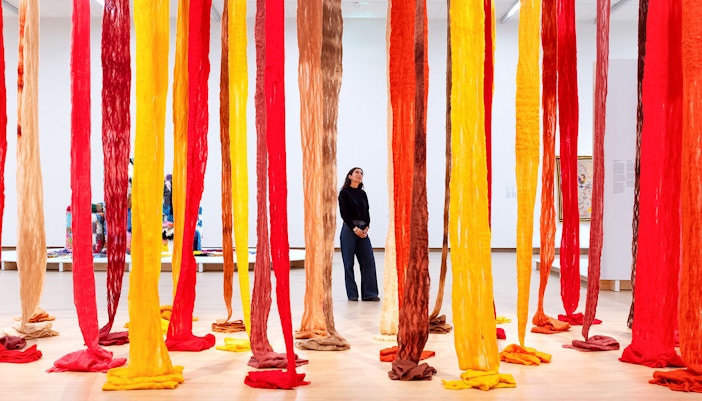
Explore bold contemporary works that reflect today’s social, political, and cultural conversations. Admire large-scale installations and experimental formats that challenge traditional ideas of art.

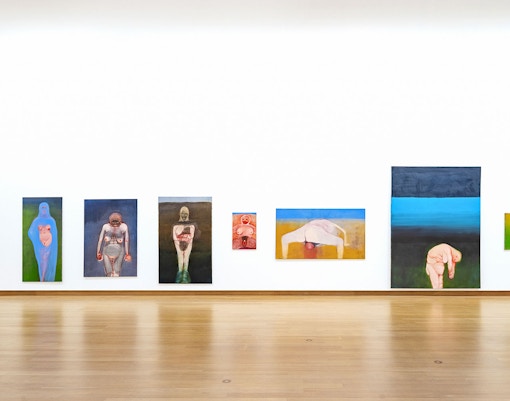
  • Highlights: Works by Marlene Dumas, Martine Syms, Nairy Baghramian and Nan Goldin, all pushing boundaries of form.

Dutch art and design

Experience the Netherlands’ unique contribution to modern and contemporary art and design. Discover how Dutch creators shaped major artistic movements while offering a local perspective.

  • Highlights: De Stijl masterpieces, Bauhaus-influenced design pieces and furniture icons like Rietveld’s Red and Blue Chair.

Design and applied arts

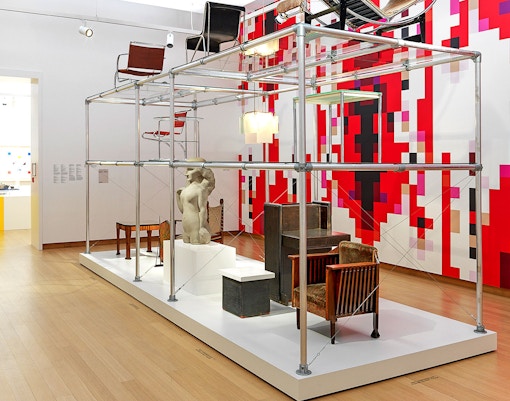
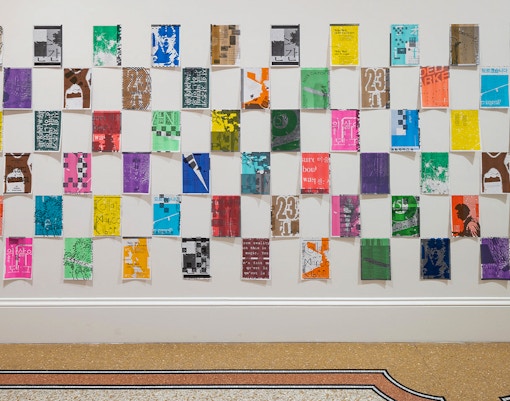
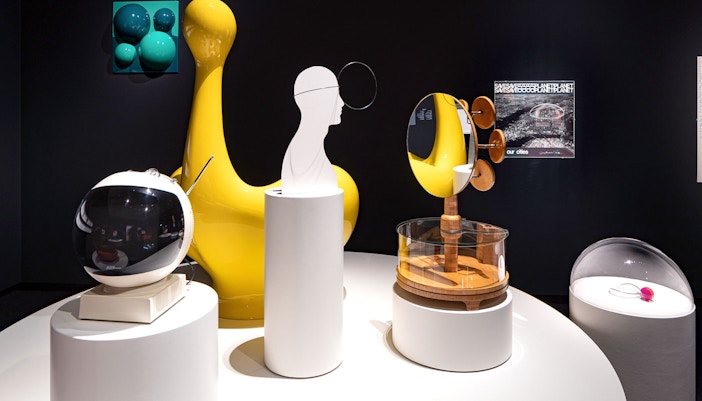
See how art meets everyday life through industrial design, furniture, graphic design, and applied arts. This area shows how creativity influenced objects of utility and visual communication across decades.

  • Highlights: Functional designs from the 20th century, modernist furniture pieces, and design objects that combine artistic flair with real-world function.

Photography and time-based media

Explore photography, video, and moving-image works that reflect culture, identity, and societal change along with experimental formats spanning decades.

  • Highlights: Photography series by Nan Goldin and historic prints that chart evolving visual storytelling practices.

Temporary exhibitions

The Stedelijk’s temporary exhibitions rotate frequently, offering fresh, time-limited artistic experiences. These shows often focus on influential figures or cutting-edge creative voices.

  • Highlights: Retrospectives, thematic group shows, and special projects highlighting influential artists or emerging trends.

The Bathtub extension

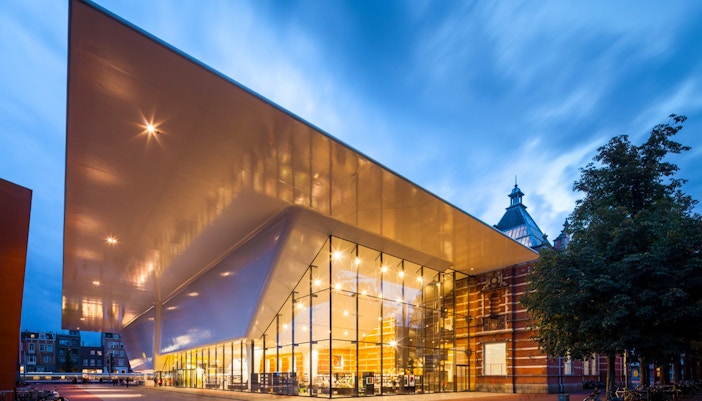
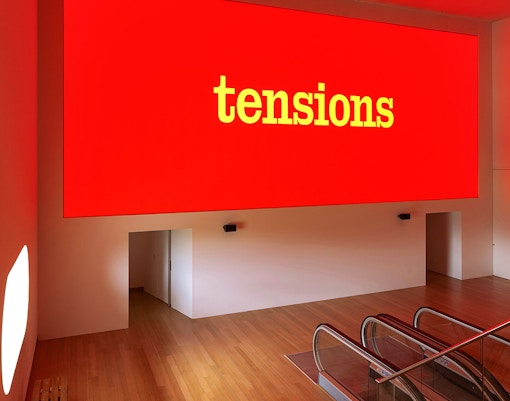
The museum’s modern extension, known as the Bathtub, houses large galleries for temporary exhibitions, open display spaces, and contemporary art showcases. Its column-free interior lets monumental and immersive installations breathe.

  • Highlights: Open-plan gallery layouts and natural light spaces.

Immersive installations

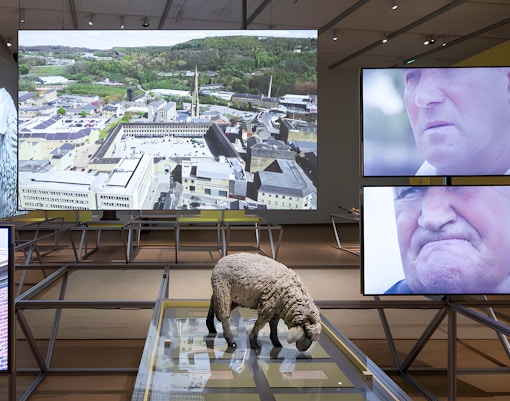
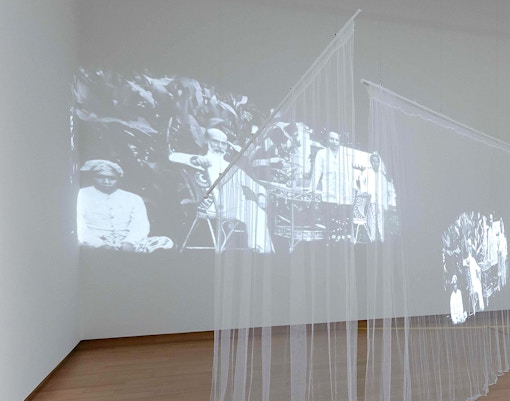
The Stedelijk frequently showcases interactive and immersive art that invites active engagement or challenges traditional spectator roles. These works reflect the museum’s commitment to evolving creative practices.

Highlights: Installations that integrate technology and digital projects, blending physical and virtual narratives.

Highlights of the Stedelijk Museum in Amsterdam

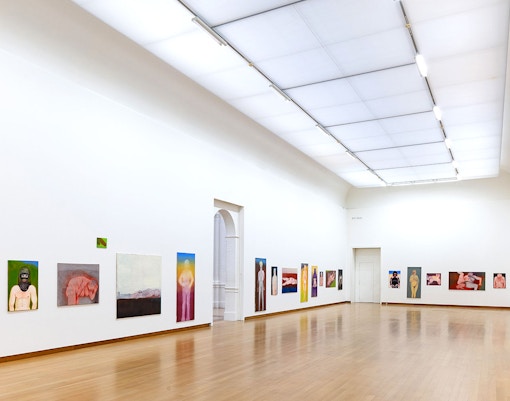
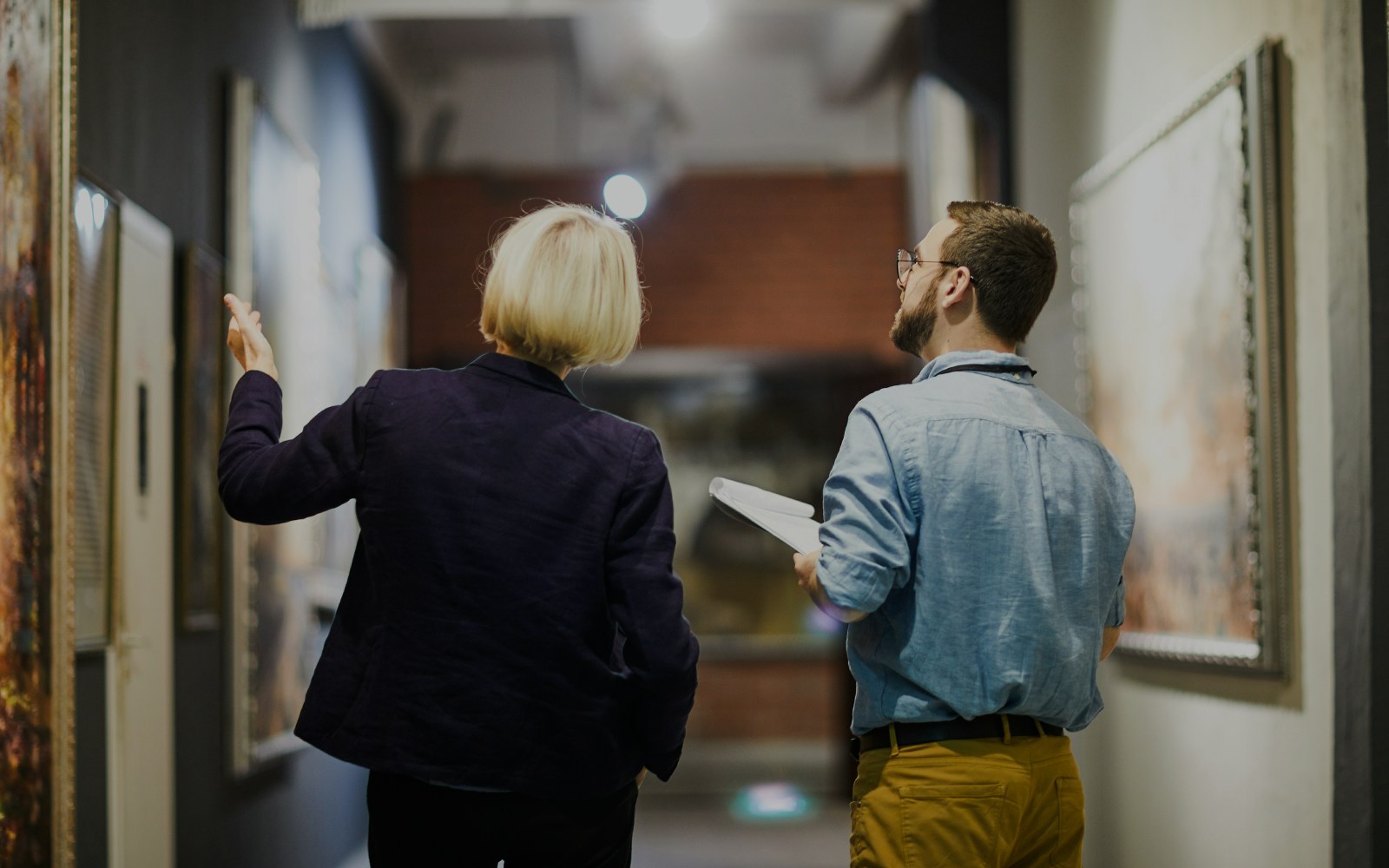
Exhibit view at Stedelijk Museum Amsterdam with visitors observing modern and classical art.

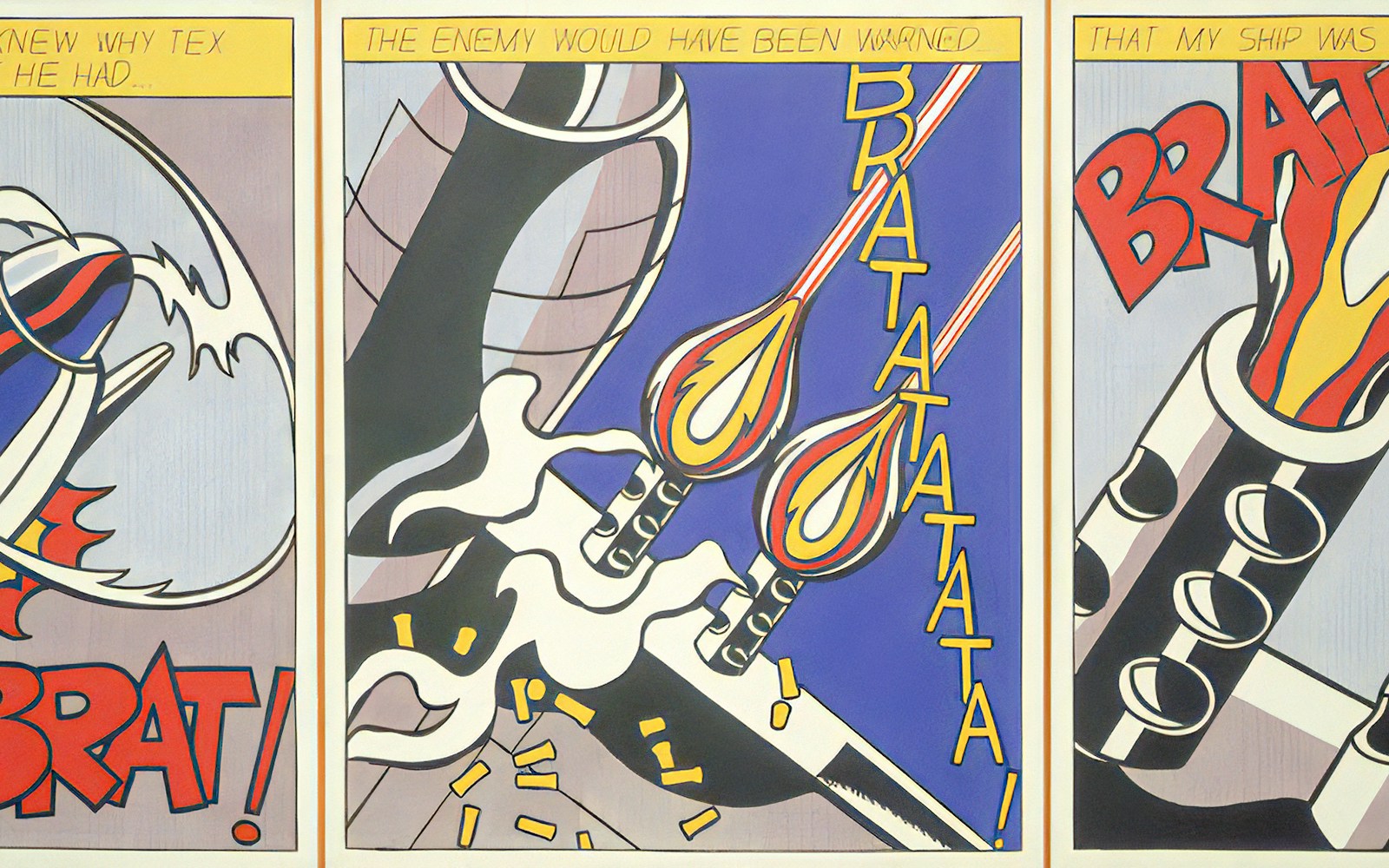
Roy Lichtenstein – As I Opened Fire

This is an iconic Pop Art triptych by Roy Lichtenstein with comic-inspired imagery, bold colour, and dynamic narrative, making it a standout in modern art.

Placeholder Image Headout Blimp

Brief history of the Stedelijk Museum

The Stedelijk Museum was founded in 1874 by private citizens led by C.P. van Eeghen, who donated funds and art to create a museum devoted to modern art. Its collection was initially housed at the Rijksmuseum, but in 1895, the museum opened its own building designed by A.W. Weissman, featuring a Neo-Renaissance style.

Initially, the museum maintained a diverse collection, including works by contemporary Dutch and French masters, period rooms, and even banners of citizens’ militias. Gradually, the focus shifted more rigorously to modern and contemporary art, with pioneering collections and exhibitions of design and photography. Later, under curators like Willem Sandberg, innovative exhibition techniques that redefined the museum’s role in displaying contemporary art were introduced.

In 2012, after extensive renovation and expansion, the Stedelijk reopened with a bold contemporary extension by Benthem Crouwel Architects, widely known as the Bathtub. This created new galleries, visitor spaces, and a modern entrance facing Museumplein.

Today, the Stedelijk Museum stands as one of Europe’s leading museums of modern and contemporary art and design, celebrating artistic innovation from the early 20th century to the present.
Who built the Stedelijk Museum?

The original Stedelijk Museum building was designed by Dutch architect Adriaan Willem Weissman and constructed between 1891 and 1895 for the city of Amsterdam to house a public modern art collection. Later, the museum was extensively renovated and expanded by Benthem Crouwel Architects, whose contemporary extension reshaped the museum’s entrance and public spaces.

Architecture of the Stedelijk Museum

The Stedelijk Museum’s architecture blends historic Neo‑Renaissance design with a bold modern addition. The original building, completed in 1895 by Adriaan Willem Weissman, features red brick with stone dressings and elements inspired by 16th-century Dutch Renaissance architecture. Over the 20th century, however, interior modifications modernised gallery spaces.

In the early 21st century, the museum underwent a major renovation and expansion. The Dutch firm Benthem Crouwel Architects added a striking contemporary wing, popularly known as the Bathtub, completed in 2012. This white, smooth extension reoriented the museum entrance toward Museumplein and introduced expansive, flexible galleries and public spaces while preserving the historic Weissman building. The contrast between old and new symbolises the museum’s commitment to both heritage and contemporary art.

Frequently asked questions about the Stedelijk Museum

The museum is open daily, typically from 10 am to 6 pm, with no entry after 5:45 pm. Be sure to check the museum’s schedule before visiting to plan your day efficiently and avoid crowds.

More reads

Plan your visit

Timings

Directions