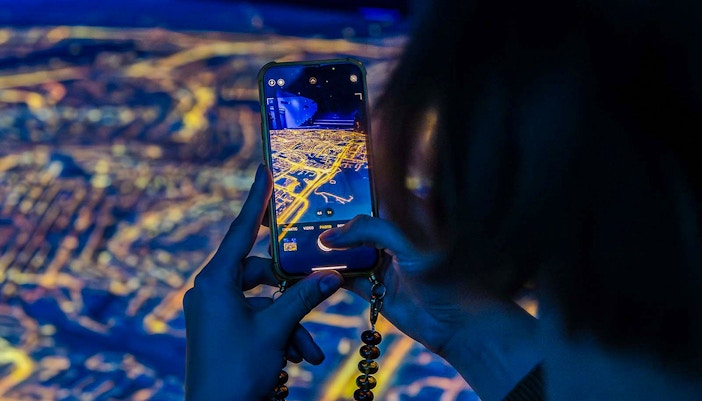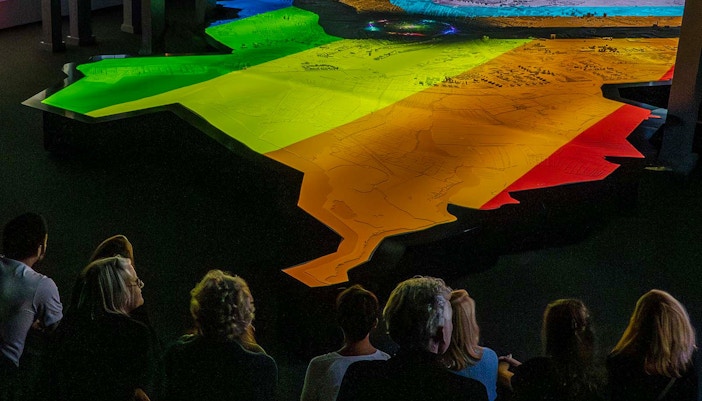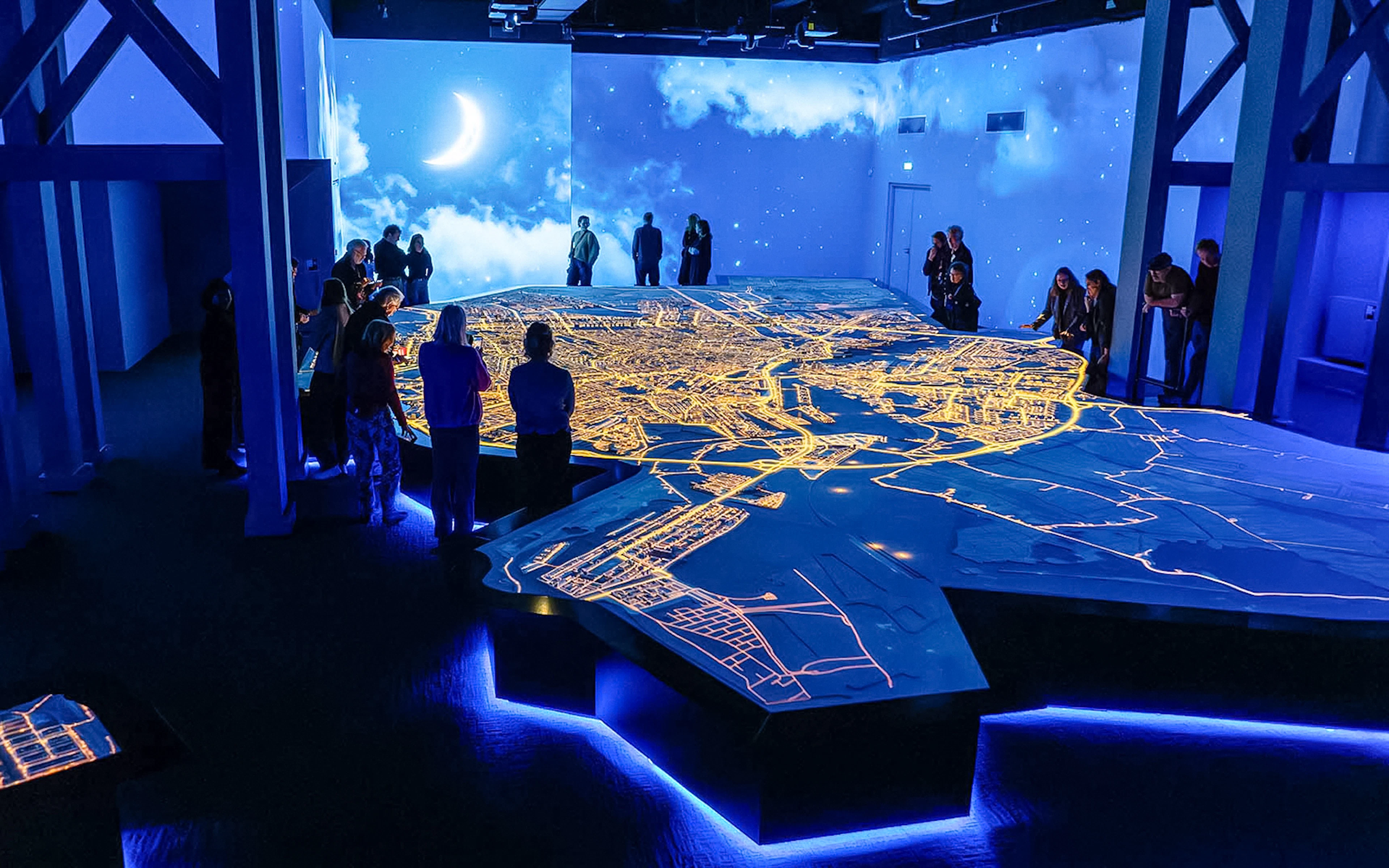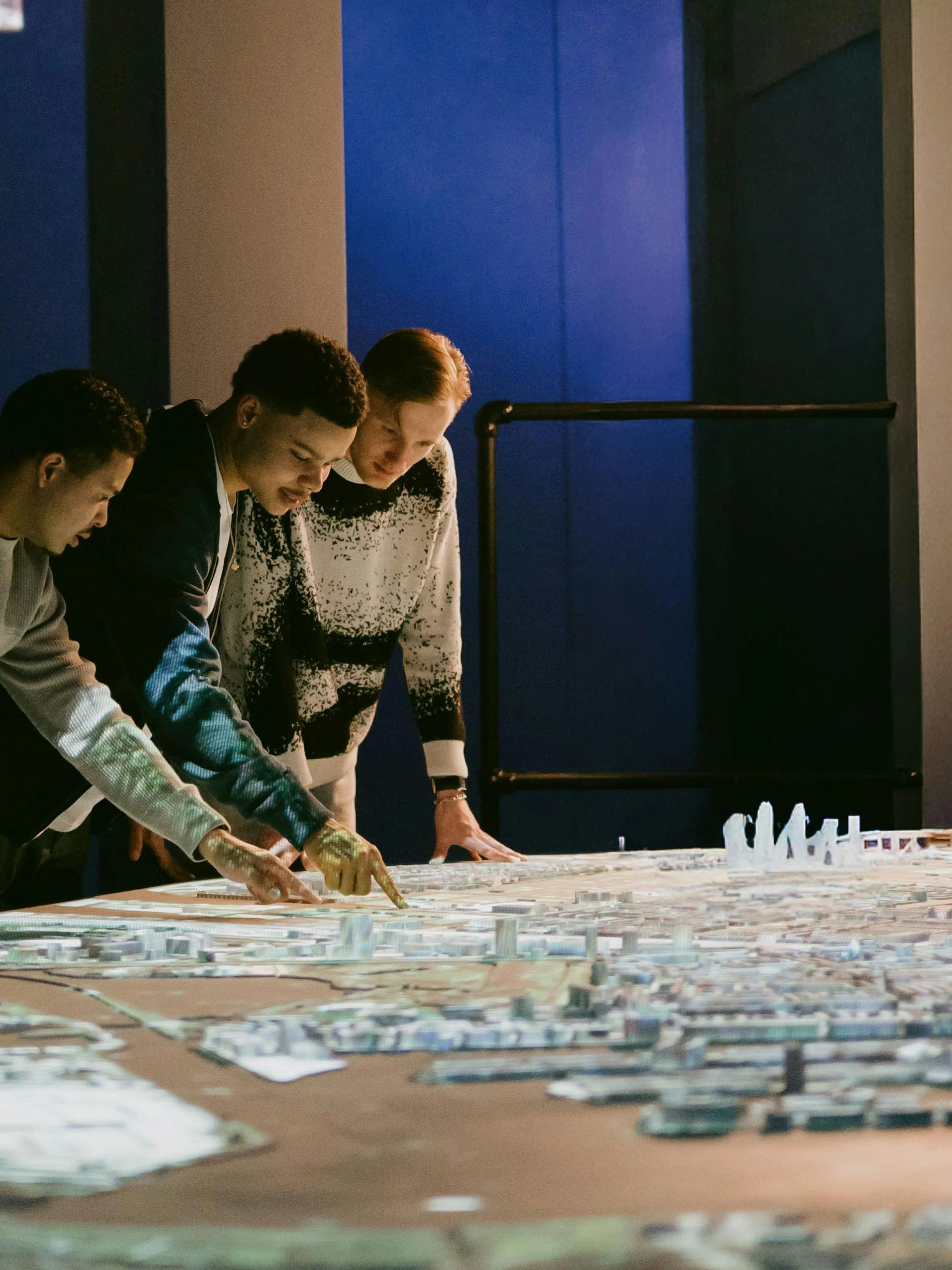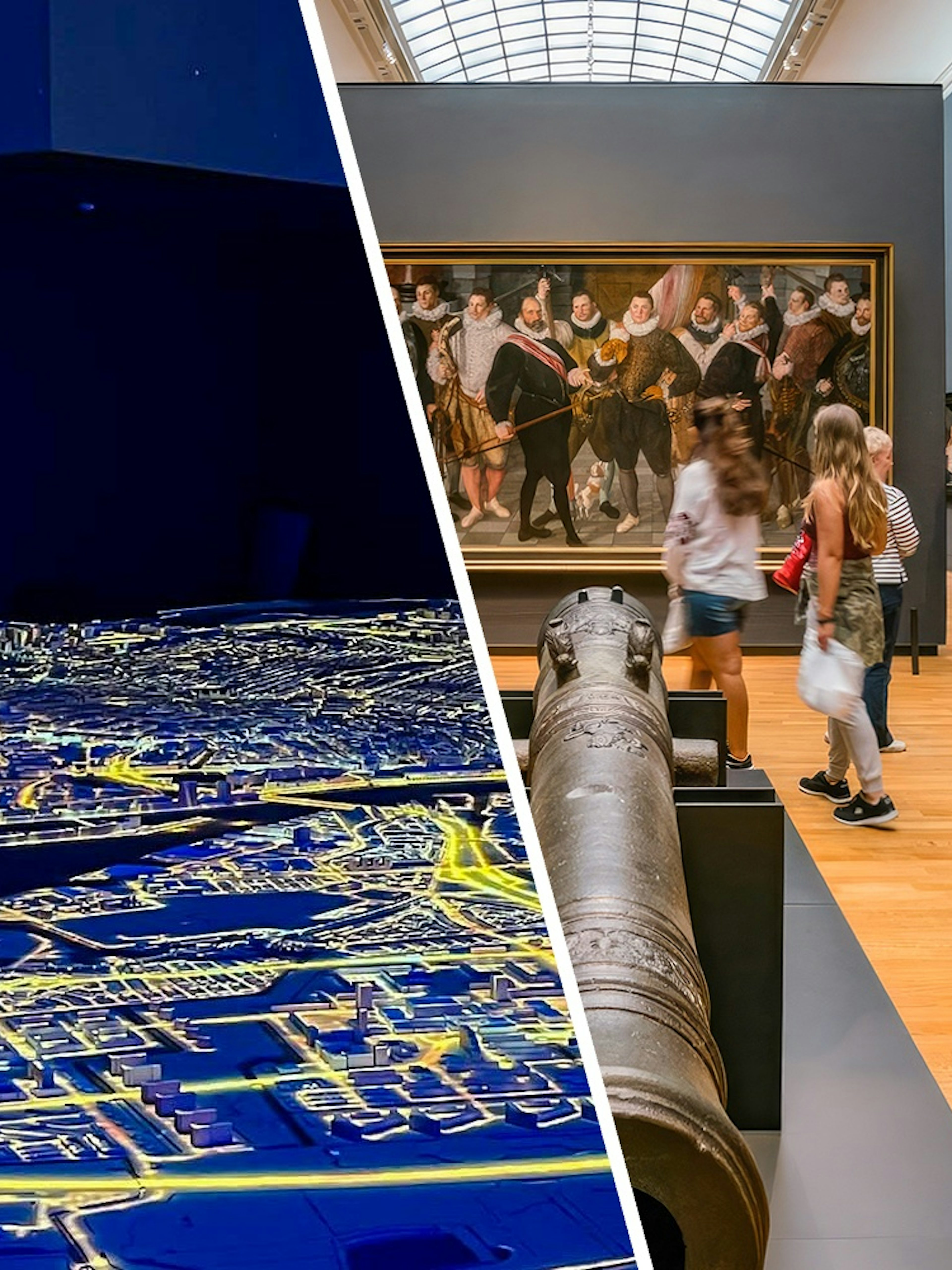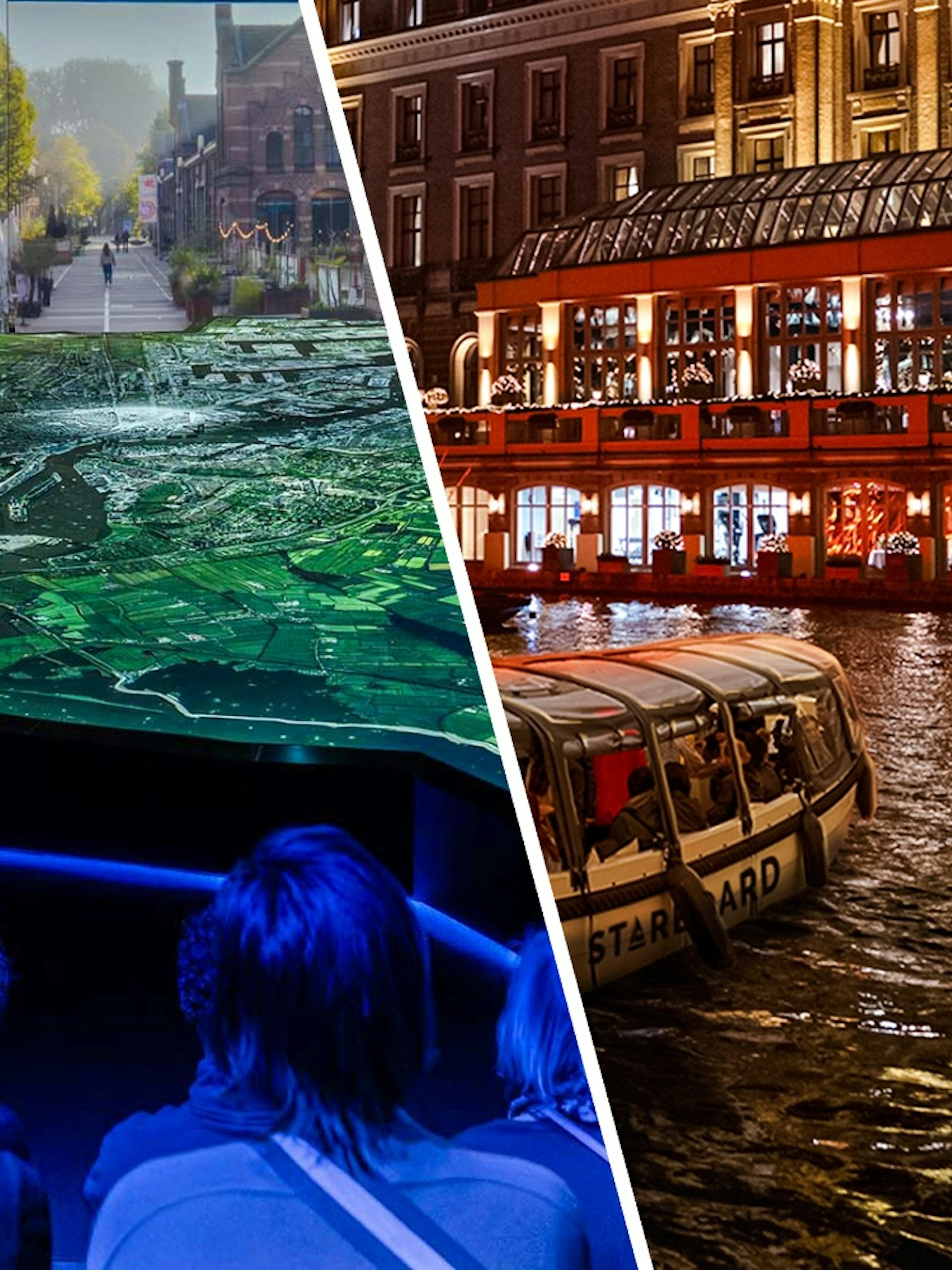






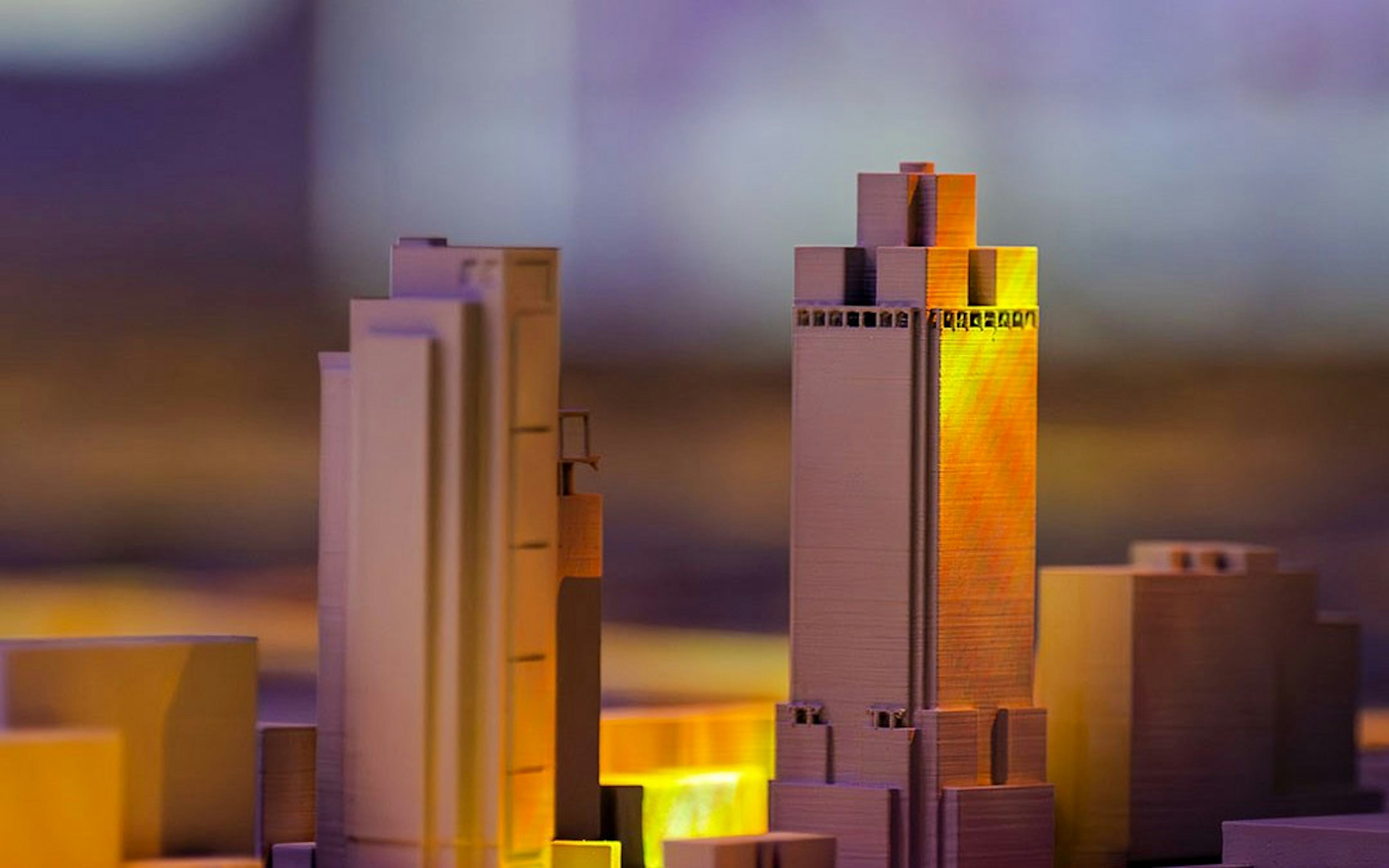
The centrepiece is a vast 200 m² scale model packed with over 30,500 hand built buildings. From canal locks to tram lines, every district is rendered in obsessive detail. Walk the perimeter after the show to trace real streets and landmarks.
How Headout makes choosing experiences effortless
We curate the best ways to experience
We research and organise all unique experiences - from tickets to tours to special combos - so you get all the choices without the clutter.
We partner with the best
Every supplier is vetted for quality, reliability, and value so you only get top rated experiences. No surprises, no disappointments.
All the best options, in one place
Each experience is thoughtfully organised to give you maximum availability, great value and an easy way to choose.
Book with complete peace of mind
Free cancellations, Flexible payments, and 24/7 support - thoughtfully designed for flexibility, assurance, and total peace of mind.
Slide 1 of 41/4


TL;DR
- Main experience: Timed entry to a large scale animated model showing Amsterdam’s growth, waterways, and daily rhythm.
- Visit length: Most visits last about 45 to 60 minutes at a relaxed pace.
- Entry type: All tickets are timed, with direct scan entry at the venue.
- Crowds: Afternoons and weekends are busiest, with short waits near show start times.
- Best time: Morning slots are calmer and easier to move through.
- Good to know: The show runs on a loop, so the late entry still lets you catch everything.
- Smart pick: Book early for weekends and holidays as slots often sell out.
Which Amsterdam in Motion ticket is best for you?
| Ticket type | Includes | Why pick this | Price from |
|---|---|---|---|
Standard entry tickets | Full animated city model show | Timed entry with full access at your own pace | €18 |
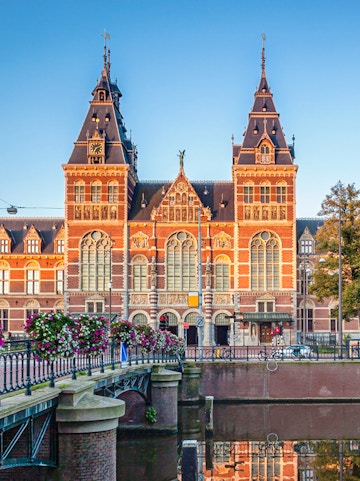
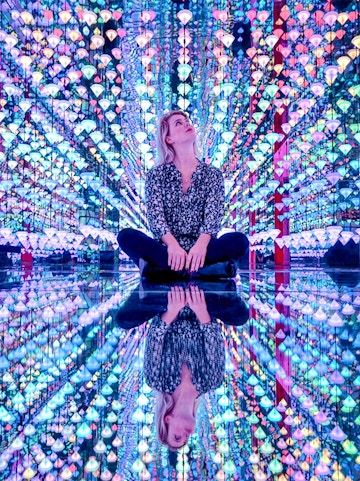
Combo tickets | Amsterdam in Motion plus a second attraction (canal cruise or Moco Museum or Rijksmuseum) | Better value if pairing with another artistic or immersive experience | €30 |
What to expect at Amsterdam in Motion?
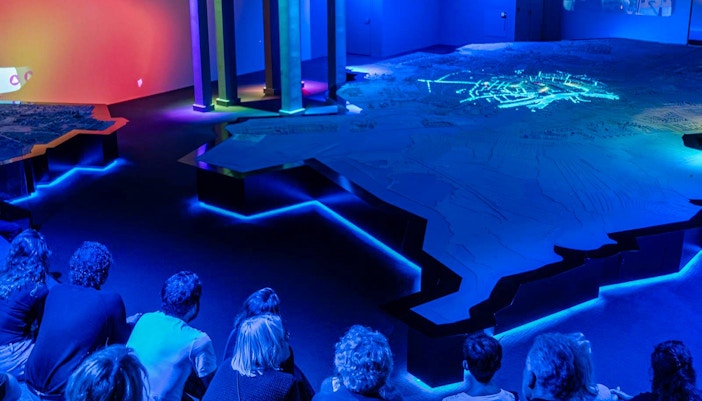
City comes alive
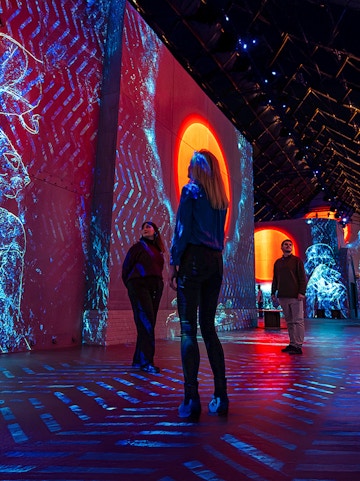
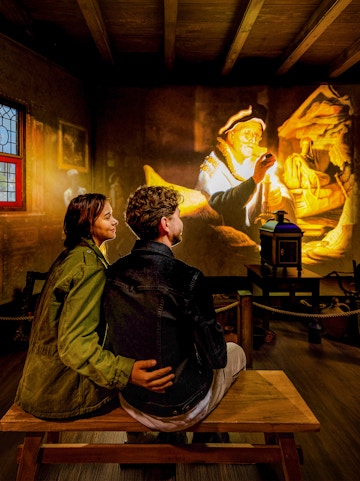
Begin inside a dimly lit hall where an enormous scale model of Amsterdam slowly lights up, guided by sound and narration that explains how the city formed, expanded, and functions today through carefully timed visual sequences.
How Amsterdam works
Watch canals fill with moving boats, streets brighten with traffic, and districts transform across centuries in minutes, helping you understand how water, trade, and planning shaped Amsterdam’s layout far better than a flat map ever could.
Freedom to roam
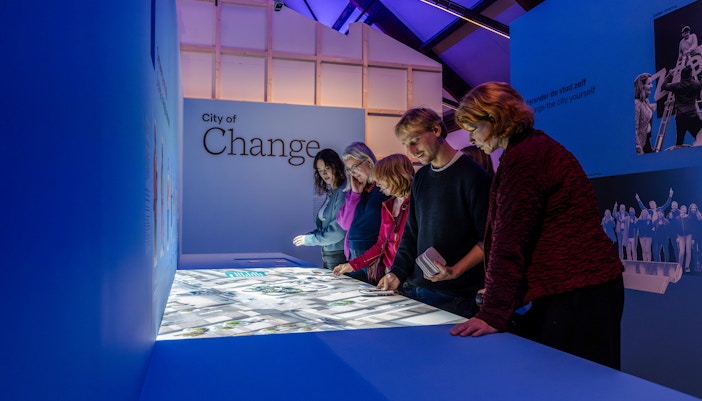
The presentation runs continuously, letting you stay in one spot or walk around the model to focus on familiar neighborhoods, landmarks you plan to visit, or areas you want to understand better before heading back outside.
Fits any schedule
Most visits take less than an hour, making this an easy addition between museums, canal cruises, or walks, without feeling rushed or overwhelming, even if you are fitting it into a packed sightseeing day.
See the bigger picture
You leave with a strong mental picture of Amsterdam, understanding how canals connect districts, why streets curve the way they do, and how the city balances history, transport, and daily life in a compact space.
Things to know before booking your tickets to Amsterdam in Motion
- Timed entry is required: All Amsterdam in Motion tickets are sold for specific time slots. Entry outside your chosen time is usually not permitted, so arriving at least 10 minutes early helps ensure a smooth check in.
- What your entry ticket covers: Standard entry includes full access to the Amsterdam in Motion exhibition, the 200 m² city model, projection mapping, audiovisual shows, and interactive displays. Educational programs and group visits must be booked separately in advance.
- Combo tickets include multiple experiences: Combo options pair Amsterdam in Motion with a canal cruise or museum visit. Each experience follows its own schedule and rules, so timings, accessibility, and facilities may differ between attractions.
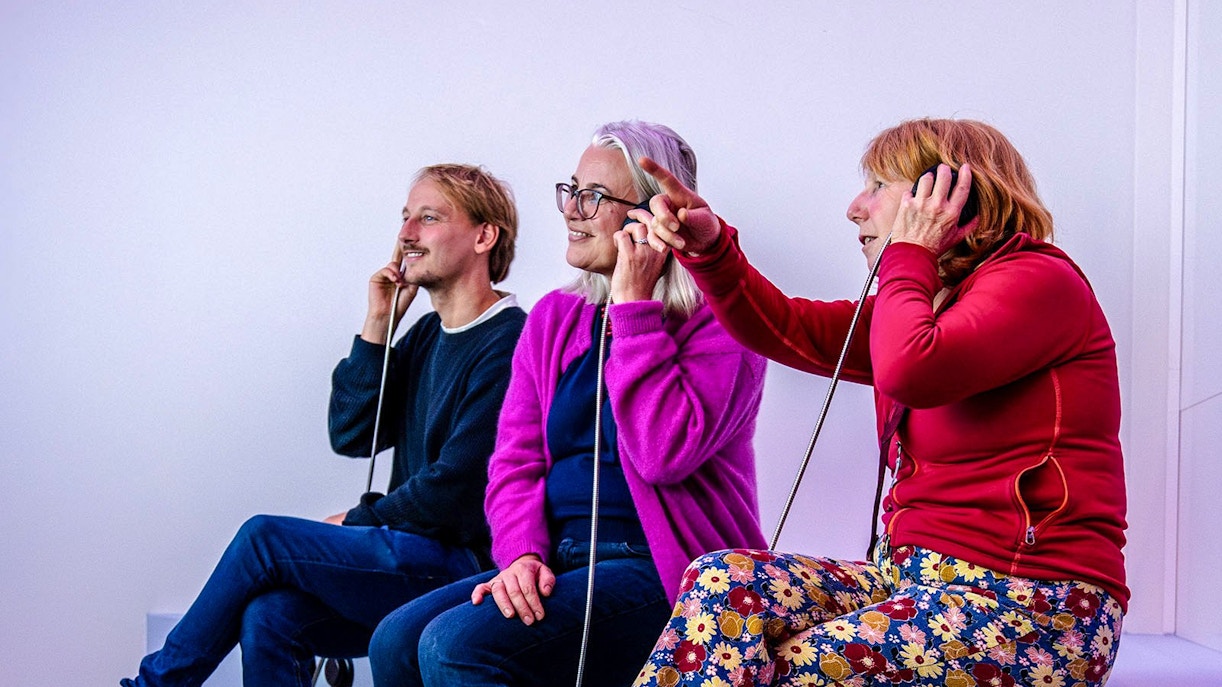
- This is a self guided visit: There is no guided walk included. The experience uses light, sound, narration, and interactive elements, making it easy to follow even if you are visiting Amsterdam for the first time.
- On site ticket availability is limited: Time slots often sell out in advance, especially on weekends, holidays, and during school breaks. Booking online ahead of time is the best way to secure your preferred entry.
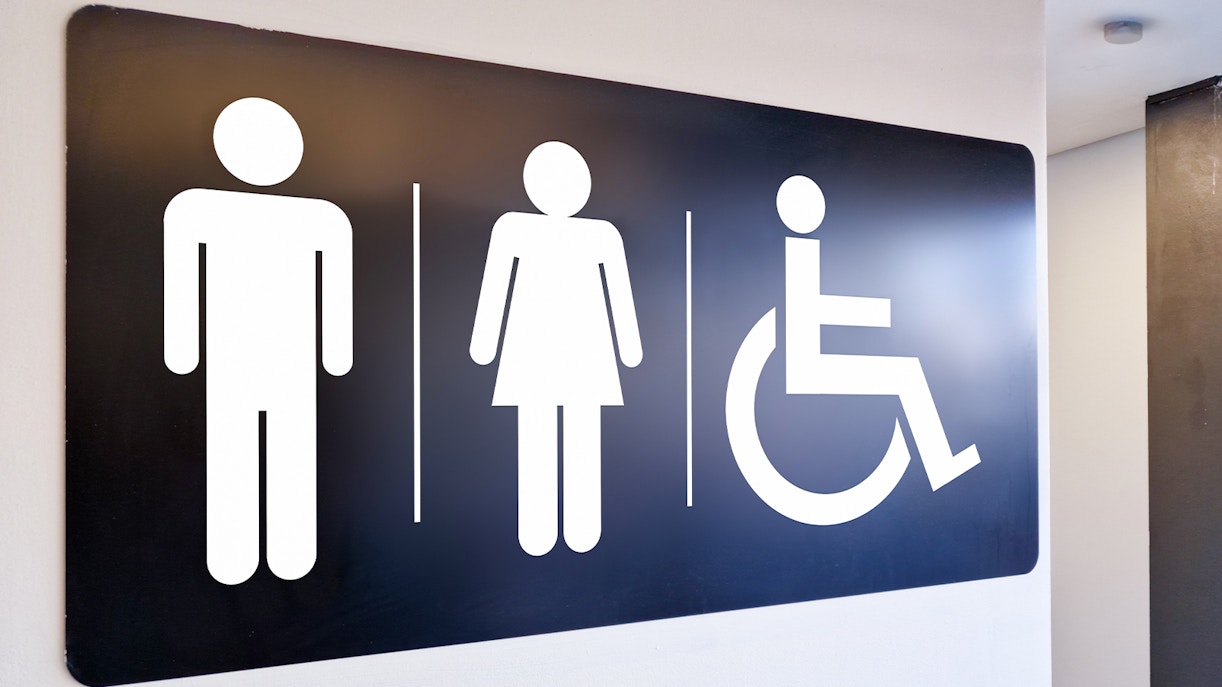
- Accessibility and facilities: Amsterdam in Motion is fully step free and accessible for wheelchairs and strollers, with wide viewing areas and accessible washrooms. Accessibility for combo attractions varies, so check details before booking.
What to see at Amsterdam in Motion

200 m² city maquette
Mussel encased canal bicycle
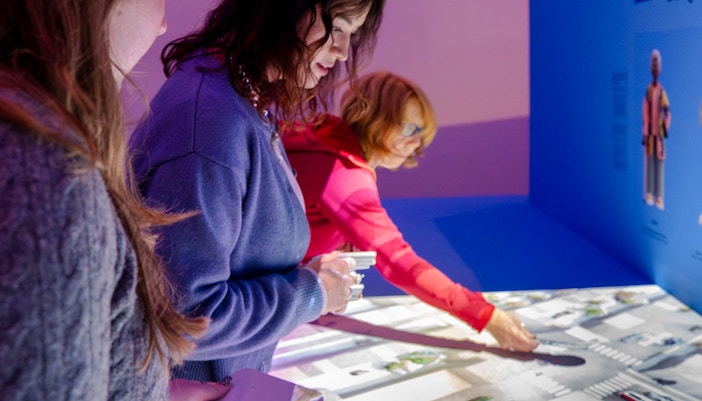
Pulled straight from Amsterdam’s canals, this rusted bicycle crusted with mussels and weeds tells a familiar local story. Thousands of bikes disappear underwater each year. Its corroded frame and tangled debris show how daily life literally sinks into the city’s waterways.

Coot nest made from canal waste
A large coot bird nest built from plastic wrappers, masks, and bottle caps sits quietly confronting environmental reality. These birds adapt by building with trash. Touching the materials makes the link between biodiversity, waste, and floating urban life unmistakably real.

Ajax fan memorabilia corner
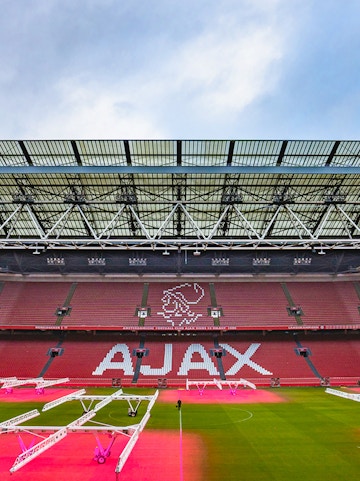
This small corner holds scarves, jerseys, banners, and photos tied to FC Ajax supporter culture. Worn fabrics and protest items reflect migration, identity, and belonging in the city. Locals often recognise pieces that echo matchday rituals and collective memory.

Amsterdam Centraal interactive model
A detailed scale model shows Central Station from its 1889 beginnings to today’s transport hub. Rotatable sections reveal foundations driven into soft ground, shifting trains, and bike flows. It explains how engineering and ambition turned marshland into a national gateway.

Harbour cranes and land reclamation diorama
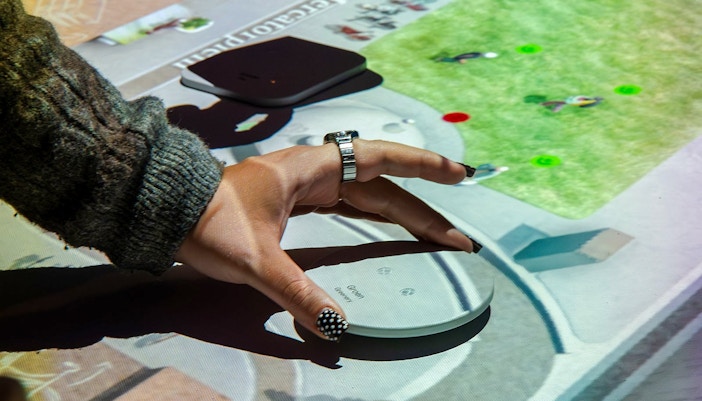
Hand built cranes, dikes, and peat foundations map centuries of land reclamation around the IJ and polders. Rough wood and brick textures reward close inspection. Tiny fishing huts gradually give way to ports, showing how water control shaped Amsterdam’s rise.

WWII protest banner fragments
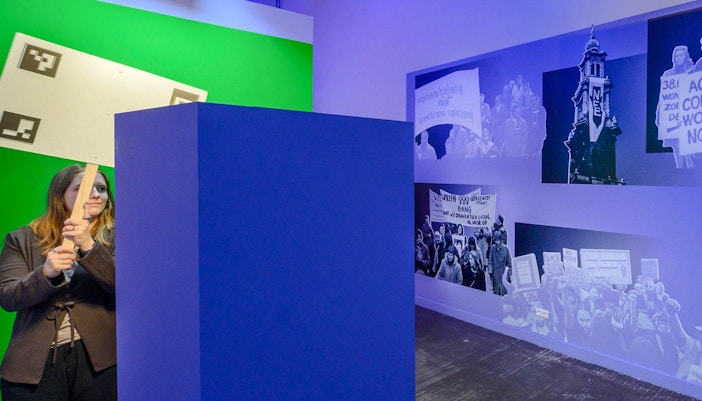
Original resistance era banner fragments hang nearby, their faded ink and frayed stitching heavy with meaning. These pieces connect wartime protest to later migration stories. Seeing their worn threads grounds abstract history in human courage and collective defiance.

Floating home prototype
A small floating house model shows future living on water, complete with buoyant base and solar panels. Made from recycled canal plastics, it can be gently moved to test balance. It links historic water mastery with forward looking climate solutions.
Plan your visit to Amsterdam in Motion
Opening hours
- Monday to Friday: 10am to 5pm
- Saturday to Sunday: 10am to 6pm
Note: On select days, there are special opening hours during the evenings
Address: Cultuurpark Westergas, Pazzanistraat 19-23, 1014 DB Amsterdam
- By bus: Take Bus 18 toward Centraal Station from Jan van Galenstraat, get off at Haarlemmerplein, then walk to the venue.
Closest stop: Haarlemmerplein, about 12 minutes on foot (800 m).
- By tram: Walk to Bloemgracht, take Tram 5 towards Westergasfabriek, get off at Van Limburg Stirumstraat, then walk.
Closest stop: Van Limburg Stirumstraat, about 5 minutes on foot (350 m).
- By car: Drive via Willem de Zwijgerlaan and Haarlemmerweg S103 from Amsterdam West for the fastest, low traffic route.
Closest access: Pazzanistraat, venue entrance directly on the street.
- On foot: Walk from Amsterdam West via Jan van Galenstraat and Haarlemmerweg on mostly flat, easy pedestrian routes.
Distance: Around 28 minutes on foot, roughly 2.1 km.
- By bicycle: Cycle via Willem de Zwijgerlaan and Bos en Lommerweg, then follow signs toward Pazzanistraat near the venue.
Bike access: Parking available nearby, about 1 minute walk from the entrance.

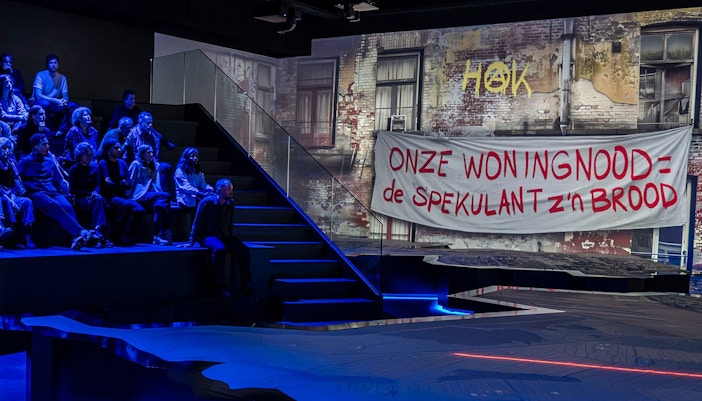
- Tiered theater seating: Ground floor bleachers host 15 minute multimedia shows in Dutch and English, with wheelchair friendly access.
- Interactive upper gallery: Hands on displays feature touchable canal bikes and nests, supported by clear panels instead of audio guides.
- Restrooms: Clean, basic restrooms are available on both floors and suitable for families.
- Museum shop: A small shop near the exit sells Amsterdam souvenirs, postcards, and Ajax themed memorabilia.
- Free Wi-Fi: Venue wide Wi-Fi allows easy planning, browsing, or sharing during your visit.
- Coat check: Seasonal hooks are available for bags and coats, mainly during busy winter months.

- Wheelchair accessibility: Step free entry with ramps at the main entrance and accessible ground floor seating for mobility aids.
- Spacious viewing areas: Wide paths around the maquette and upper gallery allow smooth wheelchair movement without steps.
- Free entry for under 18s: Sponsored access for visitors under 18 keeps the experience open and family friendly.
- Multilingual shows: Presentations run in Dutch and English, with strong visuals supporting hearing impaired visitors.
- Tactile interactive elements: Touch friendly exhibits and high contrast lighting support visitors with visual impairments.
Visitor tips
- Watch one full loop: Stay through a complete show cycle once before moving. The second run makes spatial relationships click much faster visually.
- Stand near corners: Corner viewpoints reveal canal depth and street density better than central spots, especially during lighting transitions.
- Spot your lodging area: Find your hotel or neighborhood early. It helps anchor directions and makes later city navigation noticeably easier.
- Visit before outdoor plans: Go before canal cruises or walks. The mental map improves orientation and reduces backtracking later.
- Look for moving details: Trams, boats, and light pulses highlight daily rhythm. These subtle cues explain traffic flow better than signage.
- Pair with Museum Quarter: Use insights from the model to plan museum hopping routes logically instead of zigzagging across canals.
- Stay upstairs longer: The upper gallery rewards slow inspection. Many visitors rush through and miss tactile stories.
- Photograph after shows end: Photos work best once projections pause. Details appear sharper without moving light and reflections.
Frequently asked questions about Amsterdam in Motion tickets
Yes, visuals dominate the experience, so language plays a minor role, though brief narration adds helpful historical context for visitors.
Repeated lighting sequences reveal different details each cycle, so staying longer helps notice infrastructure, movement patterns, and neighborhood connections clearly over time.
It works well as a primer because it explains city structure visually, making museum visits, walks, and canal routes easier to understand.
Yes, the lighting changes can be intense in moments, but transitions are gradual and most visitors find them comfortable overall.
Photography works best between show cycles when projections pause, revealing sharper building details without motion blur or reflections on camera lenses.
Yes, touching selected exhibits upstairs is encouraged, offering a rare chance to feel materials normally kept behind glass in museums elsewhere.
Because visuals do most teaching, it suits first time visitors who want context without reading dense text panels or guides beforehand.
Yes, staying near the edges gives better depth perception, helping you understand distances between districts more accurately than central viewpoints usually.
The model simplifies scale, so you grasp city size intuitively, something maps and apps rarely communicate effectively to first time visitors.