Amsterdam in Motion | See the city’s story come alive

Why is Amsterdam in Motion a must-visit attraction?

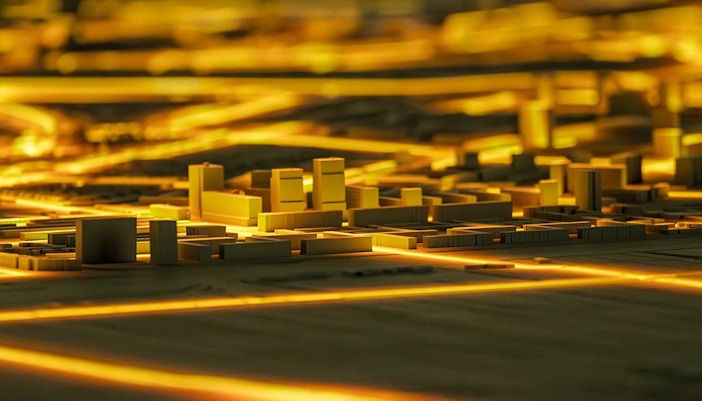
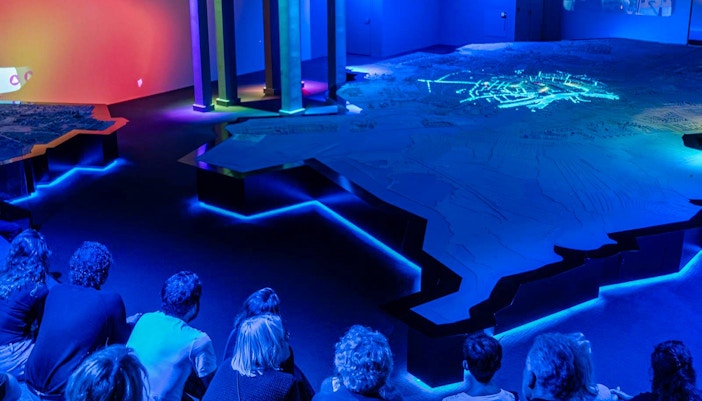
Amsterdam in Motion is a completely unique way to experience the city; something that maps, museums, or even walking tours just can’t match. Housed in the historic Zuiveringshal Oost at Westergas Culture Park, the highlight is a huge, animated city model that shows how Amsterdam has grown, adapted, and reinvented itself over 750 years. Lights, sounds, and movement bring canals, streets, and landmarks to life, letting you watch the city change across centuries right before your eyes.

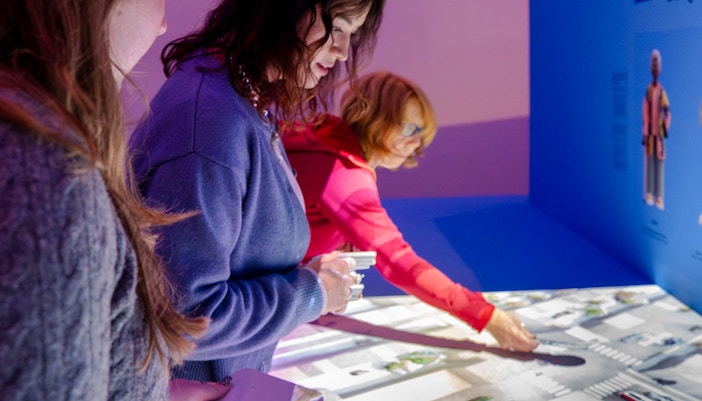
What makes it really special is how it blends big-picture views with close-up detail. You can step back to take in the entire city, then lean in to spot tram lines, harbor cranes, football grounds, and tiny streets that feel almost familiar. Upstairs, interactive displays and hands-on objects link the model to real life, showing stories of housing, migration, water management, culture, and sustainability. It’s engaging and clear, making Amsterdam’s rich history easy to follow and genuinely enjoyable.
What to see at Amsterdam in Motion

200 m² city model

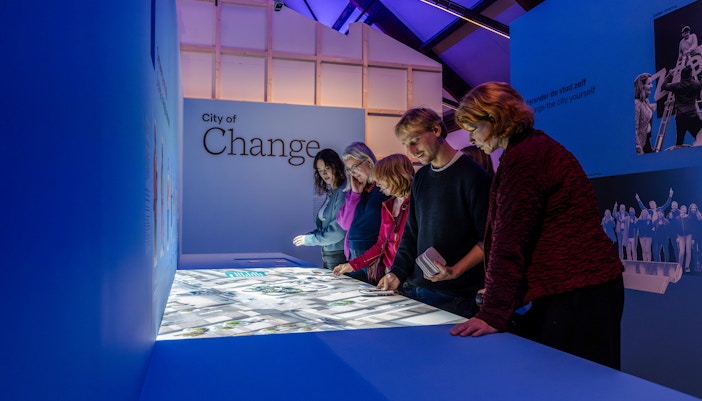
At the heart of the exhibition is the world’s largest 1:1300 scale city model, covering 200 m² with over 30,500 handcrafted buildings. Projection mapping animates canals, neighborhoods, and landmarks, showing how Amsterdam expanded, rebuilt, and adapted to water across centuries.

Audiovisual light show

A carefully timed light and sound show runs on a loop, guiding visitors through key moments in Amsterdam’s development. Subtle narration, shifting projections, and ambient sound transform the static model into a living city that grows, floods, rebuilds, and modernizes before your eyes.

Interactive upper gallery

Upstairs, interactive displays let you explore Amsterdam beyond the model. Hands-on exhibits explain housing challenges, migration patterns, football culture, fashion, and daily city life. Touching real materials and objects makes abstract ideas feel grounded and easy to understand.

Canal wildlife and sustainability displays

One section focuses on life in and around Amsterdam’s canals, from birds and fish to floating architecture. These exhibits connect historical water management with modern sustainability ideas, showing how the city continues to adapt to environmental challenges.

Football and cultural identity exhibits

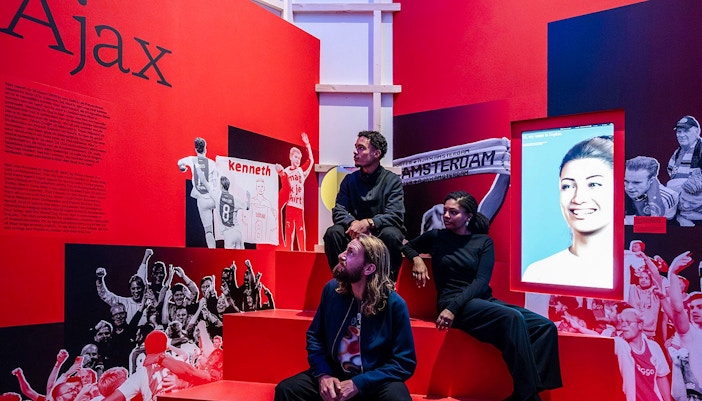
Displays dedicated to football, especially Ajax, reveal how sport shapes local identity and community life. Memorabilia, photos, and stories link matchday culture to broader themes of migration, belonging, and shared city pride.

Brief history of Amsterdam in Motion

Amsterdam in Motion was created to mark the city’s 750th anniversary, opening as a long-term exhibition curated by the Amsterdam Museum. Housed inside the restored Zuiveringshal Oost, a former coal-gas purification hall built in the late 19th century, the project brings together historians, designers, and model makers. The centrepiece city model was built over several years by specialist artisans, combining traditional craftsmanship with modern projection technology. Since opening, the exhibition has become a key orientation point for visitors wanting to understand Amsterdam’s past, present, and future in one place.

Who created Amsterdam in Motion?

Amsterdam in Motion was developed by the Amsterdam Museum in collaboration with urban historians, architects, model makers, and multimedia designers. The large-scale city model was handcrafted by specialist studios experienced in architectural and infrastructure modeling. Projection mapping, sound design, and interactive elements were added by creative technology teams focused on storytelling rather than spectacle, ensuring accuracy, clarity, and accessibility for a wide audience.

Architecture of Amsterdam in Motion

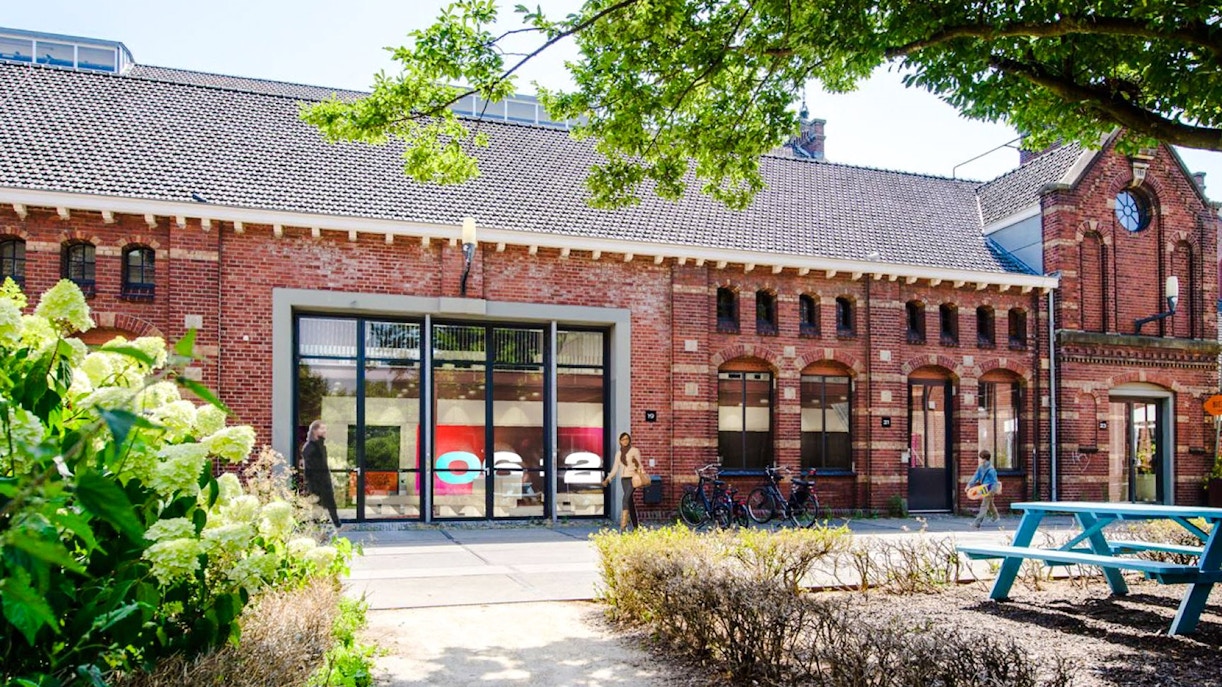
Brick building with large windows at Amsterdam in Motion exhibit, surrounded by greenery and bicycles.

The exhibition is housed in Zuiveringshal Oost, a striking neo-Renaissance industrial building located in Westergas Culture Park. Originally built as a coal-gas purification facility, the structure features high ceilings, brick façades, and open interior spaces ideal for large-scale installations. Inside, the layout is intentionally open and step-free, allowing visitors to move freely around the model and exhibits. The contrast between historic architecture and modern multimedia design reinforces the theme of a city constantly evolving while respecting its foundations.

Frequently asked questions about Amsterdam in Motion

Yes, it works especially well as an introduction, helping first-time visitors understand the city layout before exploring neighborhoods, museums, and canals.