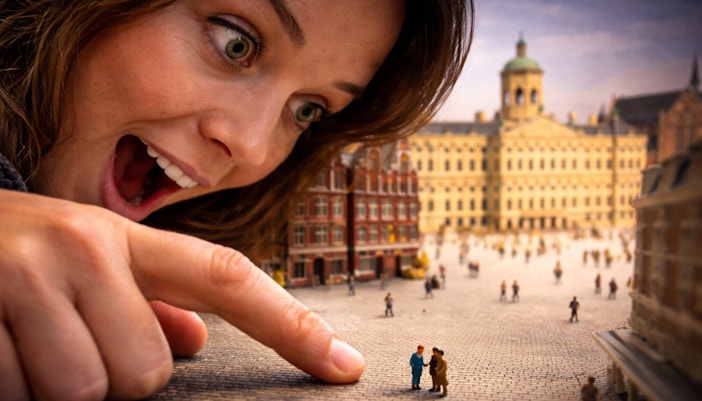
Plan for around 60–90 minutes to explore the museum comfortably. If you prefer slower viewing with photo stops and detailed attention to each miniature scene, allow up to 2 hours for a relaxed visit.
Quick Information
RECOMMENDED DURATION
1 hour
Timings
10:00–18:00
TICKETS
From $20.08
EXPECTED WAIT TIME - STANDARD
0-30 mins (Peak), 0-30 mins (Off Peak)
Did you know?
Miniatuur Museum Amsterdam is entirely dedicated to miniature art, setting it apart from the city’s general art museums.
The museum is self-guided, allowing visitors to explore at their own pace and linger over pieces that catch their eye.
Most visits last between 30 minutes and 1.5 hours, making it one of Amsterdam’s quickest museum experiences.
Is the Miniatuur Museum Amsterdam worth visiting?
Nothing quite prepares you for the scale and detail of the Miniatuur Museum Amsterdam until you step inside. It feels like slipping into a world where everyday city life has been carefully paused and recreated in miniature, with tiny streets, buildings, and scenes unfolding at eye level. The atmosphere is playful yet immersive, with a quiet sense of curiosity as you move from one display to the next.
The museum was created with the ambition of bringing the city’s history, landmarks, and culture to life through miniature form, making complex urban life easier to understand through visual storytelling. By shrinking real-world architecture and cultural scenes into detailed miniatures, it invites visitors to see familiar ideas from a fresh, simplified perspective.
The emotional payoff is a mix of delight and surprise — noticing small details you would normally miss and experiencing Amsterdam in a more imaginative, slowed-down way. Many visitors leave with a sense of calm fascination, having seen the city from an entirely different scale.
Skip it if you prefer large outdoor attractions, fast-paced interactive experiences, or need high-energy activities to stay engaged throughout your visit.
What to see at the Miniatuur Museum Amsterdam?
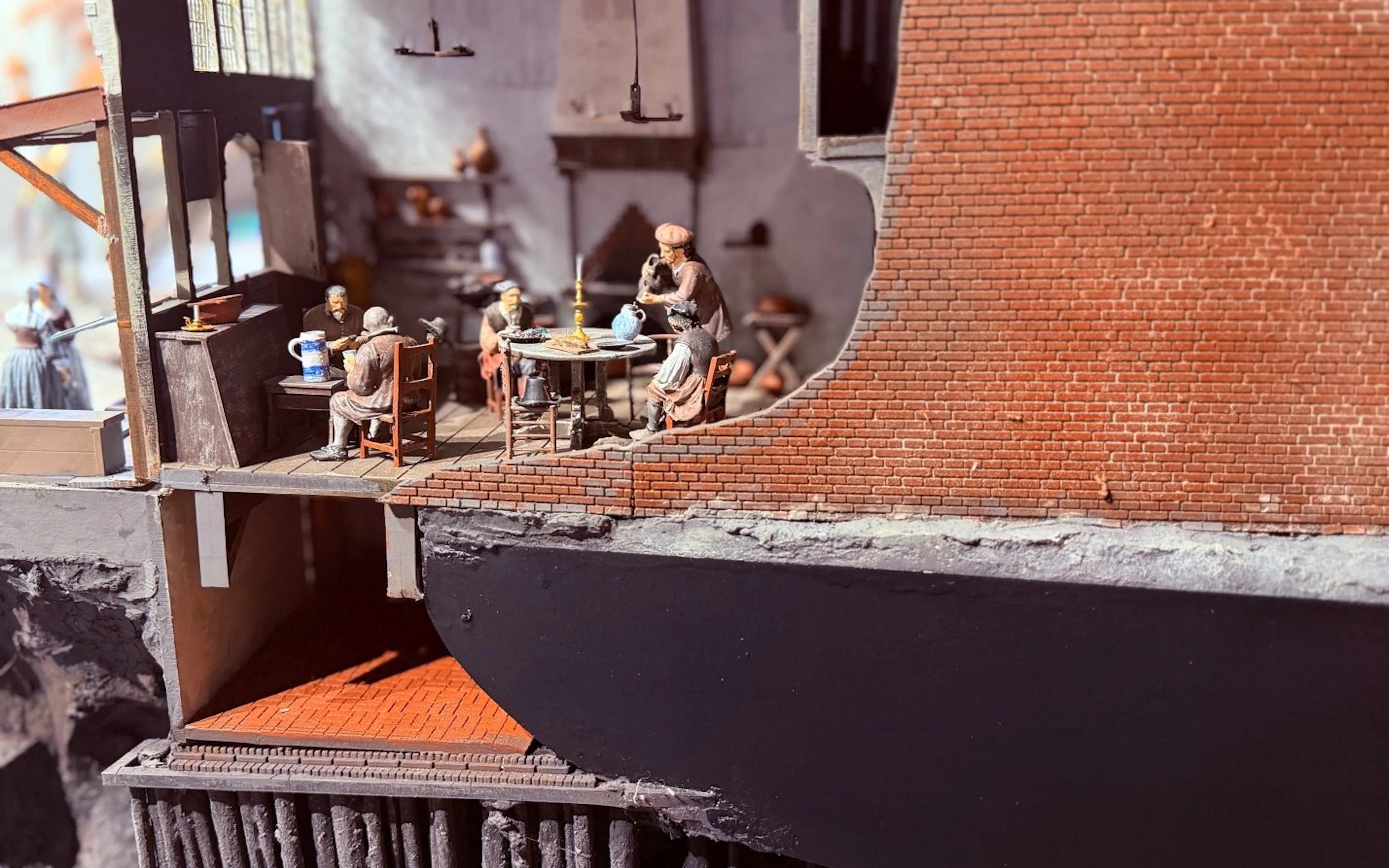
1/7
Early Amsterdam scenes
Located near the entrance, this section traces Amsterdam’s earliest urban development through detailed miniature streets and buildings. It acts as the starting narrative of the museum and quietly guides visitors into the city’s evolution from past to present.
Dam Square (17th century)
This is one of the most detailed and visited miniatures in the museum, recreating Dam Square at its historical peak with civic buildings and daily street life. The level of detail often makes visitors pause far longer than expected, especially around the Royal Palace model.
Red Light District
A visually dense and highly detailed recreation of Amsterdam’s historic nightlife district, featuring illuminated canal houses and street scenes. This section consistently draws heavy visitor attention due to its realism and layered storytelling.
Anne Frank’s Secret Annex
A deeply intimate 1:12 scale reconstruction of the hidden annex where eight people lived in hiding during WWII. The confined rooms and sparse interiors create a powerful emotional contrast to the rest of the museum. Most visitors spend extra time here in silence.
Amsterdam Pride (Canal Parade)
A vibrant modern scene capturing the city’s Pride celebrations with decorated canal boats and crowds along the waterways. It represents Amsterdam’s contemporary identity and is one of the most photographed displays in the museum.
Vondelpark scene
A calmer miniature showing Amsterdam’s most famous park with walking paths, greenery, and everyday leisure moments. It offers a slower, reflective contrast to the city’s denser historical districts.
Zaanse Schans model
This rural Dutch scene recreates windmills, wooden houses, and waterways in fine detail. It stands out as a contrast to the city-focused exhibits and gives visitors a sense of traditional Dutch life outside Amsterdam.
Want to explore more of Amsterdam beyond the Miniatuur Museum?
Combine your visit with nearby highlights like the Rijksmuseum, Moco Museum, or a relaxing 1-hour canal cruise for a fuller Amsterdam experience that blends art, culture, and scenic waterways.
How to explore the Miniatuur Museum Amsterdam?
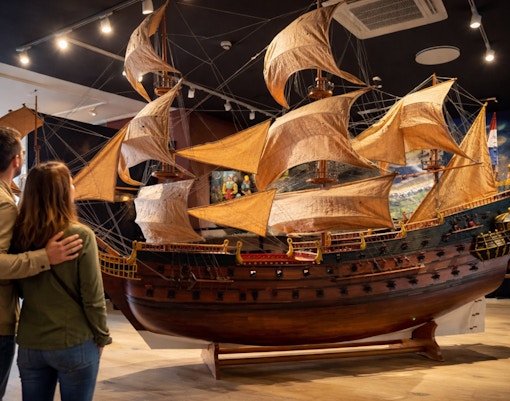
Time needed

Suggested route
Start at the early Amsterdam scenes near the entrance to understand the city’s development. Continue to Dam Square (17th century) as the main historical anchor, then move through the Red Light District miniature and Anne Frank’s Secret Annex for deeper storytelling. Finish with the Amsterdam Pride Canal Parade and Zaanse Schans model to see modern culture and rural contrast before exiting via the Museumplein garden.
Must-see
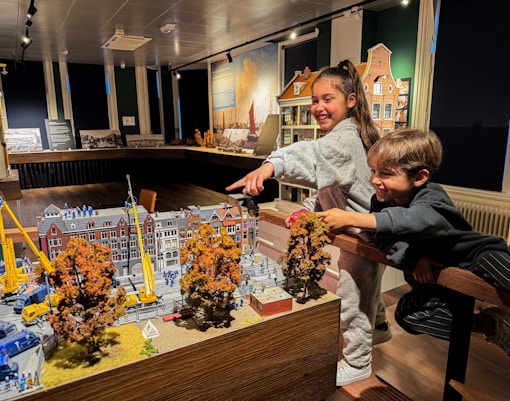
Dam Square miniature, Anne Frank’s Secret Annex, Red Light District scene. These are the most detailed and emotionally engaging parts, and most visitors naturally slow down here.
Optional: Museumplein garden and Zaanse Schans model are great if you have extra time or want a calmer wrap-up after the main exhibits.

Self-paced vs. guided
The museum is designed as a self-paced experience, allowing you to move freely between scenes. There are no strict guided tour routes, but pairing your visit with a canal cruise or nearby museum combo can add helpful city context.
Brief history of the Miniatuur Museum Amsterdam
Miniatuur Museum Amsterdam was developed as part of a modern wave of experiential museums designed to make city storytelling more visual and accessible. The concept was built around presenting Amsterdam’s history, architecture, and culture in detailed miniature form, allowing visitors to experience the city at a reduced scale.
The museum project evolved over several years, with designers and model makers creating 1:12 scale recreations of key urban landmarks and cultural scenes. Early development focused on historical areas such as Dam Square and early Amsterdam street layouts, gradually expanding to include modern cultural moments like the Canal Pride Parade.
It officially opened in 2025 in Amsterdam’s Museumplein district, placing it within the city’s primary cultural hub alongside major institutions. Since opening, it has continued to evolve with new miniature installations that reflect both historical and contemporary Amsterdam, keeping the exhibition dynamic and closely connected to the city’s ongoing story.
Architecture of Miniatuur Museum Amsterdam
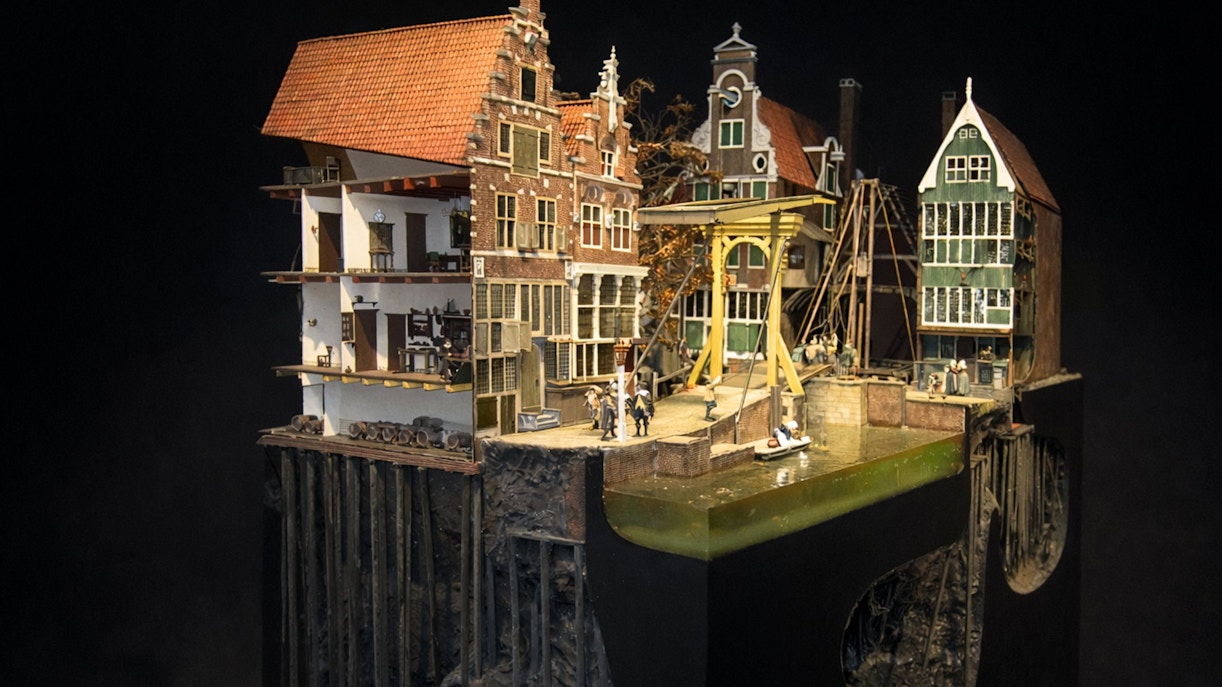
Miniatuur Museum Amsterdam is designed as a modern indoor exhibition space built to support detailed miniature displays. The layout is structured to guide visitors through themed zones, allowing a smooth, self-paced walkthrough experience. Large viewing areas, controlled lighting, and open circulation paths help ensure every miniature scene is clearly visible and easy to explore.
The design prioritises storytelling over architectural spectacle, keeping the focus on the miniature recreations of Amsterdam rather than the building itself. The result is a calm, gallery-style environment where visitors move seamlessly between historical and modern city scenes.
As a visitor, the space feels immersive and focused, with the architecture intentionally understated so the miniature worlds remain the centre of attention.
Who built the Miniatuur Museum Amsterdam?
Miniatuur Museum Amsterdam was developed as a contemporary experiential museum by its creators as a collaborative exhibition project. It was designed by a team of exhibition planners and model makers rather than a single named architect. The focus of its development was on visual storytelling through scale models of Amsterdam rather than architectural innovation of the building itself.
Frequently asked questions about the Miniatuur Museum Amsterdam
Yes, especially if you enjoy visual storytelling and detail-rich exhibits. The museum transforms Amsterdam’s history and culture into miniature scenes that feel surprisingly immersive. It’s a calm, engaging indoor experience that pairs well with nearby attractions like the Rijksmuseum or a canal cruise.
Most visitors spend around 60–90 minutes exploring at a comfortable pace. If you pause for photos or explore each miniature scene in detail, allow up to 2 hours. The compact layout makes it easy to fit into a half-day Museumplein itinerary.
Key highlights include the Dam Square 17th-century model, Anne Frank’s Secret Annex miniature, and the Red Light District scene. These are among the most detailed and visually dense displays, and visitors often spend the most time in these sections due to their storytelling depth.
Weekday mornings between 10 am and 12 pm are generally quieter, offering a more relaxed experience for viewing detailed exhibits. Late afternoons can also be less crowded compared to midday peak hours, especially during weekends and holiday periods around Museumplein.
Advance booking is recommended during weekends, school holidays, and peak travel seasons to secure preferred time slots. Timed entry helps manage crowd flow and ensures a smoother visit. You can view available options and entry times on the official ticket page.