Tickets Amsterdam


Neighborhood at a glance

  • Why visit: A former working-class quarter west of the main canal ring where narrow flower-named streets, the Noordermarkt square, the Anne Frank House on Prinsengracht and dozens of canalside brown cafés sit within a few blocks of each other.
  • Atmosphere: Quiet, residential, low-rise, café-lined.
  • Top things to do: Visit the Anne Frank House on Prinsengracht, shop the Saturday organic market on Noordermarkt, walk the Bloemgracht and Egelantiersgracht canals, drink at a brown café like 't Smalle.
  • Best for: Slow walkers, canal photography, café culture, food and market shoppers.
  • Time needed: 3 to 4 hours.
  • Best time to visit: Saturday morning from 9am, when the Noordermarkt organic farmers market and the nearby Lindengracht market are both running.
  • Nearby: Anne Frank House, Westerkerk, Homomonument, Noorderkerk, Brouwersgracht, Negen Straatjes (Nine Streets).

Top things to do in Jordaan

Pro tip

Arrive at the Noordermarkt by 9.30am on a Saturday and eat first at Winkel 43 before the apple-pie queue builds, then shop the organic stalls; by 11am both the café terrace and the cheese stalls are three deep.

Quick navigation

🏛️ Why visit  | 🎟️ Best ways to explore |🧭 Plan your visit | 🌟 Free things to do | 📋 Itinerary | 💡 Tips |🍴 Dining

Why visit Jordaan

Placeholder Image Headout Blimp
1/5

A whole neighborhood that predates the planned canal grid

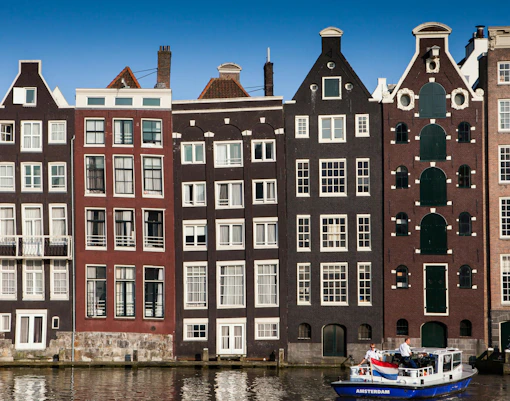
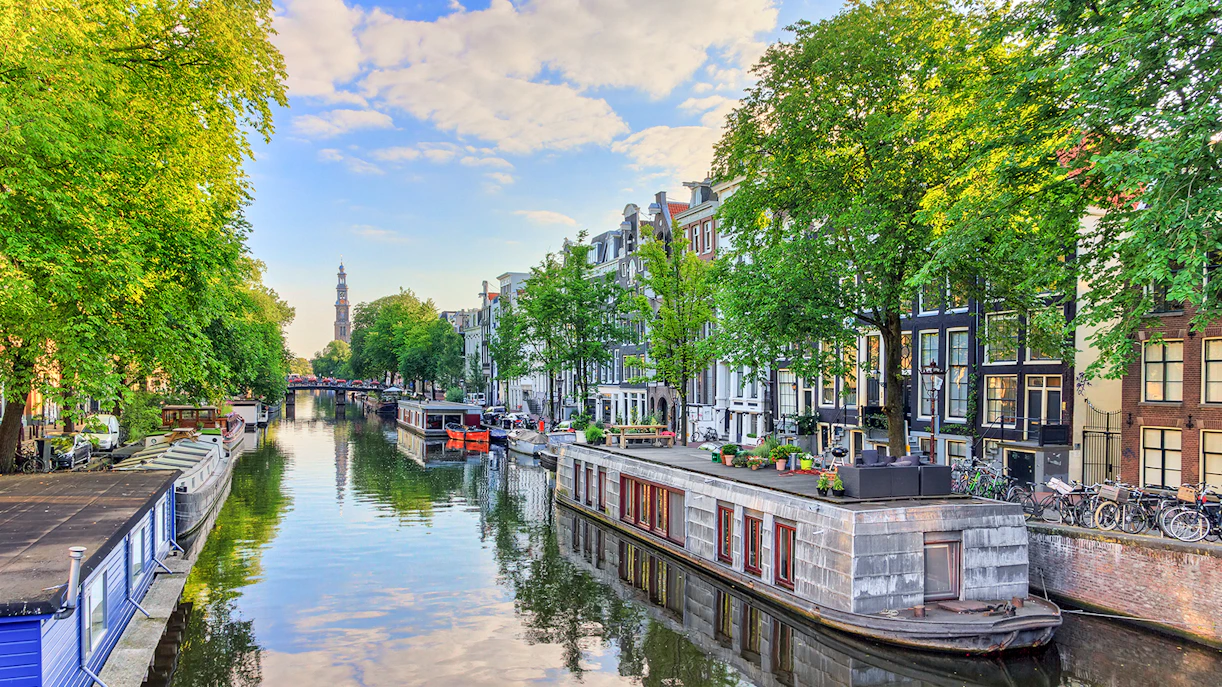
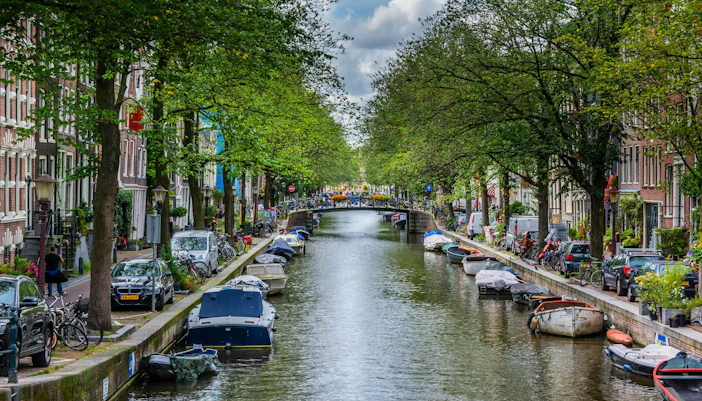
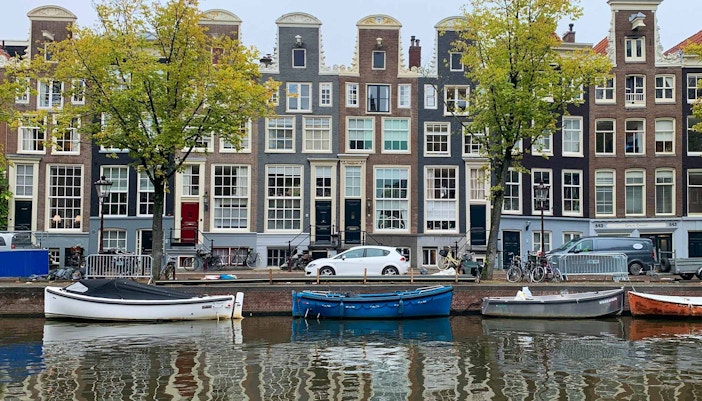
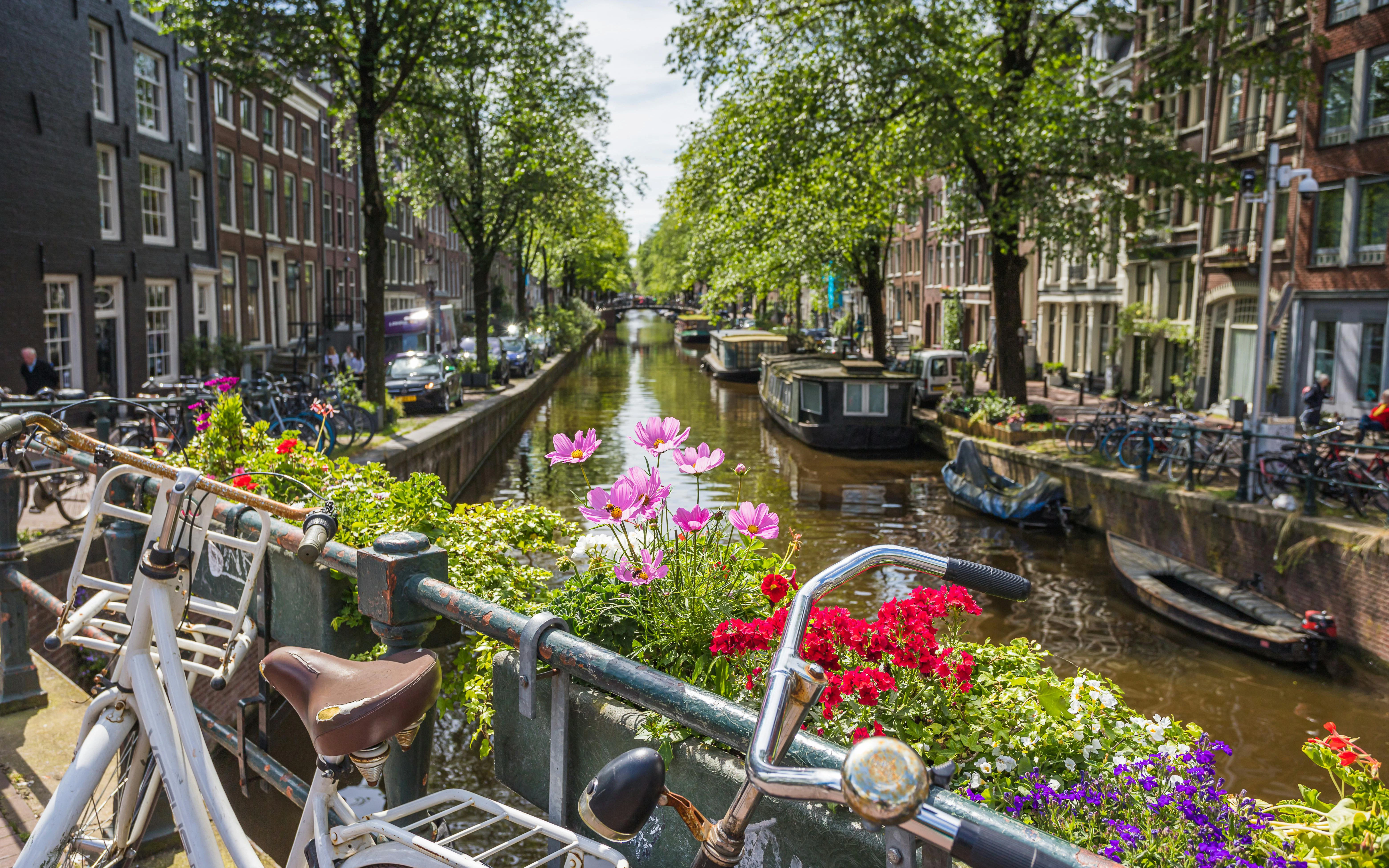
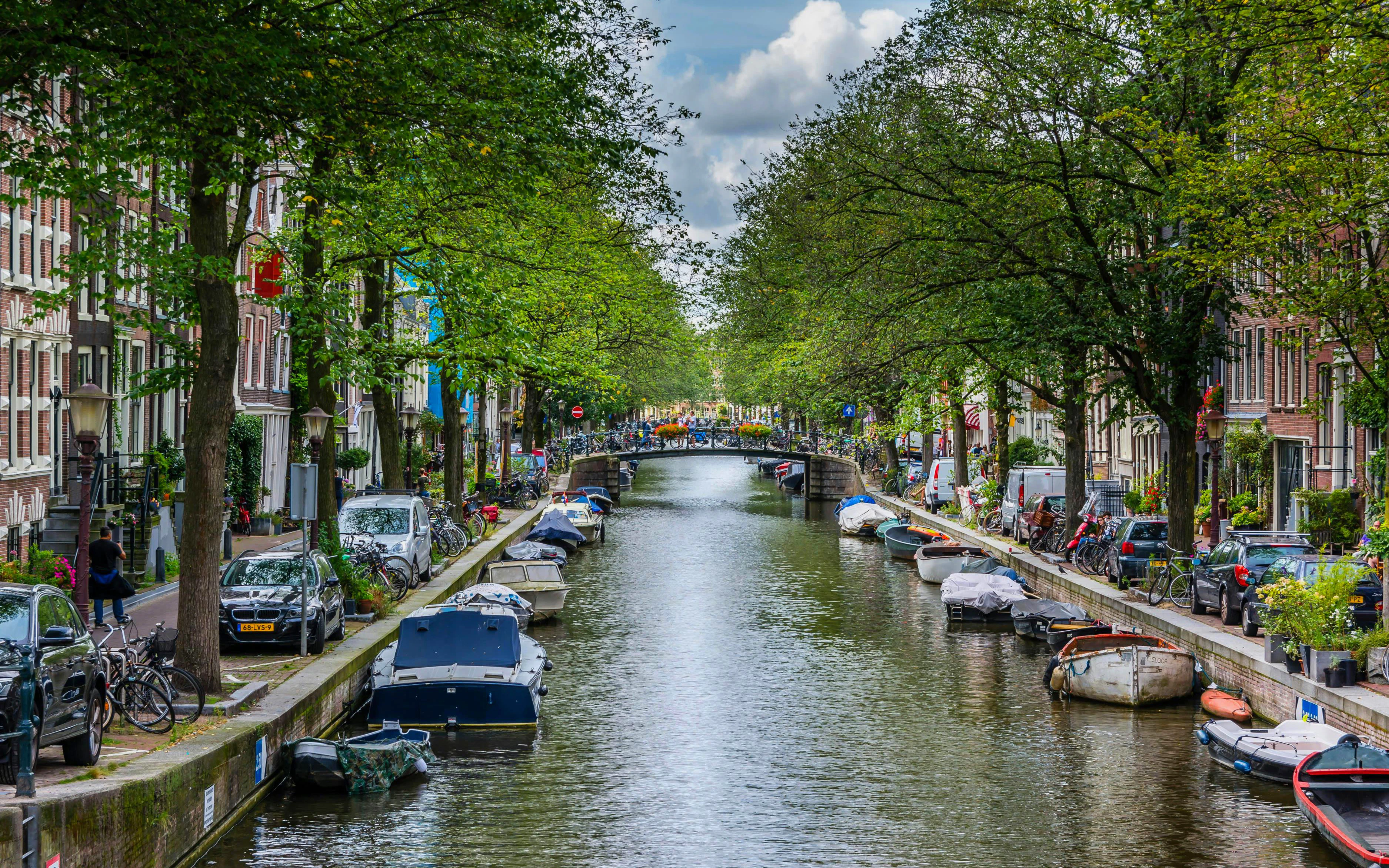
The Jordaan was laid out around 1612 as part of Amsterdam's great expansion, but unlike the wealthy Grachtengordel beside it, its streets follow the lines of old polder ditches and field paths rather than a designed grid. That is why the streets run at slight angles and bear the names of flowers and trees, Bloemstraat, Rozengracht, Egelantiersgracht, Lindengracht. It was built for laborers, tanners, dyers and immigrant families pushed outside the genteel canal ring. Walking it today, the off-kilter blocks and low houses are the direct, physical legacy of that origin.

The Anne Frank House is here, and so is the tower from the diary

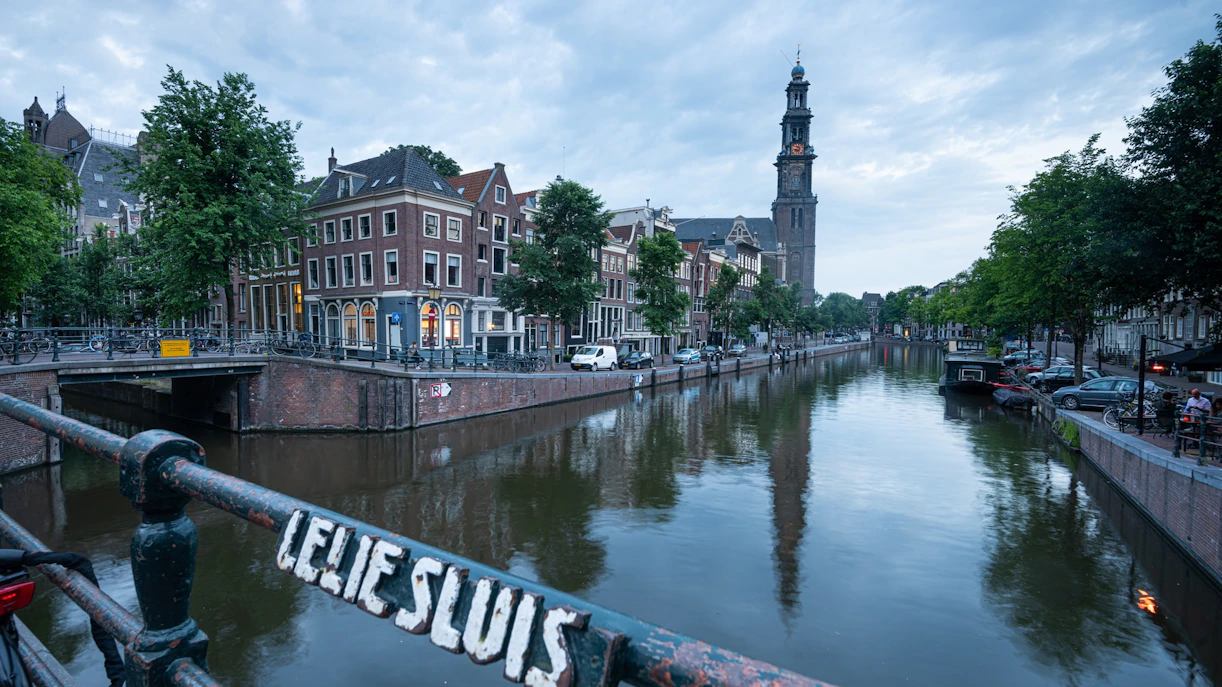
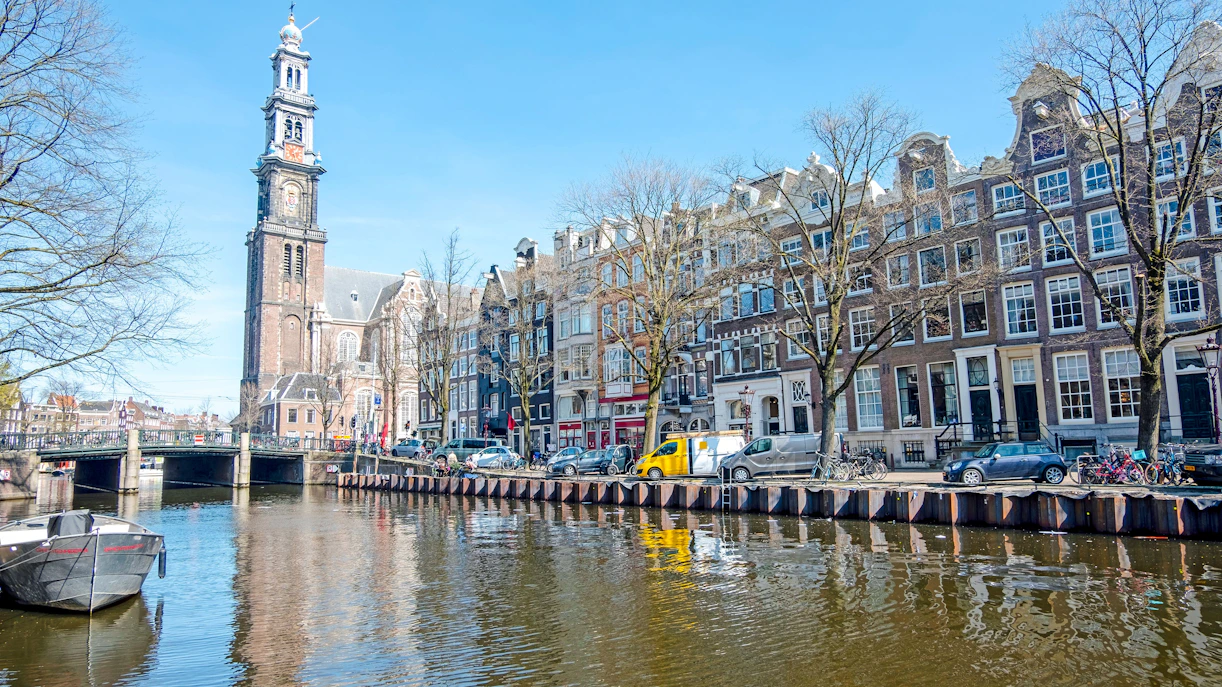
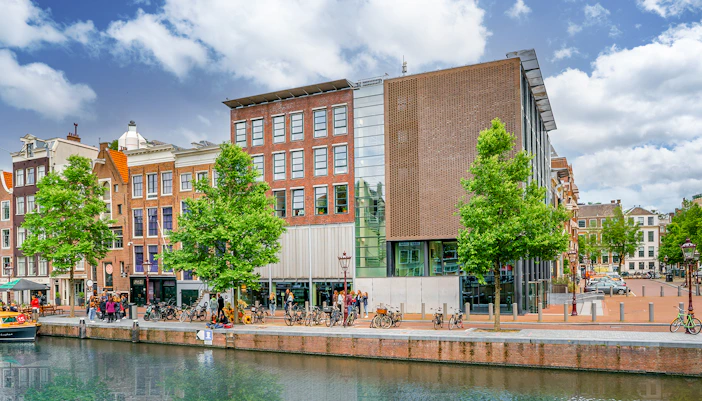
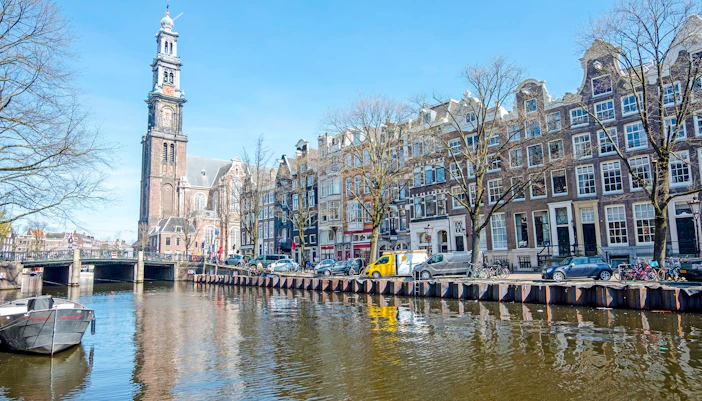
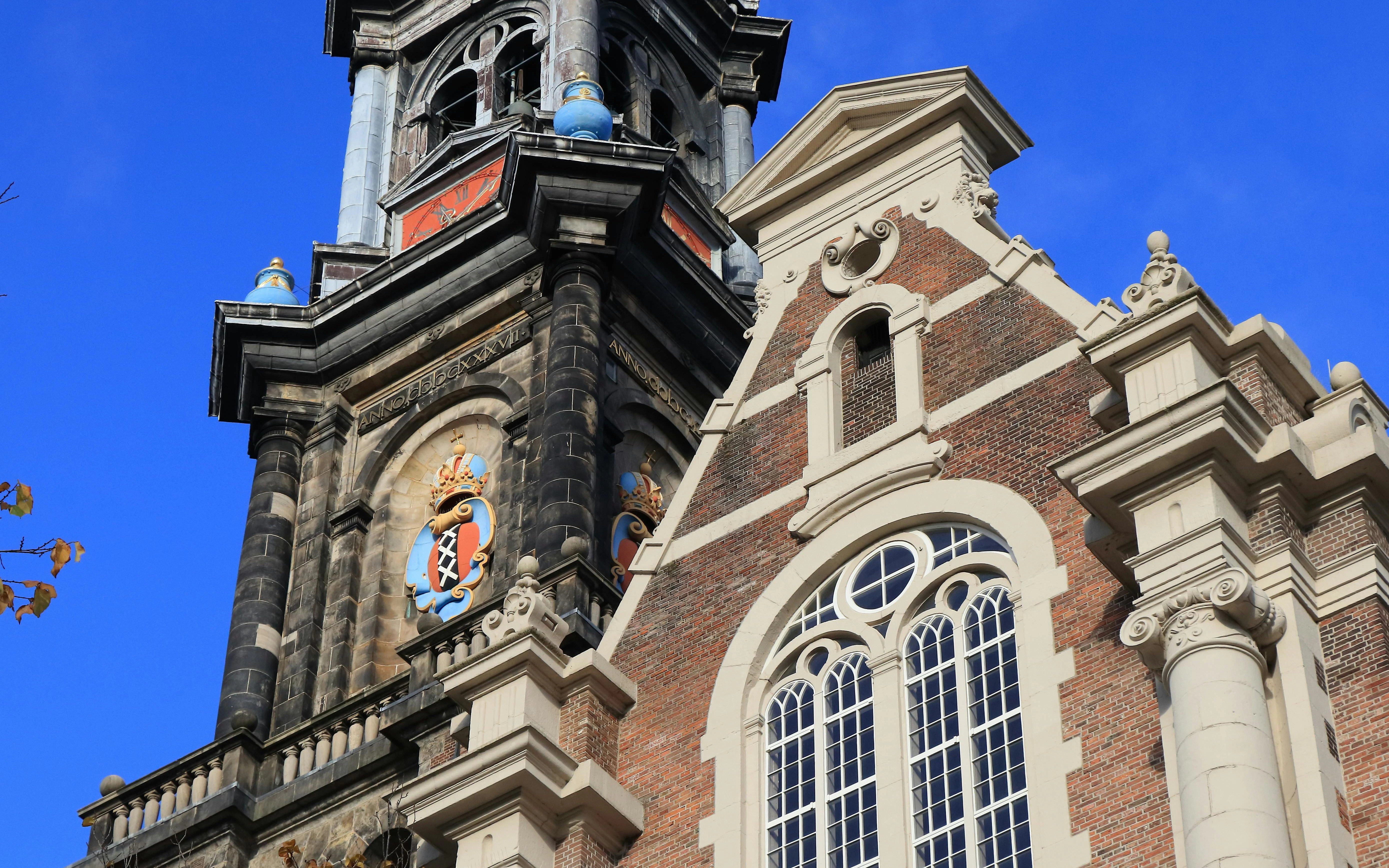
Prinsengracht 263 is where the Frank family hid from 1942 to 1944, and the museum preserves the Secret Annex behind the bookcase along with Anne's original diary. Less obvious is that the Westerkerk tower, two minutes away, is the same one whose chiming bells Anne described as a comfort while in hiding. Standing on the Westermarkt you can see the canal house and the tower together.

Markets that locals actually shop, not tourist stalls

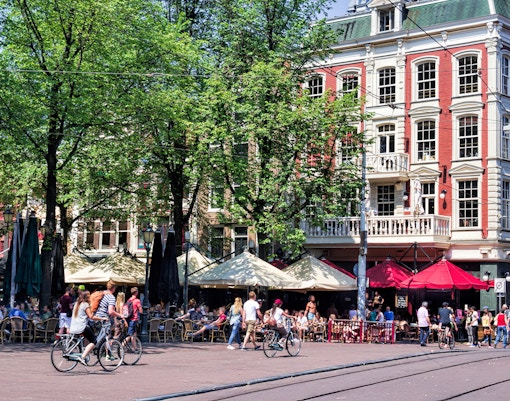
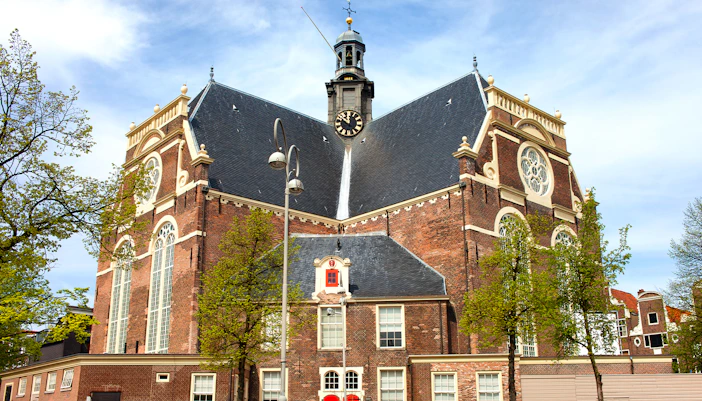
Every Saturday the Noordermarkt becomes the Boerenmarkt, an organic farmers market of more than 40 stalls selling raw-milk cheeses, wild mushrooms, breads and flowers, while three minutes south the Lindengracht market sells everything from fish to fabric. On Mondays the same Noordermarkt square turns into an antiques and flea market, with a textile market running around the corner on Westerstraat. These are working neighborhood markets where Jordaan residents buy their week's food.

The hofjes: courtyards you can step into off a public street

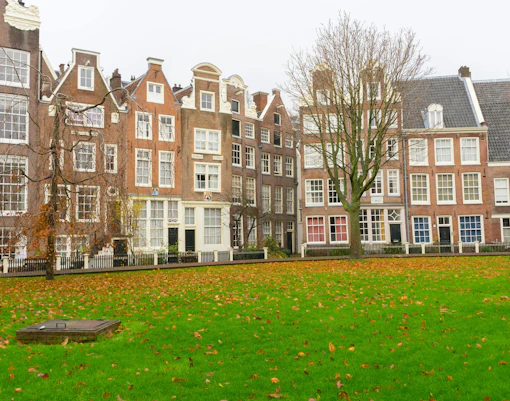
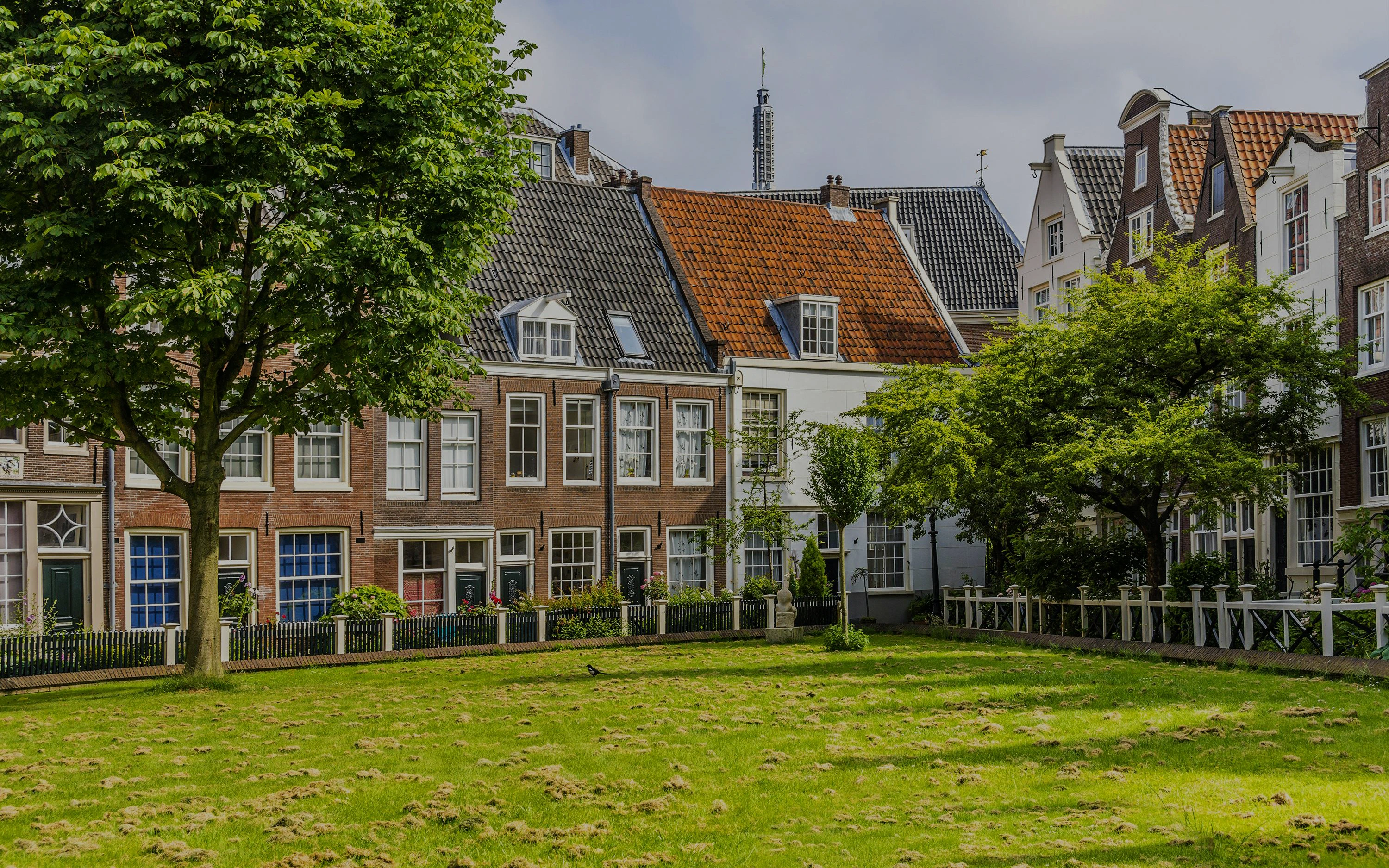
Behind plain doors on streets like Egelantiersgracht and Karthuizersstraat sit the hofjes, almshouse courtyards founded centuries ago to house elderly or poor women, now quiet residential gardens. Sint Andrieshof, reached through a corridor lined with Delft tiles, and the Karthuizerhof are among the calmest spaces in the city centre. They remain private homes, so daytime visitors are welcome to look but expected to stay quiet.

 Brown café culture within a five-minute walk

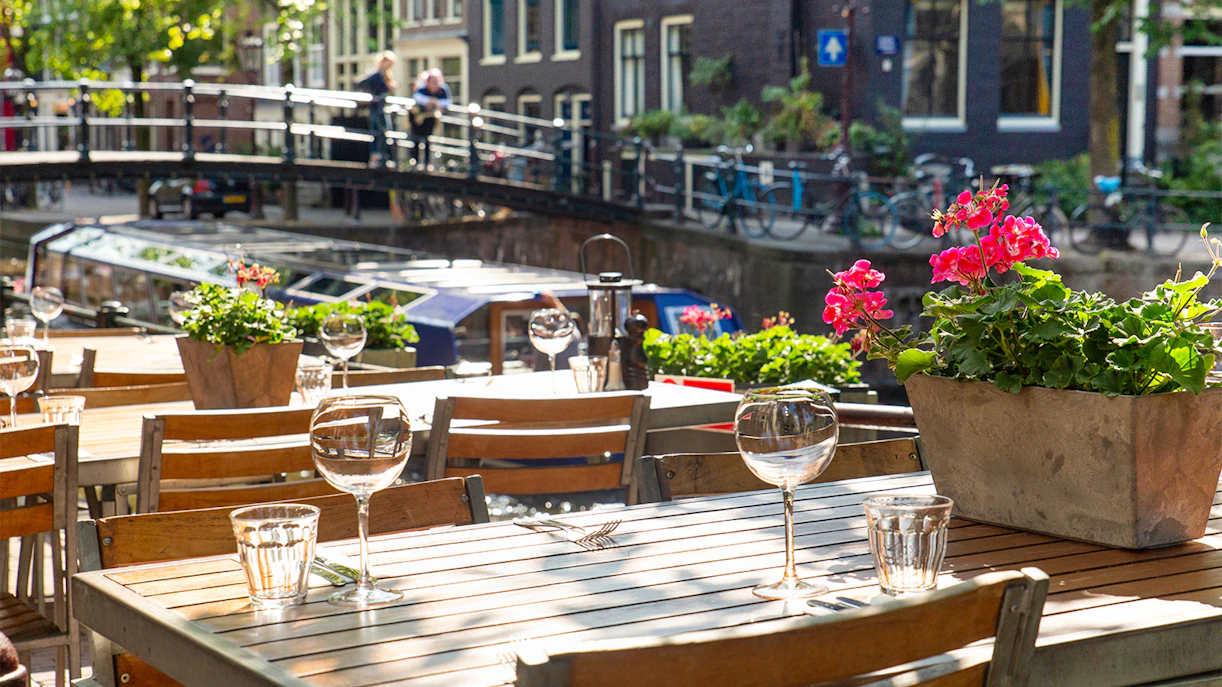
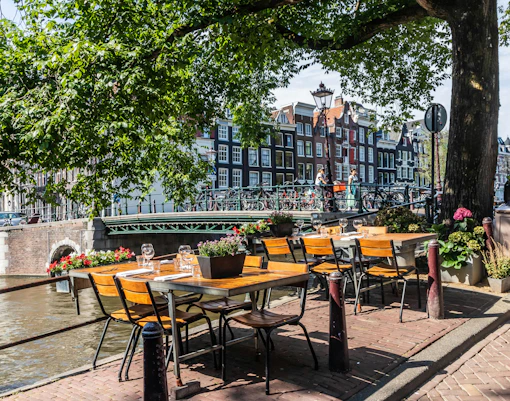
The Jordaan holds one of the densest clusters of bruine kroegen, the wood-panelled, tobacco-stained traditional pubs, found anywhere in Amsterdam, but mostly in Jordaan. Café Chris on Bloemstraat has poured drinks since 1624, 't Smalle on the Egelantiersgracht has a canalside terrace on a 1786 building, and Café Nol on Westerstraat is where the Jordaan folk-singing tradition is still loud on weekends. You can walk between four or five of them in under ten minutes.

Best ways to explore Jordaan

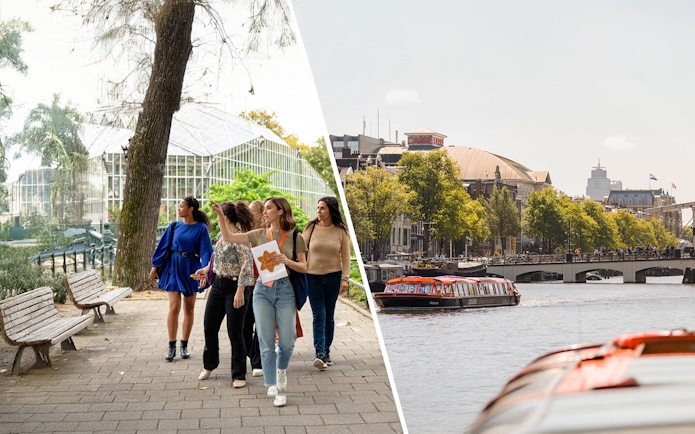
A Jordaan walking tour typically threads the flower-named streets and dwarsstraten, stops at the Anne Frank House and Westerkerk on Prinsengracht, crosses the Bloemgracht and Egelantiersgracht, and ducks into a hofje or two. Many combine the Jordaan with the adjoining canal ring and Leidseplein, since the three sit in a continuous walk.

Pro tip: Plan it as a guided walk

A guided Jordaan and Anne Frank route covers the Secret Annex, the Westerkerk tower, the flower-named canals and Leidseplein in one continuous loop, so you are not hunting for the unmarked hofje doors yourself.

Plan your visit

Pass tip: I Amsterdam Card

The I Amsterdam City Card covers a canal cruise and most central museums, but note it does not include the Anne Frank House, which sells separately and online only. If the Anne Frank House is your priority, book it directly the moment your six-week slot opens and use a separate experience for the cruise.

Free things to do in Jordaan

Suggested itinerary for visiting Jordaan

The Jordaan is small and entirely walkable; nothing inside it is more than about 15 minutes' walk from anything else, and the layout runs in soft north-to-south strips between the Prinsengracht and Lijnbaansgracht. These routes flow from the Anne Frank House end northward without backtracking.

Tips for visiting Jordaan

  • For the Noordermarkt, come Saturday for the organic farmers market or Monday for antiques and textiles; the square is empty on other days, so a Tuesday visit expecting a market is a wasted trip.
  • Eat your apple pie at Winkel 43 on Noordermarkt 43, but if the queue is long, walk 5 minutes to Café Papeneiland on the Brouwersgracht corner, which serves a comparable slice with a shorter wait and a canal view.
  • To find the hofjes, look for plain doors rather than signs: Sint Andrieshof is at Egelantiersgracht 107 to 145 behind an unmarked entrance, and you walk through a tiled passage to reach the garden. Keep voices low, as people live there.
  • The best free viewpoint most visitors miss is the bridge where the Brouwersgracht meets the Prinsengracht at the northern tip; from there you can line up three canals at once, a wider frame than the crowded spot outside the Anne Frank House.
  • The Jordaan has no metro and few clear signs, so use Westermarkt and the Westerkerk tower as your fixed reference point; if you can see the tower, you can orient yourself back to the southeast corner.
  • For an authentic levenslied singalong, go to Café Nol on Westerstraat or De Twee Zwaantjes on Prinsengracht on a Friday or Saturday night, not on a quiet weekday when no one is singing.
  • Watch for cyclists, not just cars, when crossing Rozengracht and Marnixstraat; these are the fast through-roads, while the inner flower-named streets are calm.

Best photo spots in Jordaan

Placeholder Image Headout Blimp

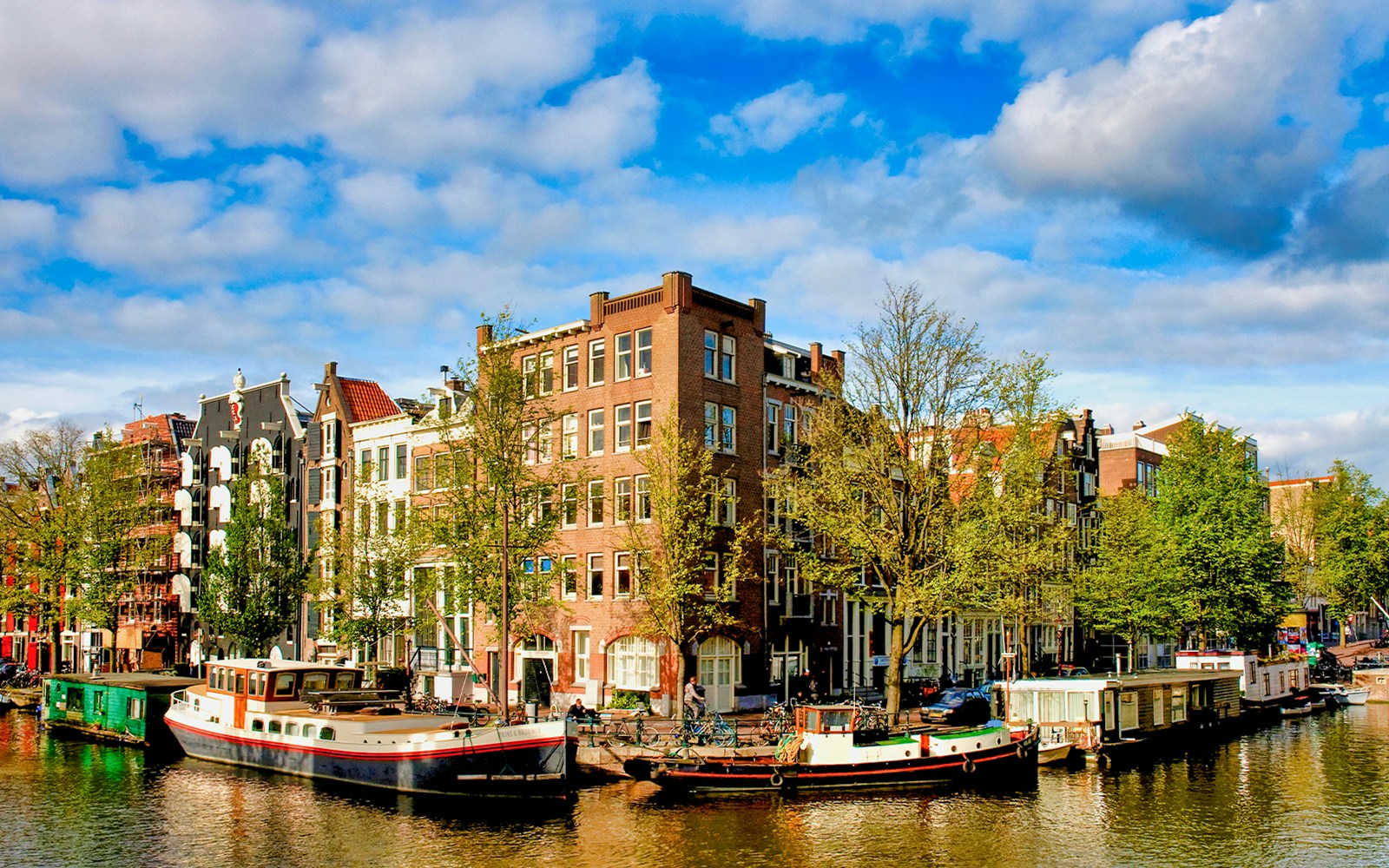
Brouwersgracht bridge at the Prinsengracht corner, late afternoon

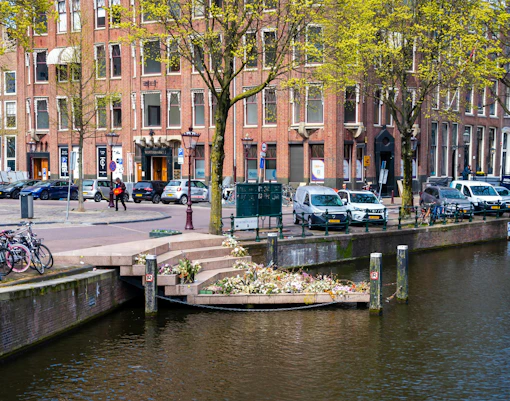
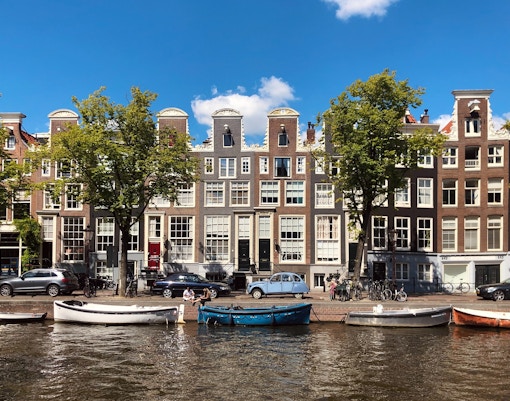
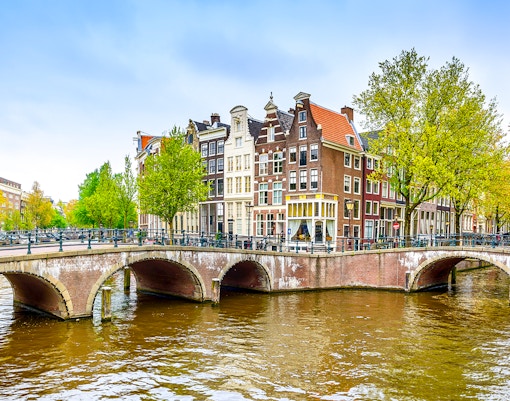
Stand on the bridge at the northern tip where the Brouwersgracht meets the Prinsengracht and face southwest. The frame catches converted warehouses with painted gable names, houseboats and two or three canals receding at once. Late afternoon light rakes along the brick and is the warmest of the day.

Placeholder Image Headout Blimp

Dining in Jordaan

Must-eat tip

Order the appeltaart at Winkel 43 on the Noordermarkt; the deep, spiced, freshly baked Dutch apple pie under a mound of whipped cream is the single dish most tied to this square, and the corner terrace is the place locals eat it on market mornings.

Should you stay in Jordaan?

Short answer: Yes, if you want a quiet, residential base with strong local character and short walks to the canal ring. Less convenient if you want late-night nightlife or a hotel cluster on your doorstep, since supply is limited and mostly small.

  • The vibe: After the day-trippers leave the Anne Frank House queue, the Jordaan goes quiet early; the flower-named streets are residential, the loudest evening sound is singing spilling from Café Nol or the canalside terrace at 't Smalle. Mornings start with market deliveries on the Noordermarkt rather than tour buses.
  • The logistics: Accommodation is dominated by small boutique hotels, canal-house bed-and-breakfasts and apartment rentals in protected 17th-century buildings; there are few large chains, rooms tend to be small and stairs steep, and prices run high for the size because supply is capped by heritage rules.
  • Who it's for: It suits repeat visitors, couples and slow travelers who value atmosphere and walkability over convenience. It is less suited to first-timers wanting a big-hotel base by the station, anyone needing step-free access, or groups looking for nightlife on the doorstep.
  • Top recommendation: Look for a canal-house room around the Bloemgracht or Egelantiersgracht for the quietest, most scenic stretch, or near the Noordermarkt if you want the Saturday market and cafés below your window. Avoid rooms directly on Rozengracht or Marnixstraat, which carry tram and traffic noise.

Explore other neighborhoods

Frequently asked questions about Jordaan

It sits right on the eastern edge, on Prinsengracht facing the canal ring, with its entrance on the Westermarkt; many consider it the border between the Jordaan and the Grachtengordel. For visiting purposes it anchors the southeast corner of the neighborhood, a couple of minutes from the Westerkerk and the flower-named streets.