All about the Upside Down Museum Amsterdam | A playful world of optical illusions

Why is the Upside Down Museum Amsterdam a must-visit attraction?

The Upside Down Museum Amsterdam turns everyday reality on its head, quite literally. Instead of traditional exhibits behind ropes, this museum invites you into bold, colourful rooms where floors become ceilings and gravity feels optional.

What truly sets it apart is how hands-on everything feels. Rooms are built to be touched, posed in, and photographed from unexpected angles. From floating furniture to mirrored spaces and optical tricks, the museum feels more like a creative playground than a conventional gallery.

You don’t need any background knowledge to enjoy it. Friends, families, couples, and solo visitors all find themselves laughing, experimenting with poses, and walking away with camera rolls full of surreal memories that feel uniquely personal.

What to see at the Upside Down Museum Amsterdam?

The Upside Down Museum is made up of themed rooms, each designed around illusion, colour, and playful perspective. Here’s what you can expect as you move through the experience!

Upside down rooms

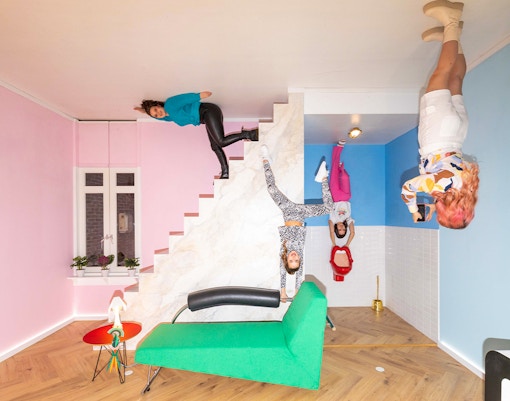
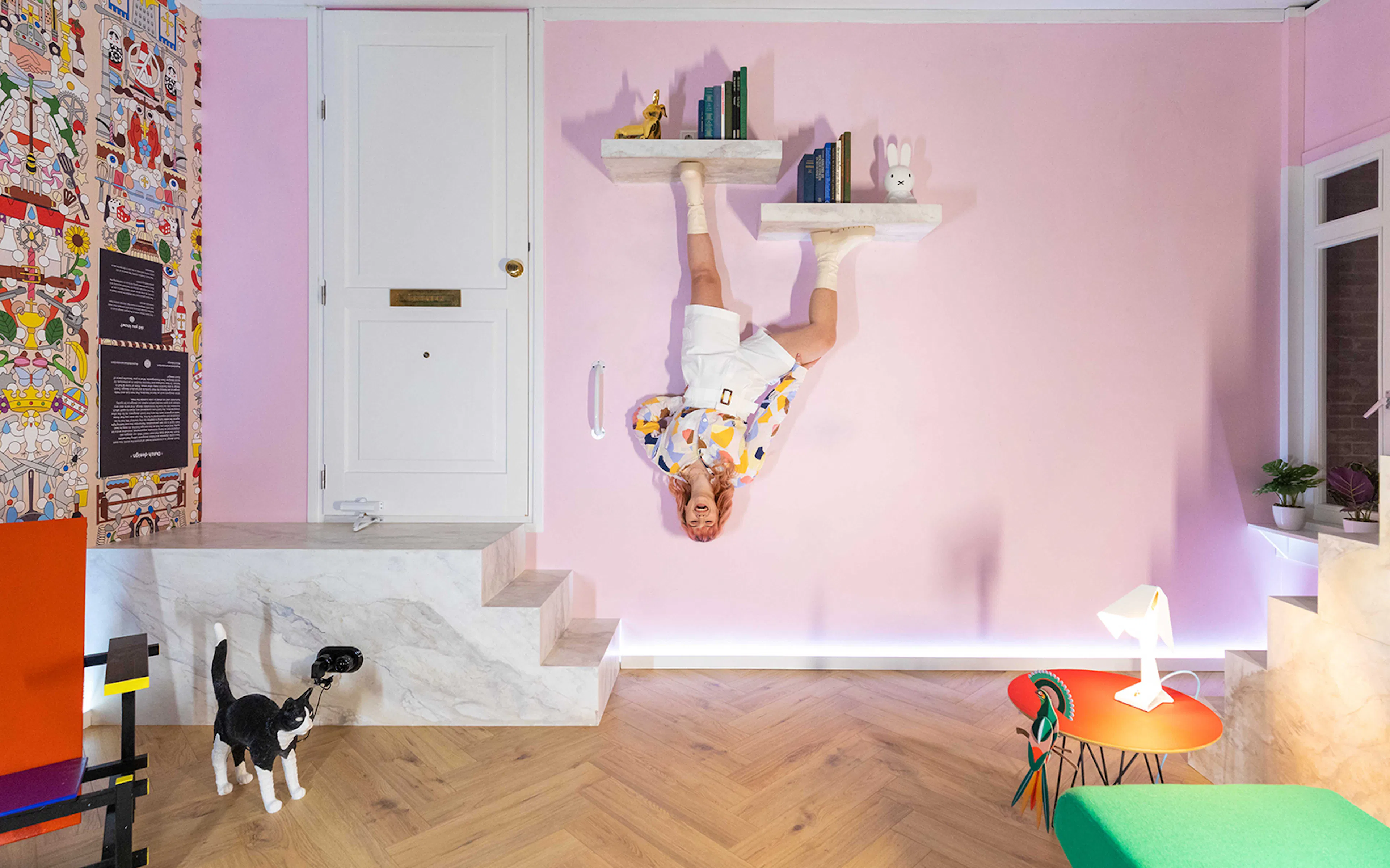
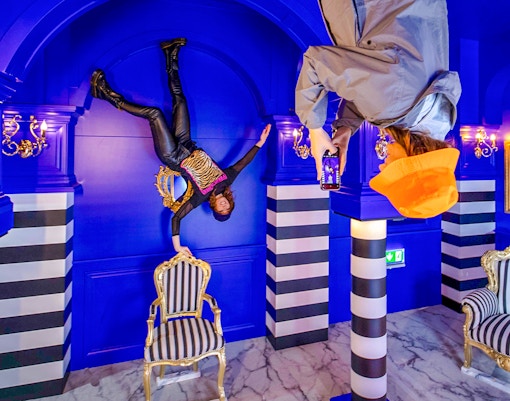
These are the museum’s signature spaces, where furniture hangs from the ceiling and rooms appear flipped entirely. Sofas, kitchens, and bedrooms challenge your sense of balance, creating photos that look impossible at first glance.

Notable rooms: Upside Down Living Room, Upside Down Bedroom, Floating Café.
Optical illusion spaces

These rooms play tricks on your eyes. Walls shift, shapes stretch, and reflections bend perception. Clever angles and mirrors create visuals that change depending on where you stand, making every shot feel different.

Notable illusions: Infinity Mirrors, Distorted Perspective Room, Kaleidoscope Tunnel.

Colour & pattern installations

Bold colours and repeating patterns fill these spaces, designed to feel energetic and playful. The rooms are visually loud in the best way, encouraging creative poses and movement-based photos.

Notable spaces: Pink Ball Pit, Neon Pattern Room, Pop-Art Corridor.

Interactive photo sets

These rooms are clearly built with cameras in mind. Markings on the floor suggest the best angles, and some areas even include tips to help you capture the illusion perfectly.

Notable sets: Floating Objects Room, Anti-Gravity Chair, Mirror Box Studio.

Must-see highlights of the Upside Down Museum Amsterdam

Visitors in Dutch Design Room at Upside Down Amsterdam with playful decor.
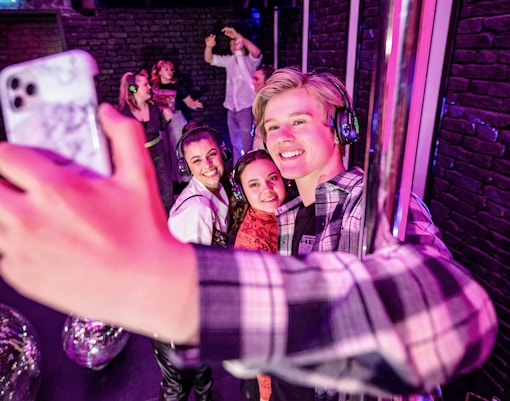
Visitors taking selfies in a mirrored room at The Upside Down Amsterdam.
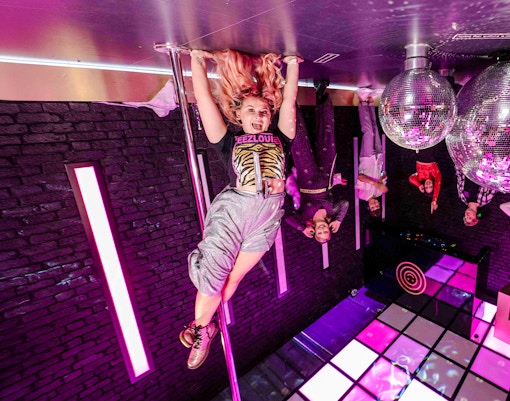
Visitors enjoying The Pool Upside Down in Amsterdam with colorful lights and ball pit.
Person posing upside down in a vibrant blue room at The Upside Down Amsterdam.
Visitor interacting with Mondriaan Room installation at Upside Down Amsterdam.
Visitors taking selfies in a mirrored room at The Upside Down Amsterdam.
Visitors interacting with mirrored disco balls at Upside Down Amsterdam.
Group taking selfie in Mondriaan Room at Upside Down Amsterdam.
1/8

The Upside Down Living Room

A familiar setting with an unexpected twist. Chairs, tables, and lamps appear to defy gravity, making it look like you’re standing on the ceiling. It’s one of the most photographed rooms for a reason.

The Infinity Mirror Room

Endless reflections stretch in every direction, creating a space that feels larger than reality. Lights bounce endlessly, giving photos a dreamy, almost sci-fi look.

The Pink Ball Pit

Bright, playful, and impossible to ignore. This room adds movement and colour to your visit, with photos that feel energetic and carefree rather than carefully posed.

The Floating Chair

This illusion makes it appear as though you’re suspended mid-air. The clever use of hidden supports and camera angles creates a surprisingly convincing result.

The Optical Hallway

A corridor where straight lines don’t feel straight anymore. Walls tilt, floors seem uneven, and your sense of direction feels just slightly off, in the most fun way.

The Mirror Box

Reflections multiply endlessly in this enclosed space, creating striking visuals with very little effort. Even simple poses turn dramatic here.

The Neon Light Room

Glowing colours, reflective surfaces, and sharp contrasts make this space feel energetic and modern, perfect for bold, high-impact photos.

The Pattern Play Room

Repeating shapes and colours create visual rhythm, making movement look exaggerated and dynamic in photos.

Brief history of the Upside Down Museum Amsterdam

The Upside Down Museum Amsterdam opened in 2023 as a pop-up attraction inspired by the global upside-down house trend that gained popularity across Asia and Eastern Europe. Created by creative entrepreneurs, the concept focused on flipping everyday spaces into playful, interactive rooms designed for movement and social sharing.

Located near the lively Rozengracht area, the museum quickly gained attention for its 15+ illusion-filled rooms with gravity-defying furniture and mirrored effects. Growing popularity led to refreshed installations, seasonal themes, and artist collaborations, with regular updates keeping the experience fresh, playful, and repeat-worthy.

Who built the Upside Down Museum Amsterdam?

The Upside Down Museum Amsterdam was created by To Nowhere LLC, the Polish experiential entertainment company behind the original Upside Down House concept. Led by creative director Dawid Ewa, the team adapted the illusion-driven idea to match Amsterdam’s playful, visually bold cultural energy.

A multinational team of architects, illusion designers, visual effects specialists, and local fabricators worked together to build over 15 flipped rooms. Their focus was intuitive interaction, using custom props and optical tricks to turn visitors into active participants rather than passive onlookers.

Architecture of the Upside Down Museum Amsterdam

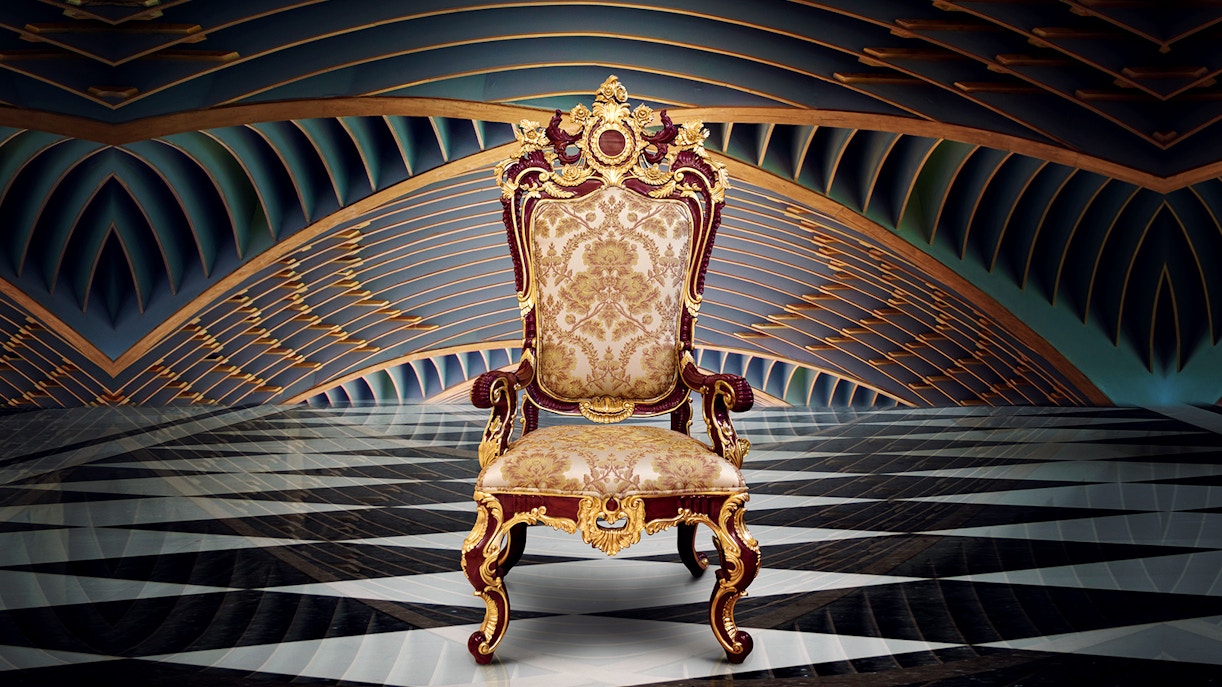
Royal chair in Upside Down Museum's Amsterdam royal room.

Located at Rozengracht 197, the museum sits inside a renovated 19th-century canal warehouse with a minimalist brick-and-glass exterior that keeps expectations low while quietly building curiosity.

Inside, a linear, multi-level layout uses modular frameworks, mirrored walls, and precision lighting to support flipped rooms, seamless illusions, smooth flow, and photo-ready sightlines.

Frequently asked questions about the Upside Down Museum Amsterdam

Yes, every room is designed for participation, posing, and movement rather than passive viewing.