The Fenomena floor offers activities that transform everyday science into playful learning. Visitors can create giant bubbles, spin on a gyroscope, test pulleys, or explore sound and light, making abstract principles both visible and exciting through direct experimentation.
NEMO activities: Experiments, workshops, and maker’s fun
NEMO Science Museum is packed with interactive activities designed to bring science to life. From experiments and workshops to chain reaction shows and creative maker projects, NEMO activities encourage curiosity, creativity, and hands-on learning for children and adults alike.
Activities at NEMO Science Museum
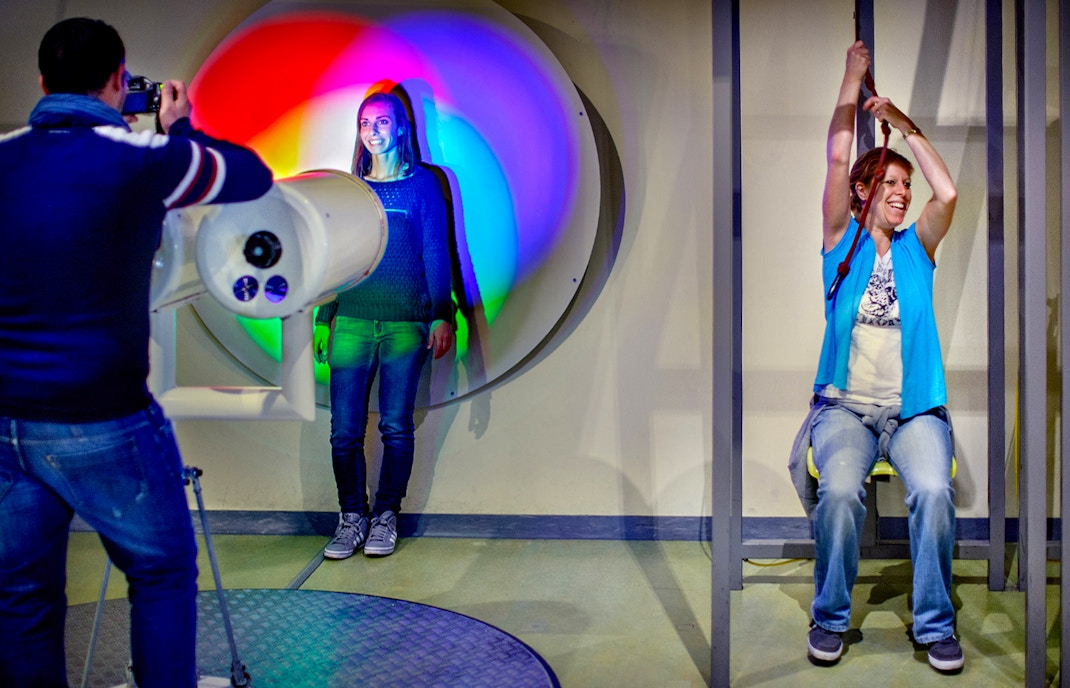
Hands-on experiments
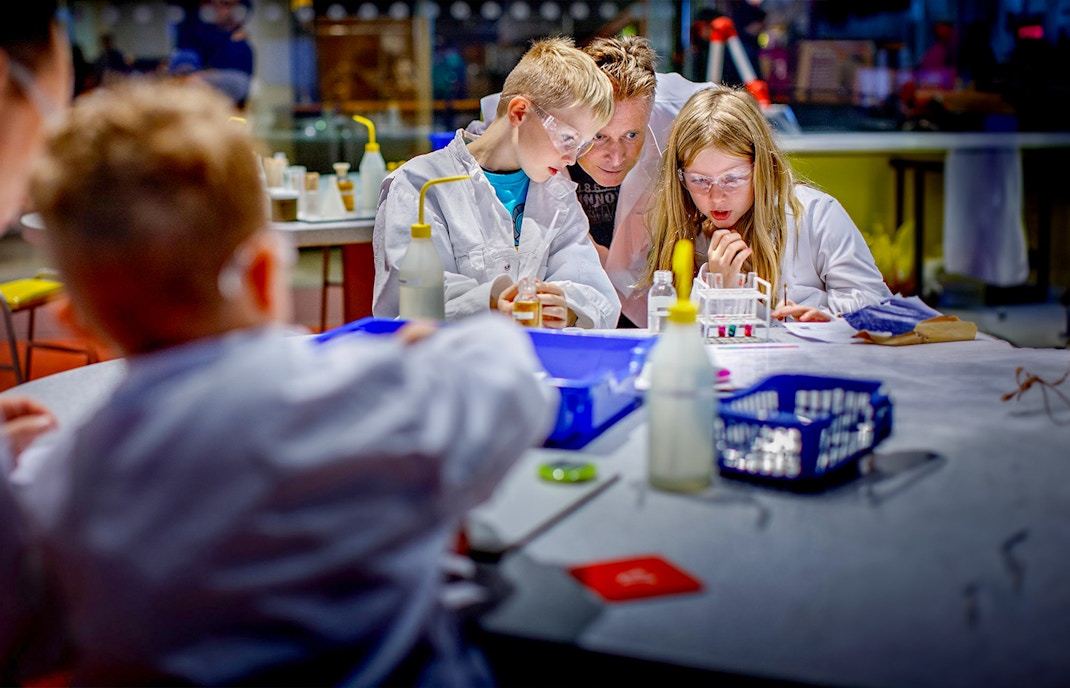
Laboratories & workshops
Special labs invite visitors to try guided experiments under expert supervision. Activities like mixing chemical reactions, structured science tasks, or joining seasonal demonstrations help participants understand real laboratory methods while encouraging problem-solving skills in a supportive, engaging setting.
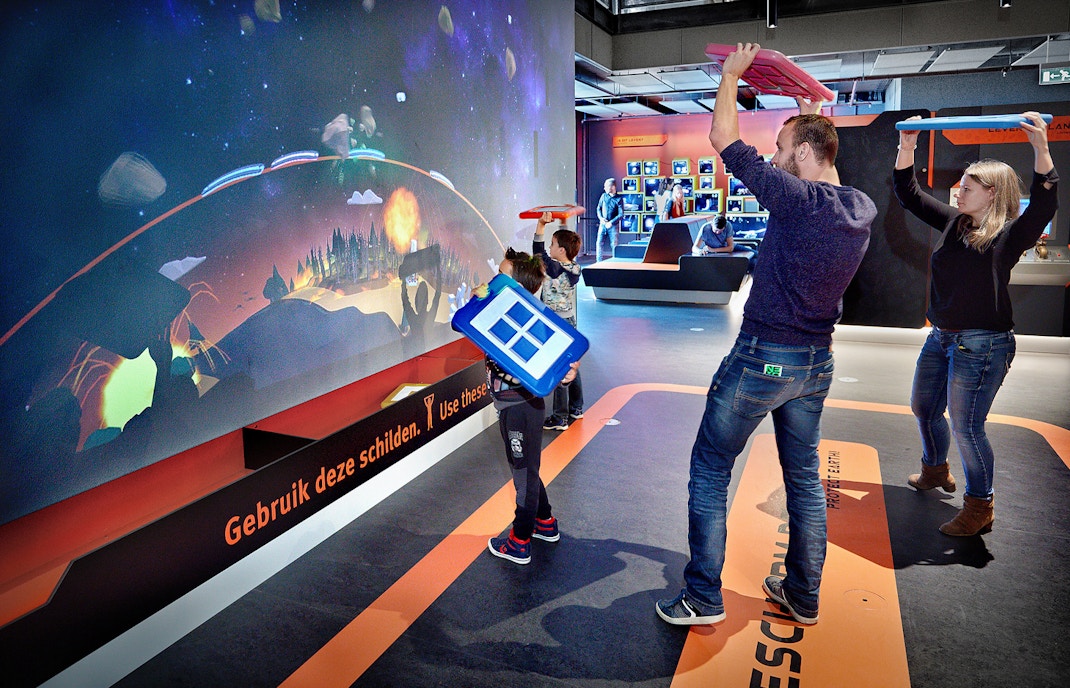
Chain Reaction Show
The famous chain reaction brings science and engineering together in a large Rube Goldberg–style setup. Carefully timed motions, teamwork, and mechanical surprises keep audiences captivated while showing how energy transfer connects even the simplest everyday objects.
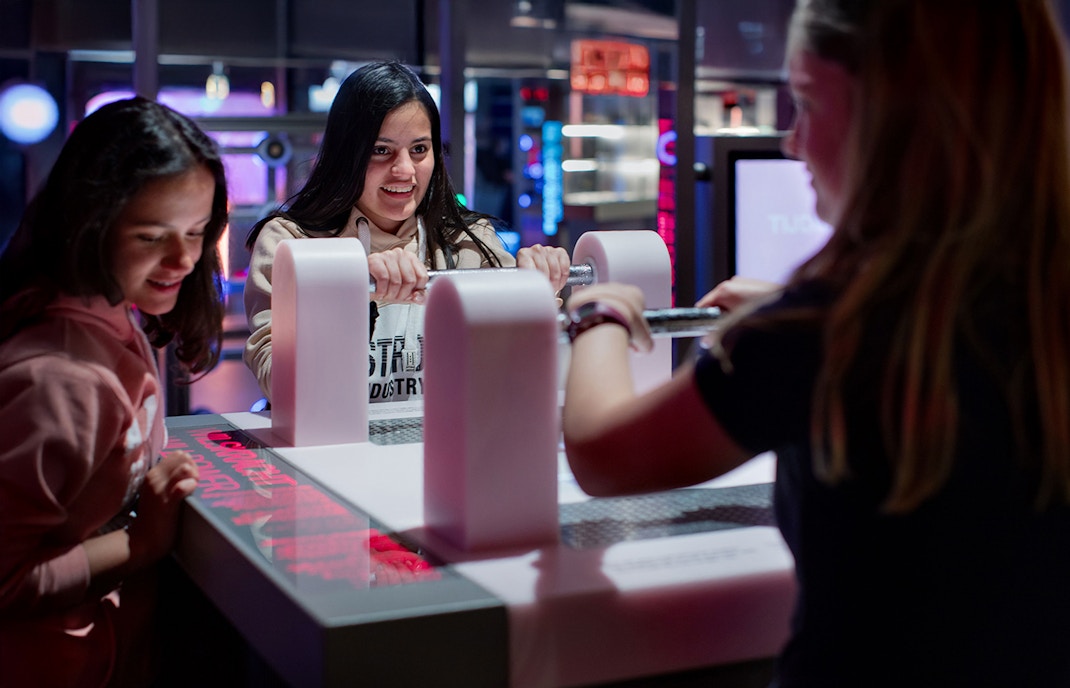
Maker Space
The Maker Space offers a chance to tinker, build, and invent. From constructing wind-powered vehicles to programming basics, these NEMO activities spark creativity and introduce engineering concepts through fun, practical design challenges suited for children and adults alike.
Visitor tips for NEMO activities
- Show timings: Chain Reaction shows don’t run continuously, so check the schedule on arrival to avoid missing this crowd-favorite demonstration.
- Lab registration: Some workshops require signing up at the information desk, as spaces fill quickly. Always ask early to secure a spot.
- Age suitability: Labs often have minimum age requirements for safety. Confirm age guidelines beforehand to prevent disappointment or last-minute changes.
- Time planning: Hands-on experiment areas can take longer than expected, so allow at least two hours to fully enjoy these activities.
- Language support: Many activities include Dutch instructions with English translations. Ask staff for guidance if children need additional language help.
- Reset moments: After chain reactions, resetting takes time. Plan other activities nearby instead of waiting directly in the demonstration space.
- Maker guidance: Staff at the Maker Space are available to guide children through complex projects. Don’t hesitate to ask for design help.
- Accessibility needs: Maker Space and experiments are wheelchair-accessible, but labs may involve high benches. Ask staff about adjustments for accessibility.
Frequently Asked Questions about NEMO activities
Yes, each floor has a theme, offering unique experiments, demonstrations, and interactive setups focused on different science areas.
Most activities are included with general entry, but certain workshops and labs may require same-day registration at the information desk.
The chain reaction runs multiple times daily at scheduled intervals. Exact times are posted on digital boards at the museum entrance.
Yes, the Maker Space welcomes adults too. Visitors of all ages can participate in designing, building, and problem-solving activities.
Yes, most activities include English instructions. Staff can also provide explanations in English if signage or labels are unclear.
Photography is permitted in most activity zones, but staff may restrict flash use in labs to maintain safe conditions.
Yes, certain labs and workshops follow seasonal themes. The museum website lists current activities and their availability each season.
No, most workshops are included in the entry ticket. Only special events or seasonal programs may require an additional fee.
Children under 12 must be accompanied by an adult during labs and maker activities for safety and supervision purposes.
Not all. Labs often have minimum age rules, while hands-on experiment areas and chain reaction demonstrations welcome younger children freely.
Protective equipment, age restrictions, and staff supervision ensure activities are safe. Children always perform experiments under guided conditions.
