Red Light Secrets Museum guide: What makes it unique & what to see

Is the Red Light Secrets Museum worth visiting?

Most people walk through Amsterdam's Red Light District wondering the same thing: what actually happens behind those famous illuminated windows?

That's exactly what makes the Red Light Secrets Museum different from almost every other museum in the city. Rather than focusing on art, architecture, or famous historical figures, it focuses on human stories. The museum was created to provide a better understanding of prostitution and the realities of working in Amsterdam's legal sex industry. Instead of stereotypes, you will encounter personal perspectives, workplace realities, and stories that are often absent from conversations about the district.

The emotional payoff is empathy. Many visitors leave with a more nuanced understanding of a profession they previously knew little about.

Skip it if: you're looking for a traditional art museum, have young children with you, or prefer large-scale attractions packed with famous masterpieces.

See the Red Light District through the eyes of those who worked there

A guided walking tour paired with Red Light Secrets Museum provides far more context than wandering the district alone. Guides explain how the neighborhood evolved, the regulations governing legal prostitution, and the stories hidden behind Amsterdam's most famous streets.

How to explore Red Light Secrets Museum
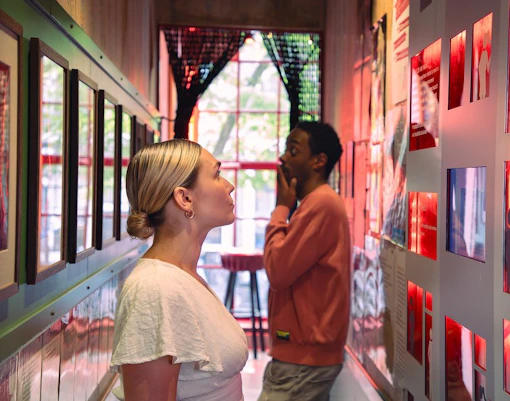
The museum's compact layout makes it easy to explore in a single visit. Most visitors spend between 45 and 90 minutes here, though those who listen to every audio story and engage with the interactive exhibits may want a little longer.

Follow a suggested route

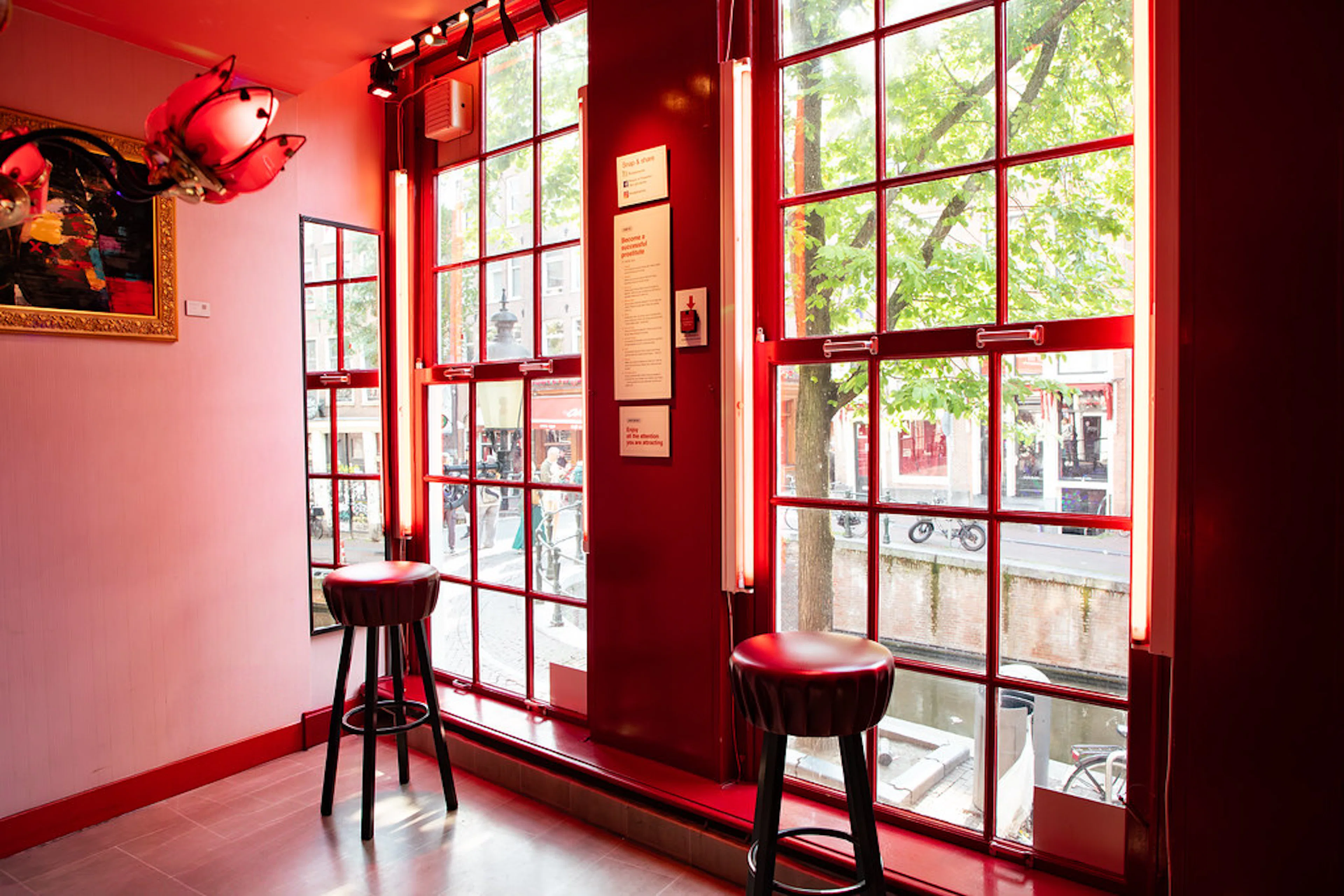
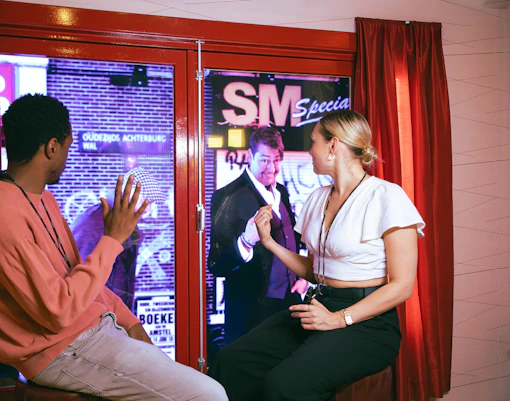
Start with the introductory exhibits that explain Amsterdam's prostitution history and the origins of the district. Continue through the preserved brothel rooms, stop at the iconic red window, then finish with the luxury suite and Wall of Confessions upstairs.

Prioritize the highlights

If time is limited, focus on the red window experience, the original workspaces, and the personal audio testimonies. Together, these exhibits provide the clearest insight into daily life, working conditions, and the realities behind Amsterdam's famous windows.

Explore beyond the essentials

Visitors with extra time should linger at the Wall of Confessions and the historical case-study displays. These exhibits add social and historical context, helping paint a broader picture of the district's evolution and public perception.

Self-guided or audio-guided?

Red Light Secrets Museum is designed for self-guided exploration, but the included audio guide significantly enriches the experience. Many exhibits reveal their most interesting details through first-hand stories and commentary that would otherwise be easy to overlook.

Brief history of Red Light Secrets Museum
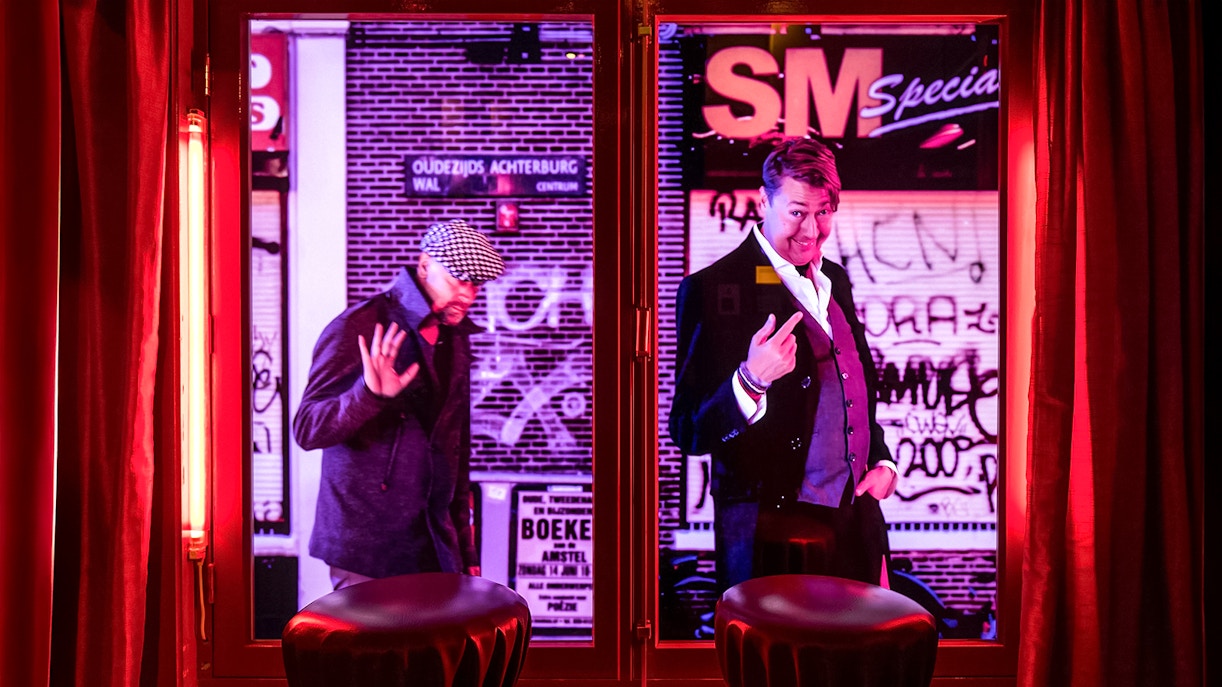
  • Amsterdam's historic waterfront district: For centuries, the area around Oudezijds Achterburgwal welcomed sailors, merchants, and travellers, gradually developing into Amsterdam's best-known red-light neighborhood.
  • A regulated part of city life: As Amsterdam expanded into a major trading hub, prostitution became an increasingly visible and regulated profession within the district.
  • From brothel to museum: The building housing the museum once operated as a working brothel, preserving an authentic setting rarely found in similar attractions.
  • A new perspective opens: Red Light Secrets Museum was established to present a more balanced understanding of sex work through real stories and firsthand experiences.
  • Changing attitudes over time: Exhibits trace how public perceptions, laws, and social attitudes surrounding prostitution have evolved across different periods in Dutch history.
  • A unique museum today: Today, Red Light Secrets Museum remains one of the few museums worldwide dedicated entirely to the history and realities of sex work.

Architecture of Red Light Secrets Museum

  • A historic canal house setting: Rather than occupying a purpose-built museum, Red Light Secrets Museum is housed inside a traditional Amsterdam canal house in De Wallen.
  • Designed on a human scale: Narrow corridors, steep staircases, and compact rooms create a far more intimate atmosphere than Amsterdam's larger museums and galleries.
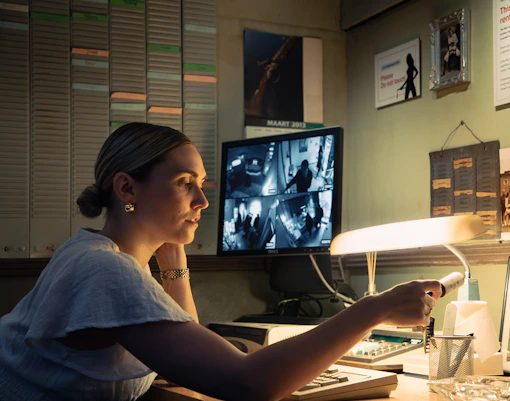
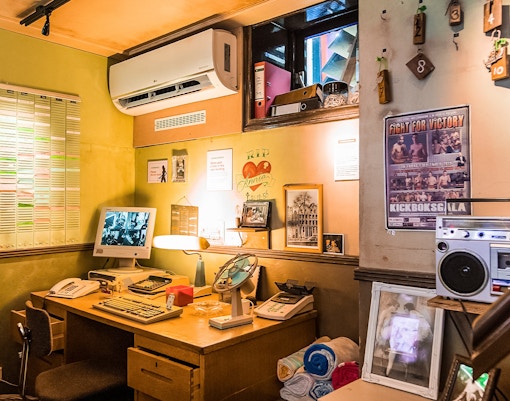
  • Preserved original interiors: Many rooms retain layouts and features from the building's days as a working brothel, adding authenticity to the visitor experience.
  • Built around canal-side living: Small rooms overlooking the canal reflect the practical design of historic Amsterdam properties, where space was often limited and carefully used.
  • Architecture that tells a story: The building itself functions as an exhibit, helping visitors understand how the space operated long before it became a museum.
  • A glimpse into hidden Amsterdam: Moving through these preserved interiors feels less like touring a museum and more like stepping into a rarely seen chapter of the city's social history.

Who created the Red Light Secrets Museum?

Red Light Secrets Museum was established as an educational project aimed at increasing understanding of prostitution and the people involved in the profession. Rather than celebrating or condemning the industry, its creators focused on presenting real stories and experiences within an authentic historical setting.

Frequently asked questions about Red Light Secrets Museum

Yes, especially if you're curious about Amsterdam's Red Light District beyond its reputation. The museum offers personal stories, authentic spaces, and social context that most visitors would never encounter simply walking through the area.