Step into the museum’s main gallery to explore how the Netherlands became a global maritime power. Discover ship models and paintings that bring 500 years of Dutch seafaring and naval history to life.
Why is the National Maritime Museum a must-visit attraction?
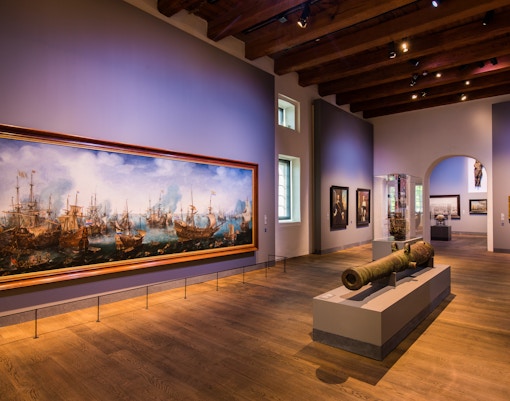
Step into the National Maritime Museum and discover why it is a must-visit destination on your Amsterdam itinerary. Housed in a former naval arsenal from 1656 with a stunning modern glass roof, the museum is home to over 500 years of Dutch naval history, brought to life through yacht models, historic maps by cartographers, navigation instruments, and paintings of naval battles.
With exhibits like The Republic at Sea, highlighting naval history, and Shadows on the Atlantic, exploring colonialism through contemporary art, the museum goes beyond traditional displays. It also offers immersive experiences such as the Voyage at Sea VR ride and interactive exhibits like The Tale of the Whale, making it perfect for hands-on history and storytelling enthusiasts.
What to see at the National Maritime Museum
Republic at Sea
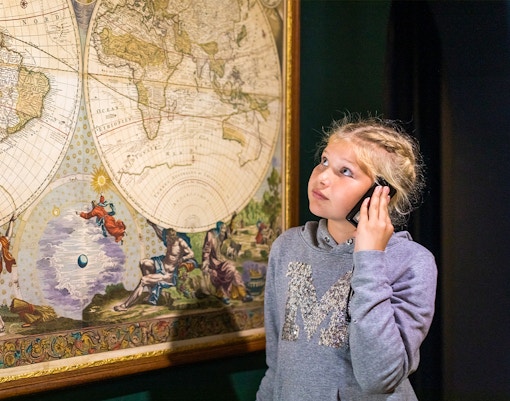
Charting the Sea
Stand before historic maps and detailed sea charts by master Dutch cartographers and see how they guided exploration, shaped global trade, and transformed the world during the Golden Age.

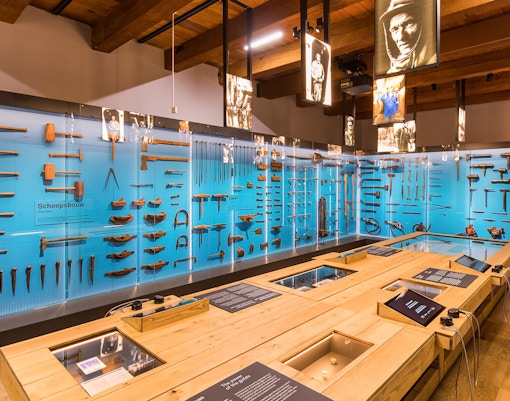
Navigational Instruments
Discover the tools that made ocean travel possible, from sextants and astrolabes to early compasses, and see how sailors navigated vast, unpredictable waters with remarkable accuracy.

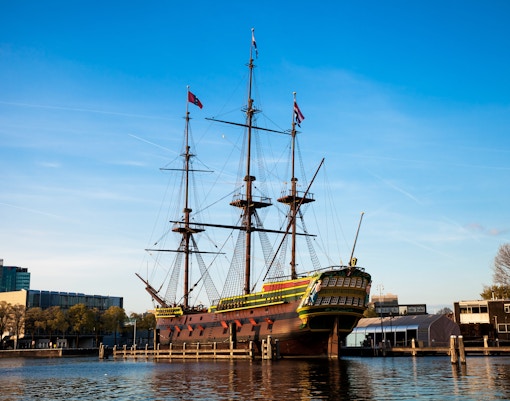
The East Indiaman Amsterdam
Climb aboard the full-scale replica of the 18th-century VOC ship and experience life at sea firsthand. Walk the decks and get a sense of what long voyages to Asia demanded.
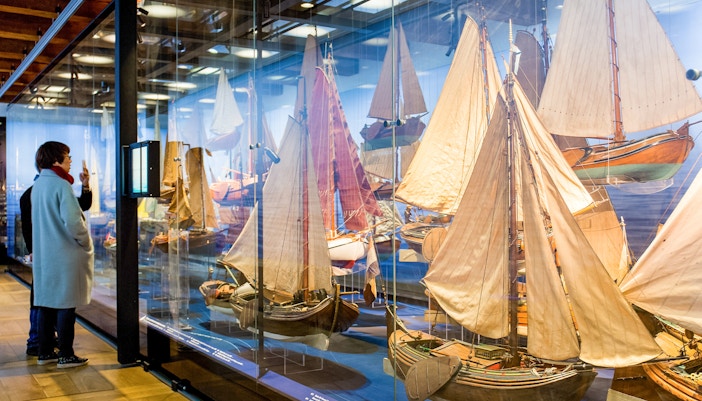
Yacht Models
Examine finely crafted 17th-century yacht models, including boyers and round-bottomed vessels, alongside modern icons like the catamaran Zeeman and the three-masted Maltese Falcon, showcasing centuries of evolving design.
Ship Decorations
Get up close to carved figureheads and ornate ship ornaments once mounted on Dutch vessels. These decorative works combine symbolism, craftsmanship, and maritime identity in striking detail.
The Solebay Tapestries
Admire two monumental 17th-century tapestries depicting the naval Battle of Solebay. Their rich detail offers both a dramatic window into Anglo-Dutch naval conflict.

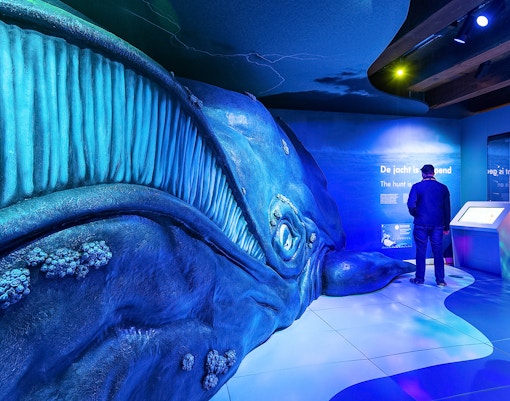
The Tale of the Whale
Explore the story of whales through myth, industry, and modern conservation. This immersive gallery connects Arctic whaling history with today’s environmental awareness in a powerful and accessible way.

Shadows on the Atlantic
Engage with contemporary artworks exploring the legacy of colonialism and maritime trade, connecting seafaring history with global societies and personal stories today.

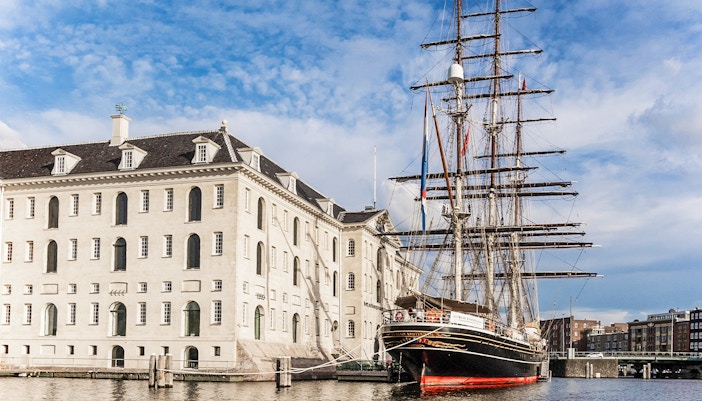
Historic Ships on the Water
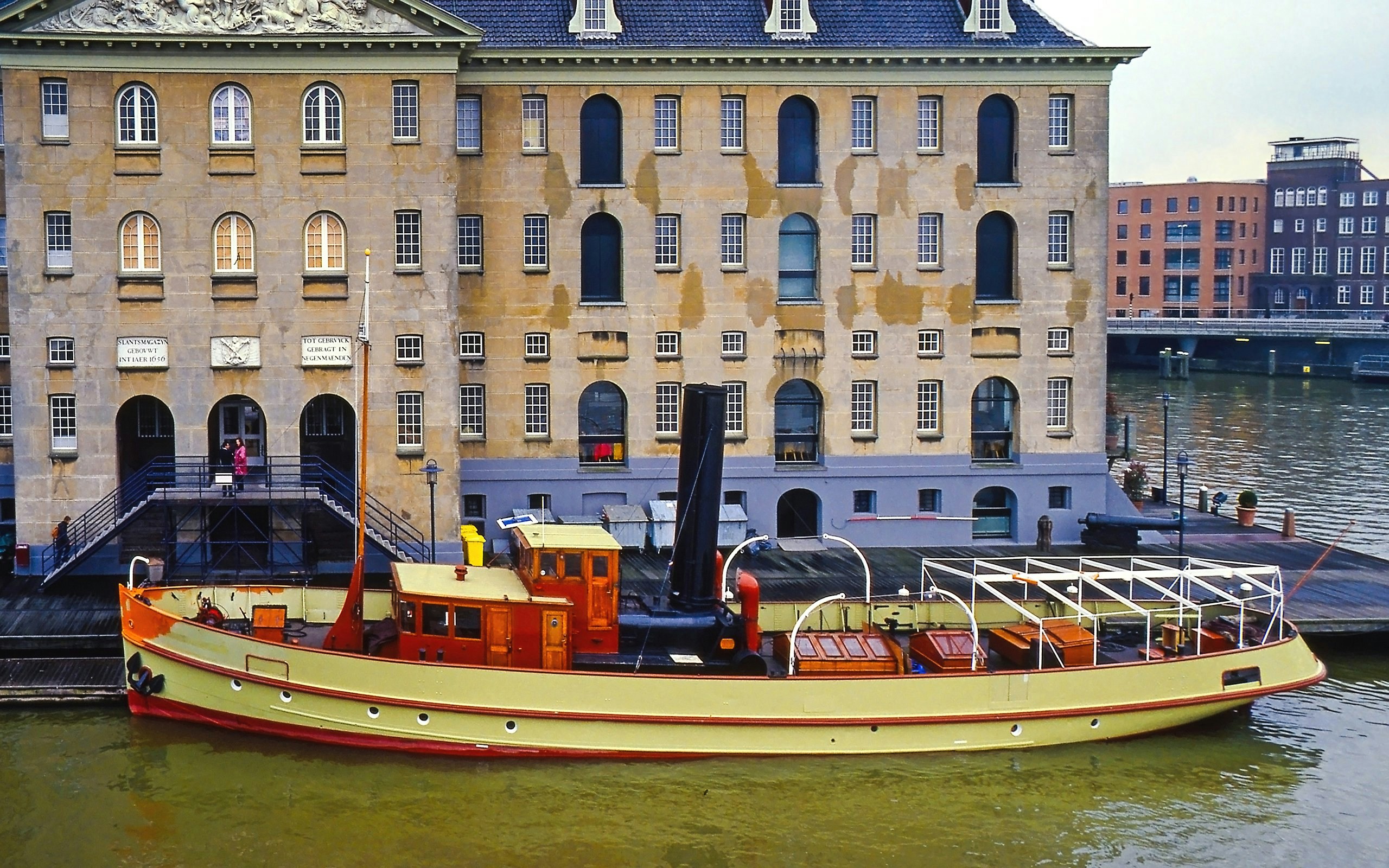
Step outside to see historic vessels moored by the museum, including the steamship Christiaan Brunings, bringing Dutch shipbuilding heritage to life on the waterfront.

The Royal Barge
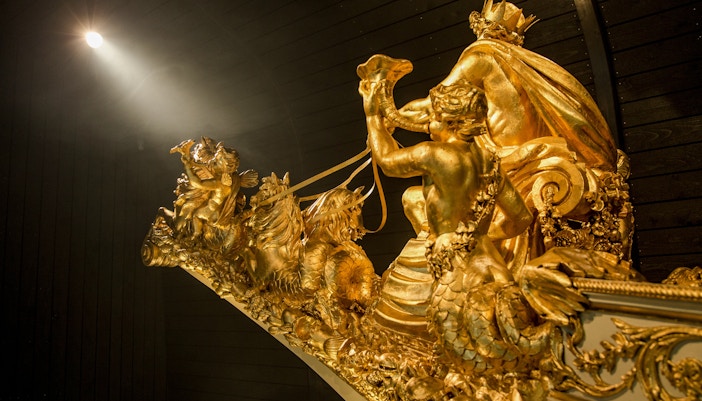
See the lavish royal barge commissioned by King William I over 200 years ago, with elaborate Neptune decorations and a ceremonial design that highlight its role in royal state occasions.
Highlights of the National Maritime Museum in Amsterdam
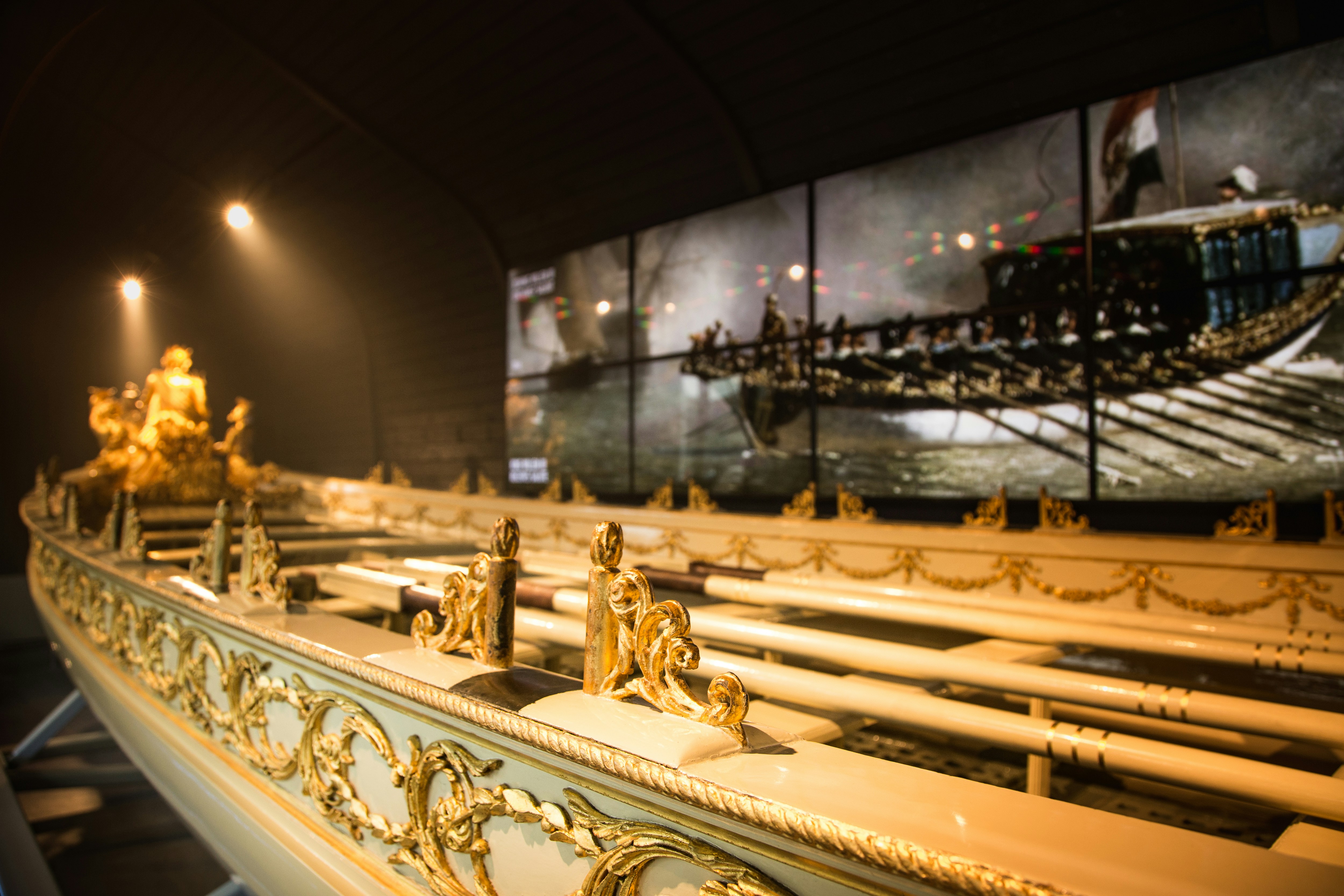
The Royal Barge of King William I
An opulent ceremonial vessel adorned with intricate gilded carvings and striking Neptune figures, symbolising royal prestige and maritime power.


Brief history of the National Maritime Museum
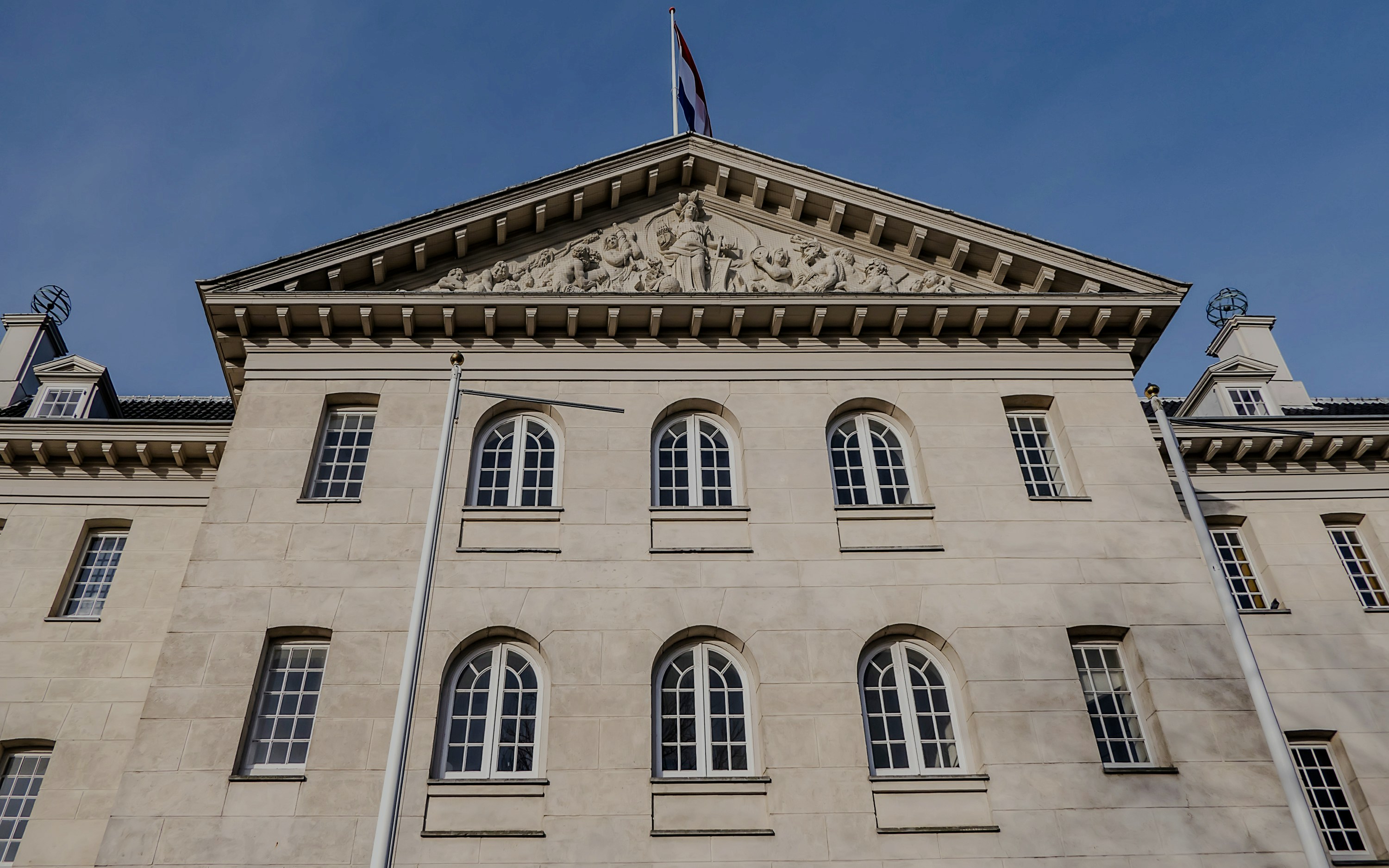
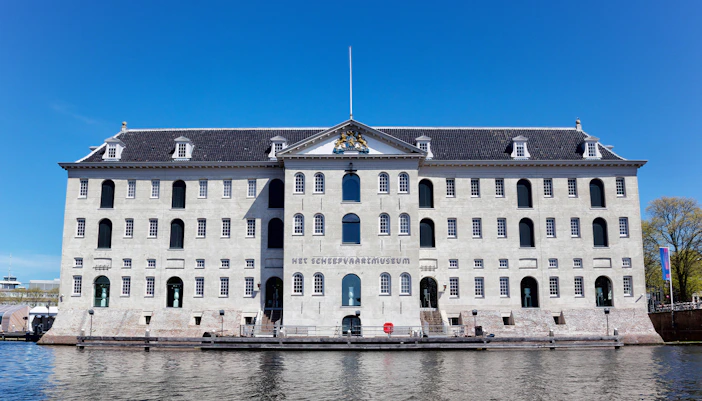
The National Maritime Museum is housed in the former Admiralty Arsenal built in 1656 during the Dutch Golden Age. Commissioned by the Admiralty of Amsterdam, the vast warehouse stored ropes, sails, cannons, and other naval supplies at the height of the Dutch Republic’s maritime power.
After serving naval purposes for centuries, the building later functioned as barracks for the Royal Netherlands Navy. In 1973, it reopened as the National Maritime Museum, dedicated to preserving and presenting the Netherlands’ seafaring heritage. Between 2007 and 2011, the complex underwent an extensive renovation that modernised the interior while carefully preserving its 17th-century structure.
Who built the National Maritime Museum?
The building that houses the museum was designed in 1656 by Dutch architect Daniel Stalpaert. Commissioned by the Admiralty of Amsterdam, he created a vast, symmetrical naval warehouse in the Dutch Classicist style, reflecting the confidence and maritime strength of the Dutch Republic.
Architecture of the National Maritime Museum
Completed in 1656, the former Admiralty Arsenal is a monumental example of Dutch Classicist architecture. Constructed primarily of brick with sandstone detailing, the quadrangular structure surrounds a large central courtyard and was engineered to securely store naval equipment and supplies.
Its restrained ornamentation, symmetry, and imposing scale reflect the civic pride and maritime dominance of the era. During the 2007–2011 renovation, a contemporary glass and steel canopy was installed over the courtyard, inspired by compass lines from historic nautical charts, introducing natural light while preserving the historic exterior.
Frequently asked questions about the National Maritime Museum in Amsterdam
Booking tickets online in advance is recommended, especially during weekends, school holidays, and summer months. Pre-booking guarantees your preferred time slot and helps you avoid waiting at the entrance during busy periods.
The museum is generally open daily from 10 am to 5 pm. Opening hours may vary on public holidays or during special events, so it’s advisable to check the official website before planning your visit.
Yes, the museum is largely wheelchair accessible. Lifts, ramps, and accessible toilets are available throughout the building, including most exhibition spaces and the courtyard area. Assistance can also be requested at the entrance.
Access to the replica ship is typically included with general admission. Weather conditions may affect availability, so it’s worth checking on arrival whether the ship is open for boarding that day.
A standard visit takes around two to three hours. If you plan to explore temporary exhibitions, board the replica ship, and visit outdoor vessels, you may want to allow up to four hours.
Yes, there is an on-site café located within the historic building. It offers drinks, light meals, and snacks, making it a convenient place to relax during your visit.
Photography for personal use is generally permitted in most areas without flash. Tripods, professional equipment, and filming may require prior permission, particularly in temporary exhibitions.