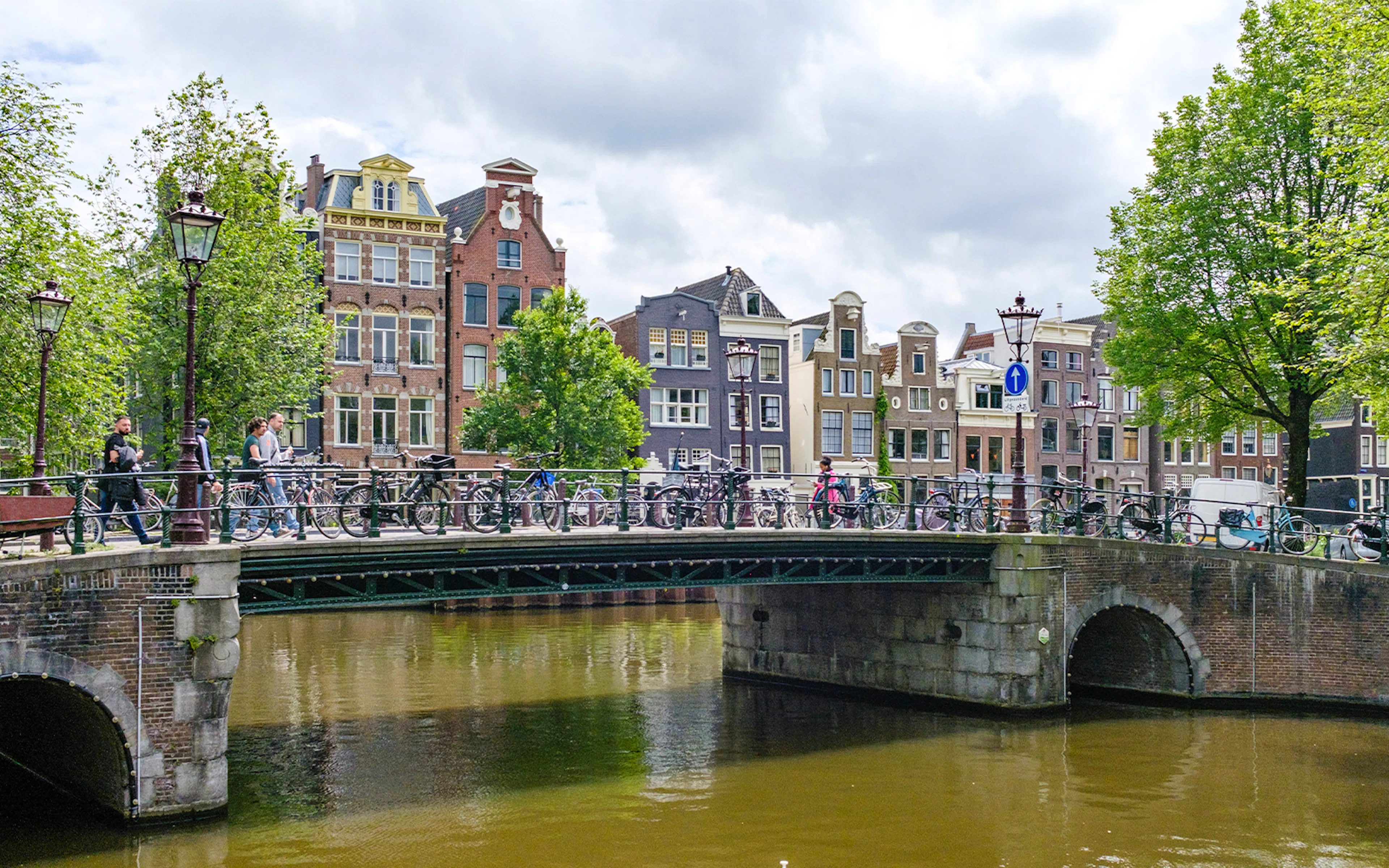
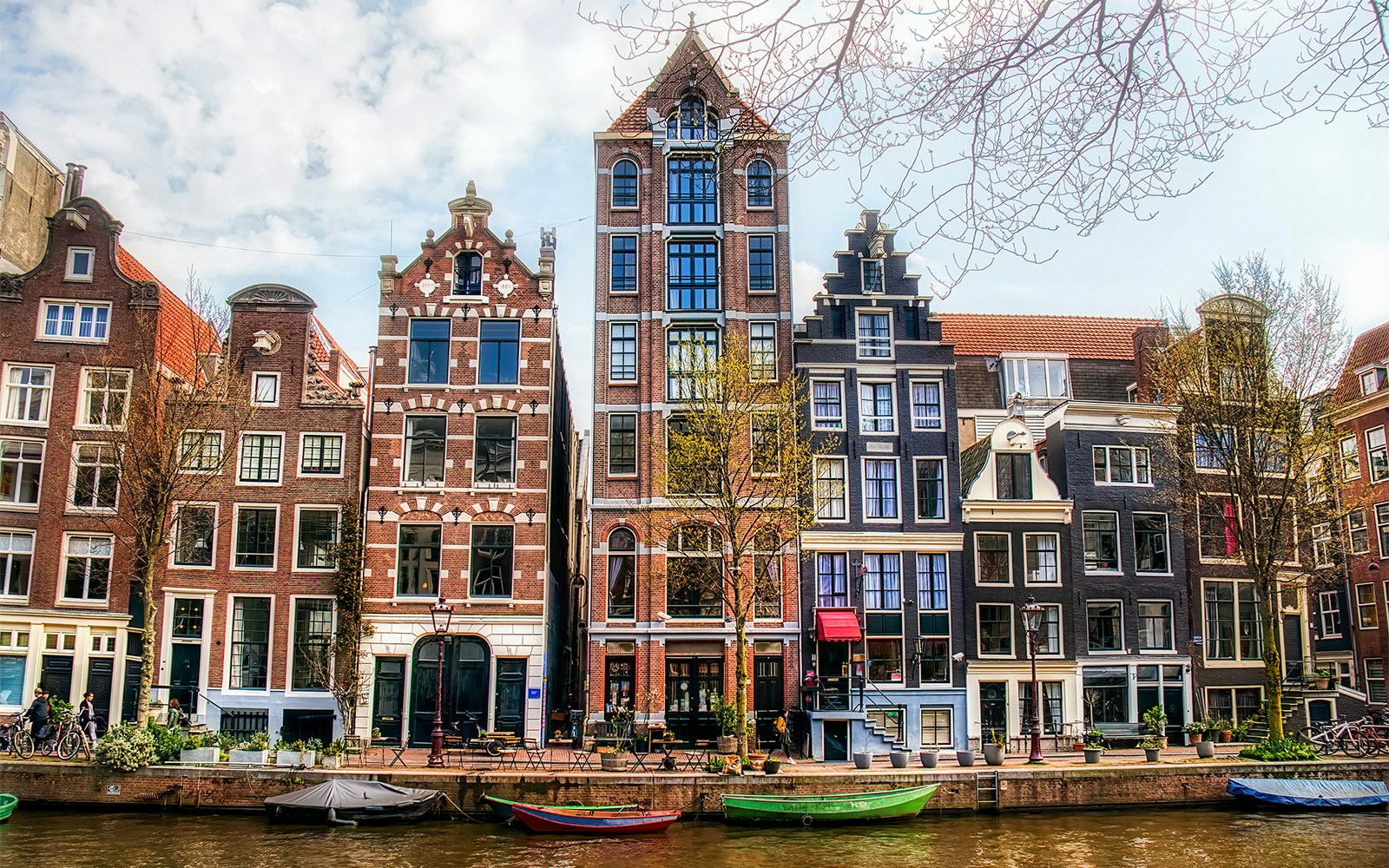

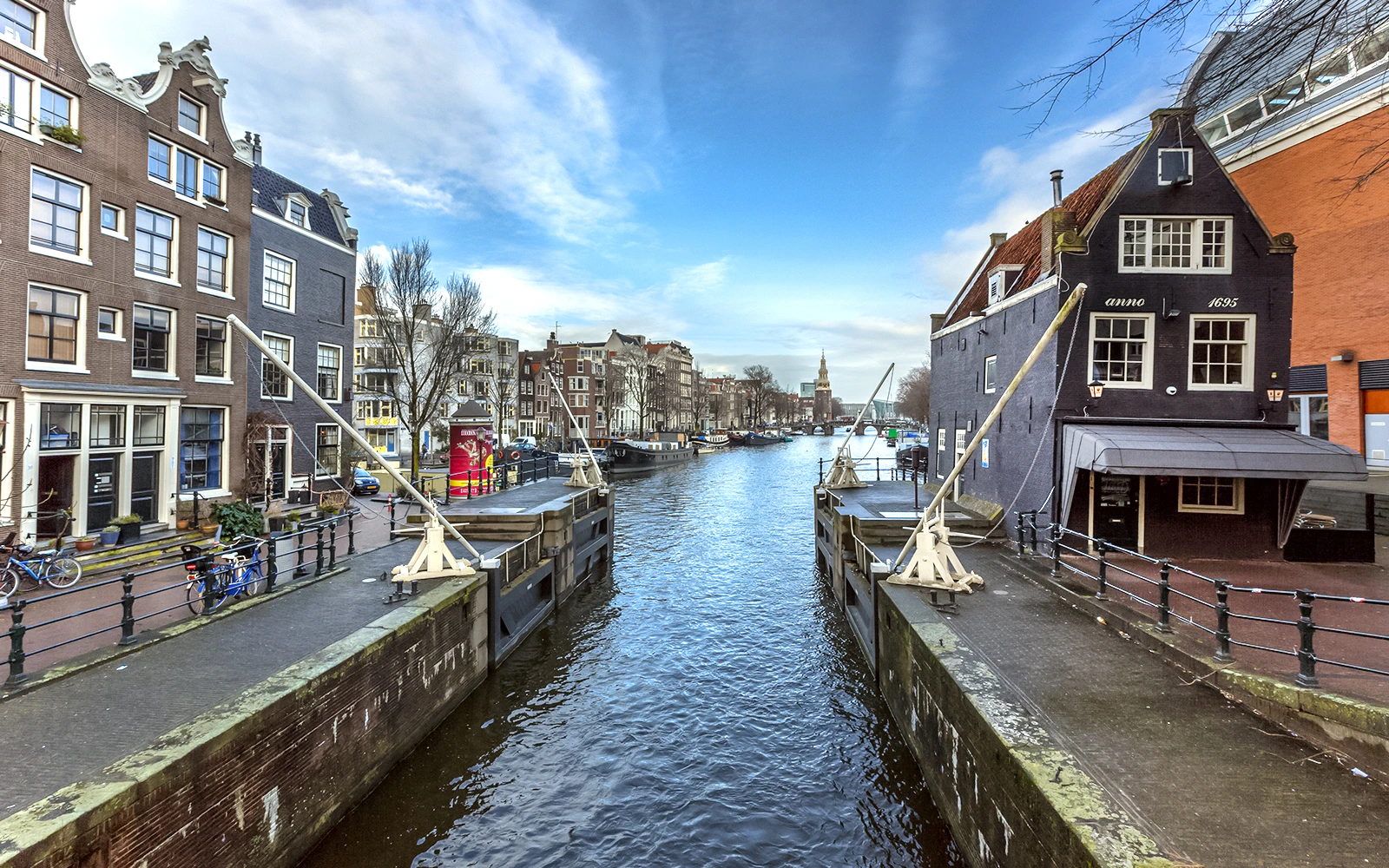
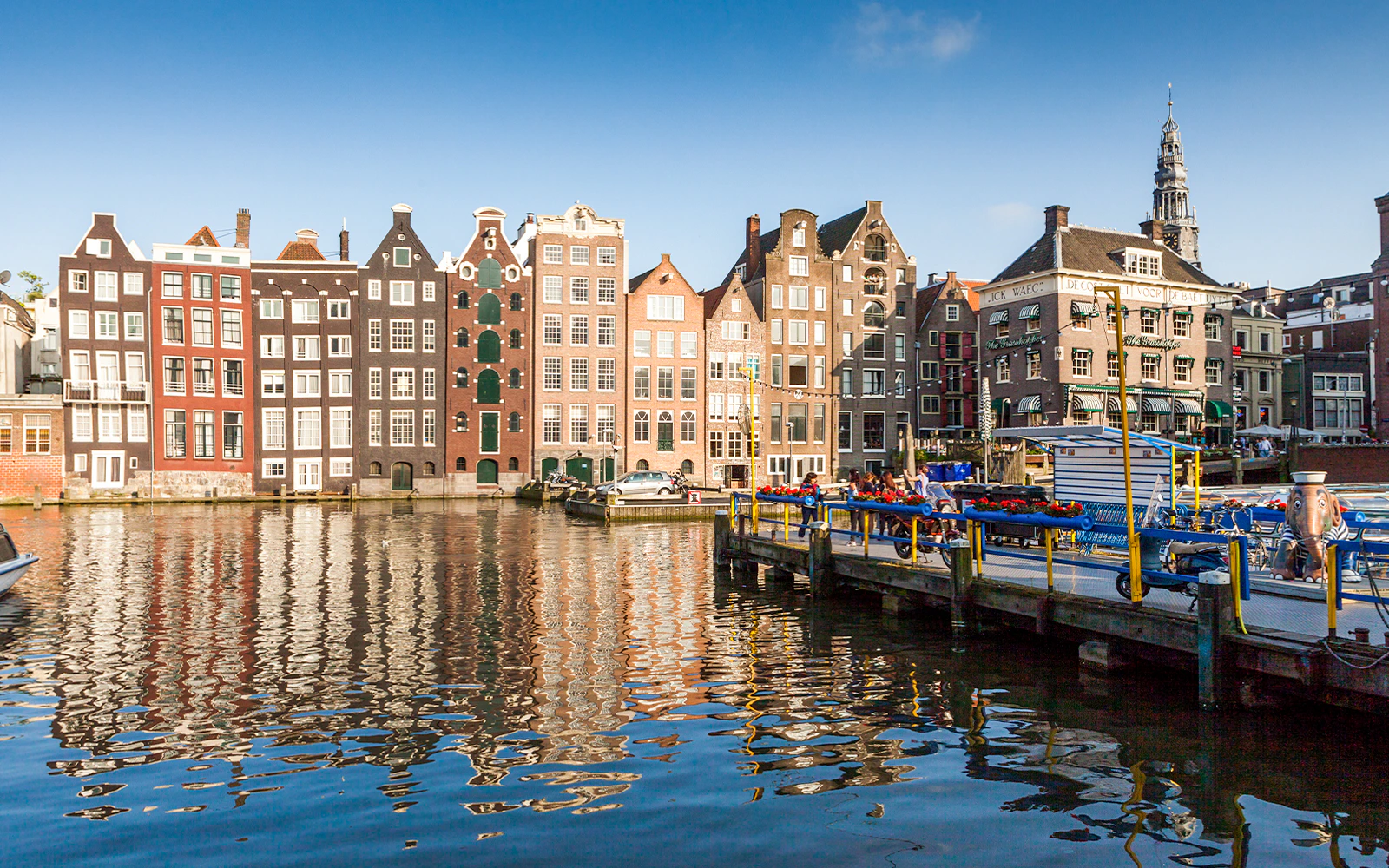
Why visit — To see Amsterdam’s Jewish history in one compact area, from the Portuguese Synagogue and Holocaust memorials to the streets around Jodenbreestraat and Waterlooplein.
Top things to do — Visit the Portuguese Synagogue, walk the Holocaust memorial sites, explore the Rembrandt House Museum, browse Waterlooplein Market.
Best for — History buffs, museum visitors, thoughtful city walks, first-time visitors who want context.
Time needed — 2–4 hours.
Best time to visit — Weekday mornings, when the museums and memorial spaces are quieter and the streets around Waterlooplein are easier to navigate.
Nearby — Rembrandt House Museum, National Holocaust Museum, Jewish Museum, Hortus Botanicus, NEMO Science Museum, Nieuwmarkt.
Top things to do in the Jewish Quarter
Pro tip
Start at the National Holocaust Museum or Jewish Museum when they open, then move outward to Waterlooplein and Rembrandt House Museum later, when the neighborhood is busier and easier to browse without feeling rushed.
Amsterdam’s Jewish history is concentrated into a walkable area
You can cover the Portuguese Synagogue, Jewish Museum, Holocaust Name Memorial, and National Holocaust Museum without needing to cross the city. The value of the area comes from seeing places in sequence rather than as isolated stops. Walking between Waterlooplein, Nieuwe Herengracht, and Plantage Middenlaan makes the story feel local and specific.
The Portuguese Synagogue still shows the scale of pre-war Jewish Amsterdam
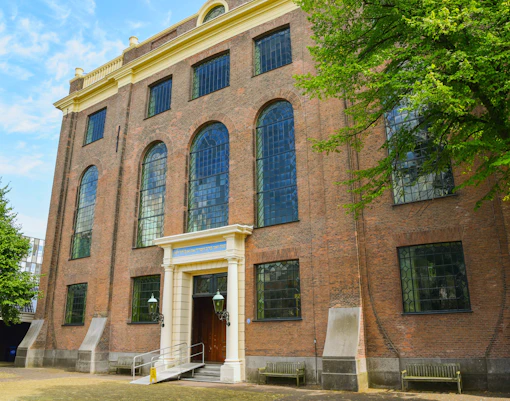
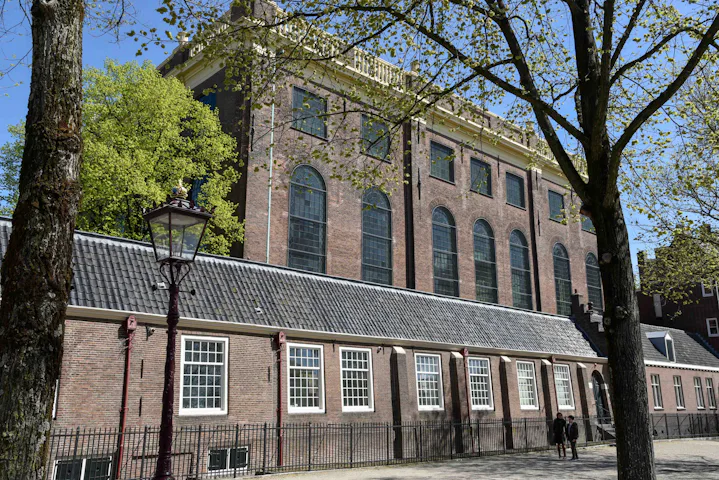
The Portuguese Synagogue is not just an old building; it’s proof of the Sephardic community that made Amsterdam a place of refuge and trade in earlier centuries. Its 17th-century interior, sand-covered floor, and grand height make the city’s history of tolerance feel physically present rather than abstract. That older story matters because the quarter is often reduced to wartime history alone.
The area connects memorial spaces with everyday city streets
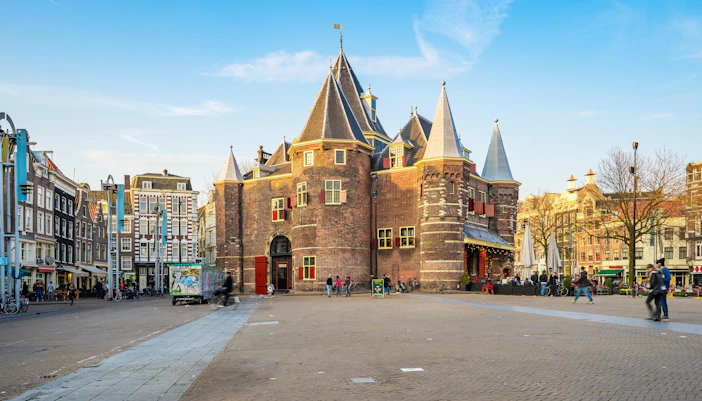
Waterlooplein, Jodenbreestraat, and the streets toward Nieuwmarkt keep the quarter grounded in ordinary city movement, which makes the historical sites hit harder. You can step out from the National Holocaust Museum and be back among cyclists, trams, and market traffic within minutes. That contrast is part of what makes the neighborhood worth visiting.
Rembrandt’s old neighborhood is still visible around Jodenbreestraat
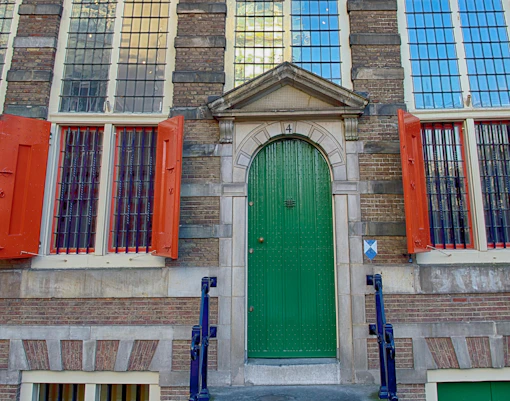
Rembrandt lived here in the 17th century, and the Rembrandt House Museum gives the quarter an art-history angle that most visitors don’t expect from a Jewish Quarter itinerary. The house places you inside the same eastern canal district that once mixed artists, merchants, and Jewish residents.
It’s easy to fold into a bigger east-centre Amsterdam day
From Waterlooplein, you can walk to Nieuwmarkt, the Rembrandt House Museum, NEMO Science Museum, or Hortus Botanicus without backtracking. That makes the Jewish Quarter one of the easier history-heavy neighborhoods to combine with lighter stops, especially if you’re traveling with mixed interests. You can keep the focus serious, or balance it with gardens, canal views, or an art stop nearby. In Amsterdam terms, that kind of geographic efficiency is useful.
Best ways to explore the Jewish Quarter
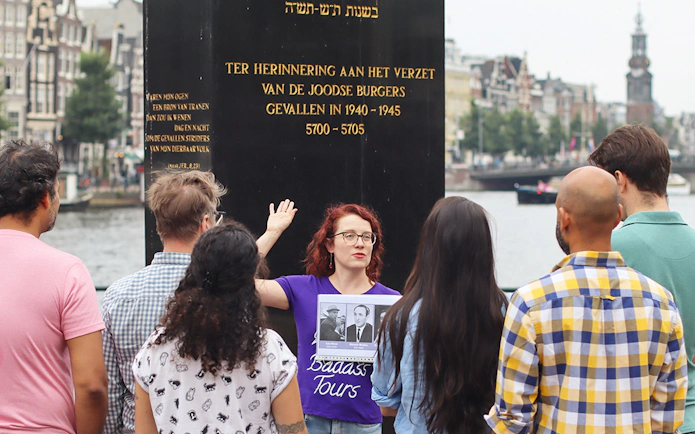
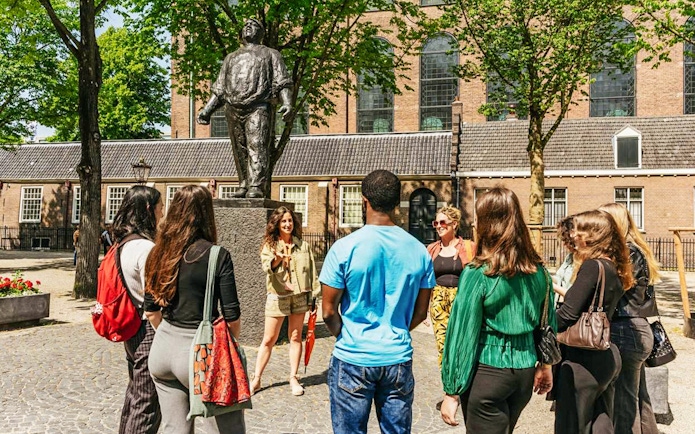
A walking route works well here because the quarter makes more sense block by block than from a tram window. The strongest route usually runs between Waterlooplein, the Jewish Museum cluster, the Portuguese Synagogue, the Holocaust memorial spaces, and Jodenbreestraat. Book Small-Group Amsterdam Jewish Quarter History Tour
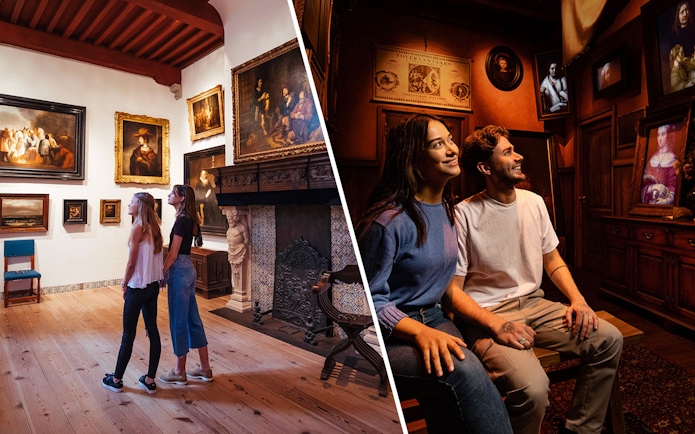
The most logical combo is the Combo: H'ART Museum + Rembrandthouse Museum Entry Tickets plus time in the Jewish Quarter itself. If you want contrast rather than more galleries, pair the quarter with a 1-hour Amsterdam canal cruise from Centraal Station for a wider look at the city’s historic layout after a neighborhood walk.
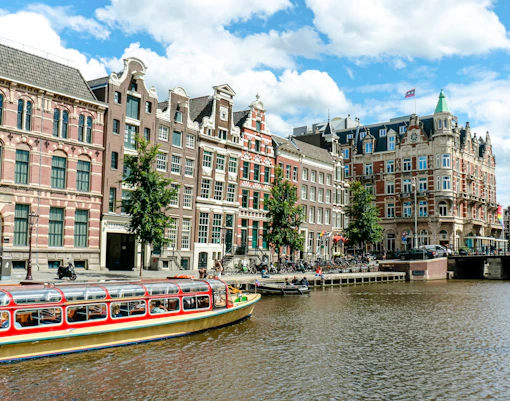
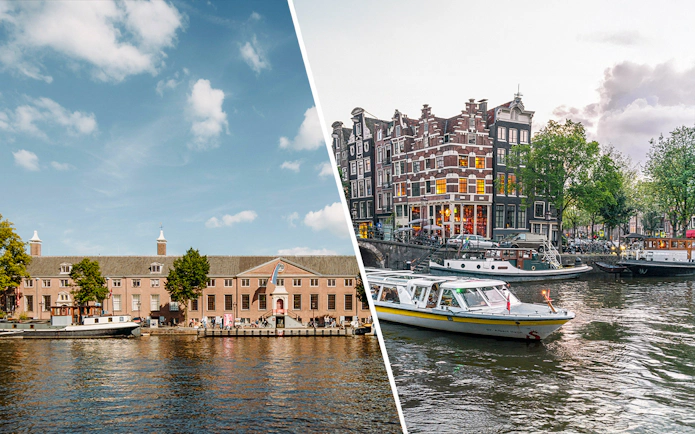
The quarter itself isn’t built around one cruise dock, but it’s close enough to Centraal Station and central boarding points to make a canal cruise an easy add-on. A cruise after the museums works well because you trade dense indoor history for broader views of the canal ring and housefronts. Book Combo: Rembrandt House Museum Tickets + Amsterdam Canal Cruise
If you’re covering the eastern side of central Amsterdam, Rembrandt House Museum is the standout add-on because it places you inside the same 17th-century urban fabric rather than pulling you to a different district. For families, NEMO Science Museum Fast-Track Tickets offer the clearest contrast nearby: reflective history first, hands-on science later.
Pro tip
If you want structure without overbooking the day, pair Rembrandt House Museum Tickets with Multimedia Guide with a 1-hour Amsterdam canal cruise. The museum keeps you rooted in Jodenbreestraat, while the cruise widens the story to the canals and merchant city that shaped the quarter.
Plan your visit
The easiest reference point is Waterlooplein, which sits at the western edge of the quarter and puts you within a short walk of the Jewish Museum, Portuguese Synagogue, and the streets toward Jodenbreestraat. From Amsterdam Centraal, you can walk in about 15–20 minutes through Nieuwmarkt, or arrive via Waterlooplein station and start directly in the middle of the area.
If you’re arriving from Schiphol, the simplest route is the NS one-way train to Amsterdam Central, then continue on foot or by local transport. If you’ll be moving around the city for more than one museum stop, the Amsterdam GVB Public Transport Pass is the practical option.
Walking distances from Waterlooplein:
Nieuwmarkt — 5 minutes
Rembrandt House Museum — 5 minutes
Hortus Botanicus — 10 minutes
NEMO Science Museum — 12–15 minutes
Amsterdam Centraal — 15–20 minutes
Weekday mornings are the strongest slot if you want the Jewish Museum, Portuguese Synagogue, and memorial sites without the midday build-up from school groups and general city traffic. Late afternoon is better if your plan is lighter and includes Waterlooplein, Jodenbreestraat, or a walk toward Nieuwmarkt.
Early morning (8–10am): Best for starting near the museum cluster around Nieuwe Herengracht and Plantage Middenlaan. The streets are quieter, and the tone of the area suits a slower start.
Midday (11am–2pm): This is when Waterlooplein and the routes toward Nieuwmarkt feel busier. If crowds rise, switch to an indoor stop like the Rembrandt House Museum or take lunch near Plantage.
Late afternoon (4–6pm): Good time for the memorial spaces, canal-side walking, and the streets around Jodenbreestraat once museum traffic thins out. Light is also better for exterior photos around Nieuwe Herengracht.
Evening (after 6pm): The quarter gets quieter than Centrum and Rembrandtplein. That’s good if you want a calm walk, but less good if you’re expecting lots of nightlife or open-late museum options.
The essentials — 2–3 hours: Enough for the Portuguese Synagogue, one major museum or memorial stop, Waterlooplein, and a short walk through Jodenbreestraat.
The ideal day — 4–6 hours: Adds the National Holocaust Museum, Jewish Museum cluster, Rembrandt House Museum, and a lunch break around Plantage or near Waterlooplein.
With guided tours — 3–5 hours: Best if you want a history-led walk through the quarter followed by one indoor museum or memorial visit, without cramming in too many separate ticketed stops.
Jewish Quarter streets: Mostly manageable on foot, but older paving, canal bridges, and some narrower pavements can be uneven. Waterlooplein is easier to navigate than the smaller side streets.
Rembrandt House Museum: The museum is not accessible to wheelchair users. Guide dogs are welcome, but the historic townhouse layout limits step-free access.
NEMO Science Museum: Wheelchair accessible except for the rooftop. It’s one of the easiest nearby major attractions for visitors who need lifts and wider circulation space.
Portuguese Synagogue: Accessibility details may vary by entrance and current setup. Check directly before your visit if you need full step-free access.
Jewish Museum: Accessibility details should be checked directly with the venue before visiting, especially if you need lift access across all sections.
Canal cruises from central docks: Accessibility depends on the operator. The 75-min City Canal Cruise has wheelchair-accessible departures only from specific time slots and docks, while several 1-hour cruises are not wheelchair accessible.
Pickpockets (Waterlooplein and trams): This is the main tourist risk here, especially where people pause with phones, maps, and open bags. Keep bags closed and front-facing when moving between Waterlooplein and the tram stops.
Fast bikes and trams (Mr. Visserplein and Plantage Middenlaan): The quarter has calmer museum streets, but some crossings are busy and quick-moving. Look for cycle lanes before stepping off the pavement, especially near larger junctions.
Quiet stretches after museum hours (Nieuwe Herengracht side streets): The area is not unsafe, but it gets noticeably quieter in the evening than Dam Square or Nieuwmarkt. If you prefer busier streets after dark, walk back via Waterlooplein or Nieuwmarkt rather than the canal edges.
Canal edges (around Oudeschans and the quarter’s eastern side): Some waterside sections have limited barriers. Be more careful at night or in wet weather, especially after drinks.
Pro tip
If you’re planning a bigger museum day beyond this neighborhood, the I amsterdam City Card is the cleanest fit because it combines 70+ attractions, including NEMO Science Museum, unlimited GVB public transport, a classic canal cruise, and 24-hour bike rental in one digital pass.
Free things to do in Jewish Quarter Amsterdam
Suggested itinerary for visiting Jewish Quarter Amsterdam
The Jewish Quarter is compact enough to do on foot, and the best routes move west to east or south to north without much backtracking. Start near Waterlooplein if you want the clearest orientation.
Best for: Visitors who want the neighborhood’s historical core without turning it into a full museum day. Total time: 1–1.5 hours
Stop 1: Waterlooplein (15–20 min). Start here to get your bearings; walk the edges rather than stopping at every stall. Tip: Use it as your meeting point — easier to find than museum entrances.
Stop 2: Holocaust Name Memorial (20–25 min). Walk through slowly and read one section rather than absorbing it all. The quickest stop that still carries real weight. Tip: Put phones away for part of the visit.
Stop 3: Portuguese Synagogue exterior & museum cluster (25–35 min). Finish near Nieuwe Herengracht to see the quarter's older religious core; even from outside, the building's scale explains the area's importance. Tip: If you go inside, trim Waterlooplein rather than rushing here.
Best for: Travelers who want one serious museum stop plus time to understand the area on foot. Total time: 3–4 hours
Stop 1: National Holocaust Museum (75–90 min). Start here while fresh — the exhibits are dense and best before crowds. Tip: Do this first; it reframes the whole neighborhood.
Stop 2: Holocaust Name Memorial (20 min). Walk out while the context is still clear; the shift to open-air space matters.
Stop 3: Portuguese Synagogue (30–45 min). Continue here for pre-war Jewish religious life; the quieter tone works better after the museum. Optional:I amsterdam City Card
Stop 4: Waterlooplein or Hoftuin lunch (30–45 min). Waterlooplein for speed, Hoftuin for calm. Tip: Don't eat too late — pace slows after about two hours.
Stop 5: Rembrandt House Museum (45–60 min). Finish on Jodenbreestraat; an art-history stop that lightens the tone.
Best for: Visitors who want the Jewish Quarter properly, with time for history, a meal, and one nearby add-on. Total time: 6–7 hours
Stop 1: Waterlooplein (15 min). Orientation point; walk straight in rather than lingering.
Stop 2: Jewish Museum (60–75 min). Begin with broader cultural history before the wartime stops. Tip: If time's tight later, keep this and shorten Waterlooplein.
Stop 3: Portuguese Synagogue (30–45 min). Step into the quarter's Sephardic story after the cultural background.
Stop 4: National Holocaust Museum (75–90 min). Now the WWII history — community life first, then its destruction. Tip: Plan a break immediately after.
Stop 5: Lunch near Plantage Middenlaan/Hoftuin (45–60 min). Quieter than heading back to Dam Square. Tip: Sit down if adding NEMO or a cruise later.
Stop 6: Rembrandt House Museum (45–60 min). A 17th-century Golden Age layer. Optional: multimedia guide. Tip: Best late-afternoon indoor stop in bad weather.
Stop 7: NEMO rooftop or canal cruise (60–90 min). Cross to Oosterdok for the rooftop, or end seated on a cruise. Tip: Rooftop in clear weather, cruise if tired of walking.
Tips for visiting the Jewish Quarter in Amsterdam
Start with the National Holocaust Museum or Jewish Museum and leave Waterlooplein for later. The museums need focus; the square does not.
If you’re adding the Rembrandt House Museum, book the earliest slot that fits your route and arrive at the start of the time window. The museum gives only a 5-minute grace period for guaranteed entry.
Don’t drift into the quarter from Dam Square without a plan and expect the history to explain itself. Use Waterlooplein, Nieuwe Herengracht, or Plantage Middenlaan as your organizing line through the area.
For a better photo angle than the obvious front-on synagogue shot, stand along Nieuwe Herengracht and shoot across the water in late afternoon. You get the façade plus canal reflections instead of just the entrance.
If you need a quiet reset between heavier stops, use the Hoftuin gardens or the Hortus Botanicus side of the area rather than pushing on to Centrum. The difference in pace is immediate.
Eat in the Plantage edge of the quarter or around Nieuwe Herengracht, not back on the busiest central streets. You’ll spend less time queuing and keep the route compact.
The quarter is walkable, but the mood changes quickly after museum hours. If you want busier streets in the evening, exit via Nieuwmarkt rather than the quieter canal edges.
If this is part of a larger city day, the I amsterdam City Card is more useful here than single transport rides because it combines unlimited public transport, a canal cruise, and 70+ attractions in one pass.
Best photo spots in Jewish Quarter
Nieuwe Herengracht facing the Portuguese Synagogue in late afternoon
Stand on the canal-side pavement rather than directly in front of the synagogue entrance. From here, you can frame the synagogue façade, trees, and canal edge together, which gives the building more context. Late afternoon works best because the light is softer and the water surface often adds a clean reflection.
Dining in Jewish Quarter Amsterdam
Must-eat tip
For a neighborhood-appropriate snack stop, order bitterballen and a drink at Café de Sluyswacht after the Rembrandt House Museum. The old canal-house setting fits this part of Amsterdam far better than grabbing a rushed lunch back on Damrak.
Should you stay in Amsterdam's Jewish Quarter?
Short answer: Yes, if you want museums, history, and quieter evenings within walking distance of the centre. No, if your trip is built around nightlife, late dinners, or a dense hotel zone.
The vibe — After the museums close, the quarter feels calm and residential compared with Nieuwmarkt or Rembrandtplein. Streets around Nieuwe Herengracht and Plantage Middenlaan are quieter, while Waterlooplein stays more functional than lively.
The logistics — Accommodation is thinner here than in Centrum or De Pijp, and what you find tends to be smaller hotels, apartments, or museum-adjacent stays rather than a huge chain-hotel cluster. That means less choice, but also less noise and fewer late-night crowds directly outside your door.
Who it’s for — Best for couples, solo travelers, museum-focused visitors, and anyone who wants to walk to both the historic centre and the eastern museums. Less suited to party groups, travelers who want lots of late-night bars outside the hotel, or people who like to choose from dozens of restaurants on one street.
Top recommendation — Look around Plantage Middenlaan or Nieuwe Herengracht if you want the quietest base near the quarter. Those micro-areas give you easier access to the Jewish cultural sites, Hortus Botanicus, and NEMO, without putting you in the thick of Centrum foot traffic.
Nearby
Frequently asked questions about Jewish Quarter, Amsterdam
Not exactly. The Jewish Quarter is the neighborhood area around Waterlooplein, Nieuwe Herengracht, and Plantage. The Jewish Cultural Quarter usually refers more specifically to the museum and synagogue institutions within that area, such as the Jewish Museum and Portuguese Synagogue.
Yes. If you’re comfortable walking, it takes about 15–20 minutes from Amsterdam Centraal to Waterlooplein, which is the easiest orientation point for the quarter. The walk via Nieuwmarkt is more useful than arriving cold by tram because it shows you how the area sits on the eastern edge of the old centre.
It depends on the child and the route you choose. For younger children, a full memorial-heavy day can feel long, so it’s better to combine one serious stop with Waterlooplein, a short walk, or NEMO Science Museum nearby. Older children and teenagers usually get more from the area if you keep the pace slow and choose one main museum rather than several.
Yes for the Rembrandt House Museum if you want a specific time, since entry is timed and the grace period is short. For canal cruises and bigger museum days across Amsterdam, booking ahead also helps, especially in April–May and July–August, when the city is busiest.
Yes. Amsterdam is one of Europe’s easiest cities for English-speaking visitors, and museum staff, transport signage, and most restaurant teams in this area generally operate comfortably in English. You won’t need Dutch to visit the quarter smoothly.
Yes, easily. The quarter is close enough to Centraal Station and central cruise boarding points that you can do a morning in the neighborhood and a 60-minute canal cruise afterward without wasting much time on transport. That pairing works especially well if you want a seated, lighter activity after the museums.
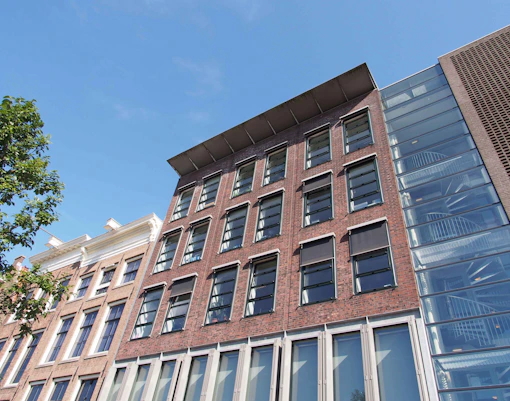
Yes, but it’s a different kind of visit. The Anne Frank House is a single, deeply personal story in the Jordaan, while the Jewish Quarter gives you a broader view of Jewish life, persecution, and memory across multiple museums, memorials, and streets. If you want wider context, the Jewish Quarter is stronger.
Yes, if you include at least one of the nearby add-ons. A full day works when you combine the Jewish Museum cluster, the National Holocaust Museum, Rembrandt House Museum, lunch around Plantage, and either NEMO or a canal cruise. If you only want the neighborhood core, expect more like 2–4 hours.
Not compared with Nieuwmarkt, Leidseplein, or Rembrandtplein. After museum hours, the Jewish Quarter is noticeably quieter and more residential in feel, which some travelers like and others find too subdued. If you want dinner or drinks afterward, plan to walk toward Nieuwmarkt or the canal ring.
The Amsterdam GVB Public Transport Pass is the cleanest option if you’re doing multiple areas in one day, since it covers unlimited travel on trams, buses, metros, and ferries. If you also want attraction access plus a canal cruise, the I amsterdam City Card is the better all-in-one product.
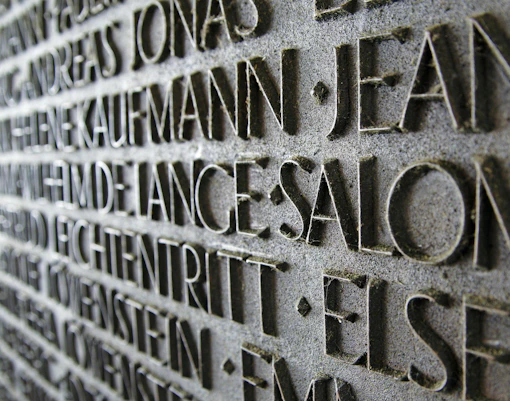
Walk the Holocaust Name Memorial exterior
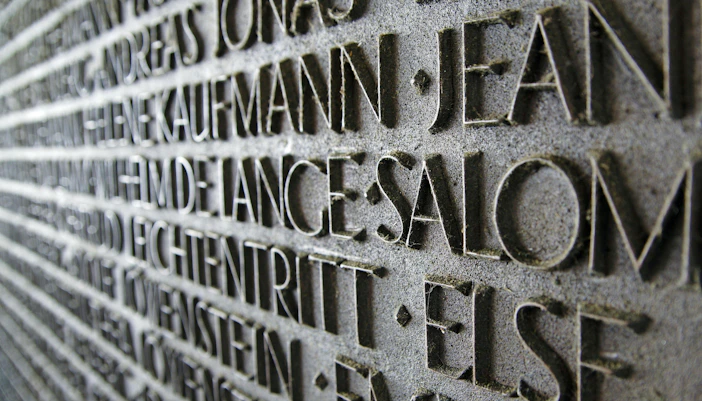
Even if you don’t enter a museum, the memorial’s brick passages and name-covered walls are a meaningful stop in their own right.
Best for: Reflective visits, architecture, short stops Duration: 15–25 minutes Combine this with:
National Holocaust Museum — Just a short walk away if you decide to deepen the visit with indoor context after seeing the memorial.
Hortus Botanicus — About 10 minutes on foot, and a good contrast if you want quiet space after a serious stop.
Browse Waterlooplein
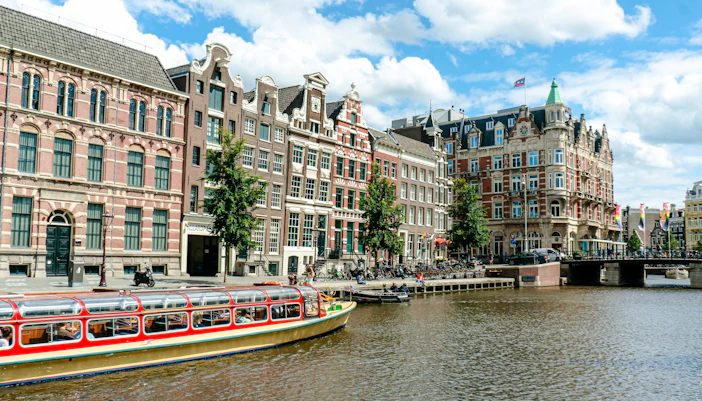
You don’t need to buy anything for Waterlooplein to work as a stop; the point is the movement, the browsing, and the feel of an old market square still embedded in city life.
Best for: Budget travelers, street photography, casual strolling Duration: 20–40 minutes Combine this with:
Rembrandt House Museum — About 5 minutes away on foot, which makes this an easy lighter stop before or after the museum.
Nieuwmarkt — Around 10 minutes away and a natural continuation if you want to keep walking through older eastern-centre streets.
Walk Jodenbreestraat to Nieuwmarkt
This short route connects the quarter to one of the city’s older market areas and lets you see how quickly memorial space turns back into everyday Amsterdam.
Best for: First-time visitors, urban history, walkers Duration: 20–30 minutes Combine this with:
Rembrandt House Museum — You’ll pass it or come very close depending on your route, so the walk works well as a lead-in.
Canal cruise from Centraal Station — Keep going north-west after Nieuwmarkt and you can turn a free walk into a paid cruise without doubling back.
Sit in the Hoftuin gardens
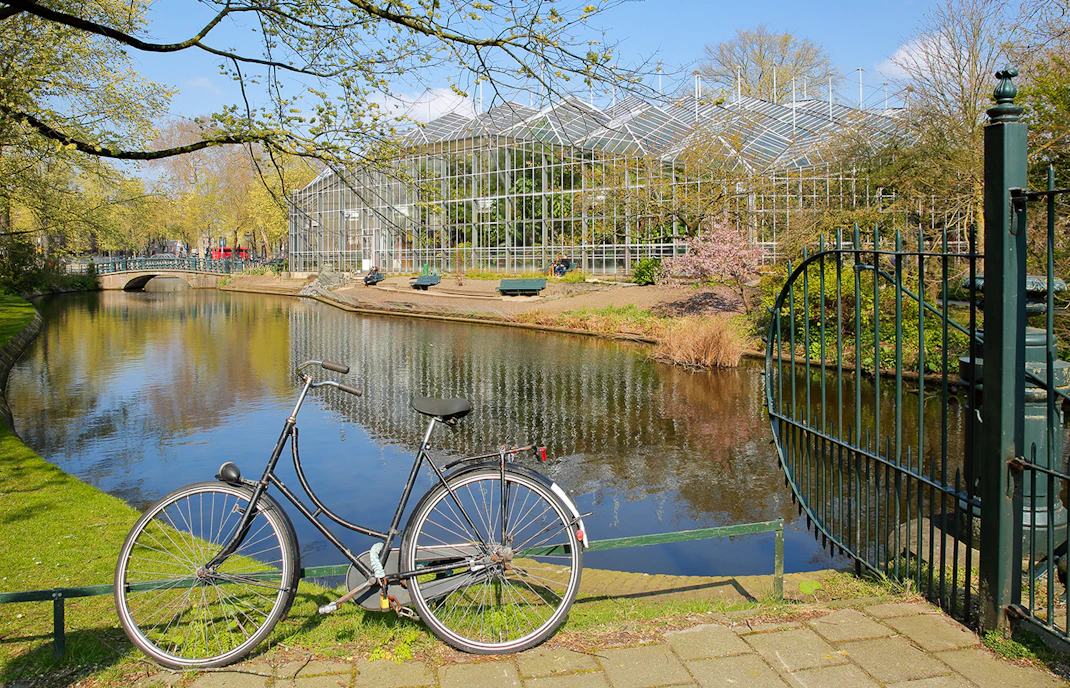
Tucked behind the Hermitage/H’ART side of the area, the Hoftuin gives you one of the calmest free breaks near the quarter’s museum cluster.
Best for: Quiet breaks, reading, decompression between museums Duration: 20–30 minutes Combine this with:
Dignita Hoftuin — Right there if you want coffee or a light lunch after the garden stop.
National Holocaust Museum — A useful reset point before or after a heavier visit, around 10 minutes away on foot.
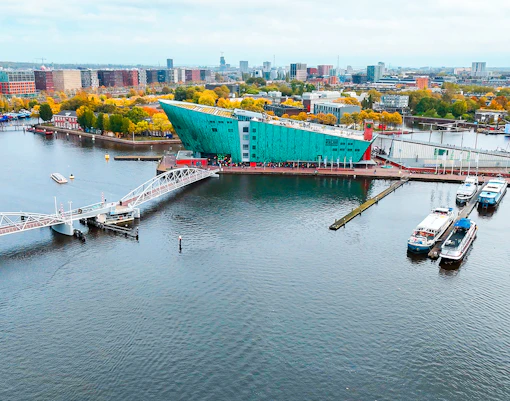
Cross to NEMO’s public rooftop
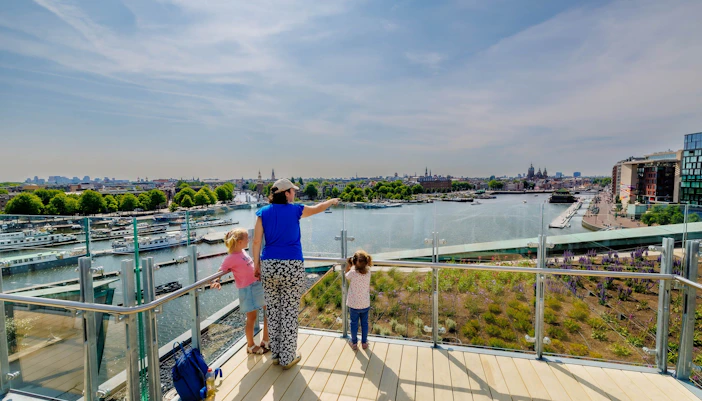
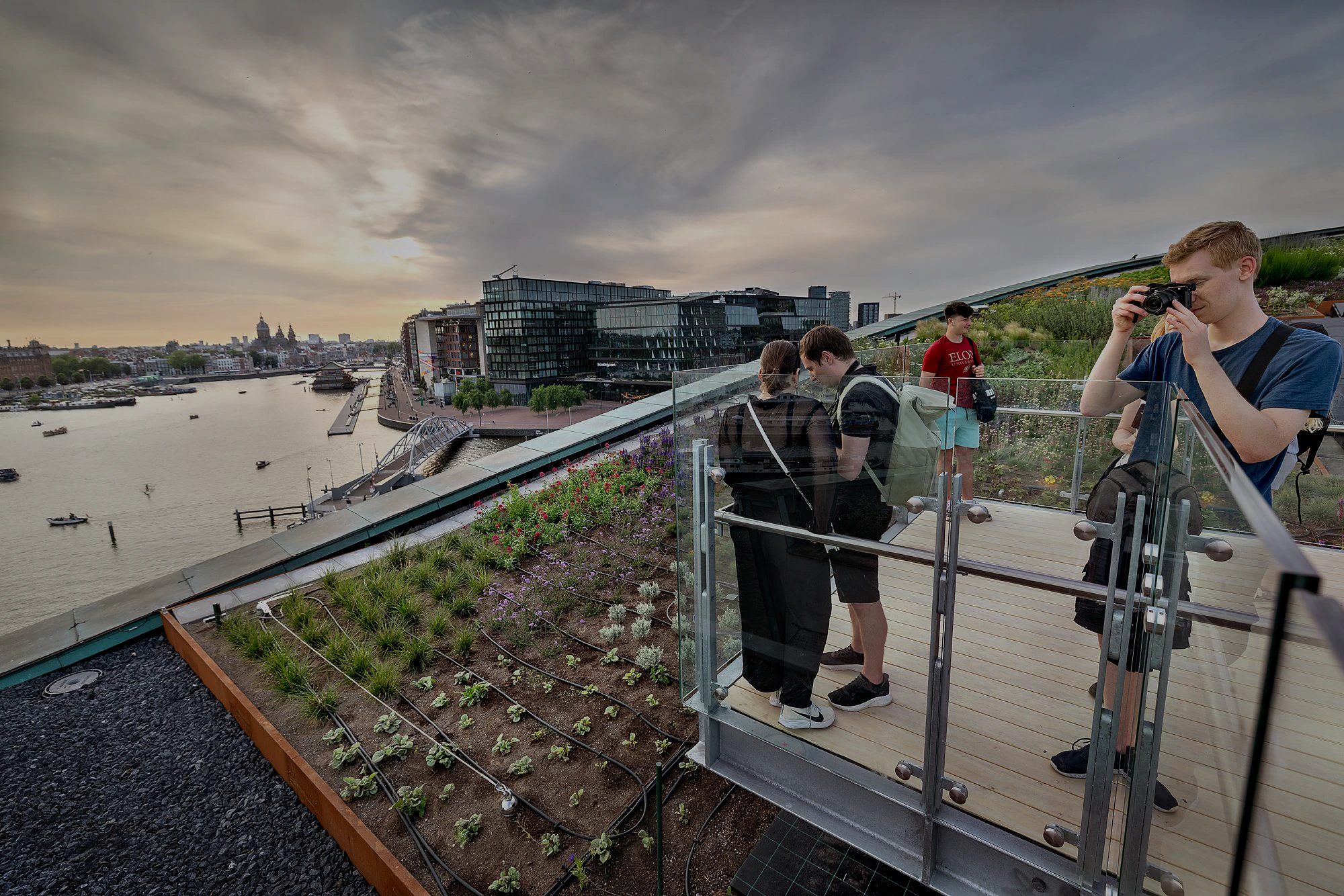
The rooftop terrace at NEMO is free to access and gives you open views over Oosterdok, rooftops, and the eastern side of central Amsterdam.
Best for: Families, skyline views, sunset walkers Duration: 30–45 minutes Combine this with:
Jewish Quarter walk — About 12–15 minutes from Waterlooplein, making it a practical way to finish a longer neighborhood route.
Amsterdam canal cruise — A good paid add-on if you want to trade rooftop views for water-level views afterward.
Cafés
Dignita Hoftuin
What to expect — Brunch plates, good coffee, and quieter seating near the Hoftuin gardens; the shakshuka and eggs dishes are the main draw here. Price range — €8–€18 (coffee, pastry, or brunch plate) Location note — Hoftuin side, near Nieuwe Herengracht
Cafés
Café de Sluyswacht
What to expect — Canal-side drinks and simple Dutch café staples in a historic leaning house; order bitterballen and a beer rather than treating it as a full dinner stop. Price range — €6–€16 (drinks and bar snacks) Location note — Jodenbreestraat/Oudeschans corner, near Rembrandt House Museum
Fine dining and longer meals
Café De Plantage
What to expect — A larger brasserie-style menu with polished mains and a strong terrace setting; better for a longer lunch or early dinner than a quick museum break. Price range — €18–€35 (main course or two-course meal) Location note — Plantage Kerklaan, near ARTIS and the east side of the quarter
Pubs and drinking
Café de Sluyswacht
What to expect — The best reason to come is the building itself, but it’s also a solid place for a local beer and Dutch snacks after walking Jodenbreestraat. Price range — €6–€16 (beer, wine, and snacks) Location note — By the canal next to Rembrandt House Museum
Plantage
A greener, quieter extension east of the quarter with ARTIS, Hortus Botanicus, and broader pavements that make it a good next stop after the museums.
Nieuwmarkt
Come here next if you want busier café streets and a more social old-centre atmosphere built around Nieuwmarkt square and the lanes behind it.
Centrum
The route west takes you to Dam Square, Centraal Station, and the city’s busiest canal-side streets if you want to switch from memorial spaces to core Amsterdam landmarks.
Oost
Head east for a more residential stretch with Brouwerij ’t IJ, Tropenmuseum, and food-focused streets that feel less tourist-led than the central core.
Grachtengordel (Canal Ring)
If you want the classic canal-house Amsterdam most visitors picture, continue toward the Herengracht, Keizersgracht, and Prinsengracht belt.
A vast 17th-century Sephardic synagogue lit by brass chandeliers and natural light, with a calm interior that feels far removed from central Amsterdam’s busier streets.
Best for: History buffs, architecture fans, quiet visits Duration: 30–45 minutes Combine this with:
Jewish Museum — Just a short walk away on the same cultural cluster, so it makes sense to see the synagogue first and then move into the museum for wider religious, social, and family history. The pairing gives you both the physical space and the lived context.
National Holocaust Museum — Around 5–10 minutes on foot depending on your route. Visiting both gives you a long historical arc, from Amsterdam’s Jewish religious life to the destruction of that community during the Second World War.
Explore experiences:Get I amsterdam City Card
National Holocaust Museum
This is the place to come for the most direct, personal account of how Dutch Jews were persecuted during the Second World War, told through objects, testimonies, and place-based context.
Best for: WWII history, serious museum visits, returning visitors Duration: 1.5–2 hours Combine this with:
Holocaust Name Memorial — A short walk away, and best done after the museum rather than before. The memorial turns what you’ve just learned indoors into something spatial and immediate.
Portuguese Synagogue — Roughly 10 minutes on foot. The contrast between a major surviving synagogue and the museum’s wartime narrative makes the neighborhood’s history easier to understand as a whole.
Jewish Museum
Set in former synagogues, the Jewish Museum covers religion, migration, family life, and culture in Amsterdam with a broader lens than the memorial-led sites nearby.
Best for: Cultural history, families with older children, museum visitors Duration: 1–1.5 hours Combine this with:
Portuguese Synagogue — They sit naturally in the same museum cluster, so you can do both without losing time to transport. One shows ritual space; the other explains everyday life around it.
Waterlooplein — Just a few minutes away on foot. After a museum-heavy morning, the open square and market streets give you a change of pace without leaving the quarter.
Explore experiences:Get I amsterdam City Card
Rembrandt House Museum
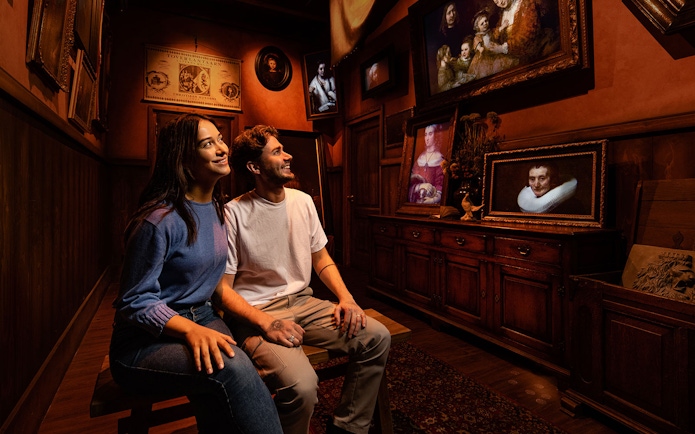
A restored 17th-century house and studio on Jodenbreestraat, where Rembrandt lived and worked between 1639 and 1658, complete with etchings, recreated rooms, and multimedia guides.
Best for: Art lovers, history buffs, first-time visitors Duration: 45–75 minutes Combine this with:
Jewish Quarter streets — The museum sits inside the area you’re already exploring, so it works well as a stop between the Jewish cultural sites and Nieuwmarkt. You get a sense of how artists, traders, and Jewish residents once shared this part of the city.
Amsterdam canal cruise from Centraal Station — About 15–20 minutes away on foot or a short tram hop depending on your pace. It’s a good way to follow an indoor museum with a wider view of the old canal city.
Explore experiences:Book Rembrandt House Museum tickets with multimedia guide
Waterlooplein
This open square and market area is the neighborhood’s everyday break from museums: part transit point, part browsing zone, and a useful place to reset between heavier stops.
Best for: Casual exploring, budget travelers, street photography Duration: 20–40 minutes Combine this with:
Rembrandt House Museum — Around 5 minutes away on foot. It’s an easy add-on before or after the museum, especially if you want a lighter stop between indoor visits.
Nieuwmarkt — Roughly 10 minutes on foot. The route links two old market areas and gives you a more lived-in view of the eastern edge of the centre.
Explore experiences:Get Amsterdam GVB Public Transport Pass
Holocaust Name Memorial
A contemporary brick memorial inscribed with victims’ names, designed as a place to walk through slowly rather than glance at from the outside.
Best for: Reflective visits, memorial architecture, meaningful short stops Duration: 20–30 minutes Combine this with:
National Holocaust Museum — About 5 minutes away. The museum gives narrative and evidence; the memorial gives scale and silence.
Hortus Botanicus — Around 10 minutes on foot. If you need a quieter decompression stop after the memorial, the gardens are the most natural contrast nearby.
Explore experiences:Get Amsterdam GVB Public Transport Pass
NEMO Science Museum
NEMO sits just outside the core of the quarter and adds a completely different mood: five floors of hands-on science exhibits inside a ship-like green building.
Best for: Families, curious kids, rainy days Duration: 2–3 hours Combine this with:
Jewish Quarter — Around 10–15 minutes on foot from the Waterlooplein side depending on your route. It works well if your group wants one reflective history stop and one hands-on museum on the same day.
Amsterdam canal cruise — A practical same-day pairing if you want to finish with city views and less walking. The shift from interactive exhibits to the water makes for a good family-paced afternoon.
Explore experiences:Book NEMO Science Museum fast-track tickets
Jewish Quarter Amsterdam neighborhood guide
Crafted by Headout, a global experiences brand offering curated tours, tickets & experiences. Discover with ease, book with peace.
Book tickets and tours to experience Amsterdam's Jewish Quarter