Tickets Amsterdam


Neighborhood at a glance

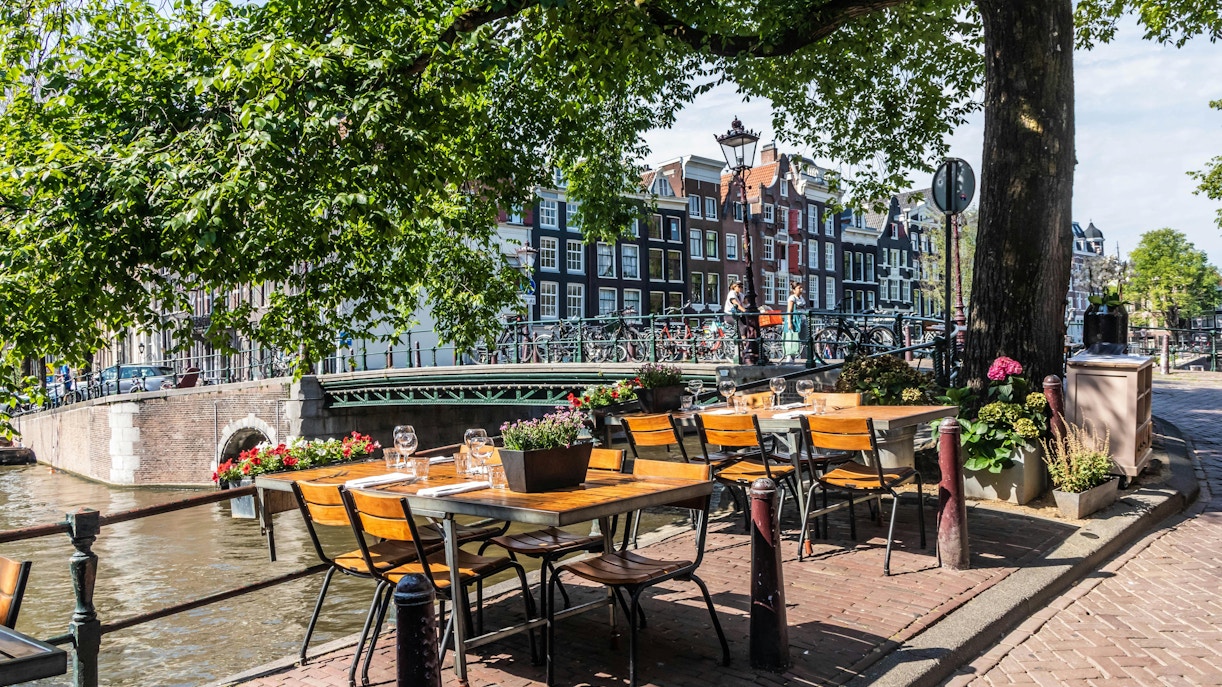
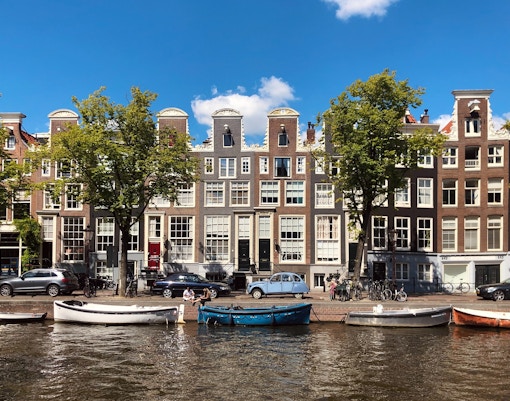
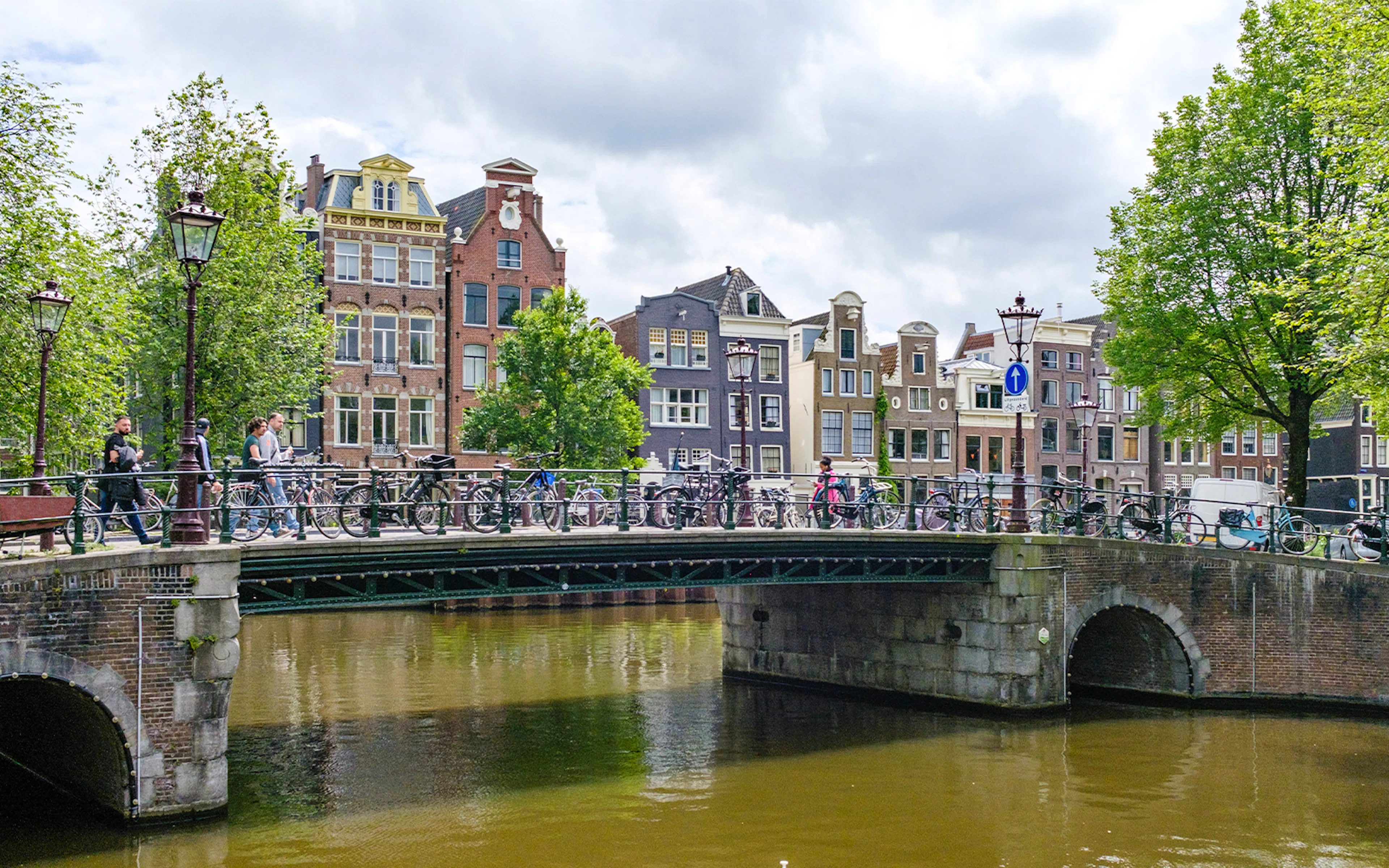
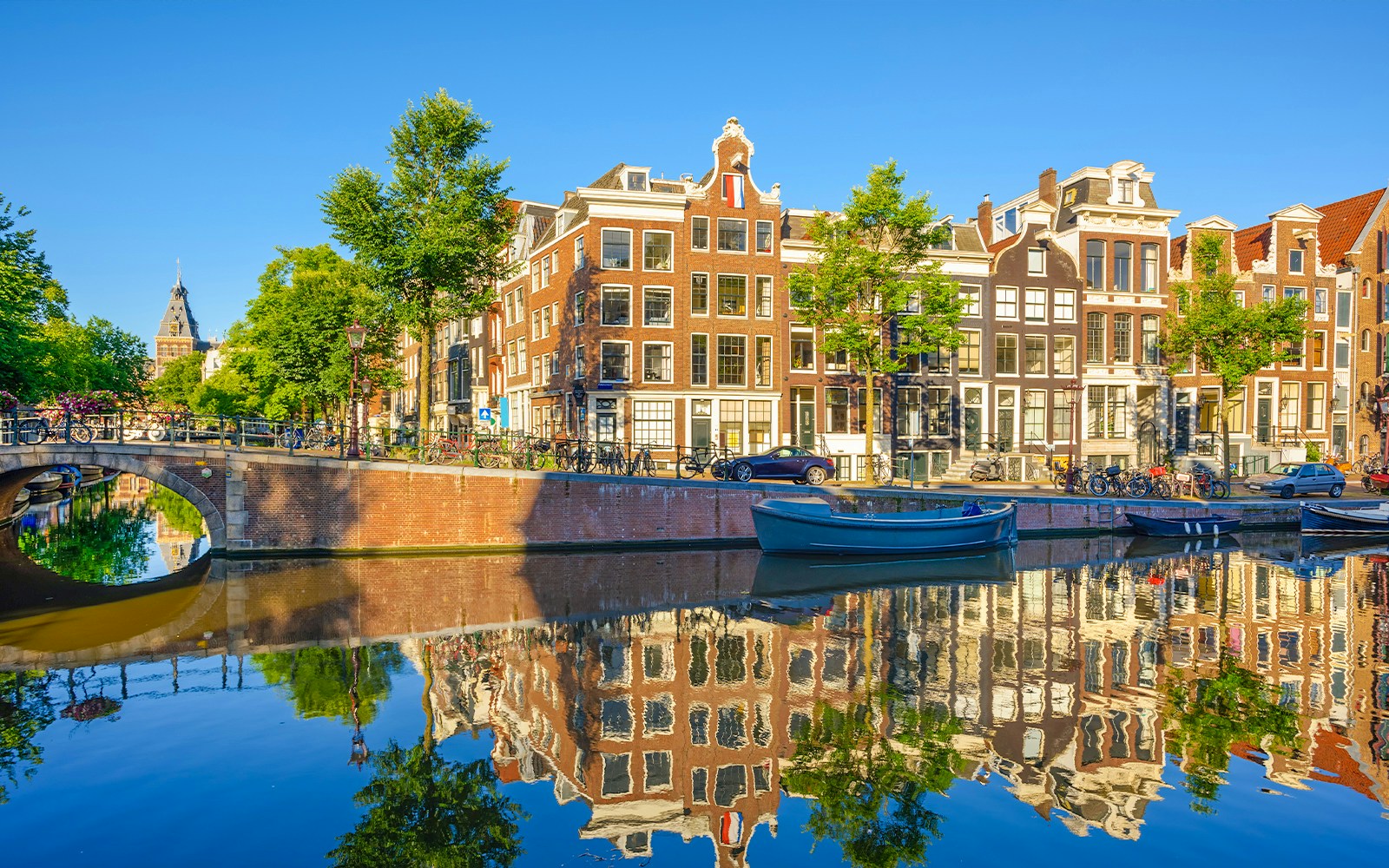
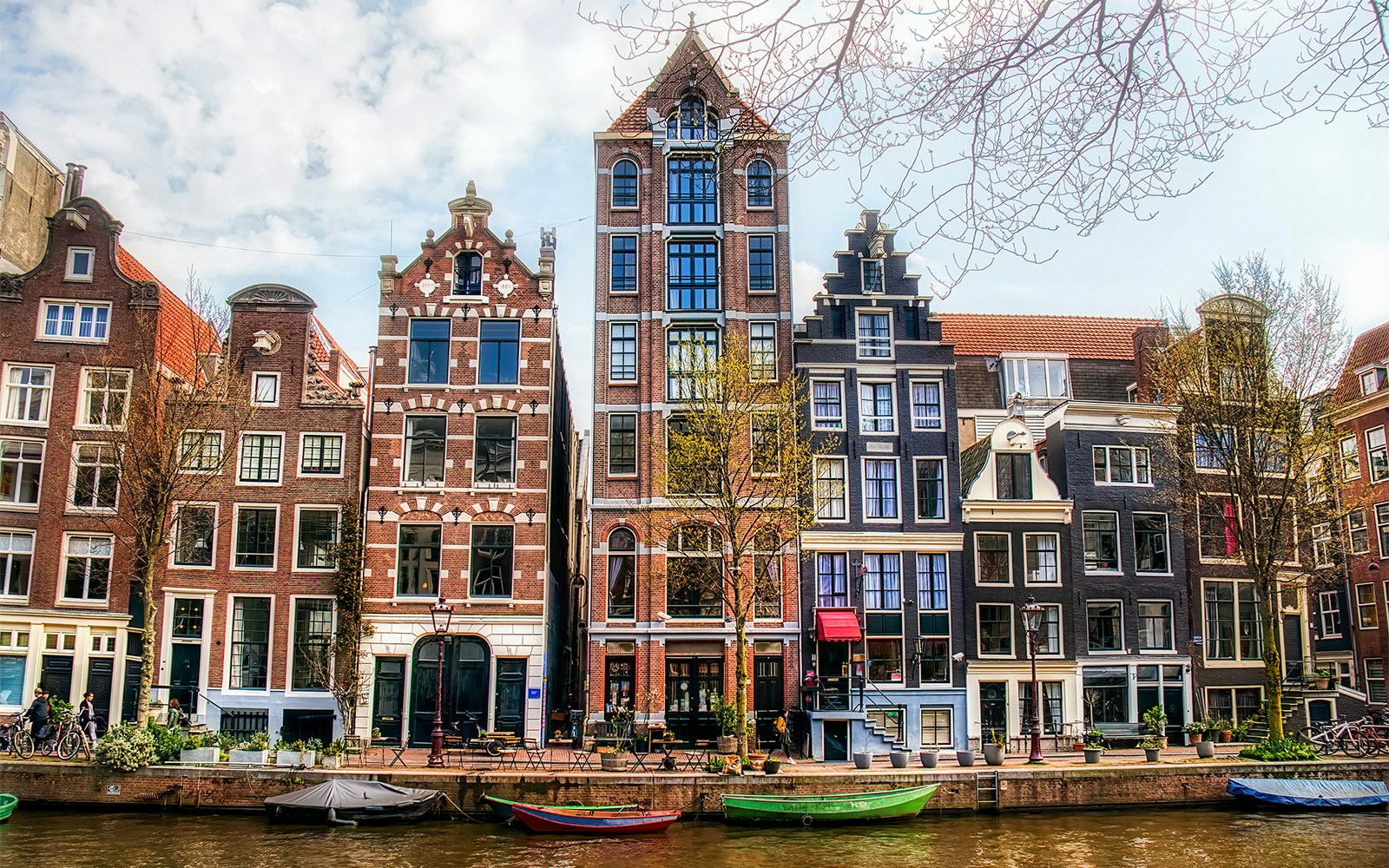
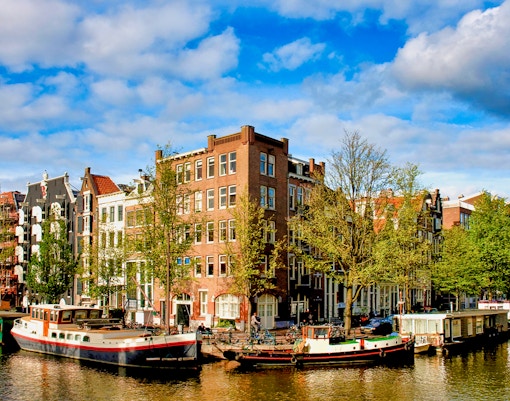
  • Why visit: Four 17th-century concentric canals (Singel, Herengracht, Keizersgracht, Prinsengracht) lined with gabled merchant houses, canal-house museums and the Nine Streets shopping grid, listed by UNESCO in 2010.
  • Atmosphere: Watery, residential, gabled, cycle-heavy.
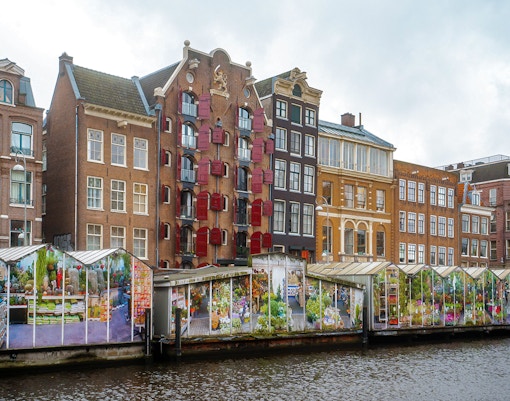
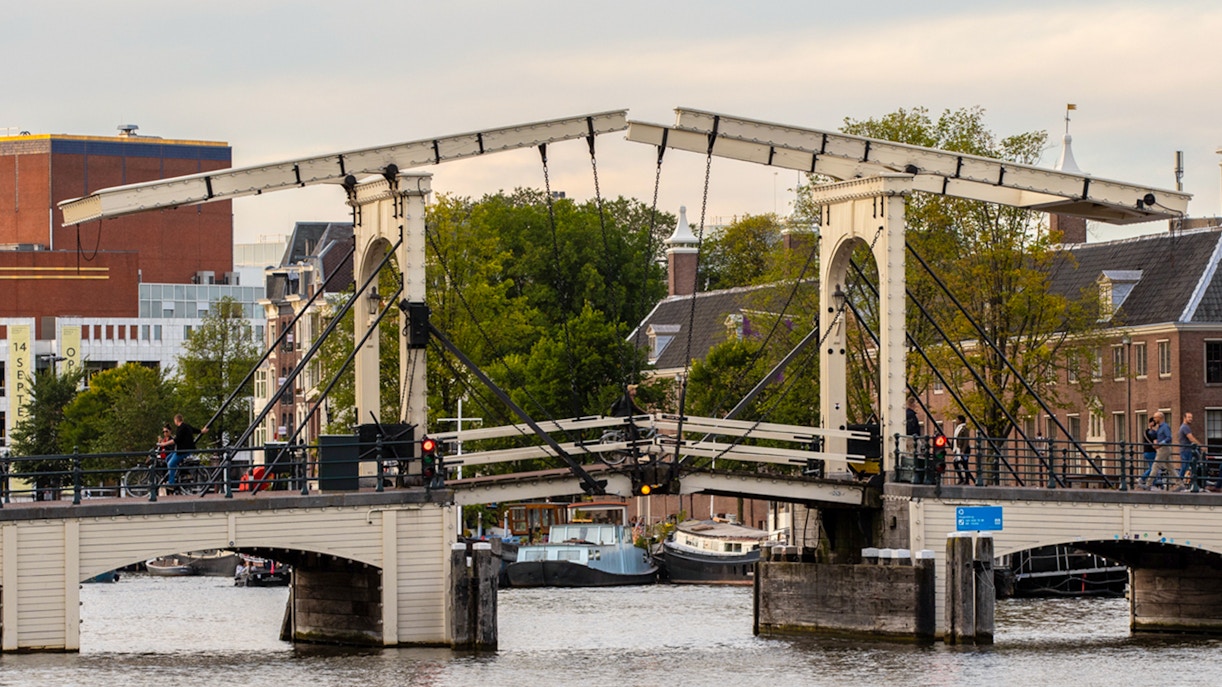
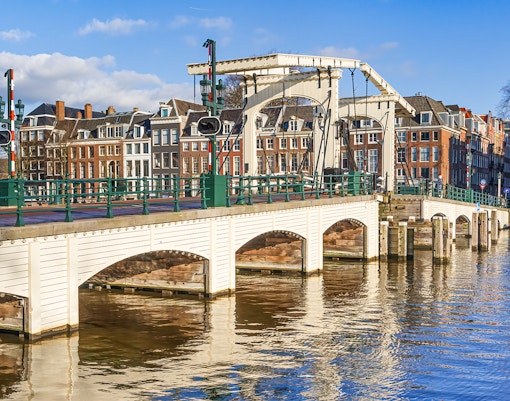
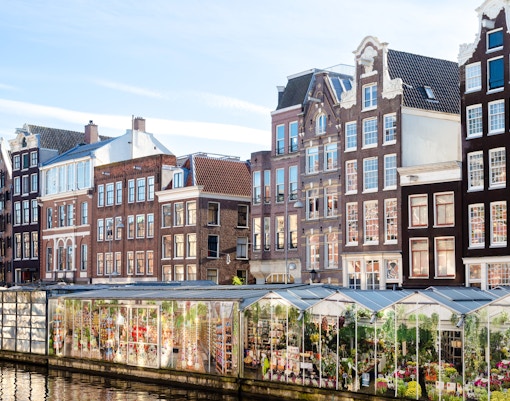
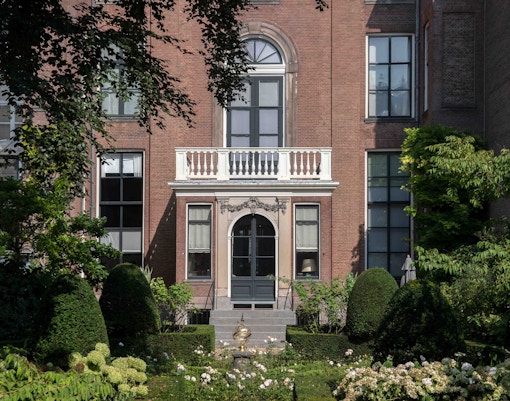
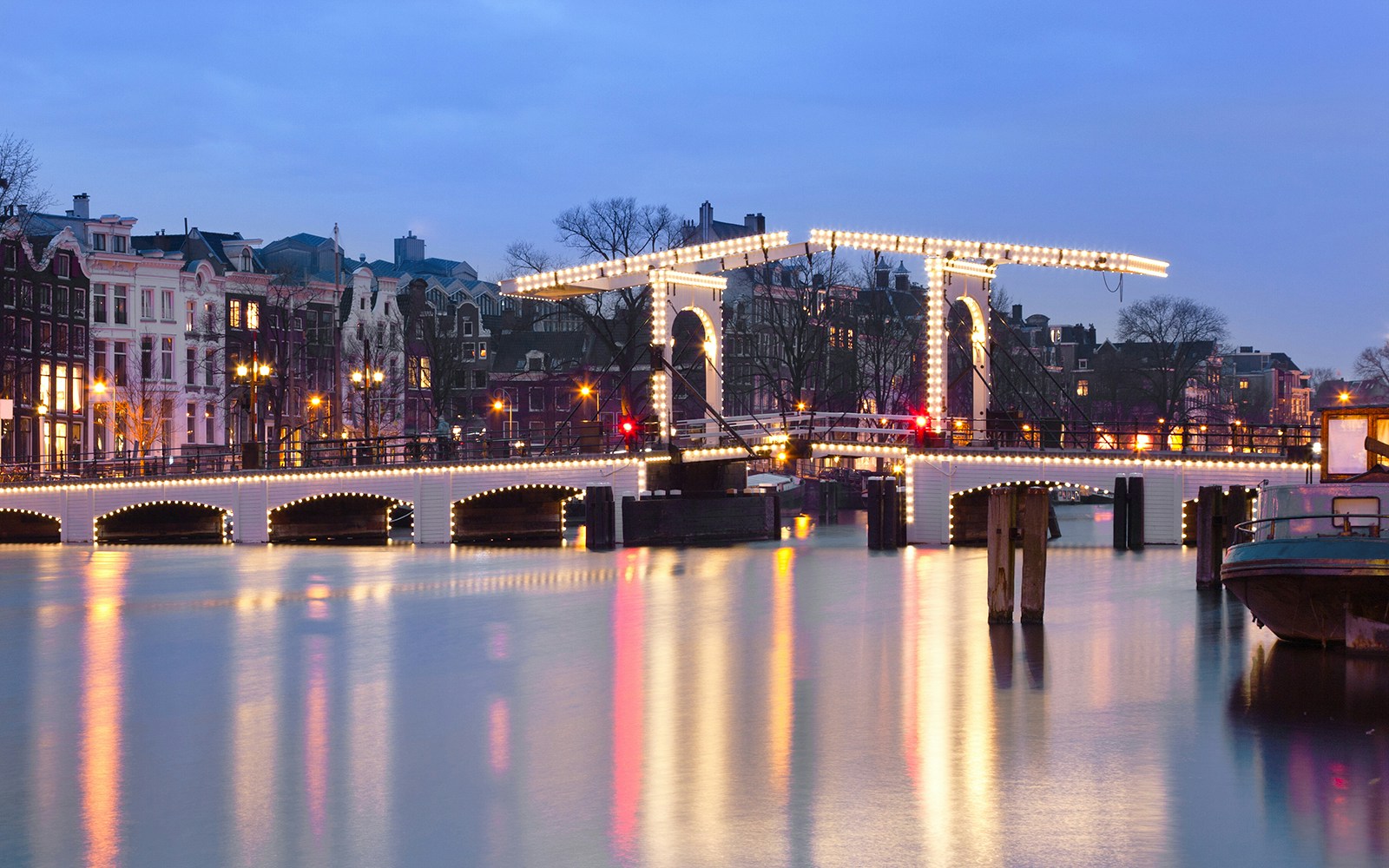
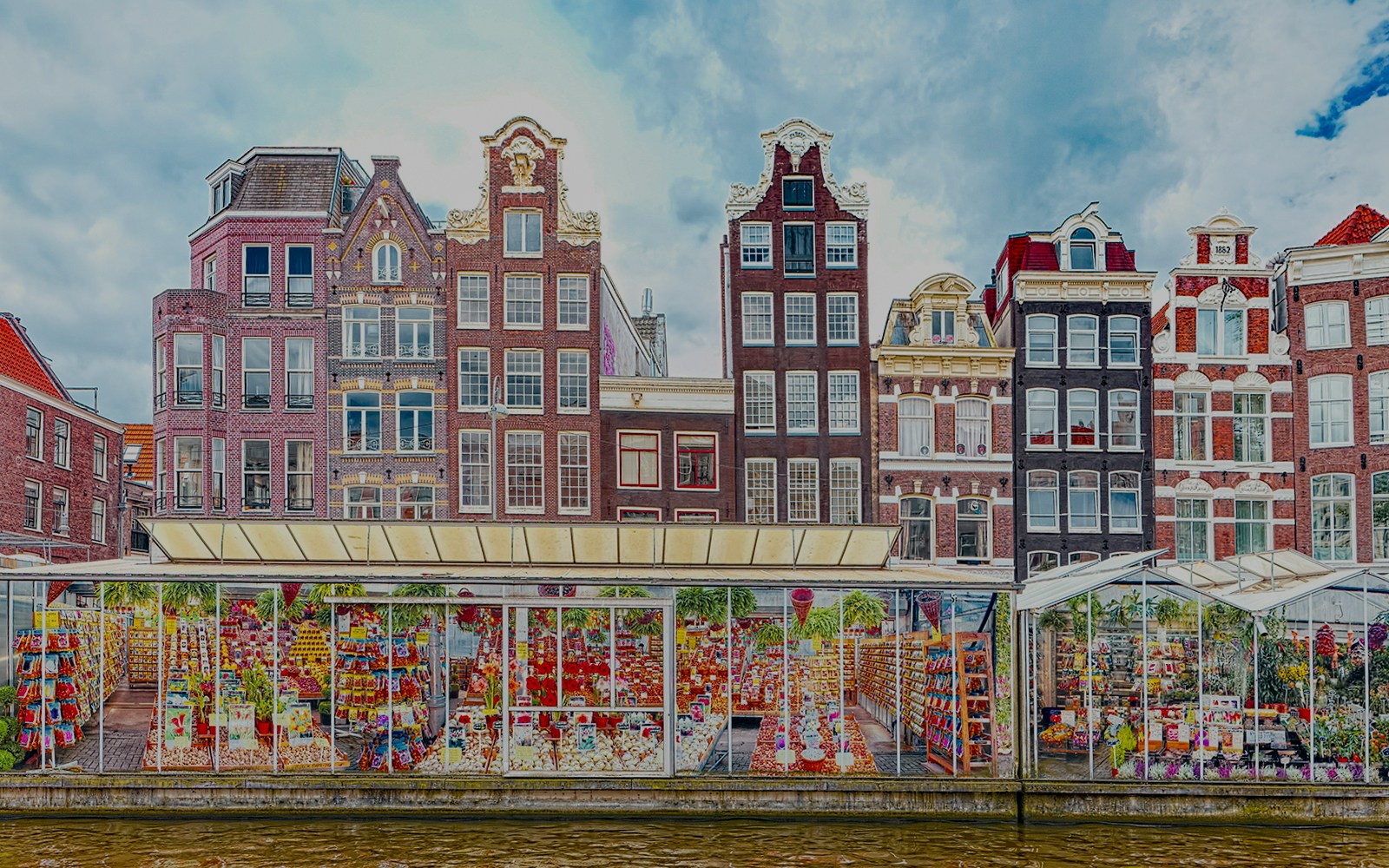
  • Top things to do: Take a canal cruise, walk the Nine Streets, see the Magere Brug, browse the Bloemenmarkt, tour Museum Van Loon.
  • Best for: First-time visitors, architecture fans, independent shoppers, couples.
  • Time needed: Half a day (3 to 4 hours).
  • Best time to visit: Late afternoon on a weekday, when bridge lights switch on and the Nine Streets are quieter than weekends.
  • Nearby: Anne Frank House, Westerkerk, Dam Square, Rembrandtplein, Leidseplein, Bloemenmarkt.

Top things to do in Canal Ring

Pro tip

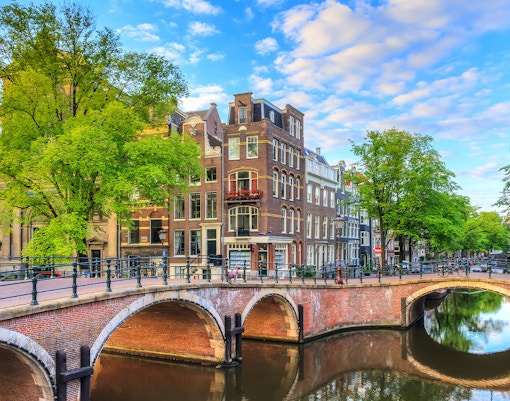
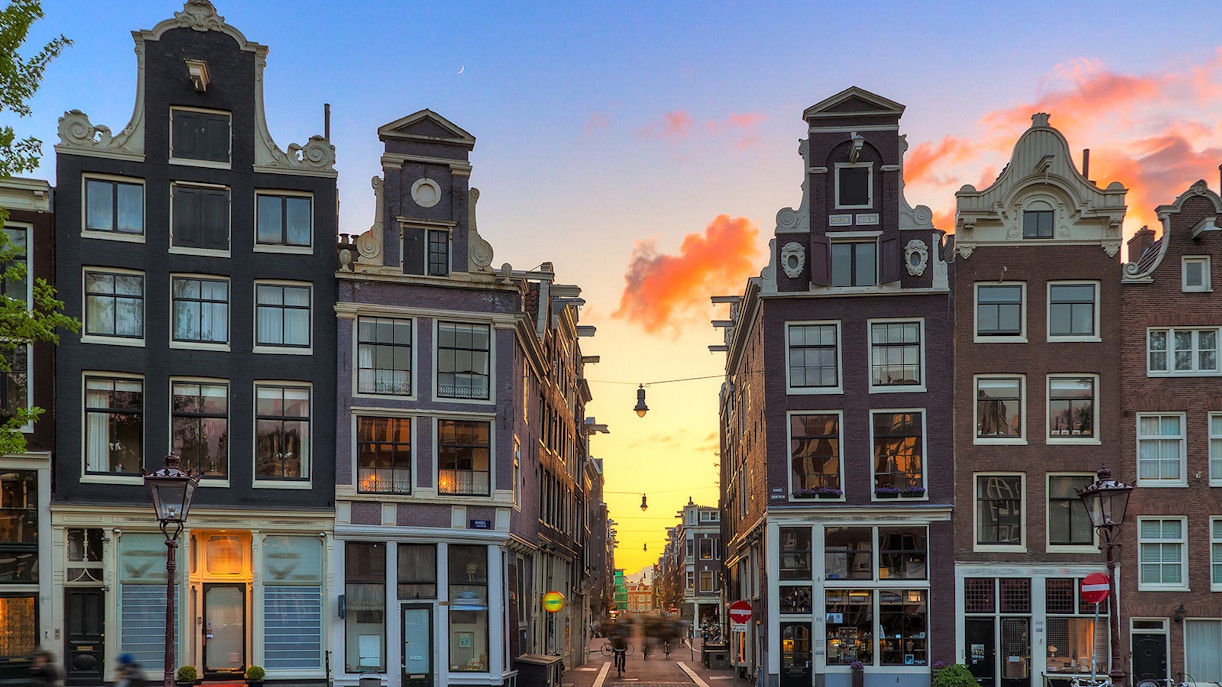
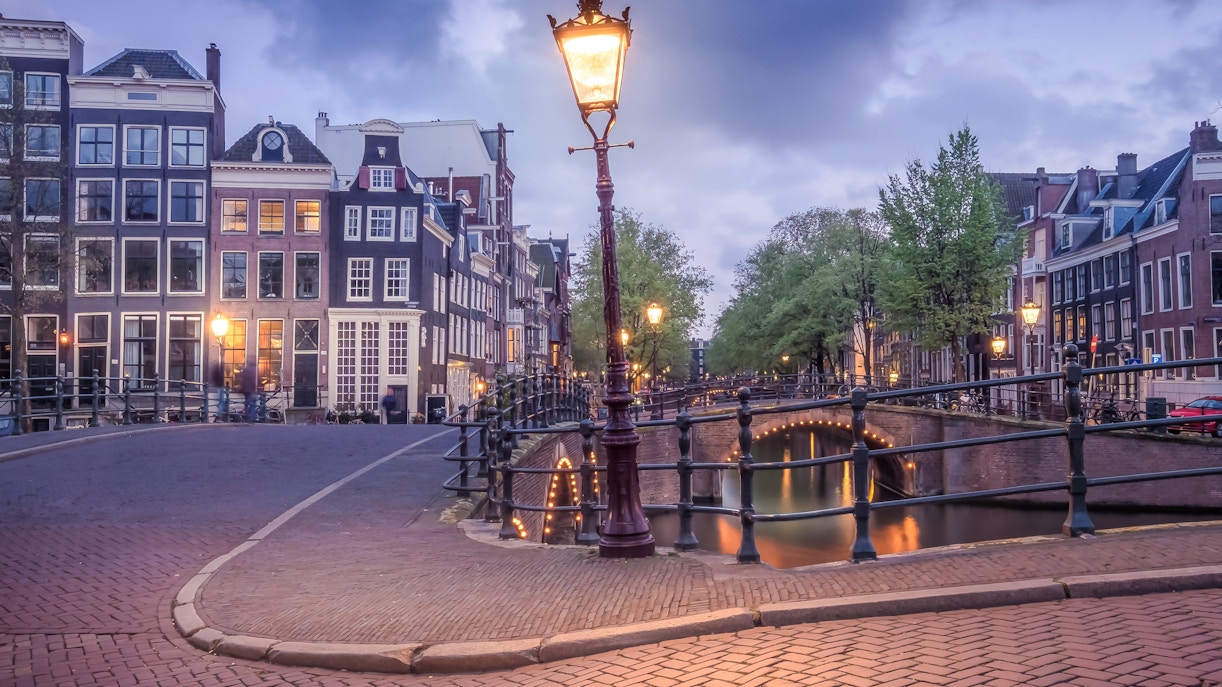
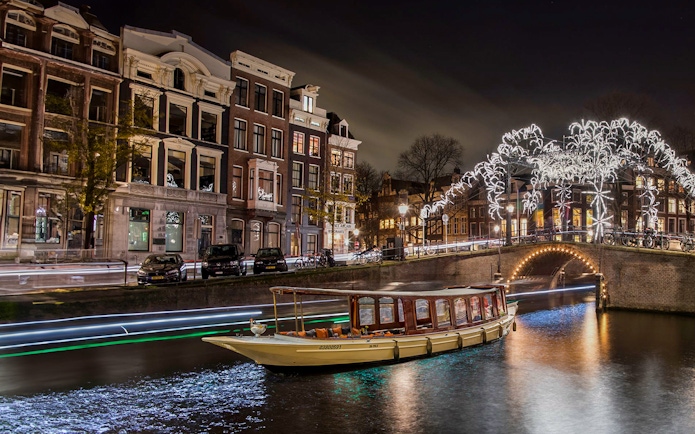
Time your walk so you reach the Reguliersgracht and Herengracht corner just after sunset, when the seven bridges and the canal-house gables switch on their lights for the best view of the day.

Quick navigation

🏛️ Why visit  | 🎟️ Best ways to explore |🧭 Plan your visit | 🌟 Free things to do | 📋 Itinerary | 💡 Tips |🍴 Dining

Why visit Canal Ring

Placeholder Image Headout Blimp
1/5

Four canals you can cross on foot in twenty minutes

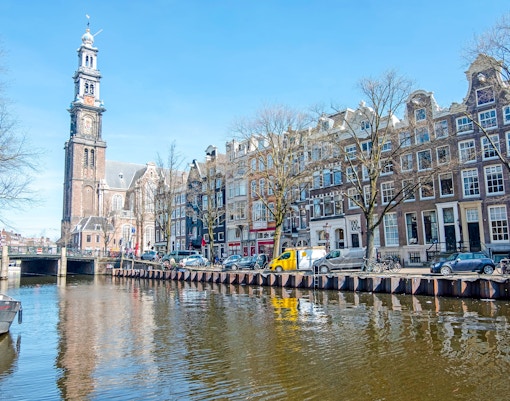
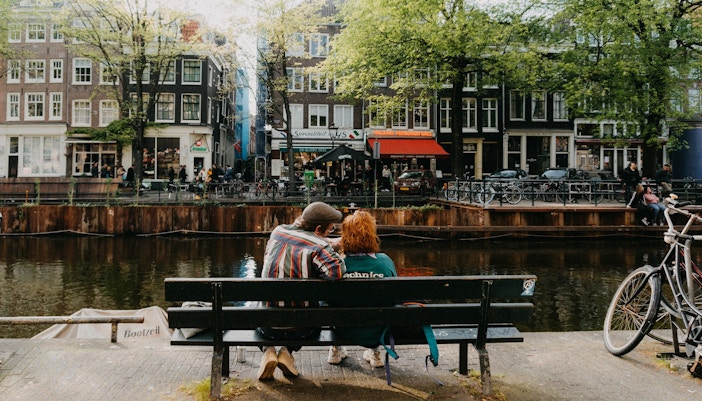
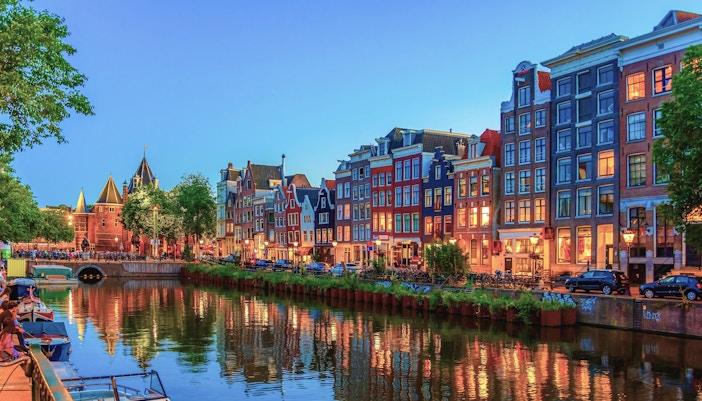
The belt is laid out as concentric rings: Singel, Herengracht, Keizersgracht and Prinsengracht, linked by short cross-streets. You can stand on the Herengracht, walk to the Prinsengracht, and pass three centuries of merchant architecture without rushing. The whole arc curves from the Brouwersgracht in the north to the Amstel in the southeast. Nothing here requires transport once you arrive.

Canal houses you can step inside, not just photograph

Museum Van Loon on the Keizersgracht and Museum Willet-Holthuysen on the Herengracht are preserved family homes, with original kitchens, salons, and back gardens. Most of the belt's facades stay private, so these two are where you actually see how the merchant elite lived. The Van Loon garden and coach house show the full depth of a canal plot. Both sit within ten minutes of each other.

The Nine Streets concentrate independent shops in a small grid

De Negen Straatjes packs vintage clothing, cheese shops, design stores, and cafes into a handful of cross-streets between the Singel and Prinsengracht. Unlike Kalverstraat's chain stores a few minutes east, most venues here are one-off and owner-run. You can cover the whole grid in an hour. It is the densest cluster of small retail inside the canal belt.

Dug from 1613 as Golden Age city planning, listed by UNESCO in 2010

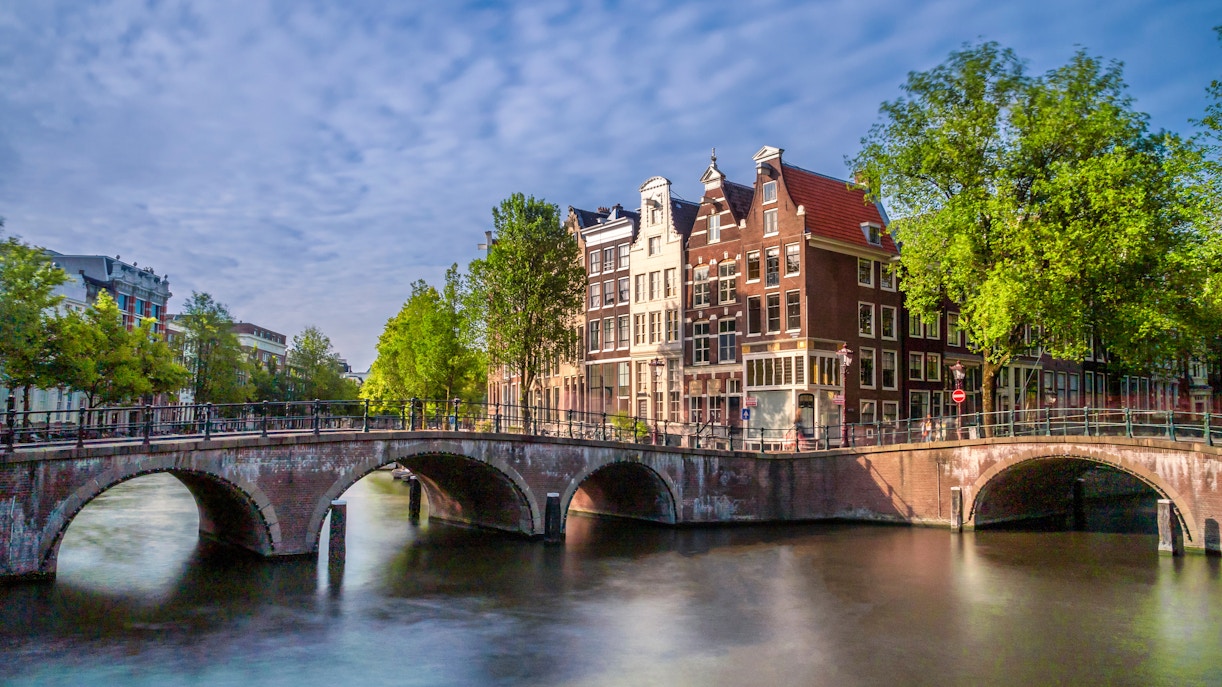
When Amsterdam's trade boomed, the city expanded by digging the canal belt in a planned arc and selling plots to wealthy merchants, who built tall narrow houses with hoisting beams still visible at the gables. The Golden Bend on the Herengracht was the most expensive stretch, with double-width mansions. That 17th-century plan survives almost intact, which is why UNESCO inscribed the belt as World Heritage. Today you walk the same plots laid out four centuries ago.

Free to wander, lit after dark, with trams and metro on every edge

There is no entry fee to the canals themselves, and the belt is ringed by tram stops at Spui, Koningsplein, Leidseplein and Rembrandtplein plus Rokin metro on line 52. After dark the bridges and many gables are floodlit, so an evening walk costs nothing. Amsterdam Centraal is a 10 to 15 minute walk from the northern edge. Getting in and out is the easy part.

Best ways to explore Canal Ring

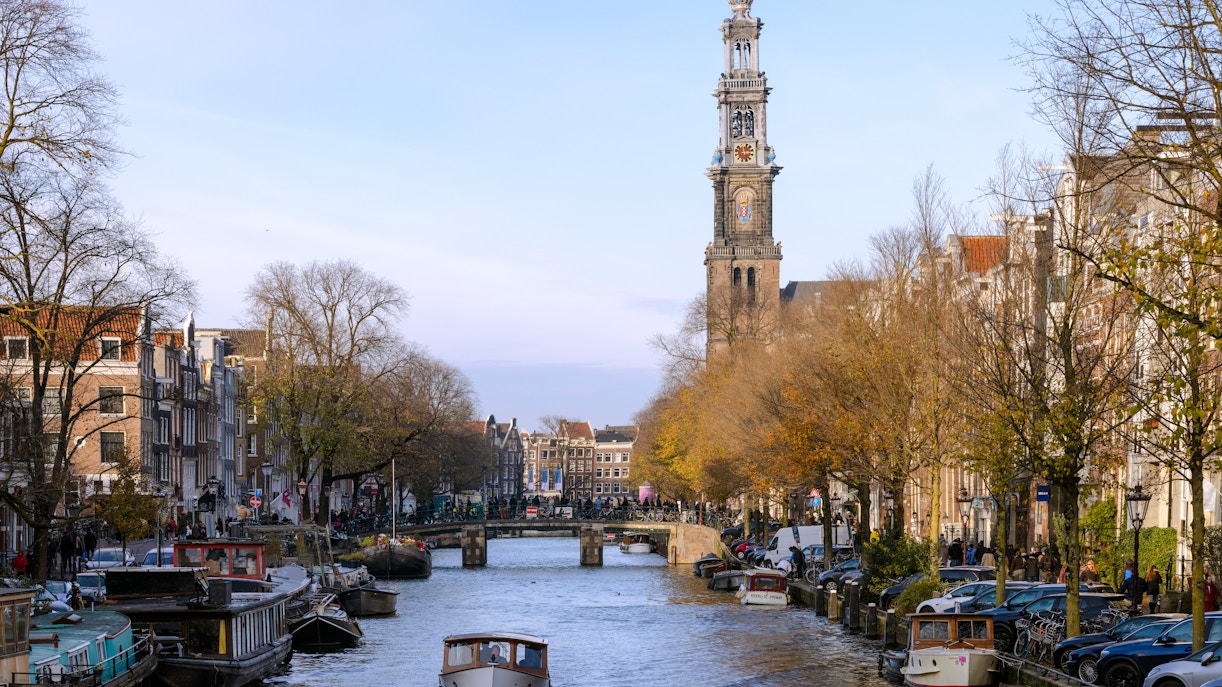
A walking tour here typically traces the Nine Streets, crosses the Herengracht and Keizersgracht and ends near the Westerkerk and Anne Frank House on the Prinsengracht. Guides point out gable types, hoisting beams and the Golden Bend mansions that you would otherwise walk past.

Book Anne Frank, Jordaan and Leidseplein walking tour

Pro tip

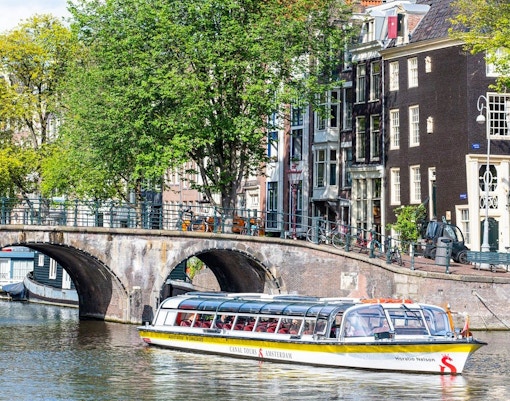
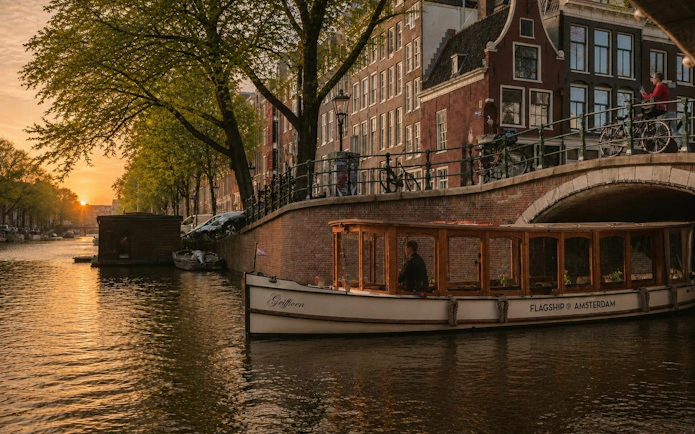
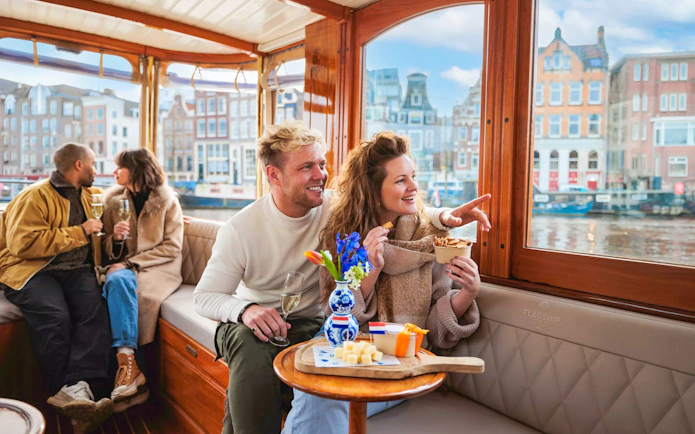
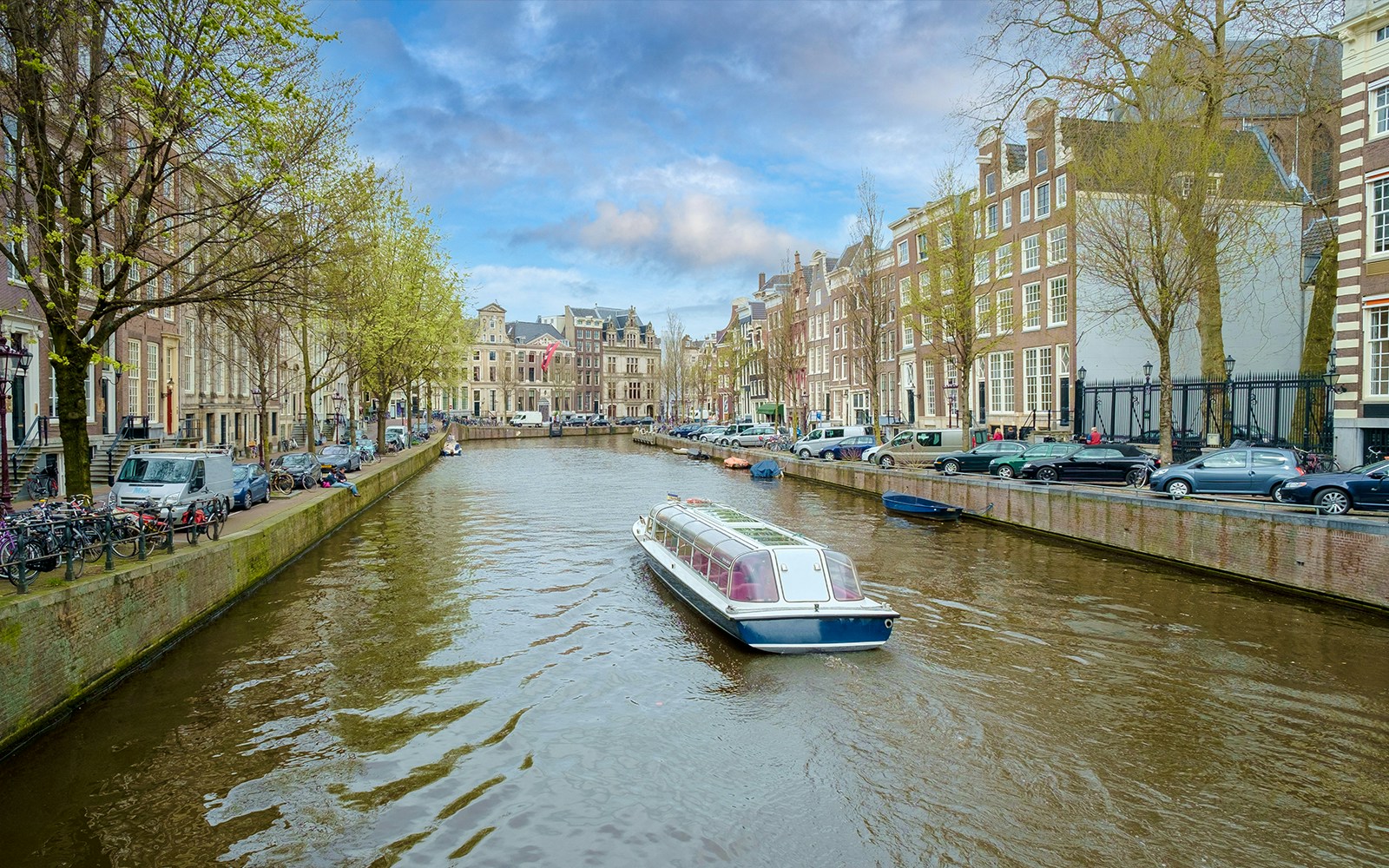
The Canal Ring's identity is its waterways, so put yourself on them: a one-hour canal cruise covers the Golden Bend, the Magere Brug and the Amstel from water level. To add the human story, the Anne Frank walking tour plus canal cruise combo walks the Prinsengracht first, then floats the same route.

Plan your visit

City hop-on-hop-off pass

The City Sightseeing hop-on hop-off boat stops along the canal belt and near the Anne Frank House, letting you ride between the Nine Streets, the Golden Bend and the Amstel on one day pass instead of paying per cruise.

Free things to do in Canal Ring

Suggested itinerary for visiting Canal Ring

The belt is a curved arc of four parallel canals linked by short cross-streets, so routes flow naturally from the Nine Streets in the west to the Amstel in the southeast, all on foot.

Tips for visiting Canal Ring

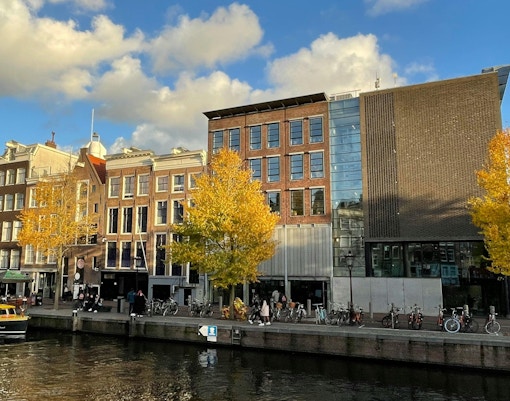
  • Book Anne Frank House the moment you have dates. Tickets are online only at annefrank.org, released every Tuesday at 10am Amsterdam time for visits six weeks later, and morning slots can sell out in minutes. There are no door sales.
  • Pre-book your cruise to skip the dock queue. Walk-up lines at the busy Damrak and Centraal jetties are long; a smaller operator near Leidseplein or the Singel with a timed ticket gets you straight on.
  • Enter the Nine Streets from the Prinsengracht side. Coming in on Reestraat or Hartenstraat reveals the grid street by street; arriving from Kalverstraat dumps you into chain-store crowds first.
  • Shoot the Brouwersgracht in the morning. The northern canal faces the early light and is empty before 9am, unlike the busier Herengracht.
  • Skip the canal-side tourist cafes around Leidseplein. Walk one block in to Utrechtsestraat or into the Nine Streets for better value coffee and lunch.
  • Use a cafe or department store for toilets. Free public toilets are scarce on the belt; the De Bijenkorf store at Dam and most cafes (with a purchase) are the reliable options.
  • Watch the red bike lanes. Stepping off a bridge to frame a photo often means stepping into a cycle lane; locals will not slow down for you.
  • Mondays are quiet but partly closed. Several Nine Streets boutiques and smaller museums open late or stay shut on Mondays; plan museums for Tuesday to Sunday.

Best photo spots in Canal Ring

Placeholder Image Headout Blimp

Reguliersgracht at the Herengracht corner, at dusk

Stand on the Herengracht bridge facing south down the Reguliersgracht to stack seven arched stone bridges in one frame. Shoot just after sunset when the bridge arches light up and reflect on still water.

Placeholder Image Headout Blimp

Dining in Canal Ring

Must-eat tip

Order the single warm chocolate cookie at Van Stapele Koekmakerij on Heisteeg, baked fresh with a molten white-chocolate core; it is the one bite people queue for in the Nine Streets, best eaten on the spot while still warm.

Should you stay in Canal Ring?

Short answer: Yes, if you want a central, atmospheric base inside the historic belt. Less suited to budget travellers and anyone needing big supermarkets or a quiet hideout.

  • The vibe: After the day-trippers leave, the Nine Streets and the Herengracht go quiet and residential, with lit bridges, the odd late cafe near Rembrandtplein and water lapping under the houseboats.
  • The logistics: Accommodation is mostly small boutique hotels and apartments inside narrow 17th-century canal houses, which means steep stairs, few lifts and premium prices; chain hotels are rare here.
  • Who it's for: It suits couples, architecture fans and repeat visitors who want to walk everywhere. It does not suit families needing space, light sleepers near Rembrandtplein, or anyone counting euros.
  • Top recommendation: Book around the Nine Streets or the quieter middle of the Keizersgracht for a canal-house boutique hotel: central, walkable and away from the nightlife noise of the square edges.

Explore other neighborhoods

Frequently asked questions about visiting Canal Ring

No. The Canal Ring (Grachtengordel) is the planned belt of main canals: Singel, Herengracht, Keizersgracht and Prinsengracht. The Jordaan is the former working-class district just west of the Prinsengracht. They border each other near the Anne Frank House, which sits on the dividing canal, so the two are often confused.