‌‌‌‌
‌

Neighborhood at a glance

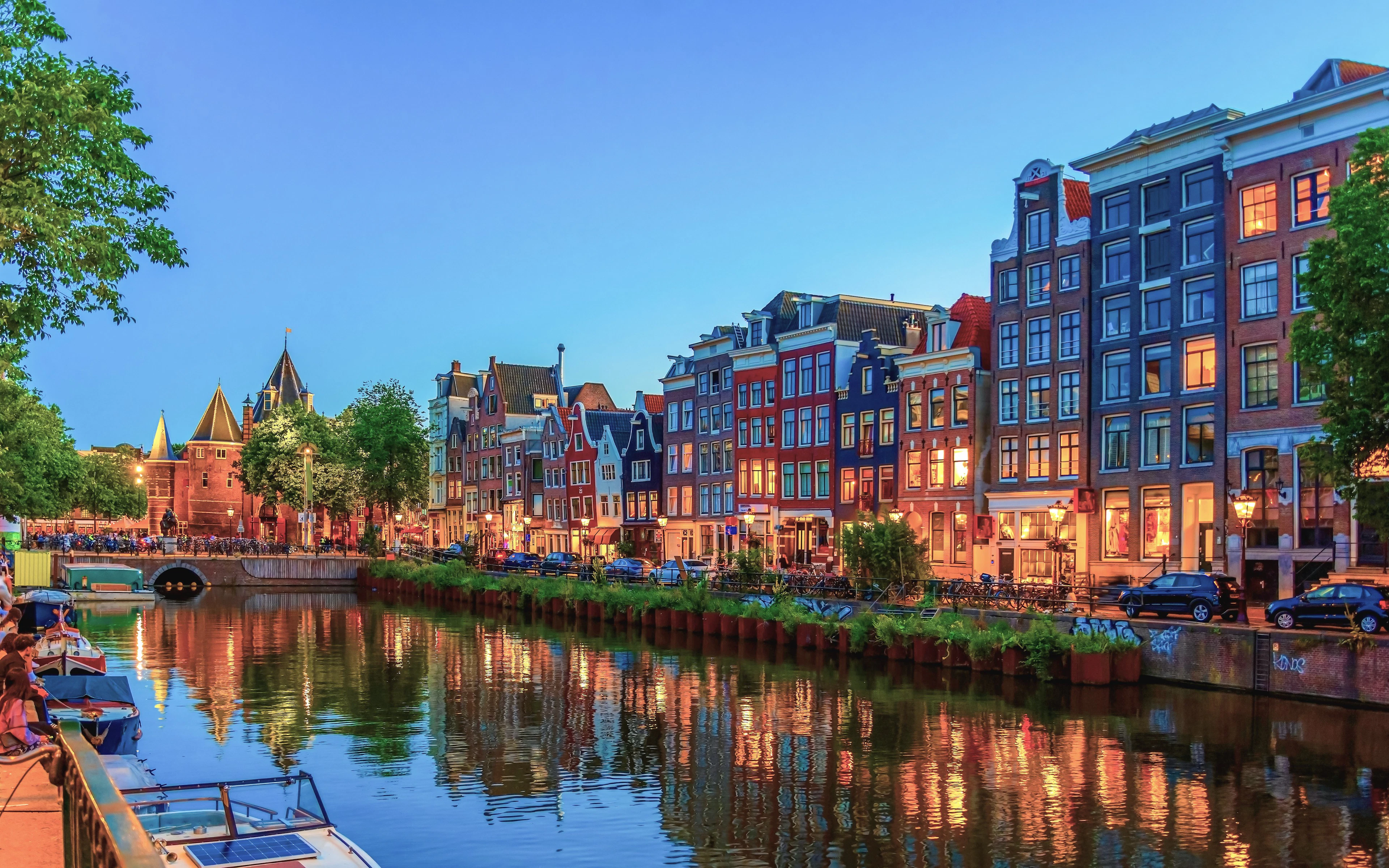
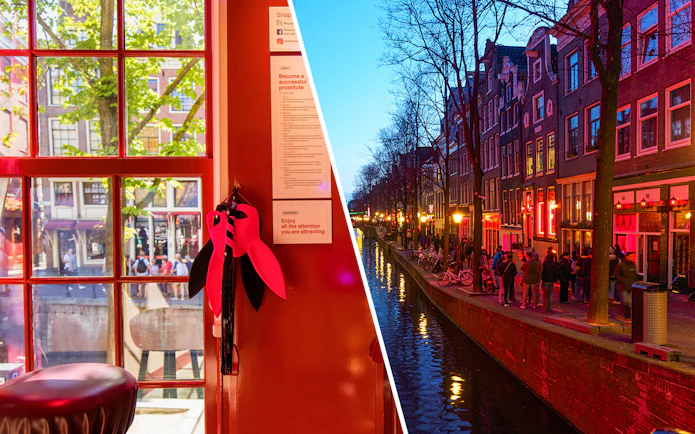
  • Why visit: Amsterdam's oldest quarter, where the 800-year-old Oude Kerk stands among red-lit window cabins, two 14th-century canals (Oudezijds Voorburgwal and Oudezijds Achterburgwal), and the Zeedijk Chinatown strip.
  • Atmosphere: Crowded, neon-lit, medieval, residential.
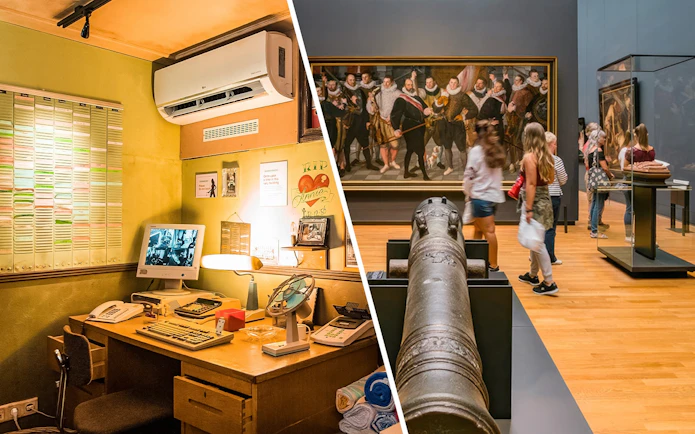
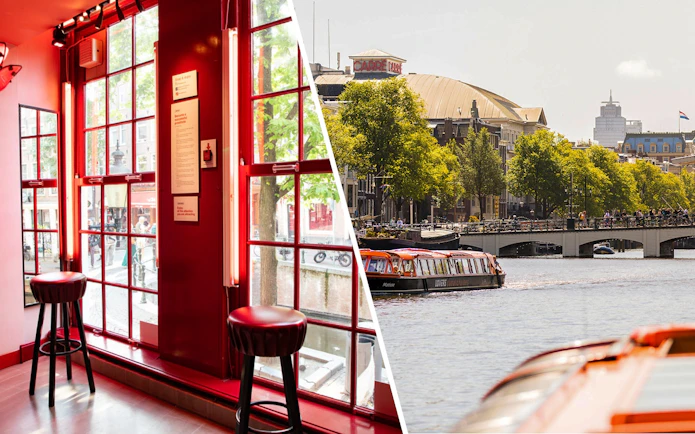
  • Top things to do: See the Oude Kerk and the Belle statue, walk Oudezijds Achterburgwal after dark, visit Red Light Secrets, eat dim sum on Zeedijk.
  • Best for: First-time visitors, history fans, nightlife, curious travellers.
  • Time needed: 2 to 3 hours.
  • Best time to visit: Weekday evening after 8pm for the lit windows without weekend crowds; weekday mornings for quiet canals and clean photos of the Oude Kerk.
  • Nearby: Dam Square, Nieuwmarkt, De Waag, Amsterdam Centraal, Nieuwe Kerk, Damrak.

Quick navigation

🏛️ Why visit  | 🎟️ Best ways to explore |🧭 Plan your visit | 🌟 Free things to do | 📋 Itinerary |💡 Tips |🍴 Dining

Best ways to explore De Wallen

A guided walk here covers the Oude Kerk, Oudezijds Achterburgwal, the Belle statue and the history of legal sex work and coffeeshops. Note that since 2020 tours are not permitted to stop directly in front of the windows, so guides work permitted routes and small groups.

​Book Red Light District 2-hour Guided Walking Tour

Plan your visit

Suggested itinerary for visiting De Wallen

De Wallen is compact and entirely walkable, built around two parallel canals with linking alleys, so you can loop the whole district without backtracking and never walk more than a few minutes between stops.

Tips for visiting De Wallen

  • Buy your Red Light Secrets ticket online before you arrive; the entrance on Oudezijds Achterburgwal is small and the queue builds fast on weekend evenings.
  • For the history without a group blocking the alleys, take a self-guided audio tour rather than a fixed walking tour, since guides are no longer allowed to stop in front of the windows anyway.
  • Never photograph or film the windows. It is banned, enforced, and the fastest way to get into a confrontation in the district.
  • Do not smoke cannabis on the street here; the ban since May 2023 carries roughly a €100 fine. Stay inside a coffeeshop or on its terrace.
  • Eat on Zeedijk, not on Damstraat or the main tourist drag. Hoi Tin and the Chinatown kitchens are cheaper and better than the burger-and-waffle stalls aimed at crowds.
  • For the calmest photos of the Oude Kerk and the canals, come before 10am, when the windows are dark and the alleys are empty.
  • Walk Oudezijds Voorburgwal, not just Achterburgwal. Most visitors crowd the busy canal and miss the quieter parallel one a single alley away.
  • Avoid Friday and Saturday after midnight if you want to actually see the district; weekend nights turn into a slow-moving drunk crowd.

Should you stay in De Wallen?

Short answer: Only if nightlife is the point of your trip. Central and atmospheric, but loud, crowded and not restful.

  • The vibe: After the day-trippers thin out, weeknights around the Oude Kerk can feel almost residential, but Friday and Saturday the canals stay loud past 2am with bar and stag-party noise carrying up to the windows.
  • The logistics: Accommodation is a mix of small budget hotels and hostels on Warmoesstraat and around Nieuwmarkt, plus a few higher-end options like the Sofitel Legend The Grand nearby; old, narrow canal buildings often mean stairs and no lift, and central prices.
  • Who it's for: Suits night-out travellers and those who want to roll out of bed into the action; not for light sleepers, families, or anyone wanting calm. You gain location and lose quiet.
  • Top recommendation: Book around Nieuwmarkt or the quieter Oudezijds Voorburgwal end rather than on Oudezijds Achterburgwal; a room off the main canal keeps you central without the window-strip noise.

Frequently asked questions about De Wallen

Not directly. Since 2020, tour groups are not allowed to stop in front of the prostitution windows, and group sizes and permits are restricted. Guided walks still run on permitted routes, and a self-guided audio tour is the most flexible way to learn the history at your own pace.