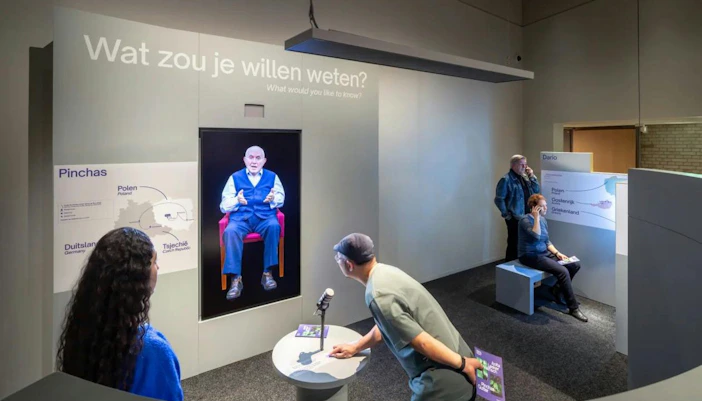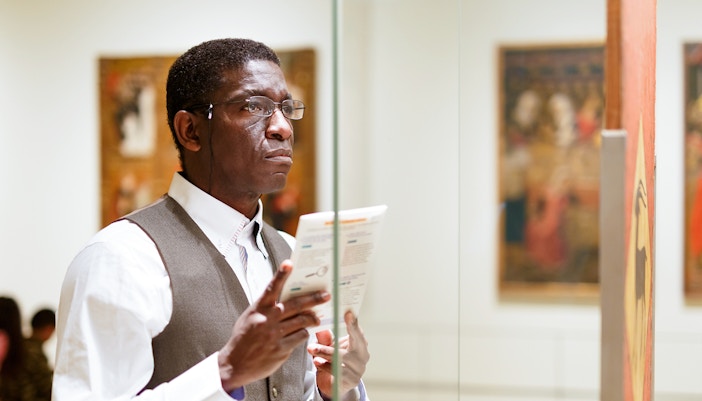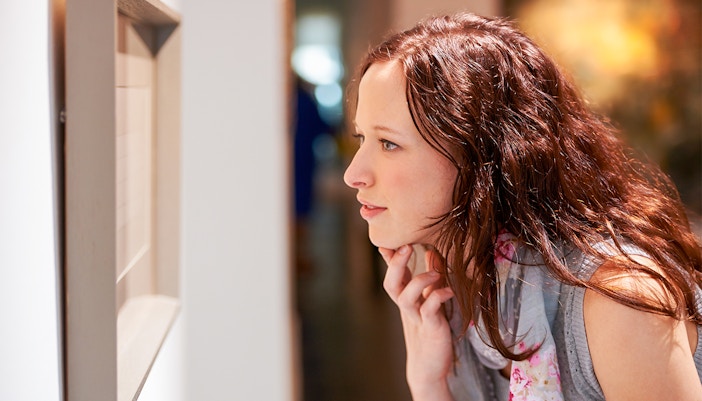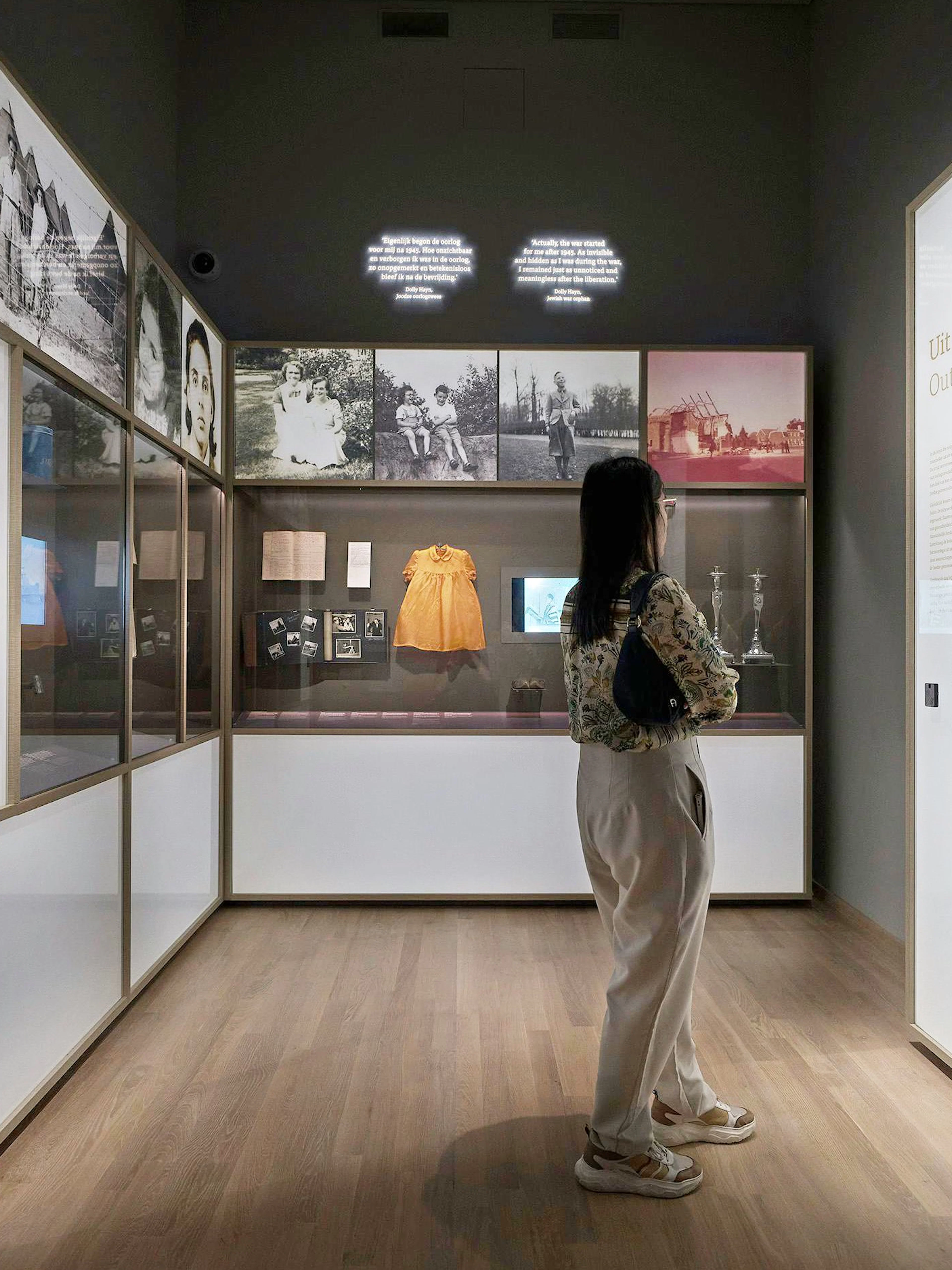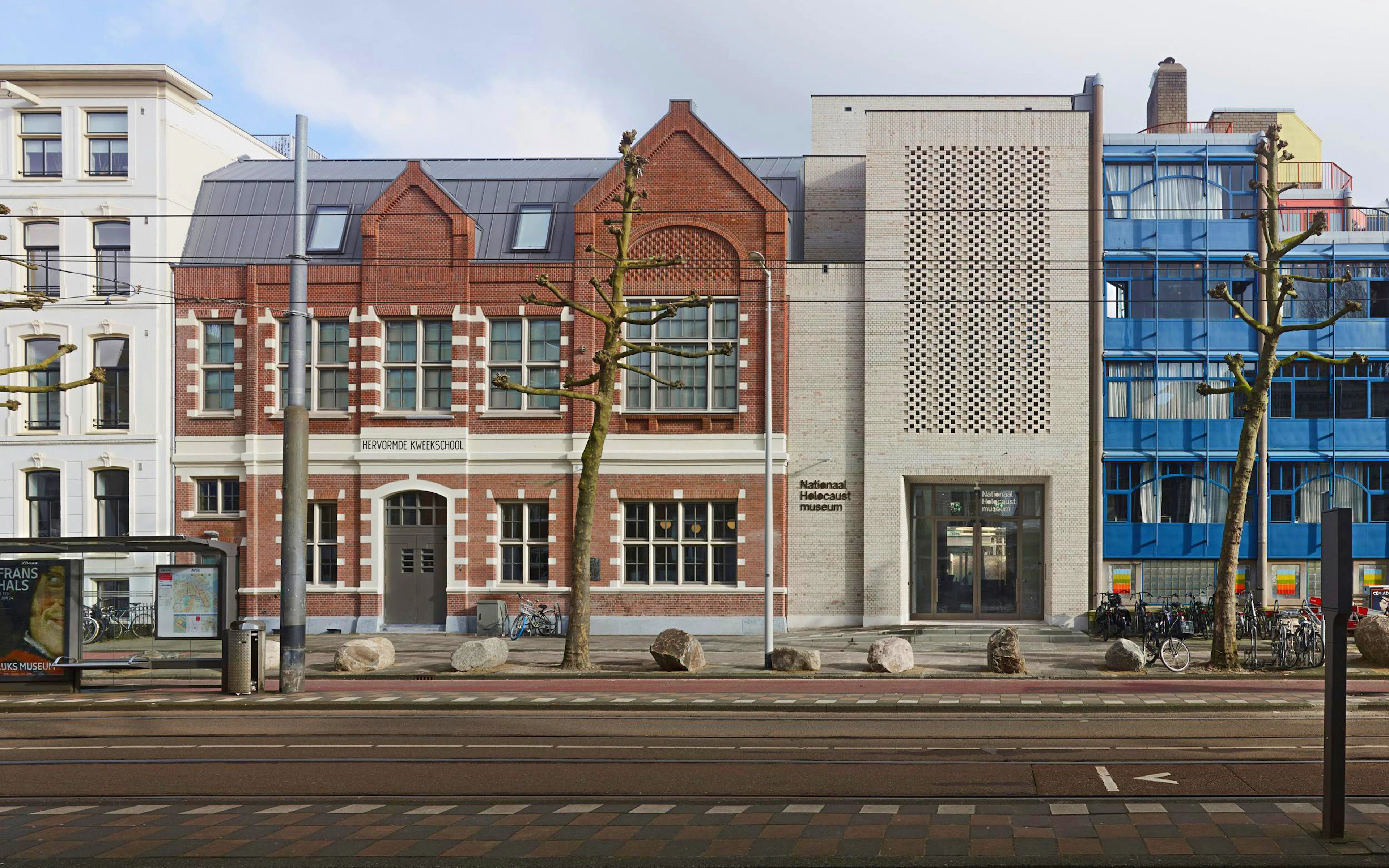
The core museum with the permanent exhibition The Netherlands and the Shoah, personal testimonies, and rotating special exhibitions.
Access: Included with general entry ticket.
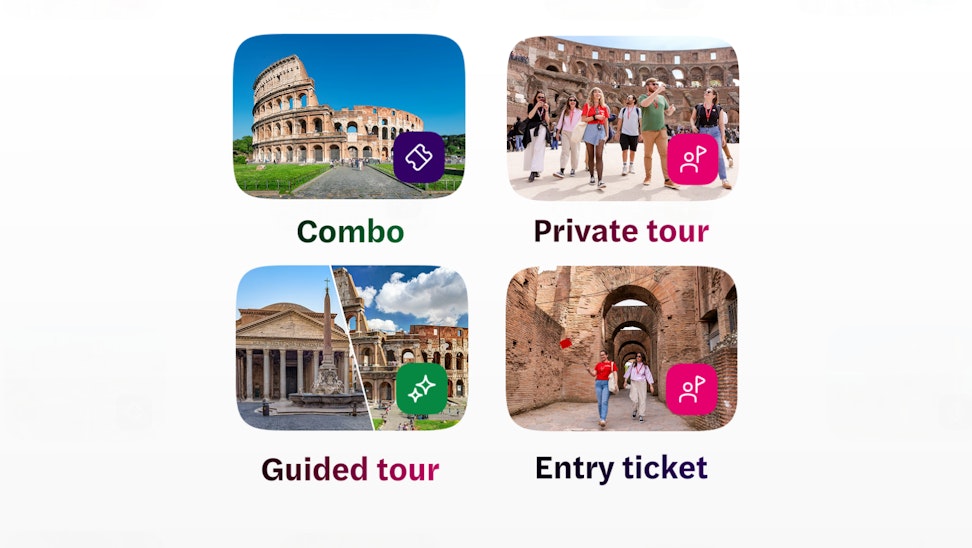
We research and organise all unique experiences - from tickets to tours to special combos - so you get all the choices without the clutter.
Every supplier is vetted for quality, reliability, and value so you only get top rated experiences. No surprises, no disappointments.
Each experience is thoughtfully organised to give you maximum availability, great value and an easy way to choose.
Free cancellations, Flexible payments, and 24/7 support - thoughtfully designed for flexibility, assurance, and total peace of mind.
Slide 1 of 41/4


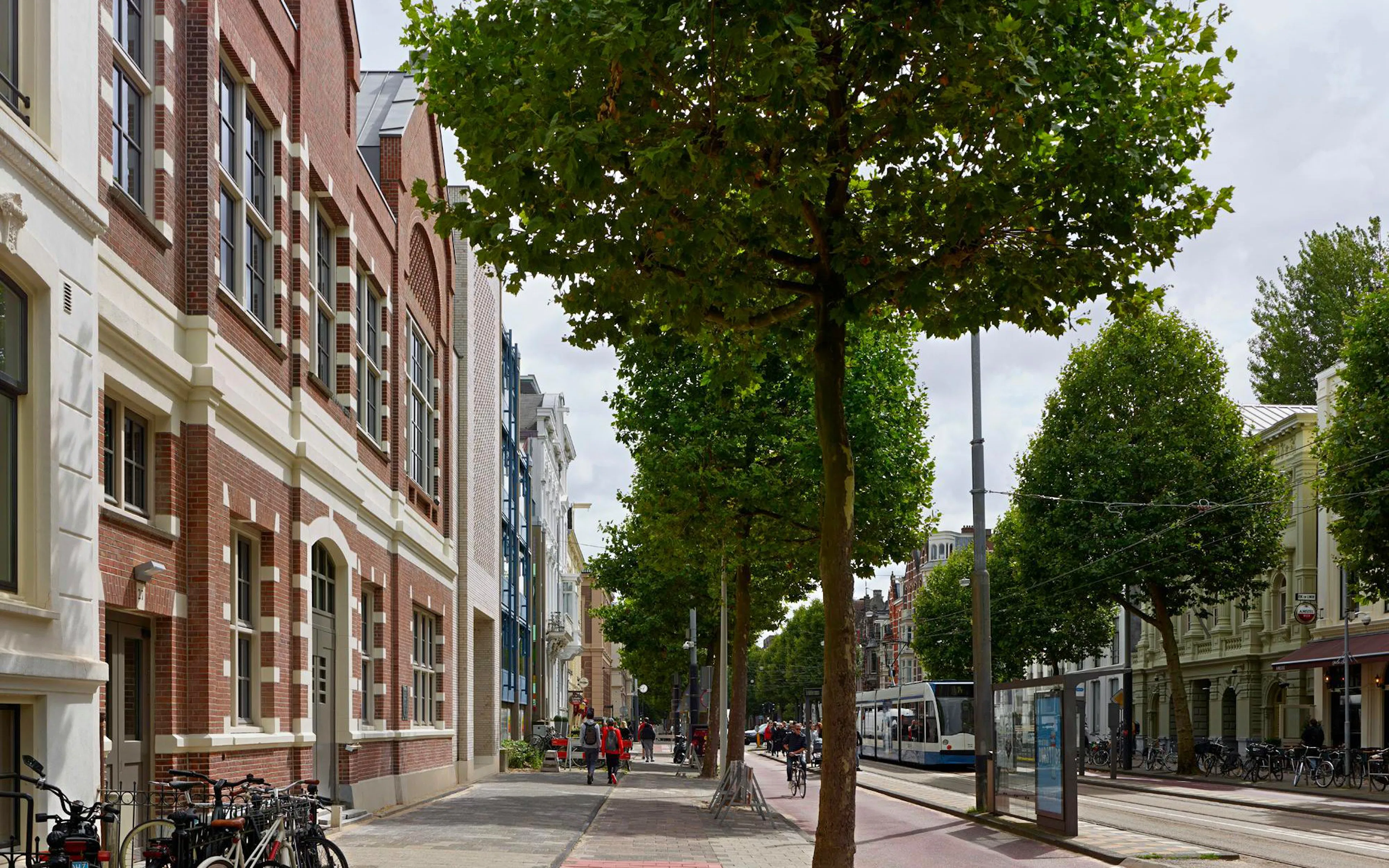
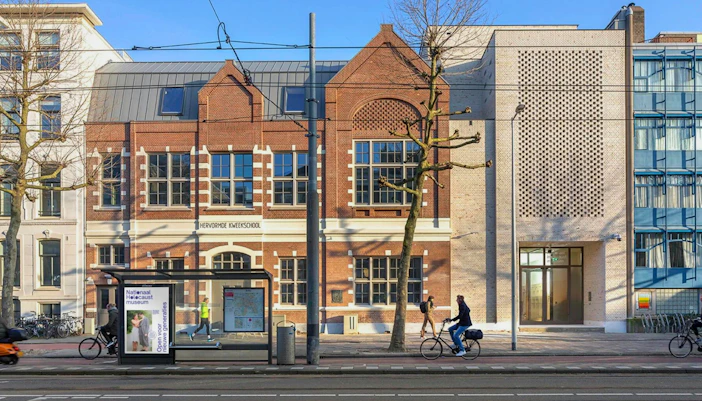
Enter the former Hervormde Kweekschool, now home to the Netherlands' first and only museum on the persecution of Jews across the whole country. Opened in 2024, it feels like a real historical site first, museum second.
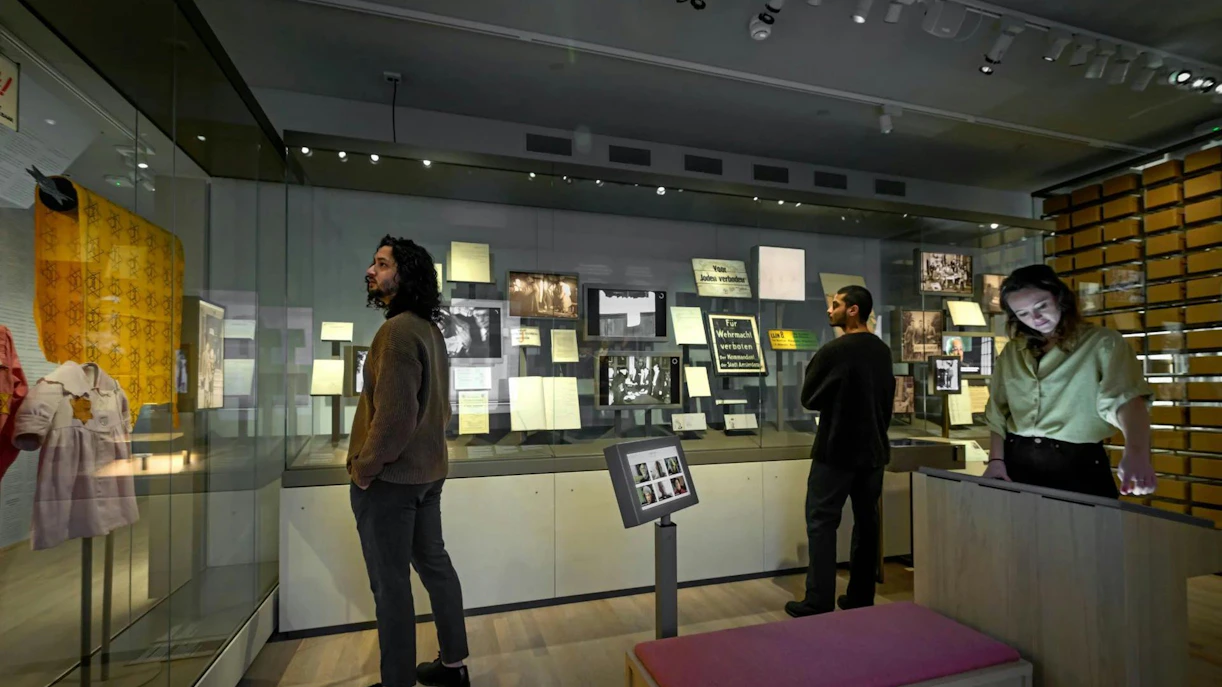
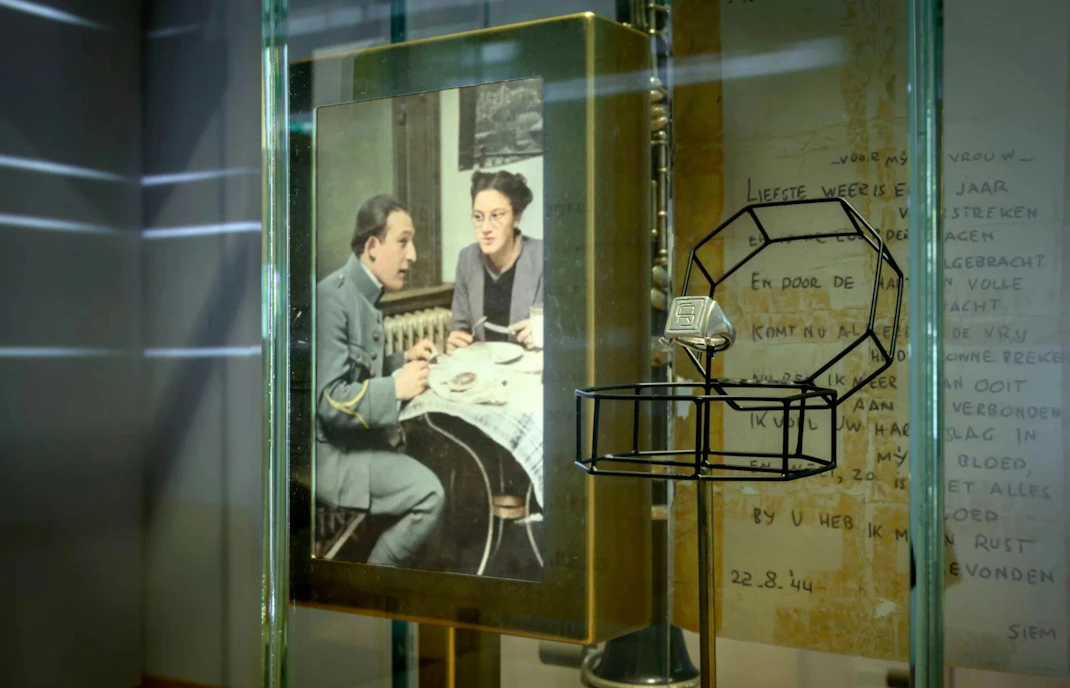
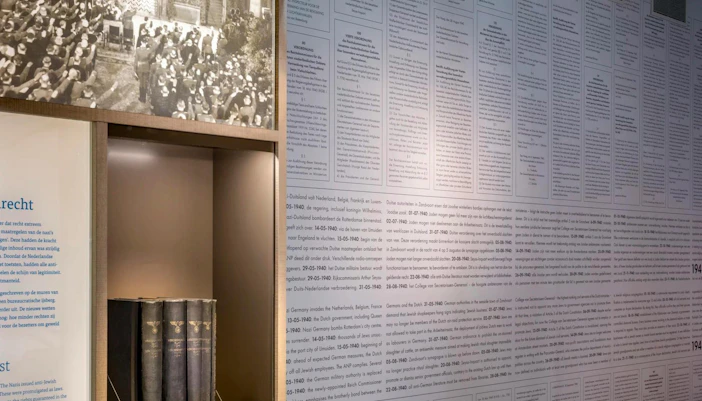
The permanent exhibition, The Netherlands and the Shoah, begins with Jewish life before the war, then moves into exclusion, deportation, and murder under occupation. You'll follow a national story, not a single-household narrative, with personal objects grounding the scale.
As you continue, the building itself becomes part of the story. The adjacent daycare, Henriëtte Pimentel's rescue work, and Johan van Hulst's network give these galleries unusual weight. Unlike a standard museum, history is explained in the place where it unfolded.
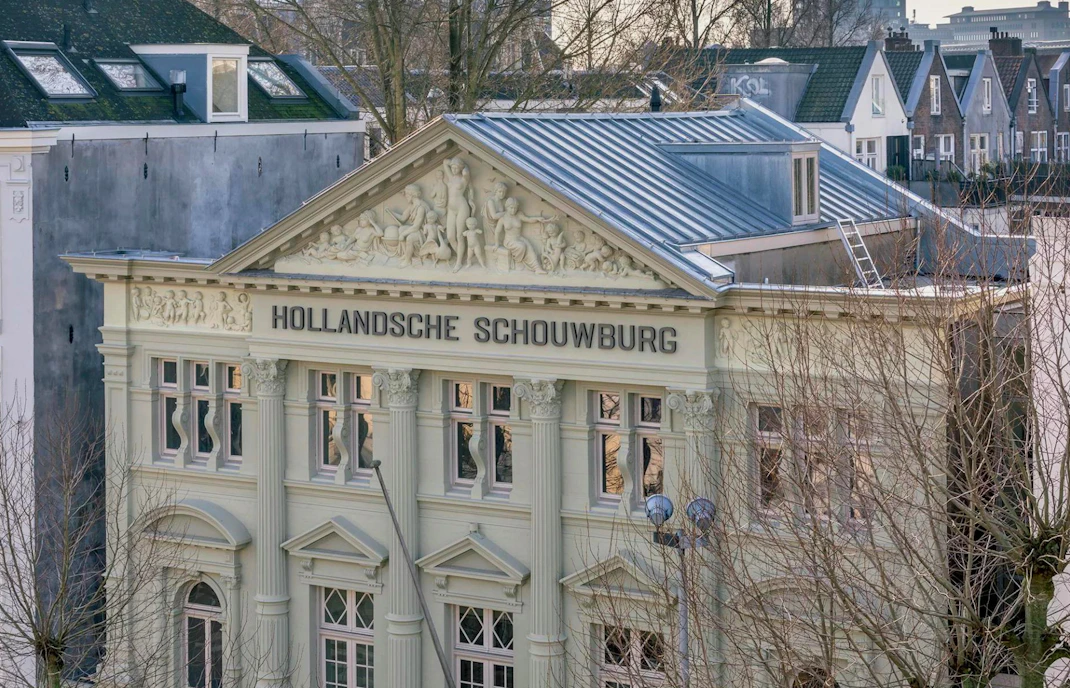
Then cross to Hollandsche Schouwburg (included), the former theater opposite the museum. After the exhibitions, this memorial site shifts the visit from interpretation to remembrance and makes the street-level geography feel immediate. It's the strongest way to let the history settle, with fuller context.
Most visits take about 2.5 hours, and the self-guided format lets you control the pace. Because the subject is emotionally dense, many visitors pause longer than planned, especially before leaving the museum and carrying the story back into the city.
If you want a wider frame, add the Jewish Museum or Portuguese Synagogue (separate ticket) in the Jewish Cultural Quarter. They extend the story beyond wartime persecution alone, placing the museum within longer Dutch Jewish life, faith, and memory.

The core museum with the permanent exhibition The Netherlands and the Shoah, personal testimonies, and rotating special exhibitions.
Access: Included with general entry ticket.
A former theatre used as a Nazi deportation assembly point; now a roofless memorial with an eternal flame and walls of names.
Access: Included with the same ticket (sold as “Museum and Memorial”).
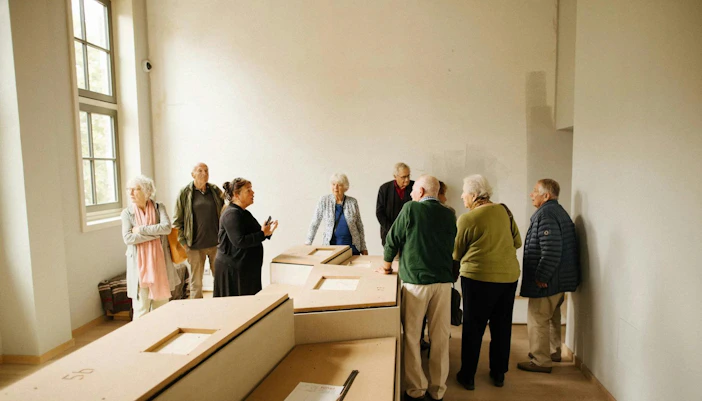
The museum is organised as a single, thematic circuit rather than separate wings. Visitors move through a sequence of rooms that trace Jewish life before the war, the occupation, persecution, deportation, and the aftermath. This layout is designed to keep focus on personal stories and the Dutch context of the Shoah.

The exhibition opens with everyday life in Dutch Jewish communities before 1940. Family photos, community objects, and short stories show schools, synagogues, and cultural life, setting a clear baseline before the rupture of war. This section is at the start of the main route in the Kweekschool building.

This part covers the German invasion and the step-by-step anti-Jewish measures: registration, exclusion from public life, the yellow star, and the role of the Jewish Council. Here, documents and testimonies show how rights were stripped away and daily life became increasingly restricted.

Here the museum explores how Dutch society reacted under occupation—both collaboration and acts of resistance. It highlights people who hid Jews, forged papers, or joined underground networks, alongside the moral dilemmas many faced.

The most intense part of the route focuses on roundups, the Westerbork transit camp, and deportations to extermination camps such as Auschwitz-Birkenau and Sobibor. Here, maps, transport lists, and personal accounts keep the focus on individual fates.

The final section deals with survivors’ return, the struggle to rebuild, and the long-term impact on Dutch society. It includes postwar testimonies, memorialisation efforts, and reflections on memory and education.
All galleries are included with the general entry ticket; no separate passes are needed for specific rooms. Temporary exhibitions, when running, occupy their own area within the same building.


Address: Plantage Middenlaan 27, 1018 DB Amsterdam, Netherlands | Find on maps
Nearby site: Hollandsche Schouwburg is directly across the street at Plantage Middenlaan 24
Getting there


Yes, booking ahead is the safer choice. On-site tickets cost €2 more, and if your visit uses a chosen date or timeslot, leaving it until the day can limit the entry options still available.
No. Prebooking mainly avoids buying at the desk and the €2 surcharge, but entry validation still applies. Book at least 2-3 weeks in advance.
Yes, standard entry covers the core National Holocaust Museum visit, including the main permanent exhibition inside the former Hervormde Kweekschool. You do not need a separate ticket to access the museum’s central historical narrative.
Yes. Hollandsche Schouwburg is closely paired with the museum visit. It is typically included with your museum ticket and has free entry, so it is not usually a separate paid upgrade.
Re-entry is not confirmed as a standard benefit. Unless your ticket description explicitly says otherwise, plan this as one continuous visit and take meals, breaks, or longer pauses before entering or after you leave.
Most visitors should allow about 2.5 hours for the museum itself. If you also want Hollandsche Schouwburg, or prefer to move slowly and listen to the audio guide, plan closer to a reflective half-day.
There is no verified museum-specific crowd curve. The safest lower-pressure choice is an earlier weekday slot, especially outside summer peaks, but the bigger win is simply giving yourself enough time for the full visit.
Yes, audio guides are available at reception in Dutch, English, German, and Hebrew. If you want live explanation instead, the official introductory group presentation is offered in Dutch and English.
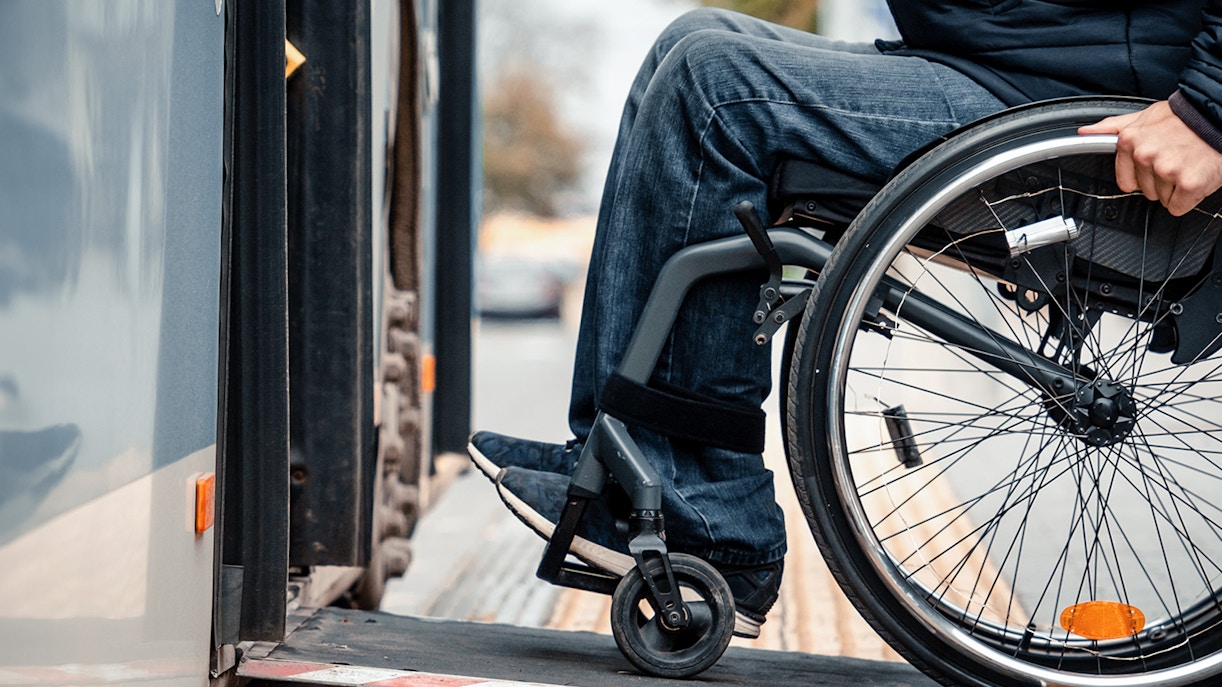
Yes, the museum is wheelchair accessible. Wheelchairs can be reserved, assistance dogs are allowed, and essential companions can receive a free desk-issued ticket.
This museum is best suited for guests from age 10+, as the subject can be heavy for younger children.

Step into Jewish history and explore stories of Dutch Jewish families and a historic rescue site at the National Holocaust Museum.
Get full refund if you cancel 24 hours before the experience start time.
Book now without paying anything. Cancel for free if your plans change.
Step into Jewish history and explore stories of Dutch Jewish families and a historic rescue site at the National Holocaust Museum.
Inclusions #
Access to the National Holocaust Museum and its exhibitions
Access to belongings and stories of Dutch Jewish families
Access to the historic building involved in the rescue of Jewish children
Access to the Hollandsche Schouwburg National Holocaust Memorial
Accessibility
Additional information