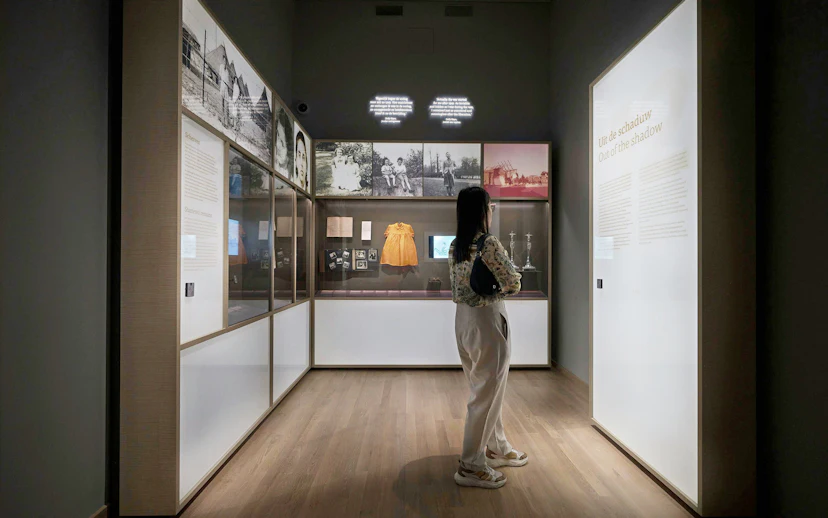
Visit National Holocaust Museum in Amsterdam
The National Holocaust Museum is Amsterdam's museum of Holocaust history and remembrance, best known for telling the persecution of Jews in the Netherlands through personal stories, objects, and the significance of the site itself. This is not a long or physically demanding visit, but it can be emotionally heavy, and many people need more pauses than they expect. The biggest difference between a rushed visit and a meaningful one is timing: give yourself a quiet slot and enough space afterward. This guide helps you plan arrival, pacing, and nearby stops.
Quick overview: The National Holocaust Museum Amsterdam at a glance
If you want the visit to feel thoughtful rather than rushed, make three decisions first: your entry time, how long you'll stay, and whether you want context from a guide or to move at your own pace.
- When to visit: Check the museum calendar for your date before booking; the first weekday slot is usually calmer than weekend late mornings, when more group and city-break visits overlap.
- Getting in: Timed entry is the safest plan here, because this is not the kind of museum you want to hurry through; reserve ahead if you want a specific hour or are visiting on a weekend or holiday.
- How long to allow: Allow 2–3 hours for most visits, and lean toward the full 3 hours if you read testimonies carefully or pair it with nearby Jewish heritage sites.
- What most people miss: The building itself matters, and the connection with Hollandsche Schouwburg across the street adds essential context that many visitors leave too little time for.
- Is a guide worth it? A guide helps most if you want deeper context on wartime Amsterdam, but a self-paced visit suits many people better because the galleries reward quiet, personal time.
Jump to what you need
🕒 Where and when to go
🗓️ How much time do you need?
🗺️ Getting around
♿ Facilities and accessibility
Where and when to go
How do you get to the National Holocaust Museum?
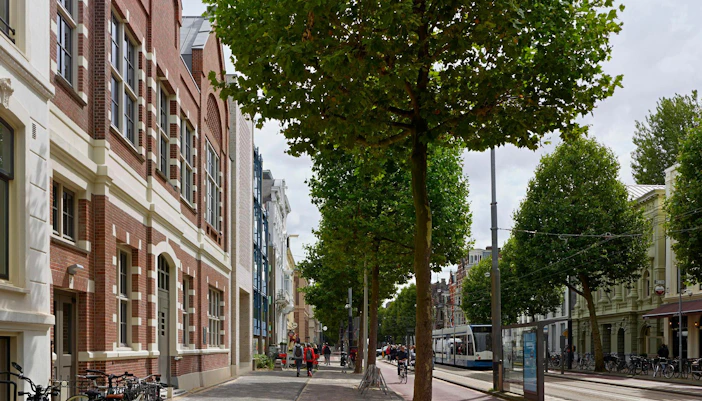
The museum is in Amsterdam's Plantage area, within the Jewish Cultural Quarter and easy to combine with other nearby heritage sites on foot.
Plantage Middenlaan 27, 1018 DB Amsterdam, Netherlands → Open in Google Maps
- Metro: Waterlooplein station → about 10-min walk → easiest if you're arriving from Amsterdam Centraal or the Canal Belt.
- Tram: Artis stop → short walk → useful if you're already moving through Plantage or the eastern center.
- Bike: Nearby public racks → practical in Amsterdam, but lock up before the museum frontage and allow a few extra minutes to settle.
- Taxi/rideshare: Drop-off on Plantage Middenlaan → best if you're visiting on a tight schedule or with limited mobility.
Which entrance should you use?
This is a straightforward arrival, but it still helps to show up a little early so you can start in the right frame of mind. What usually catches people out is stacking this visit too tightly between other museums.
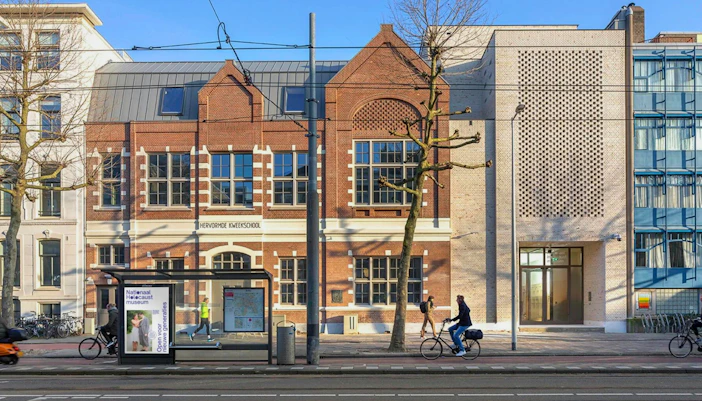
- Main entrance: Located on Plantage Middenlaan. Best for all ticket holders. Expect the longest waits around late-morning and early-afternoon slots.
When is National Holocaust Museum open?
- Daily: 10am–5pm
- Holiday schedule: Check the published calendar before you book, as museum hours can shift on public holidays.
- Last entry: 4pm
When is it busiest? Weekend late mornings and early afternoons tend to feel fuller, especially when school groups, guided visits, and short-stay travelers overlap.
When should you actually go? The first weekday slot usually gives you the quietest galleries and the best chance to read testimonies without feeling carried along by the crowd.
How much time do you need?
| Visit type | Route | Duration | Walking distance | What you get |
|---|---|---|---|---|
Highlights only | National Holocaust Museum main exhibition galleries → Exit | 1.5–2 hrs | ~0.5 km | Focuses strictly on core indoor permanent displays documenting the persecution of Dutch Jews. Skips external memorial spaces. |
Balanced visit | National Holocaust Museum → Hollandsche Schouwburg Memorial across the street | 2.5–3 hrs | ~1 km | Combines authentic artifact exhibits with the reflective outdoor courtyard and former assembly site; recommended for most visitors. |
Full exploration | National Holocaust Museum → Hollandsche Schouwburg → Jewish Museum & Portuguese Synagogue | 4–5 hrs | ~2.5 km | Complete coverage of the entire Jewish Cultural Quarter, adding centuries of Jewish Dutch history and culture. High emotional and physical engagement. |
How do you get around National Holocaust Museum?

The museum is compact rather than sprawling, and the challenge is emotional pacing more than navigation. You can self-navigate easily, but many visitors move too quickly through the opening galleries and then run out of attention later.
- Arrival and orientation spaces: Historical setup and site context → give this opening section 15–20 mins so the rest of the visit has a clear framework.
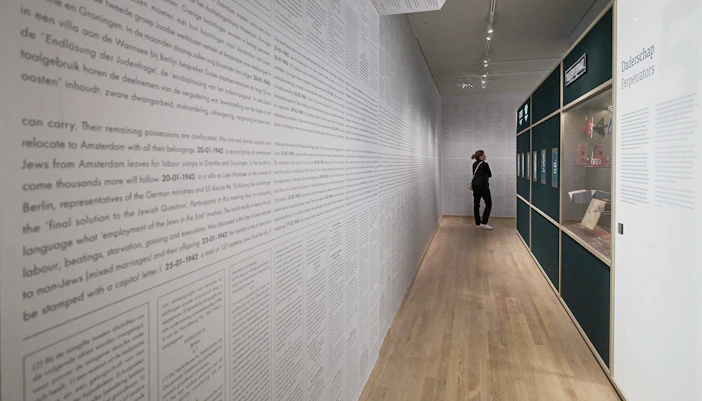
- Main exhibition galleries: Personal stories, persecution, exclusion, and deportation in the Netherlands → budget 60–90 mins because this is where most of the reading and reflection happens.
- Later galleries and reflection-focused sections: Memory, aftermath, and broader meaning → allow 20–30 mins and do not treat the end of the route as a quick pass-through.
Suggested route: Start with the full context before focusing on individual testimonies, then finish without rushing the last rooms; many visitors slow down too late and skim the sections that connect the museum to the wider Amsterdam story.

Maps and navigation tools
- Map: Pick up the museum or Jewish Cultural Quarter map before you begin if you want to pair nearby sites in one walking route.
- Signage: Indoor wayfinding is usually clear, but it does not replace the introductory panels that explain why one section leads into the next.
- Audio guide/app: If available on your visit date, it adds the most value in the context-heavy galleries; self-guided works well if you prefer a quieter pace.
💡 Pro tip: Plan the museum and Hollandsche Schouwburg together before you enter, because the short walk between them carries historical meaning that is easier to understand when the geography is fresh in your mind.
What should you prioritise at the National Holocaust Museum Amsterdam?
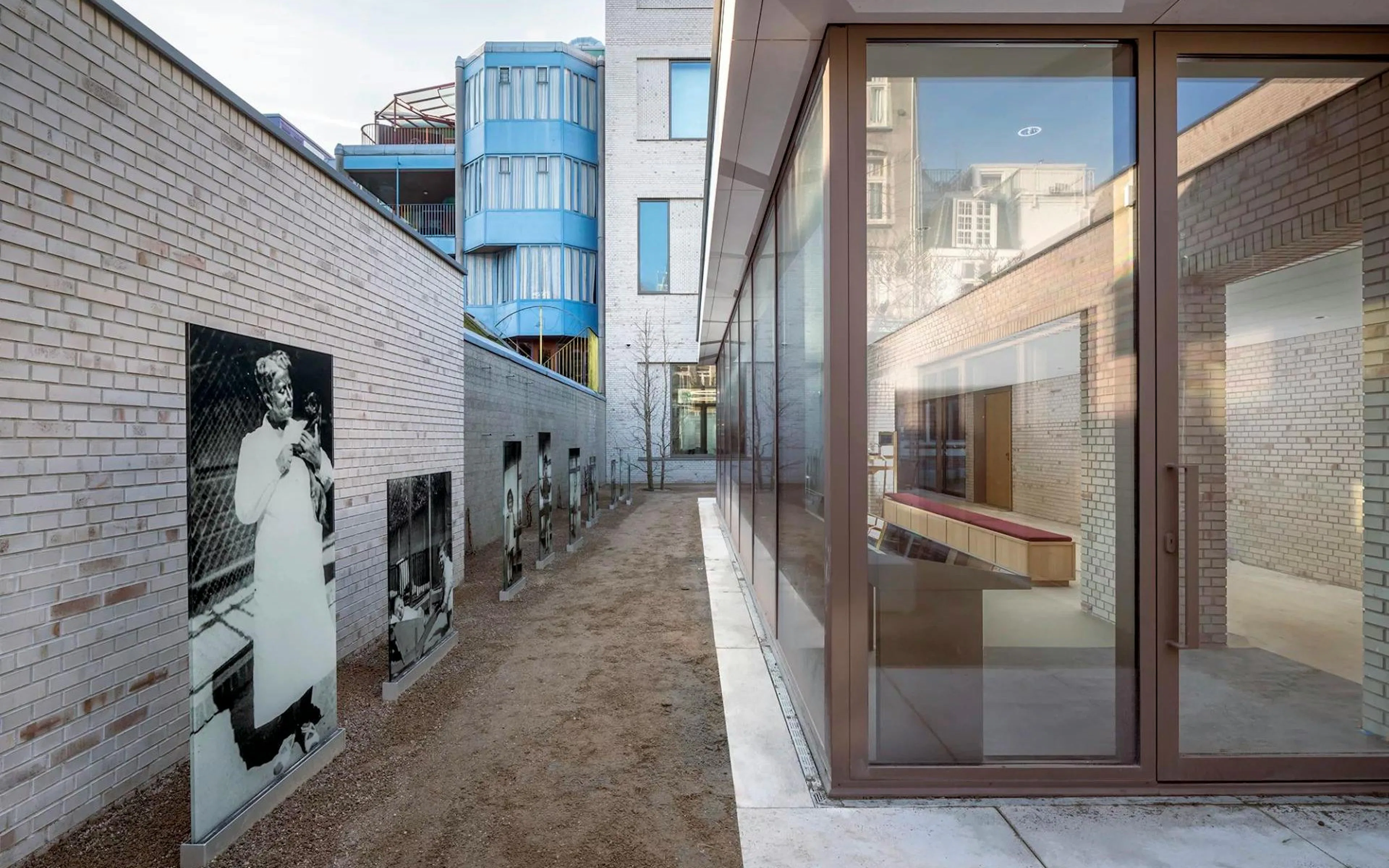
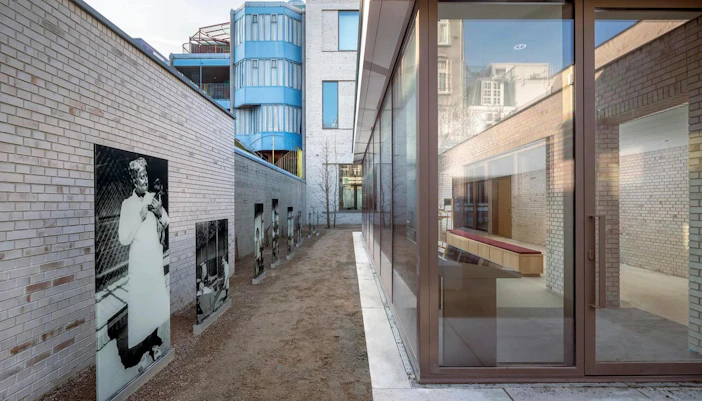
The building itself
Era: Wartime site and memorial architecture
The museum experience starts before you read the first panel, because the building is part of the story rather than just a container for it. Slow down outside and at the start of the route to understand what happened here in wartime Amsterdam. What many visitors miss is how much the physical location changes the emotional weight of the exhibition once you notice its relationship to nearby sites.
Where to find it: At the entrance and in the opening orientation spaces before the main galleries
Personal testimonies and objects
Attribute: Primary-source collection
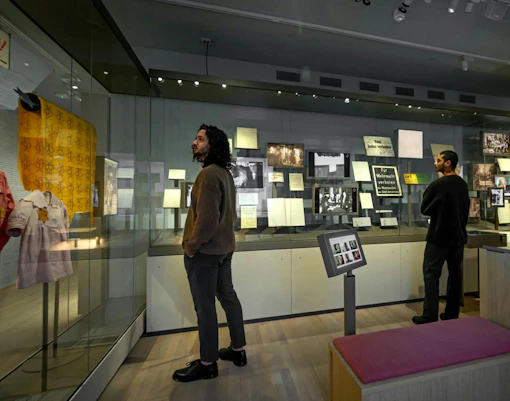
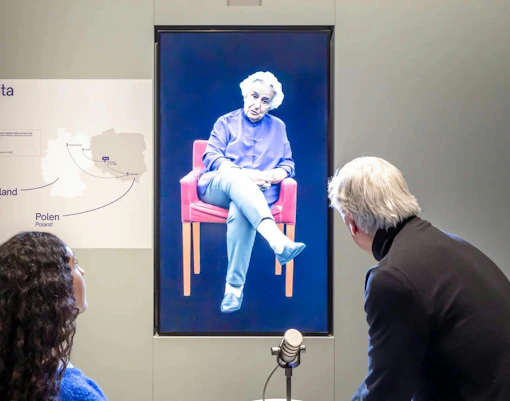
These galleries turn an overwhelming history into individual lives, which is why they are often the most affecting part of the visit. Letters, photographs, everyday belongings, and recorded voices do more than the headline dates ever can. Many visitors rush the cases looking for only the largest installations, but the smaller personal objects are often what stay with you longest.
Where to find it: In the core permanent exhibition galleries after the introductory historical sections
The children's stories
Attribute: Biographical focus
This part of the museum gives younger victims and families a presence that can be easy to underestimate if you move too quickly. It is especially important if you are visiting with teens, because it often becomes the section that makes the history feel real rather than abstract. What people miss here is the cumulative effect of many short stories read slowly, not one single dramatic display.
Where to find it: In the mid-visit galleries where the permanent route narrows from broad history into individual experience
The connection to Hollandsche Schouwburg
Attribute: Site relationship
One of the most important parts of the visit is understanding that the museum does not stand alone. The short distance to Hollandsche Schouwburg is not just a nearby add-on; it is part of the geography of persecution and memory in this part of Amsterdam. Many visitors leave it for later or skip it entirely, which weakens the story the museum is trying to build.
Where to find it: In the interpretive sections that connect the museum to the surrounding Jewish Cultural Quarter, then across the street at Hollandsche Schouwburg
Postwar memory and reflection
Attribute: Historical aftermath
The final sections matter because they shift the visit from what happened to how it was remembered, recorded, and carried forward. If you are emotionally tired by the end, it is tempting to move faster here, but this is where the museum broadens from wartime chronology to remembrance. Many people remember the central galleries most vividly and overlook how important the closing spaces are for perspective.
Where to find it: Toward the end of the permanent route, after the main wartime galleries
Facilities and accessibility
- 🎒 Cloakroom/lockers: Travel with a small bag if you can, because that makes arrival and gallery movement easier at a reflective museum like this one.
- 🚻 Restrooms: Use the restrooms before you settle into the main exhibition so you do not need to break the visit during the heaviest sections.
- 🪑 Seating/rest areas: Take short pauses when you need them, because emotional fatigue usually arrives before physical fatigue here.
- 🍽️ Café/nearby food: Plan your main meal before or after the museum rather than expecting a long, casual food break during the visit.
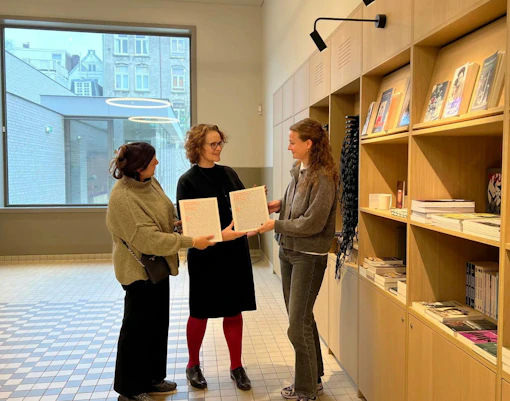
- 🛍️ Gift shop/merchandise: This stop is better for books and context-focused materials than souvenir-style shopping.
- 📶 Wi-Fi: Download anything essential before arrival so you are not relying on your phone mid-visit.
- ♿ Mobility: The visit is far easier than navigating a large historic site, but if you need full step-free certainty for every section, contact the museum before you book.
- 👁️ Visual impairments: Ask at arrival about the most accessible way to experience testimony-heavy galleries, since much of the visit relies on text, photographs, and media.
- 🧠 Cognitive and sensory needs: The quietest visit is usually the first weekday slot, while later entry windows can feel denser both socially and emotionally.
- 👨👩👧 Families and strollers: Older children and teens usually engage more deeply than very young children, and a slower pace with breaks works better than pushing through in one pass.
The museum is best suited to older children and teens who can engage with difficult history in a thoughtful way and ask questions as they go.
- 🕐 Time: With children or teens, 2 hours is realistic if you focus on key galleries and leave space for conversation rather than trying to read everything.
- 🏠 Facilities: Build in pause points wherever seating is available, because younger visitors often need short resets more than extra exhibit time.
- 💡 Engagement: Start with one or two personal stories instead of broad chronology, because individual lives are often easier for children to understand than large historical numbers.
- 🎒 Logistics: Bring water for after the visit, arrive early in the day, and do not stack this museum right after another heavy historical site.
- 📍 After your visit: A quieter walk through the Jewish Cultural Quarter works better than a fast jump into noisy sightseeing if children need time to process.
Rules and restrictions

What you need to know before you go
- Entry requirement: Timed entry is the safest option if you want a calm arrival and enough choice over when you begin.
- Bag policy: Bring only what you need, because smaller bags make security, storage, and movement through the galleries easier.
- Re-entry policy: Plan to do the visit in one continuous stretch, so handle restroom stops and nearby food before you begin rather than mid-route.
Not allowed
- 🚫 Food and drink: Keep food and open drinks for before or after the museum so the galleries stay quiet and respectful.
- 🚬 Smoking/vaping: Smoke or vape only outside the museum grounds and away from other visitors entering or leaving.
- 🐾 Pets: Leave pets out of the plan unless they are service animals accompanying a visitor who needs them.
- 🖐️ Touching exhibits: Do not touch cases, objects, or installations, because many displays center on fragile original material.

Photography
Photography needs a respectful approach here. Personal photos may be acceptable in some areas, but always follow gallery signage and staff instructions, especially in temporary exhibitions or spaces built for reflection. Flash, tripods, selfie sticks, and posed filming are best assumed off-limits unless a staff member says otherwise.
Good to know
- Phone use: Keep your phone on silent and step aside for calls, because even quiet ringing feels disruptive in these galleries.
- Pacing: If you feel emotionally overloaded, pause rather than pushing through, because this museum is better experienced steadily than quickly.
Practical tips
- Booking and arrival: Book a timed slot in advance if your date matters, and aim to arrive 10–15 min early so you can settle before entering rather than rushing straight from the street.
- Pacing: Save mental energy for the middle and final galleries, because many visitors spend too much focus on the opening context and then skim the most affecting testimony sections.
- Crowd management: Choose the first weekday slot if you can, because quieter galleries make it easier to read, listen, and reflect without feeling carried along by other visitors.
- What to bring or leave behind: Bring only a small day bag, tissues, and anything you need for comfort; this is not a museum where extra gear improves the visit.
- Food and drink: Eat beforehand or plan a late lunch after, because a full 2–3 hour visit lands better when you are not deciding halfway through whether to leave for a break.
- Visiting with teens: Begin with one personal story and let questions come naturally, because that usually opens the conversation better than starting with the widest historical overview.
- Day planning: Do not sandwich this museum between loud or high-energy activities if you want it to land properly; pair it with another reflective site or a quiet walk instead.
What else is worth visiting nearby?
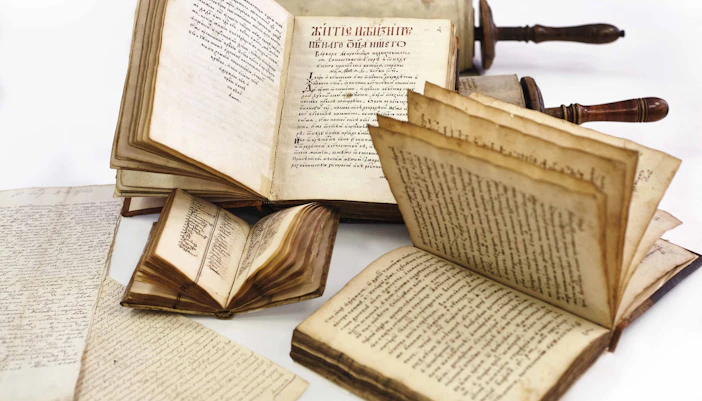
Commonly paired: Jewish Museum
Distance: About 400 m — 5 min walk
Why people combine them: The pairing makes sense because the Holocaust Museum explains persecution and loss, while the Jewish Museum helps you understand the community and cultural life that existed before and beyond wartime.
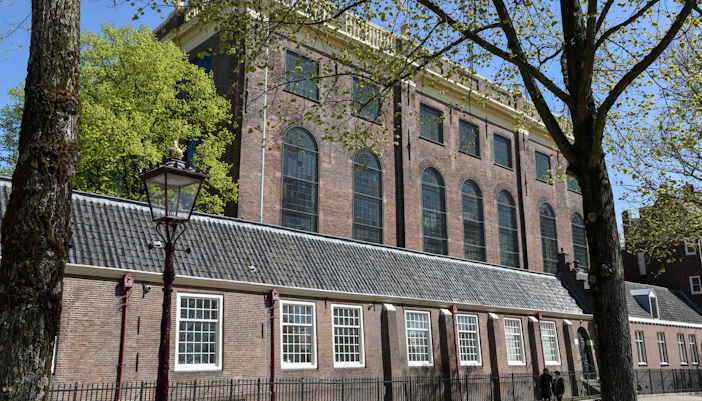
Commonly paired: Portuguese Synagogue
Distance: About 550 m — 7 min walk
Why people combine them: It is a natural same-area pairing, and the contrast between a living religious-historical landmark and the museum's memorial focus gives the day more depth.
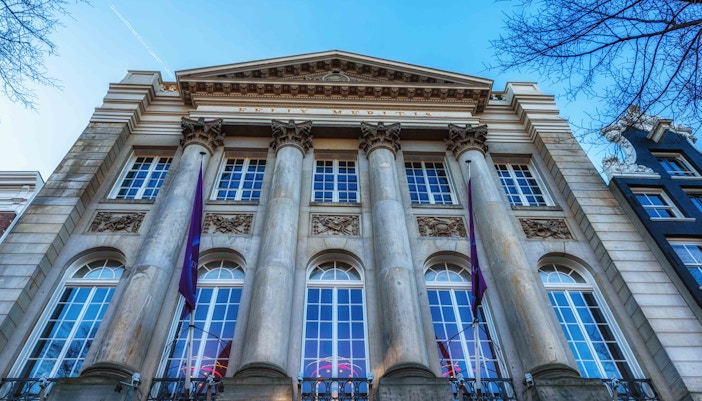
Also nearby
Hollandsche Schouwburg
Distance: Across the street — 1–2 min walk
Worth knowing: This is the easiest and most important add-on if you want the museum visit to feel geographically grounded rather than isolated.
National Holocaust Names Monument
Distance: About 850 m — 10–12 min walk
Worth knowing: It adds a powerful memorial dimension after the galleries and works especially well if you want quiet reflection before moving on to the rest of your day.
Eat, shop and stay near National Holocaust Museum
- De Plantage (6-min walk, Plantage Kerklaan 36): Stylish all-day dining near Artis, and a good post-visit choice if you want somewhere calm enough to decompress.
- Café Eik en Linde (3-min walk, Plantage Middenlaan 22A): A straightforward nearby café-brasserie that works well if you want coffee or a light meal without a long detour.
- Box Sociaal Plantage (5-min walk, Plantage Kerklaan area): Casual comfort food and coffee, better for a relaxed late breakfast or early lunch than a formal meal.
💡 Pro tip: Eat before a late-morning slot or after an early slot, because stopping halfway through this museum usually breaks the emotional arc of the visit.
- Jewish Museum shop: Strongest nearby for books, children's titles, and context-rich gifts tied to Jewish history in Amsterdam.
- Portuguese Synagogue/Jewish Cultural Quarter shop: Better for thoughtful books and heritage-focused items than for generic city souvenirs.
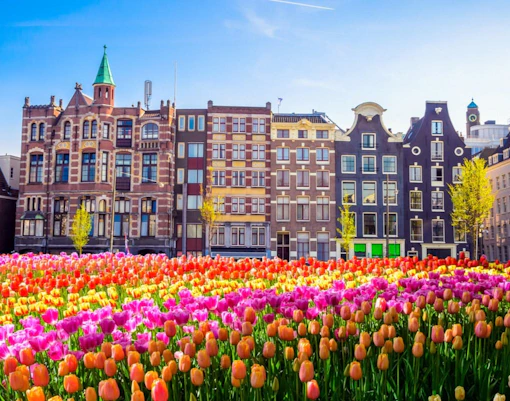
The Plantage area works well if you want a quieter base and plan to focus on museums, memorial sites, and eastern-central Amsterdam. It is calmer than the busiest canal-core areas and easy to cover on foot, but it is not the most atmospheric choice if your trip is centered on nightlife or late evenings.
- Price point: Generally mid-range to upper-mid-range, with better value if you book ahead rather than looking for last-minute central stays.
- Best for: Short trips where you want easy walking access to the Jewish Cultural Quarter, Artis, and a calmer side of central Amsterdam.
- Consider instead: Stay in the Canal Belt for prettier surroundings and more dining density, or near De Pijp if you want a livelier neighborhood feel with easier evening options.
Frequently asked questions about visiting National Holocaust Museum
Most visits take 2–3 hours. If you read the testimonies carefully, pause often, or combine the museum with Hollandsche Schouwburg on the same outing, you will likely use the full 3 hours. A faster 90-minute visit is possible, but it usually feels too compressed for the subject matter.
Yes, booking ahead is the safer plan if you want a specific entry time. This is the kind of museum that lands better when you can choose a quieter slot rather than arriving only when it fits the rest of your sightseeing. Advance booking matters even more on weekends, holidays, and school-break dates.
Timed entry matters more than speed here. The museum is not usually visited for high-volume queue-skipping in the way major blockbuster attractions are, so the real value is getting the time slot you want and avoiding a rushed start rather than shaving off a long physical line.
Arrive about 10–15 minutes early. That gives you enough time to find the entrance, put your phone away, and begin in a calmer frame of mind. Showing up exactly at your slot can make the visit feel rushed from the first minute.
Yes, but a small bag is the better choice. Large backpacks can be awkward in gallery spaces and may slow you down if storage or security checks are in play. Bring only what you need for a 2–3 hour visit.
Usually, personal photography needs to be handled carefully and according to gallery signage. Even where photos are allowed, flash, tripods, selfie sticks, and posed filming are not appropriate for this kind of museum environment. If a room or temporary exhibition is restricted, follow the posted rule.
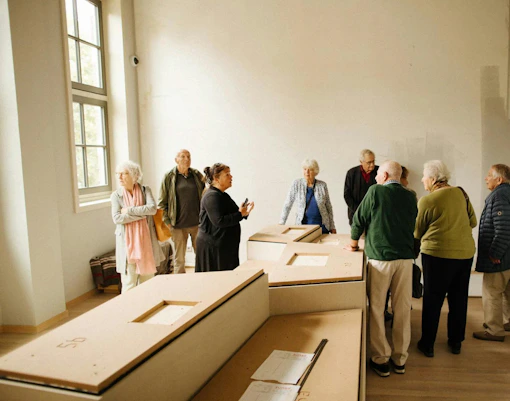
Yes, but smaller, quieter groups work best. This is not a museum that suits a loud or fast-moving social pace, and larger groups should leave extra time for arrival, discussion, and breaks. If context matters to your group, a guided format is usually more helpful than trying to self-organize on the spot.
Yes, but it is better suited to older children and teens than to very young kids. The subject matter is emotionally heavy, so the best visits usually focus on a few personal stories and leave time for questions. Families do better here when they slow down rather than trying to cover everything.
The visit is generally much easier to manage than a large historic site, but you should confirm your exact access needs before booking. That matters most if you require full step-free movement through every gallery or want to know about seating, elevators, or route adjustments in advance.
Yes, the area around the museum has several good café and restaurant options within a short walk. It is usually better to eat before or after rather than planning a break during the visit, because leaving the emotional rhythm of the galleries halfway through can be jarring.
Yes, if you want stronger historical grounding in wartime Amsterdam and the meaning of the site. A guide is most useful for visitors who do not already know the Dutch wartime context or who are combining several Jewish heritage sites in one day. If you prefer quiet reflection, self-guided can be the better fit.
Yes, and this is one of the best ways to structure the day. The easiest pairings are Hollandsche Schouwburg, the Jewish Museum, and the Portuguese Synagogue, all within walking distance. If you want the day to feel thoughtful rather than rushed, limit yourself to two major sites plus a memorial stop.