Everything You Need to Know About the Rijksmuseum, A Must-Visit Destination for Art Lovers

What is the Rijksmuseum?

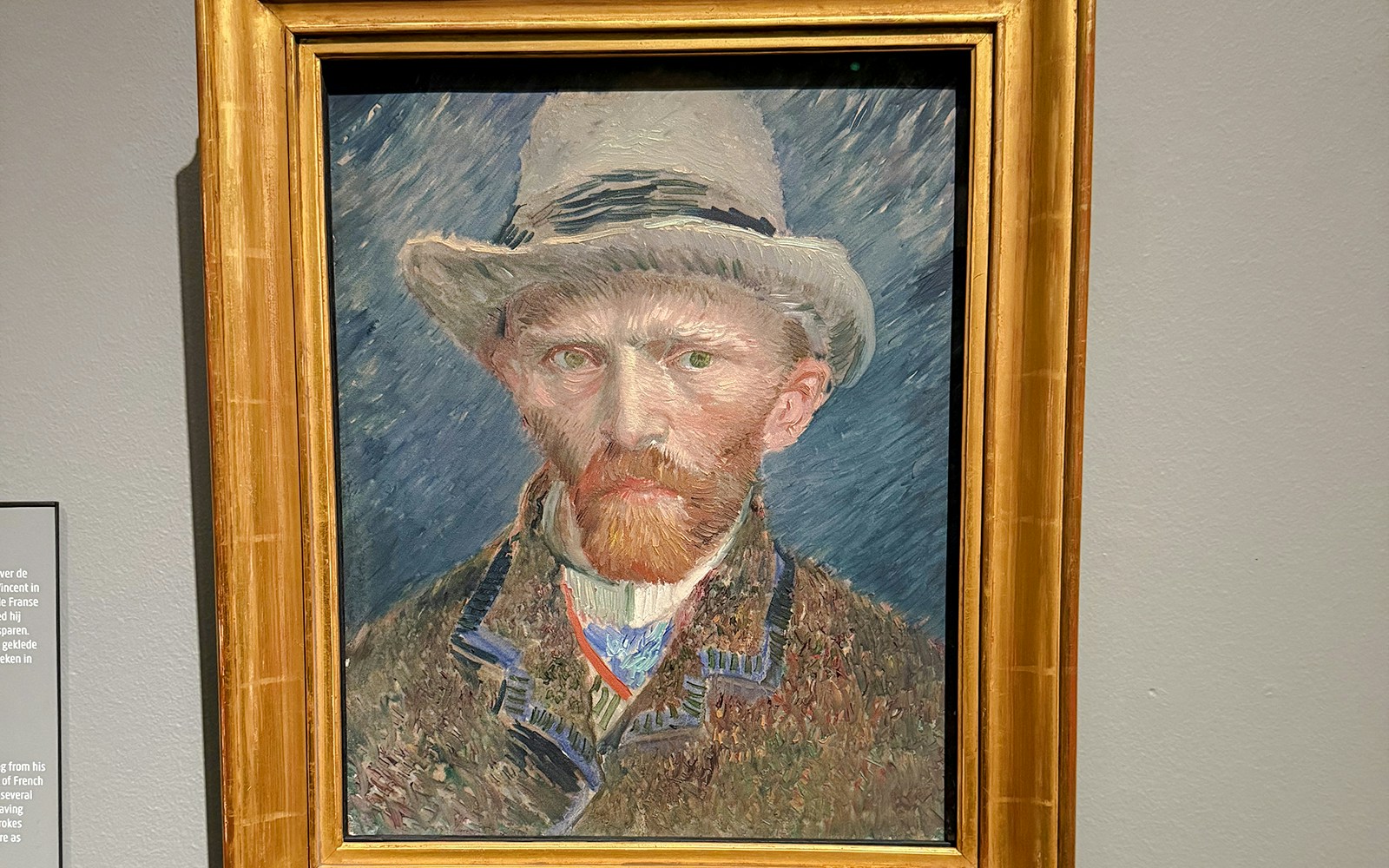
The Rijksmuseum is the largest art museum in the Netherlands. It showcases objects spanning over 800 years of Dutch art and history. The museum is over 200 years old and currently displays over 8000 objects, with some of them dating back to the early 13th century. The museum also displays masterpieces by renowned artists such as Frans Hals, Johannes Vermeer, Van Gogh, and Rembrandt. There is also an Asian pavilion at the museum, which features art from Indonesia, India, Japan, Vietnam, and Thailand, dating back to 2000 BC.

Why Should You Visit the Rijksmuseum?

  • Vast collection of Dutch art: The Rijksmuseum has several galleries dedicated to some of the most eminent artists in history, including Rembrandt, Van Gogh, Jan Steen, Johannes Vermeer, and De Hooch spread across 4 floors. 
  • Interesting artifacts: The Asian Pavilion is a must-see at the Rijksmuseum, featuring some incredible artworks such as the Two Temple Gardens statues, the bronze statue of Shiva Nataraja, the statue of Guanyin, and many more.
  • Historical significance: The museum features the Cuypers Library, the largest and oldest library in the Netherlands. Its artworks are an important representation of Dutch art and culture. 
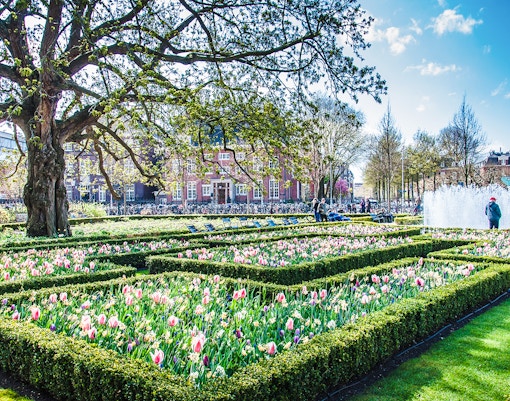
  • Beautiful gardens: The Rijksmuseum gardens are studded with numerous sculptures and host annual sculpture exhibitions. You can walk in the gardens for free and enjoy the well-maintained hedges, rose gardens, and fountains.  
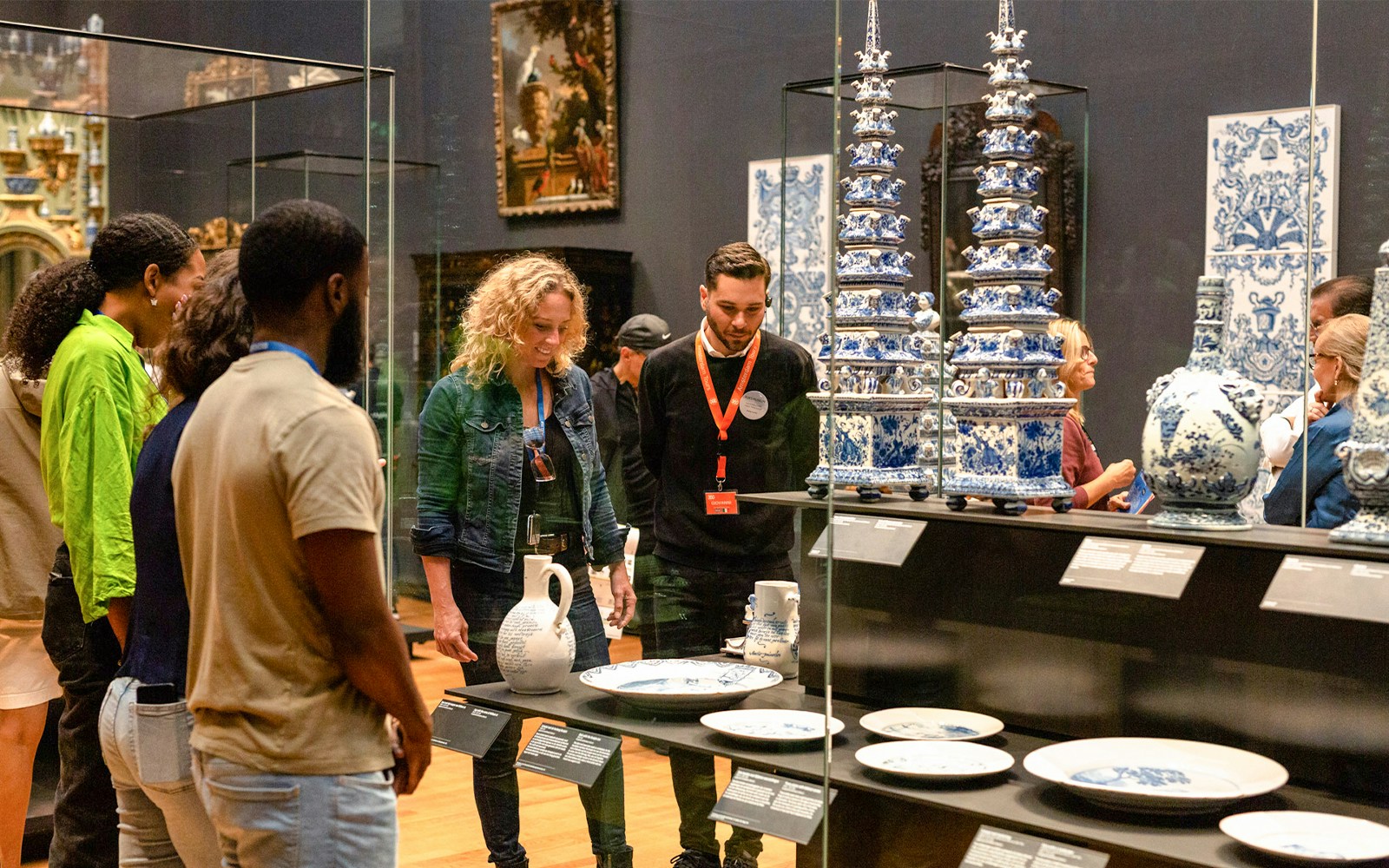
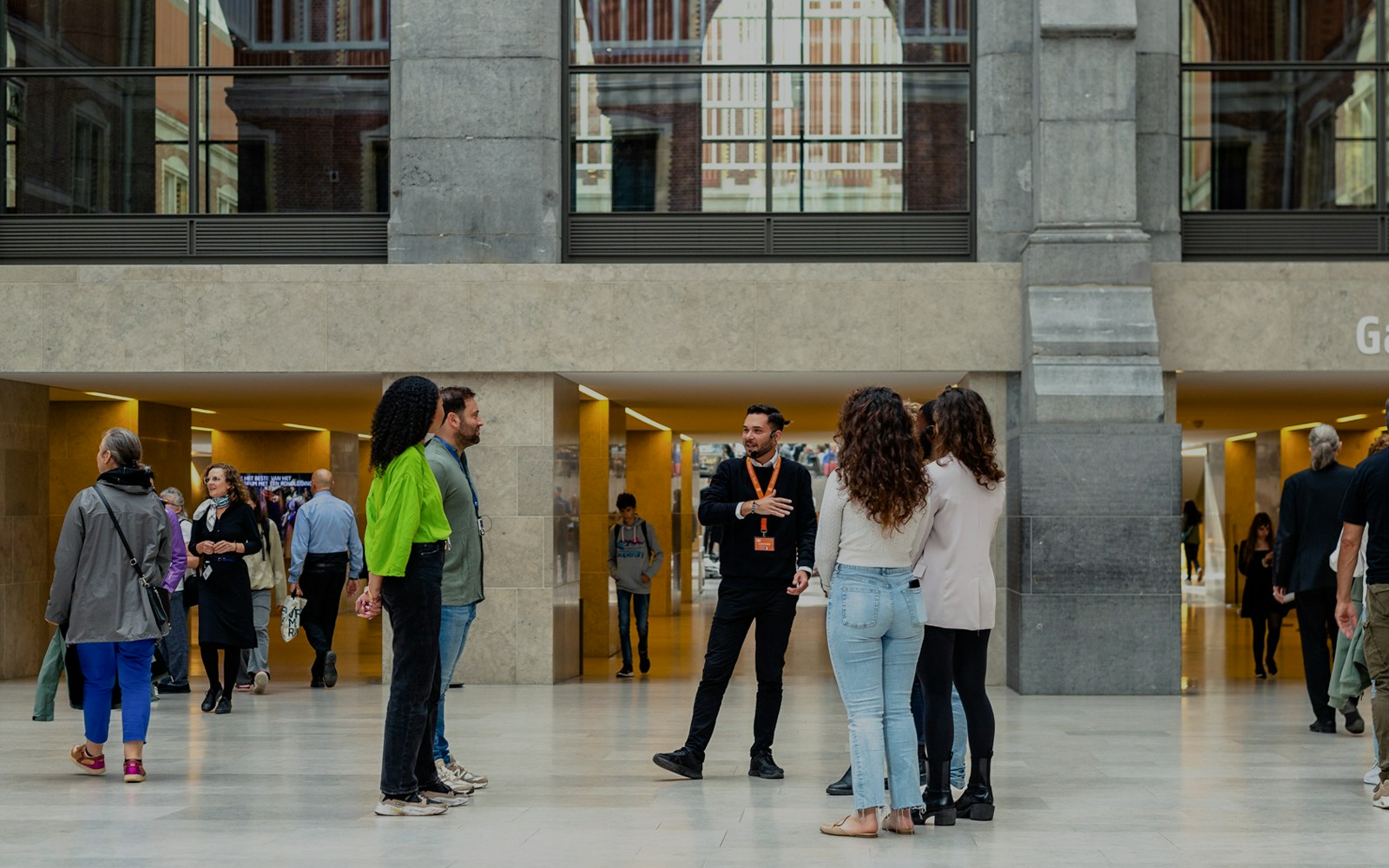
  • Educational opportunities: Rijksmuseum also hosts several workshops, programs, guided tours, and lectures to acquaint visitors with the glorious history of Dutch art including interactive exhibits, where children can engage with history. 

Rijksmuseum Paintings Collection

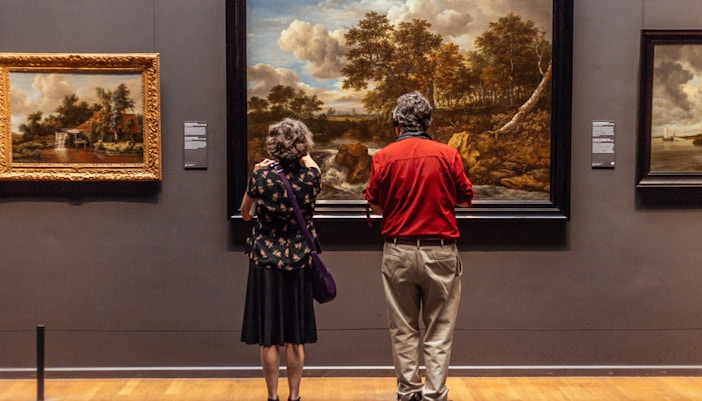
The Rijksmuseum houses an extensive collection of Dutch art from the Middle Ages to the 20th century. Visitors can see works by famous Dutch masters such as Rembrandt, Vermeer, and Van Gogh. The artworks are spread across multiple galleries at the Rijksmuseum.

The Milkmaid

Renowned throughout history, this oil-on-canvas by Johannes Vermeer features a domestic kitchen maid who is making dairy products. Featuring intensely saturated blue and yellow tones, the painting shows the artist’s beautiful handling of natural light.

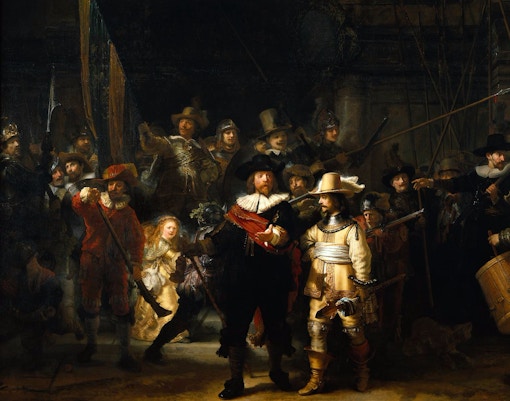
The Night Watch

One of the most famous paintings from the Dutch Golden Age, The Night Watch by Rembrandt is highly regarded due to its massive size, the depiction of the perception of motion, and the dramatic use of shadows and light.

The Jewish Bride

In this painting, Rembrandt depicts a man bestowing a necklace upon a woman. The painting was named in the 19th century, when an art collector identified the subject as a father bestowing a necklace upon his daughter at her wedding.

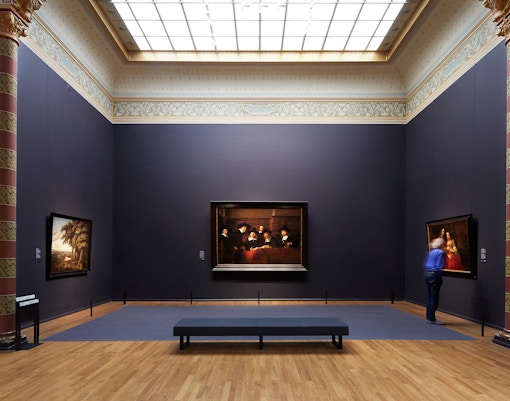
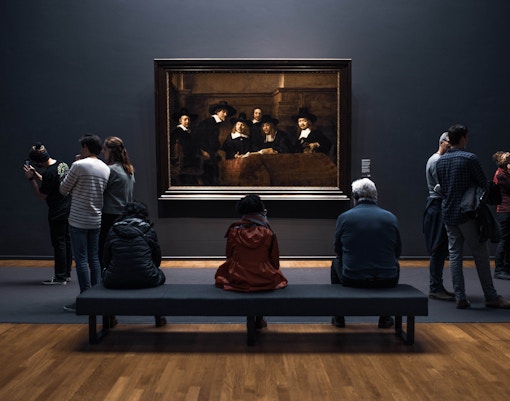
Syndics of the Drapers’ Guild

The last great collective portrait by Rembrandt features six men elected to assess the quality of cloth sold by weavers to the drapers’ guild. The men are seen appraising a Persian-style cloth while referring to a swatch book.

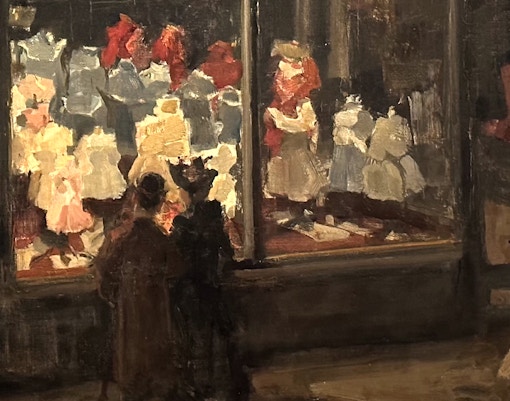
Shop Window

This 1894 Impressionistic painting by Issac Israels reveals the fascination for modern life, captured by the couple looking into the brightly lit shop.

Young Woman with a Fan

Isabella, or Young Woman with a Fan, was painted using photographs as reference material. Simon Maris made several portraits of young Isabella, evident from pictures and documents in her archive.

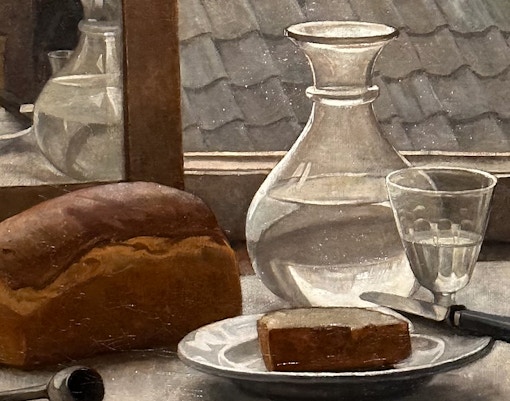
The Water Drinkers

This still life painting with bread, a water caraf, a pipe and a mirror was painted by Piet Meiners, a well-known Dutch watercolourist, etcher, painter and draftsman.

Jeremiah Lamenting the Destruction of Jerusalem

One of Rembrandt's early masterpieces and most renowned works of his Leiden period, this painting depicts Prophet Jeremiah lamenting the ruin of Jerusalem whose destruction he had prophesied.

The Crucifixion

Choosing to depict the mountain on which Christ was crucified from a high viewpoint, Oostsanen represents successive episodes of the Passion of Christ simultaneously in the painting, a convention often used in medieval painting.

Interior with Woman Sewing

True to the saying ‘The devil finds work for idle hands’, an important value in the Dutch ethic of piety and hard work, Hendriks portrays a woman sewing while reading a book.

Landscape with Cattle Driver and Shepherd

Unlike his famous predecessor Cuyp, Jacob van Strij used more colourful accents and infused the sky with a lovely golden glow.

Brief History of the Rijksmuseum

1798: The government decided to establish a national museum as a ‘prestige project’ to inspire patriotic feeling and to store important objects.

1800: The National Art Gallery is inaugurated in The Hague with more than 200 paintings and historical objects from both the Stadtholders’ collections and national institutions.

1808: Emperor Napoleon Bonaparte moves the national collections to the Royal Palace on Dam Square in the new capital, along with other important paintings, including Rembrandt’s 'The Night Watch'.

1809: The Royal Museum officially opens on the palace’s top floor.

1813: King Willem I relocates the museum and the national print collection from The Hague to Trippenhuis, a 17th-century city palace, and christened it the ‘Rijks Museum’, or ‘national museum’.

1876: The construction of Netherlands' own national museum building. Pierre Cuypers is commissioned to be the architect.

1885: The Rijksmuseum is opened to the public housing almost all of Amsterdam’s collection of older paintings, in addition to the existing collections.

1904-1950s: A series of renovations, including the construction of the Philips Wing and the new Asian Art department.

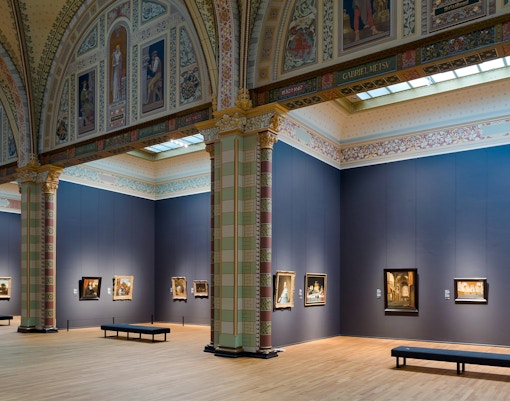
2003-2013: The museum was restored to Cuypers’ original architectural plan where paintings, applied arts, and history are no longer displayed in separate parts of the building but rather tell a chronological story.

Who Built the Rijksmuseum?

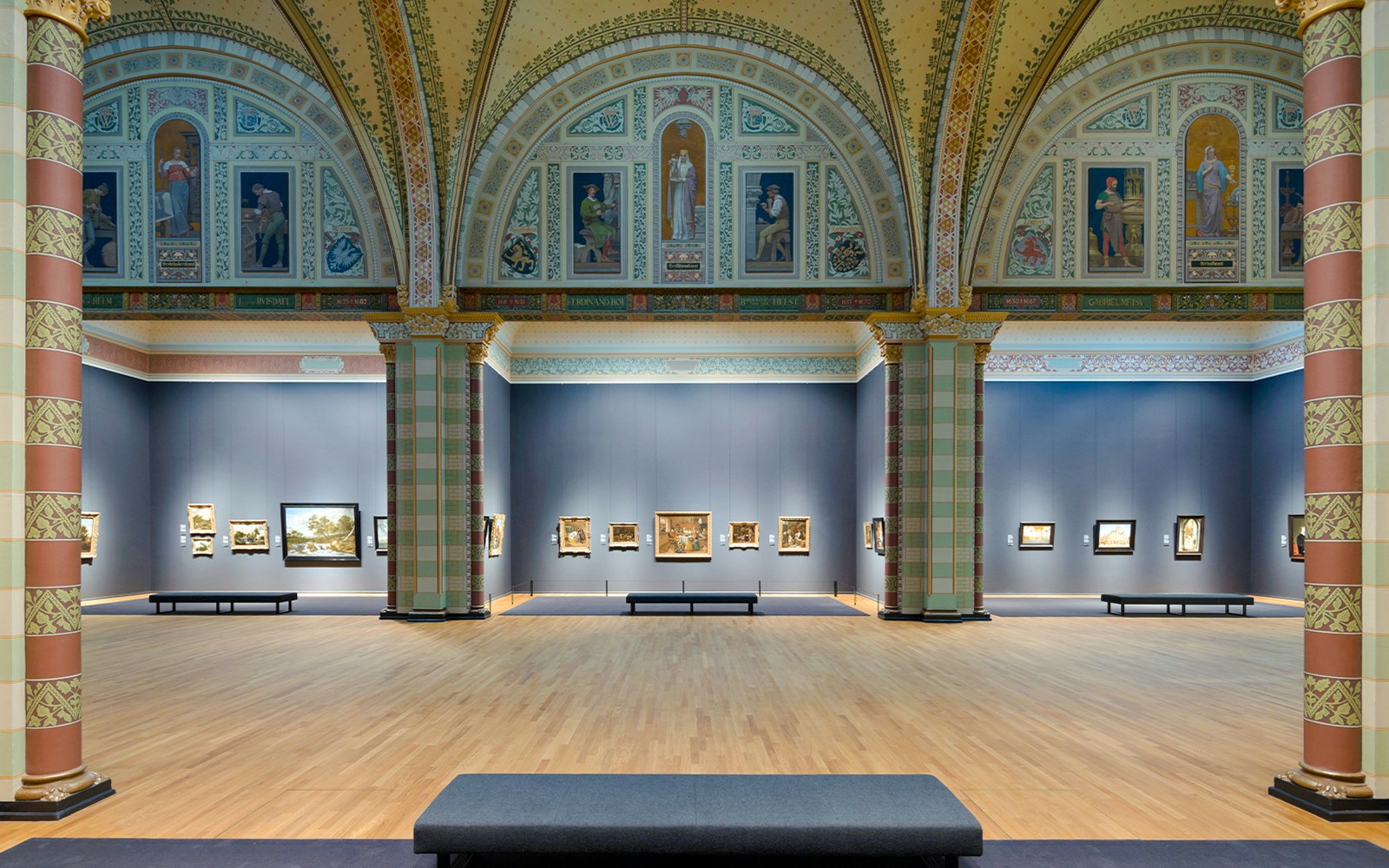
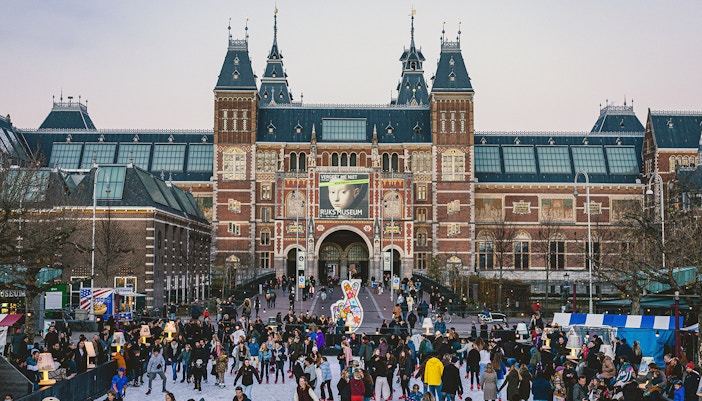
The Rijksmuseum was designed by Pierre Cuypers, combining the Gothic and the Renaissance styles. Although the Rijksmuseum underwent several rounds of renovation between the 1900s to the 1950s, the museum was restored to Cuypers’ original architectural plan in the 2003-2013 renovation.

Architecture of the Rijksmuseum

Designed by Pierre Cuypers the Rijksmuseum is built in true Gothic and Renaissance style. The building consists of two squares with an atrium in the center of each. The central axis has a tunnel with entrances at the ground level and the Gallery of Honour on the first floor. The Philips Wing, a wing that was added in the 1904-1916 renovations, contains building fragments that show the history of architecture in the Netherlands.

The latter years saw several rounds of renovation, but the original architectural design of Cuypers was adopted in the 2003-2013 renovation.

Frequently Asked Questions About the Rijksmuseum in Amsterdam

The Rijksmuseum is one of the most popular art museums in the Netherlands, showcasing over 8000 objects dating from the Dutch Golden Era to the 20th century.

More Reads

Opening Hours

Book Now

Plan Your Visit

Book Now

Vermeer Exhibition

Book Now