- Discover a rare collection: Vermeer produced a small body of work, making every painting significant. The Rijksmuseum houses several of his most important masterpieces, allowing visitors to experience his artistic vision in one place.
- Experience Vermeer’s mastery of stillness: Vermeer is renowned for his deep focus on intimacy, transforming simple moments into scenes of quiet intensity. His use of light creates a sense of closeness that feels timeless and deeply human.
- Explore Vermeer’s distinctive style: Vermeer’s work is celebrated for its extraordinary realism. Through composition, mastery of light and texture, and precise brushwork, he renders surfaces such as fabric, ceramics, and glass with astonishing detail, bringing everyday interiors vividly to life.
- Witness everyday life elevated to art: Unlike grand historical paintings, Vermeer focused on ordinary domestic moments of 17th-century Netherlands life, such as reading or household work, offering a realistic glimpse into the daily life of the time.
Explore Vermeer’s iconic collection at the Rijksmuseum
Besides its world-famous Dutch Golden Age collection, the Rijksmuseum is home to a remarkable group of paintings by Johannes Vermeer that should not be missed. These rare works showcase his unmatched ability to transform quiet moments into scenes filled with light, balance, and emotional depth, offering an intimate window into everyday life in the 17th-century Netherlands.
Why explore the Vermeer collection at the Rijksmuseum?
Themes to look out for in Vermeer’s paintings
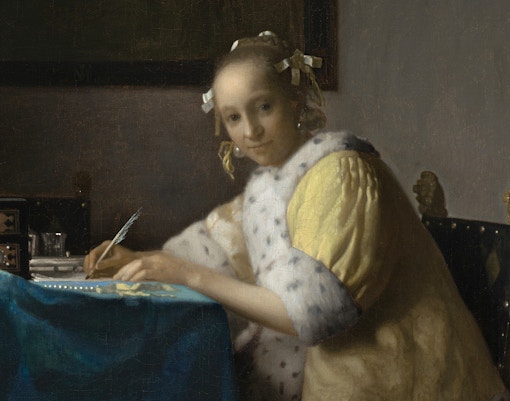
Domestic interiors
Vermeer is best known for his domestic scenes, capturing activities such as reading or writing letters. These paintings showcase his mastery of light, composition, and subtle narrative detail.
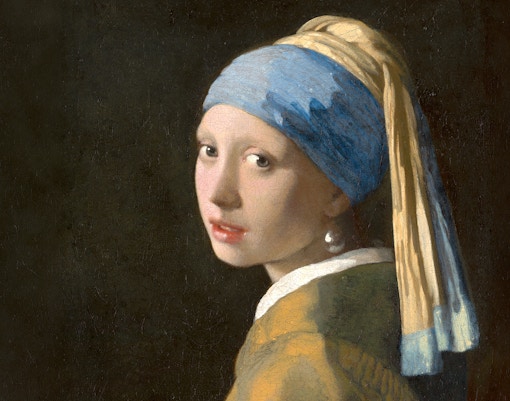
Portraiture and figures
While Vermeer rarely painted formal portraits, his works feature observed figures engaged in everyday activities, each imbued with psychological depth and realism.
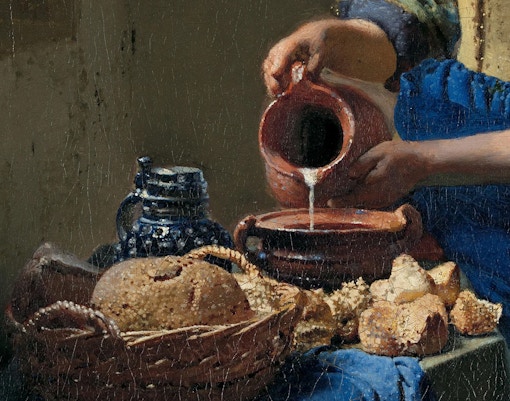
Still life elements
Many of Vermeer’s paintings include objects such as ceramics, glassware, and textiles. These details highlight his texture work and ability to transform ordinary items into luminous focal points.
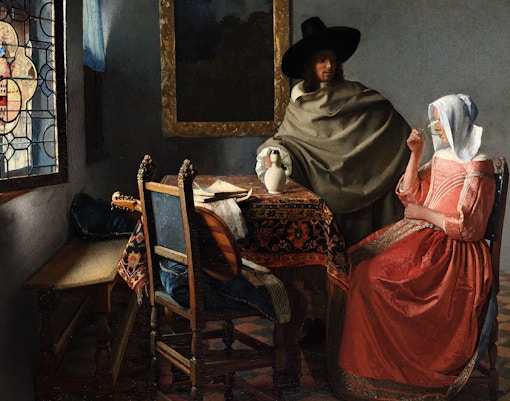
Light and atmosphere
Across the works on display, Vermeer’s use of natural light, perspective, and shadow creates a sense of calm and timelessness, making each painting a study in atmosphere and visual harmony.
Vermeer artworks on display in the Rijksmuseum
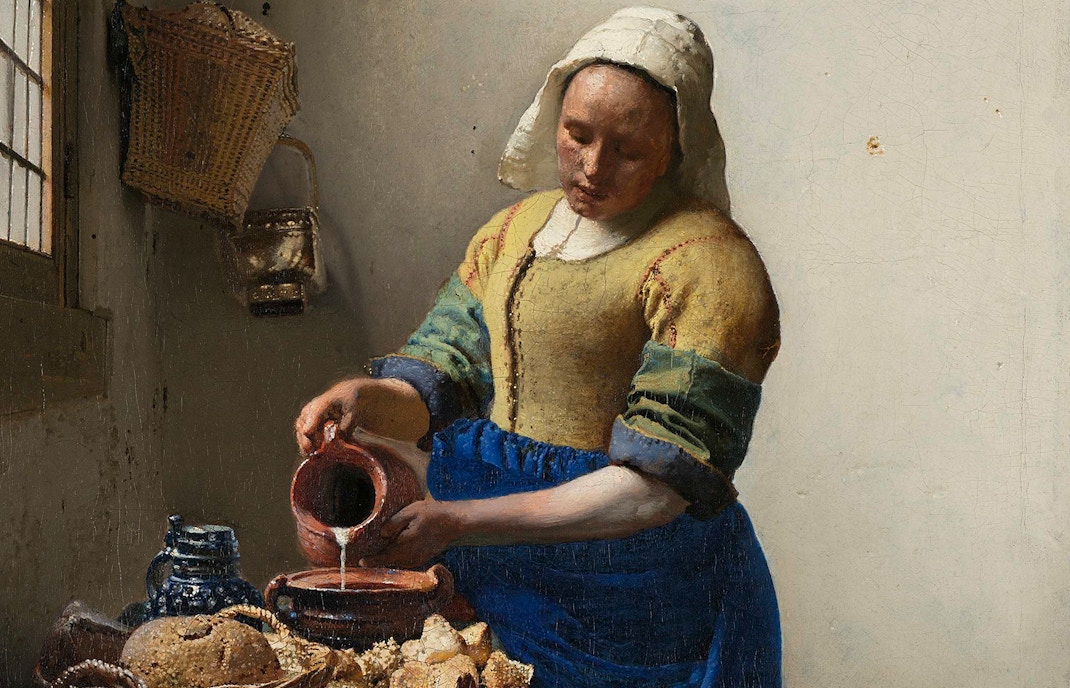
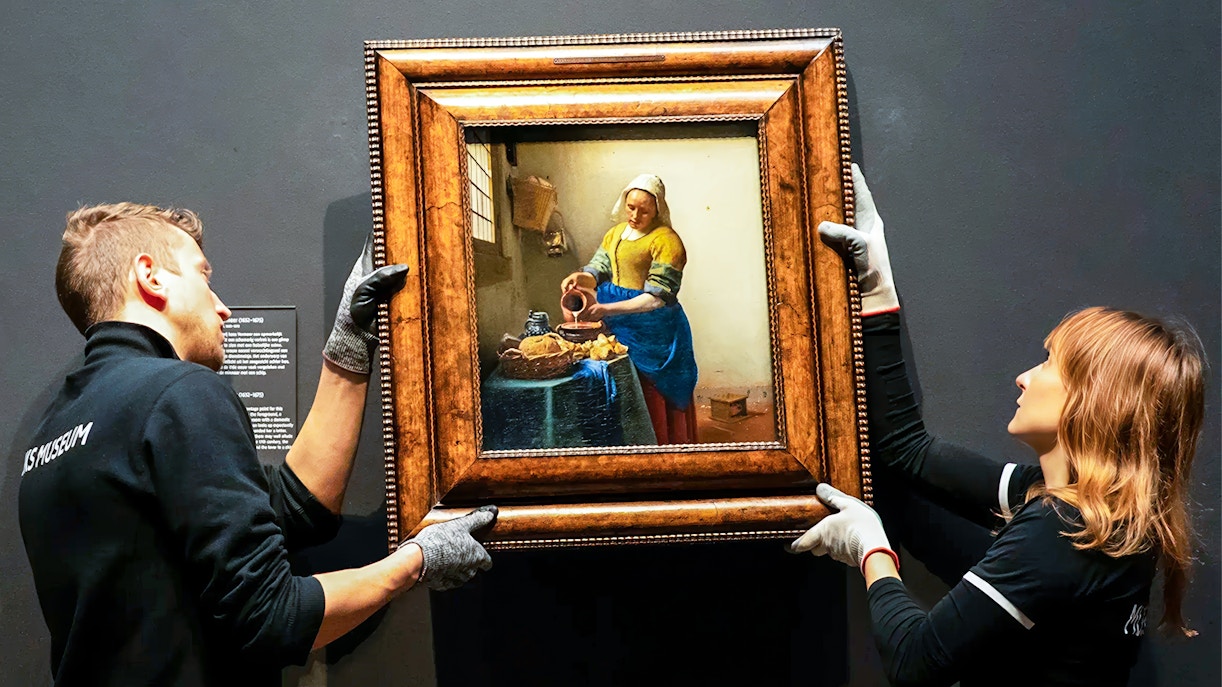
The Milkmaid
c. 1657–1658, Gallery of Honour
One of Vermeer’s most iconic works, this painting shows a kitchen maid carefully pouring milk. Sunlight illuminates the textures of bread, pottery, and fabric, bringing the scene to life.
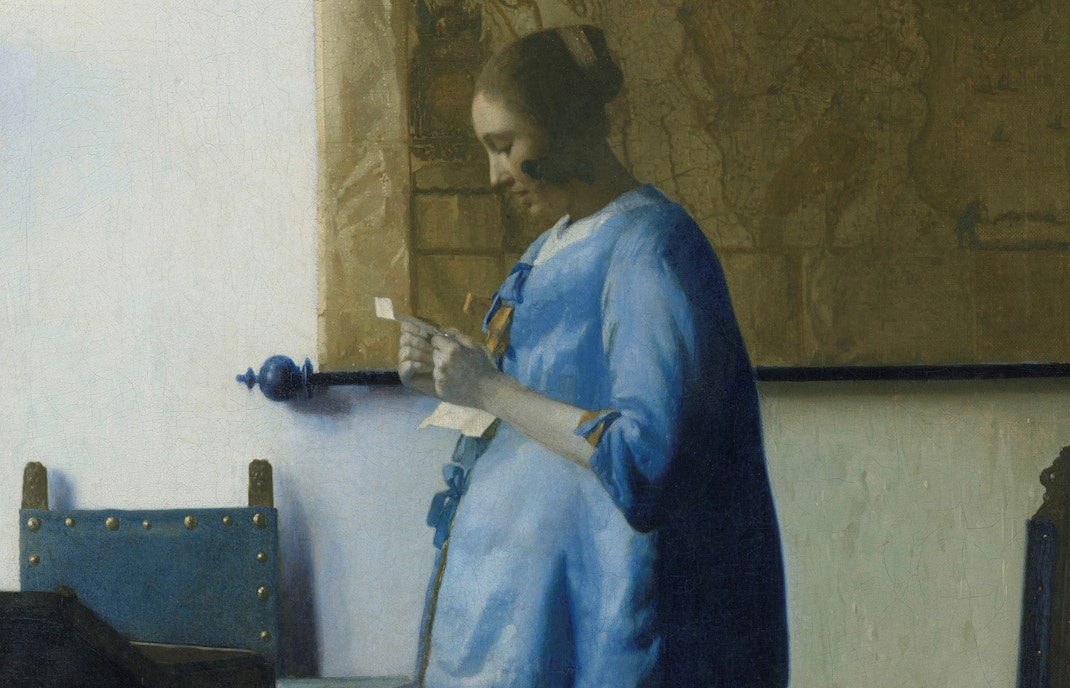
Woman Reading a Letter
c. 1663–1664, Gallery of Honour
This painting highlights Vermeer’s skill in capturing intimacy, depicting a woman absorbed in a letter. Soft light and gentle shadows create a reflective, peaceful atmosphere full of subtle emotion.
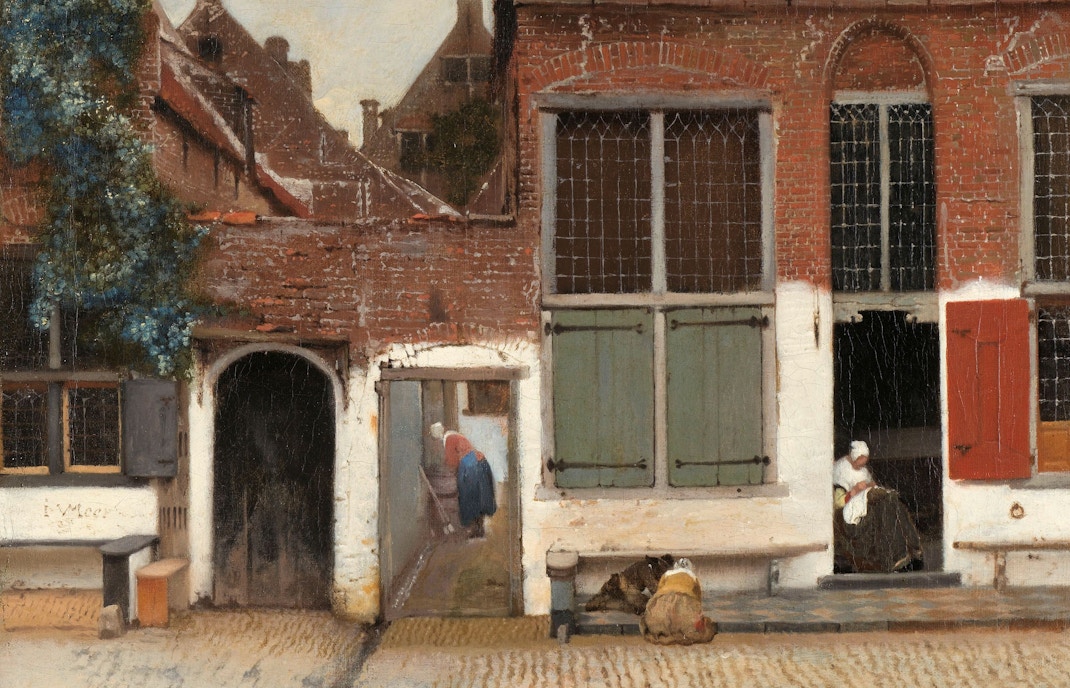
The Little Street
c. 1657–1658, Gallery of Honour/Dutch Golden Age galleries
A charming depiction of everyday life in Delft, this painting captures simple moments with meticulous attention to architecture and sunlight, making the scene feel vivid and immersive.
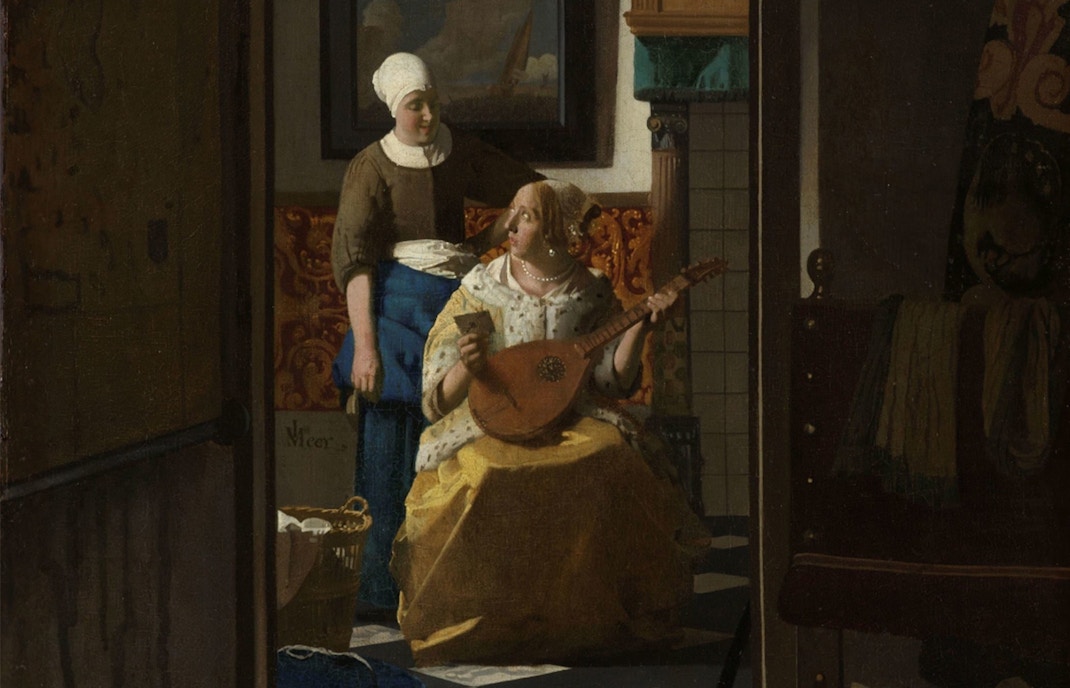
The Love Letter
c. 1669–1670, Gallery of Honour / Dutch Golden Age galleries
In this domestic scene, a maid delivers a letter to her mistress. Vermeer’s play of light, color, and gestures tells a quiet story while leaving room for personal interpretation and intrigue.
Frequently asked questions about the Vermeer Collection
The Rijksmuseum’s Vermeer collection focuses on paintings, mainly domestic scenes, portraits, and still life. Each work highlights his mastery of light, perspective, and texture, offering insight into 17th-century Dutch life and artistry.
The museum houses a small but significant selection of Vermeer’s works. Since he left behind fewer than 40 paintings, each piece on display is highly important and showcases his unique artistic vision.
Not all Vermeer works are in the Rijksmuseum. Only select paintings from his body of work are displayed at any time, with highlights like The Milkmaid and Woman Reading a Letter featured in the Gallery of Honour.
Exploring the Vermeer paintings can take 30 to 40 minutes, depending on your pace and interest. Guided tours or audio guides can enrich the experience, offering context, historical background, and insight into his techniques.
Key works include The Milkmaid, Woman Reading a Letter, The Little Street, and The Love Letter. Each demonstrates his mastery of light, texture, and composition, capturing ordinary Dutch life with extraordinary precision.
His works focus on domestic interiors, intimate daily moments, still-life details, and figures engaged in quiet activity. Light, perspective, and meticulous texture work are recurring elements that make his paintings so distinctive.
Vermeer’s paintings were created in the mid-17th century, during the Dutch Golden Age. The Rijksmuseum acquired these works over time to form a concentrated collection that represents the artist’s legacy.
Yes, the paintings can be engaging for children. Short guided tours or interactive multimedia tours can help younger visitors appreciate the intimate domestic scenes and storytelling in each work.
Absolutely. The paintings are part of the museum’s permanent collection. Audio guides or the Rijksmuseum app offer detailed explanations, helping visitors explore the works independently at their own pace.
Vermeer’s paintings sit alongside other Dutch Golden Age masterpieces. Viewing them in context allows visitors to compare techniques, subjects, and themes, deepening appreciation of 17th-century Dutch art and society.


