History of the Rijksmuseum | Timeline of the National Museum of the Netherlands

Nestled on Amsterdam’s Museumplein, the Rijksmuseum is a cultural giant, housing over 8,000 artworks that span Dutch history from the Middle Ages to the modern era. Founded in 1798, it grew from a modest national collection into a world-class museum, showcasing Golden Age masterpieces by Rembrandt, Vermeer, and Hals. Here’s everything you need to know about the history of the Netherlands’ cultural legacy.

Timeline of the Rijksmuseum

  • 1798: The Dutch government decides to establish a national museum to preserve important artworks and historical objects and to promote national identity.
  • 1800: The National Art Gallery opens in The Hague, displaying around 200 paintings and historical objects from national collections.
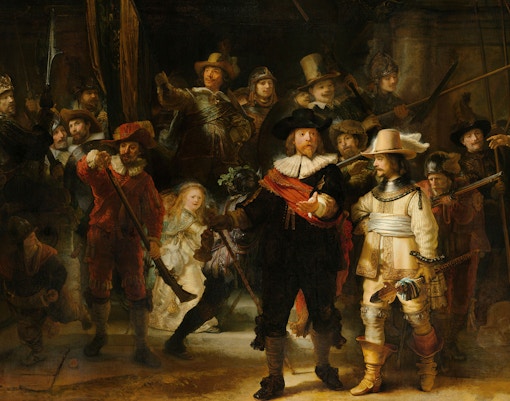
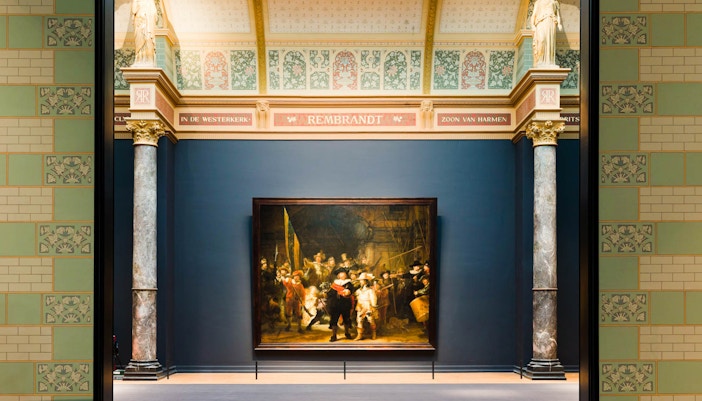
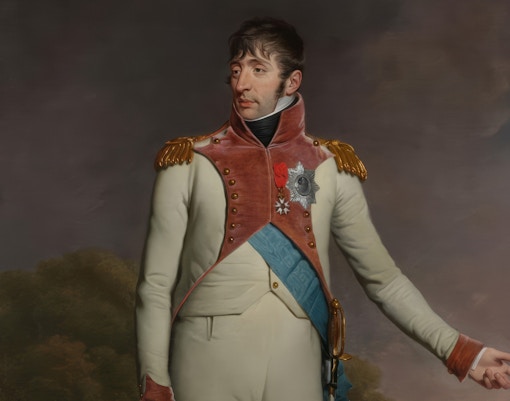
  • 1808: King Louis Napoleon transfers the national collection to Amsterdam and installs it in the Royal Palace on Dam Square, adding major city-owned works, including Rembrandt’s The Night Watch.
  • 1809: The Royal Museum officially opens to the public on the upper floor of the Royal Palace in Amsterdam.
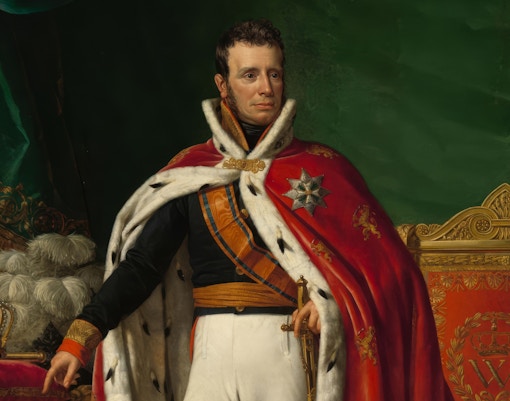
  • 1817–1818: After the Napoleonic era, King Willem I relocates the museum and the national print collection to the Trippenhuis in Amsterdam. Around this time, the institution becomes known as the Rijksmuseum.
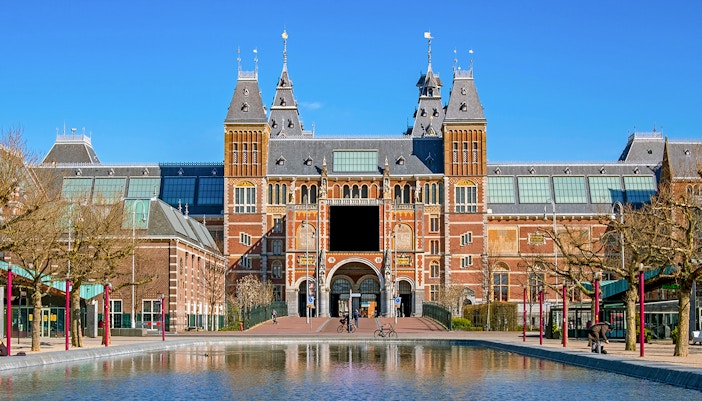
  • 1876: Architect Pierre Cuypers is selected to design a new, purpose-built national museum in a Neo-Gothic and Renaissance Revival style inspired by Dutch history.
  • 1885: The Rijksmuseum opens in its current building on Museumplein, uniting national collections of art, history, and decorative objects under one roof.
  • 1940–1945: During World War II, the museum closes to the public. Key artworks are evacuated and stored in secure locations to protect them from damage and looting.
  • 1950s–1970s: Major interior alterations are carried out to increase exhibition space, significantly altering Pierre Cuypers’ original layout and decorative scheme.
  • 1970: The Rijksmuseum building is officially designated a national monument, recognizing its architectural and cultural significance.
  • 1998: Spanish architects Cruz y Ortiz are selected to lead a major renovation aimed at restoring the historic building while modernizing visitor facilities.
  • 2003: The Rijksmuseum closes to the public for a comprehensive renovation and complete reorganization of its collection.
  • 2013: The Rijksmuseum reopens after a ten-year renovation, presenting a chronological display that integrates art, history, and applied arts into a single narrative.

Rijksmuseum’s history explained

Early Foundations (1798–1800)
In 1798, the Dutch government resolved to establish a national museum to preserve key artworks and historical objects and to promote national identity. In 1800, the National Art Gallery opened in The Hague, marking the birth of a public national collection.

Amsterdam Move & Royal Palace Era (1808–1817)
In 1808, King Louis Napoleon transferred the national collection to Amsterdam, housing it in the Royal Palace on Dam Square. The collection was expanded with major city-owned works, including Rembrandt’s The Night Watch, and opened to the public as the Royal Museum.

Trippenhuis Period (1817–1885)
In 1817, King Willem I moved the museum and the national print collection to the Trippenhuis, a 17th-century mansion in Amsterdam. During this long period, the institution formally became known as the Rijksmuseum but struggled with limited space as collections expanded.

Cuypers’ Vision & National Museum (1876–1885)

In 1876, architect Pierre Cuypers was commissioned to design a new national museum combining Neo-Gothic and Renaissance Revival styles inspired by Dutch history. The Rijksmuseum opened in 1885 on Museumplein, uniting art, history, and decorative arts in a purpose-built setting.

Expansion & Institutional Growth (1898–1950s)

The museum gained national symbolic importance during Queen Wilhelmina’s inauguration in 1898. Throughout the early 20th century, galleries were expanded and reorganized, and collections continued to grow, laying the foundations for specialist areas such as Asian art.

War, Recovery & Monument Status (1940–1970)

During World War II, the Rijksmuseum closed and evacuated its most valuable artworks for protection. After reopening in 1945, interior alterations modernized display spaces. In 1970, the building was officially designated a Dutch national monument.

Renovation & Modern Era (1998–2013)

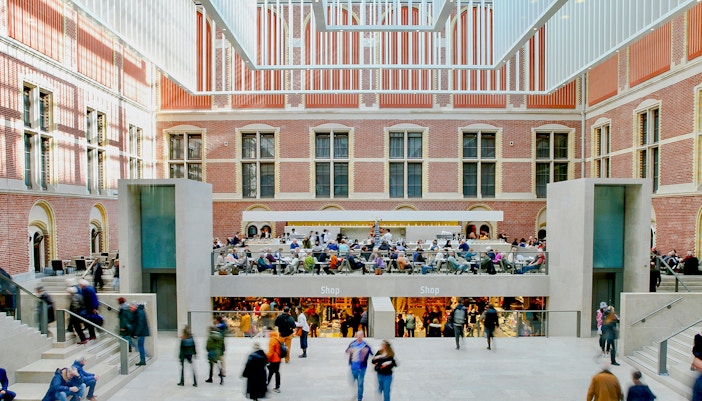
In 1998, architects Cruz y Ortiz were selected to lead a major renovation restoring Cuypers’ original architectural vision while modernizing the museum. Closed in 2003, the Rijksmuseum reopened in 2013 with a chronological presentation integrating art, history, and applied arts.

Construction of the Rijksmuseum Building

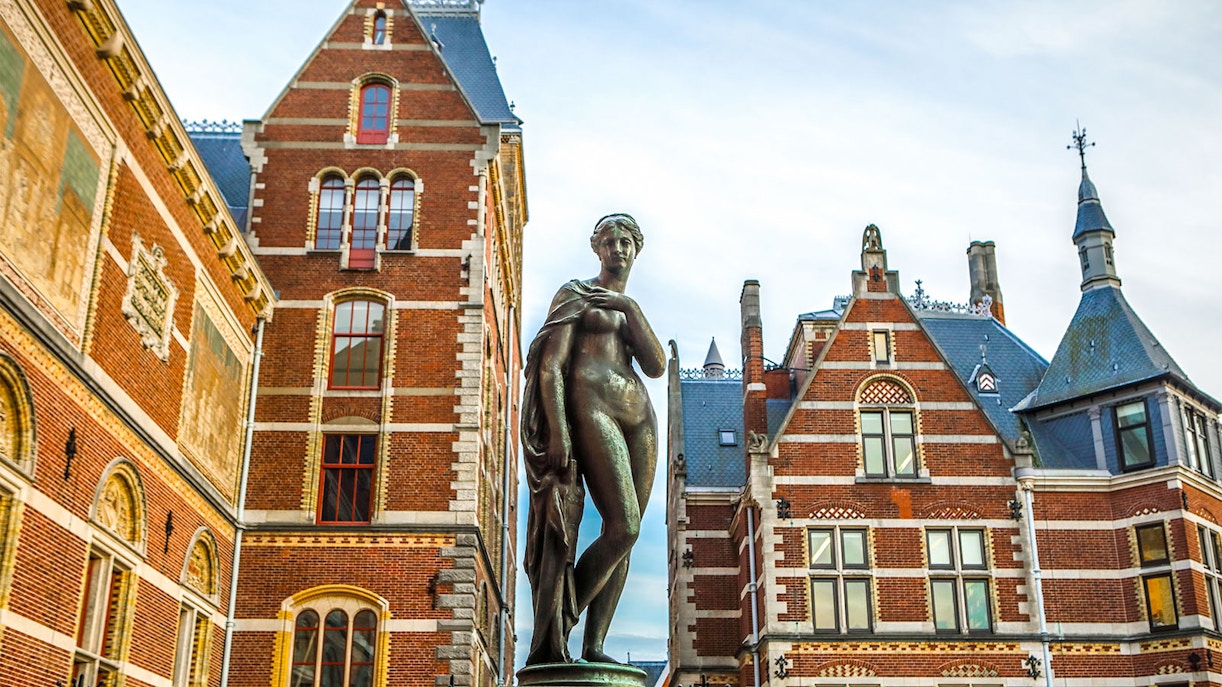
Statue in front of the Rijksmuseum's historic brick facade in Amsterdam.

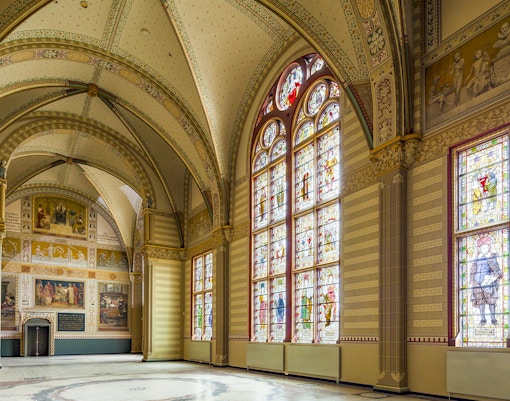
The Rijksmuseum building was constructed between 1876 and 1885 under the guidance of Dutch architect Pierre Cuypers, who envisioned a museum that celebrated Dutch art, history, and national identity. Its design blends Neo-Gothic and Renaissance Revival styles, featuring detailed brickwork, stone carvings, arched windows, and elaborate sculptures depicting key moments and figures from Dutch history. The structure is centered around multiple courtyards and a grand central hall, guiding visitors naturally toward masterpieces like The Night Watch.

Cuypers designed the building to tell a story through architecture, with decorative motifs, stained glass, and ornamental elements reflecting different periods of Dutch art and culture. Over the decades, expansions like wings, galleries, and exhibition spaces were added to accommodate the museum’s growing collections. During the 2003–2013 renovation, architects Cruz y Ortiz restored Cuypers’ original vision while modernizing circulation and integrating contemporary museum amenities, all while preserving the building’s historic character.

The Rijksmuseum today

Today, the Rijksmuseum is one of the world’s most visited museums, attracting millions of art lovers from around the globe, with 2.3 million visitors in 2025 alone. Over the decades, it has grown from a historic institution into a living cultural center that continues to shape how people understand Dutch art, history, and identity. With a collection spanning more than 8,000 artworks that tell the story of Dutch history and culture from medieval times to the modern era, the museum’s significance lies not only in its masterpieces but also in its role as a hub for research, education, and the preservation of Dutch heritage.

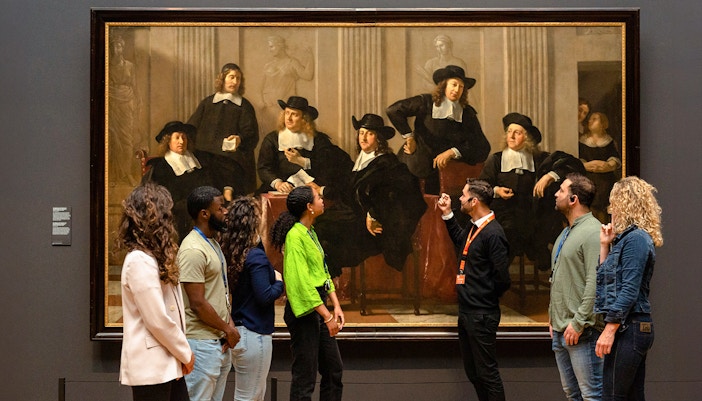
Learn more about the Rijksmuseum’s history with a guided tour!

Discover hidden stories behind masterpieces, explore the building’s architecture, and experience Dutch cultural heritage up close with a small-group tour for a personalized journey through the Netherlands’ national museum, unraveling its treasures one step at a time.

Frequently asked questions about the Rijksmuseum’s history

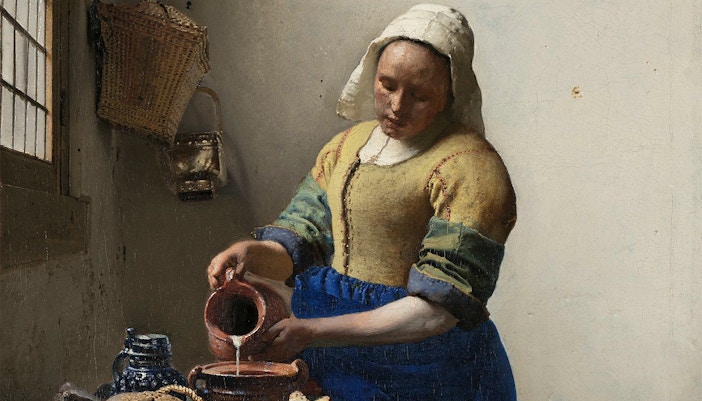
The Rijksmuseum houses 800 years of Dutch art and history, including prominent works by Dutch masters of the Golden Age such as Van Gogh, Rembrandt, Vermeer, and Hals.

More reads

About

Tips

Guided Tours