Explore the Rijksmuseum’s famous paintings

The Rijksmuseum houses one of the world’s most impressive and diverse painting collections, spanning centuries of Dutch and European art. From intimate domestic scenes of the Dutch Golden Age to grand historical and religious masterpieces, works by Rembrandt, Vermeer, Frans Hals, Van Gogh, and others tell stories of culture and innovation, waiting to be explored.

Overview of the Rijksmuseum’s painting collection
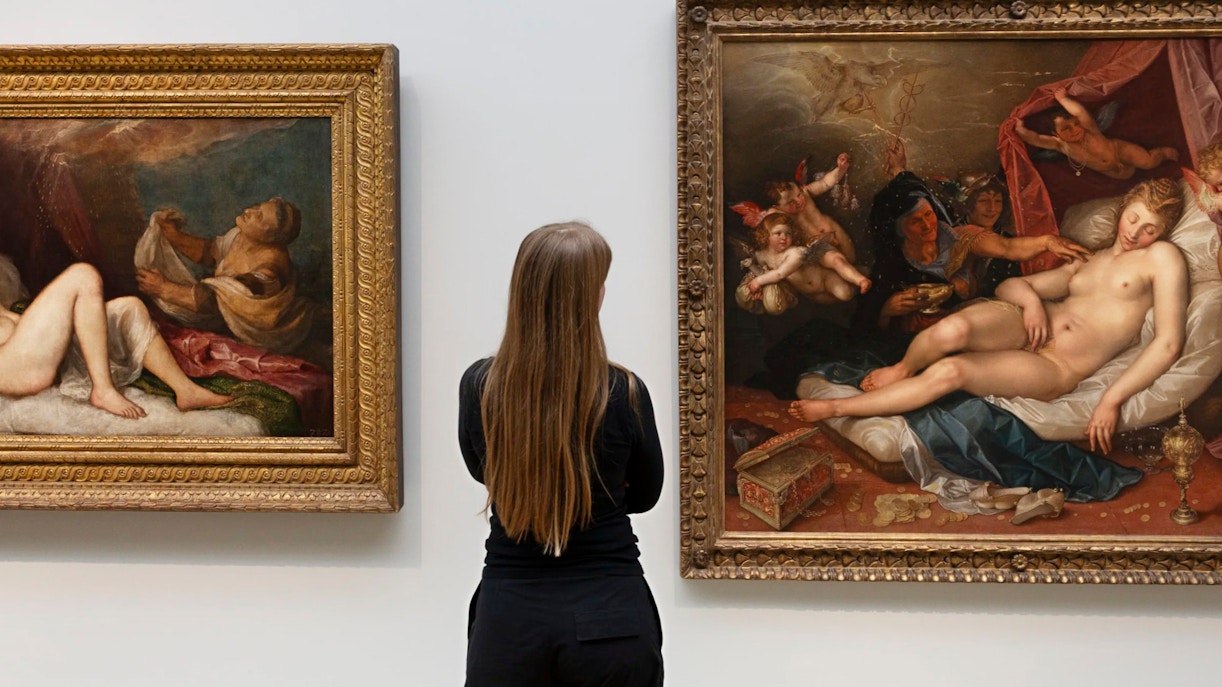
  • Genres: The museum’s painting collection includes portraits, landscapes, scenes depicting everyday life, historical paintings, religious paintings, and works on paper.
  • Core Period: The strongest part of the collection comes from the 17th-century Dutch Golden Age, which is the Rijksmuseum’s primary focus for paintings.
  • Key Artists: The museum holds major works by Rembrandt van Rijn, Johannes Vermeer, Frans Hals, Jan Steen, Aelbert Cuyp, and Gerard ter Borch.
  • Earlier Works: The Rijksmuseum also has a collection of Early Netherlandish paintings from the 15th and early 16th centuries, including works by artists such as Jan Mostaert, Lucas van Leyden, and Maarten van Heemskerck.
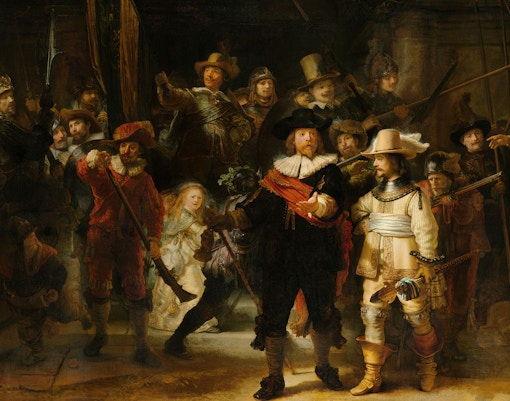
  • Popular works: Some of the most famous masterpieces include Rembrandt’s The Night Watch, Vermeer’s The Milkmaid, and Hals’ The Laughing Cavalier, which are among the most celebrated paintings in the museum.

Rijksmuseum painting collection | What to look out for

Portraits

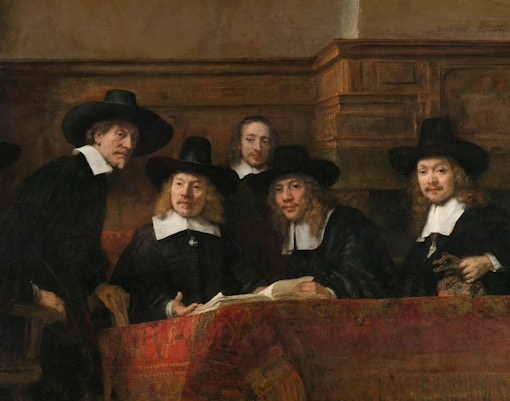
The Rijksmuseum features a large collection of portraits showing individuals from all walks of life, including aristocrats, merchants, and everyday citizens.

Example: The Syndics of the Drapers’ Guild by Rembrandt van Rijn

Landscapes

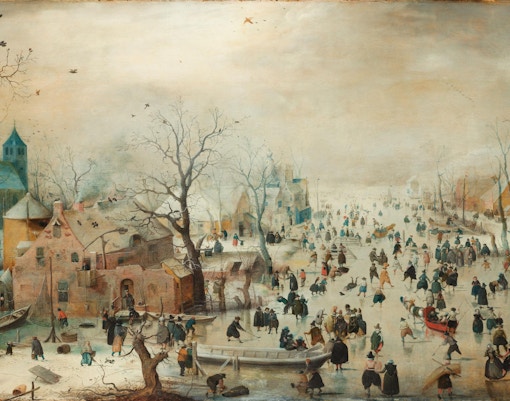
Landscapes are a widely admired genre in the museum’s painting collection. These works depict rivers, countryside, cities, and seasonal changes, capturing the atmosphere, light, and natural beauty of the Dutch Golden Age.

Example: Winter Landscape with Ice Skaters by Hendrick Avercamp

Genre scenes

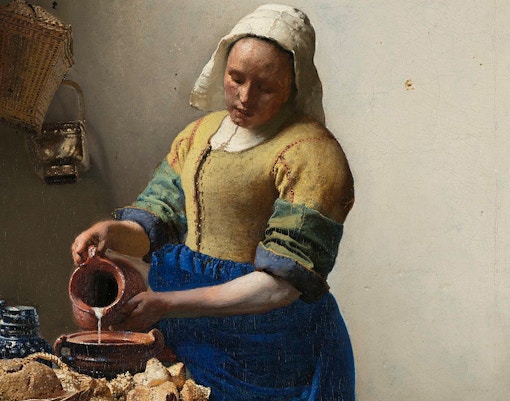
Genre paintings illustrate everyday life, including domestic interiors, markets, and family activities. They provide insights into 17th‑century Dutch society through depictions of ordinary moments.

Example: The Milkmaid by Johannes Vermeer

Still life

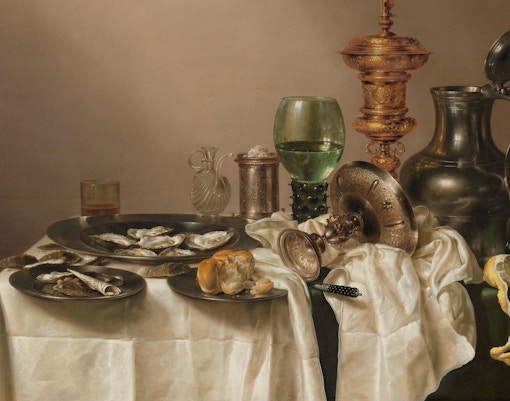
Still life paintings focus on objects such as flowers, food, and luxury items, often with symbolic meaning. These works highlight detail, texture, and the artist’s mastery of light, offering a break from genre scenes.

Example: Still Life with a Gilt Cup by Willem Claesz Heda

Historical paintings

Historical paintings depict important events, significant figures, or mythological stories. They convey moral, political, or patriotic themes and reflect the grandeur of European artistic tradition.

Example: The Night Watch by Rembrandt van Rijn (1642)

Religious paintings

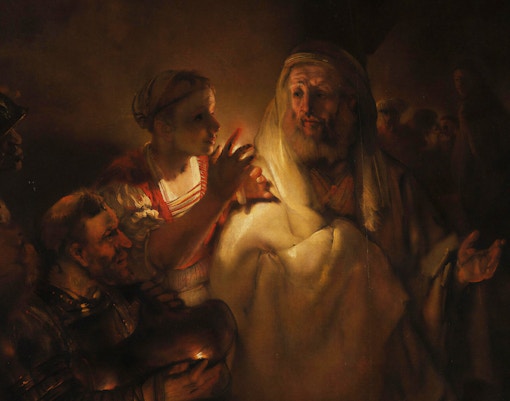
These paintings illustrate biblical stories, saints’ lives, and devotional narratives. These works were created for both Catholic and Protestant audiences and often emphasize spiritual reflection.

Example: The Denial of Saint Peter by Rembrandt van Rijn

Maritime and battle scenes

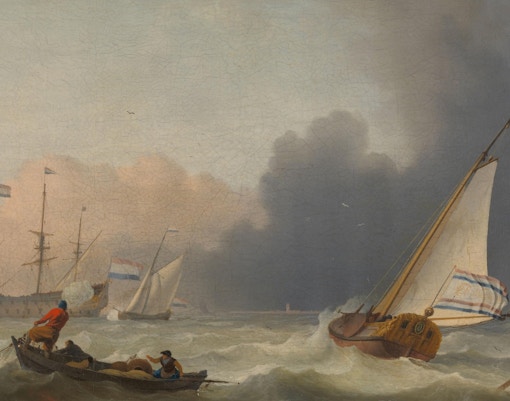
Maritime and battle paintings portray ships, harbors, naval battles, and sea life with precision and dramatic composition. These works document the Netherlands’ seafaring history through dynamic scenes.

Example: Rough Sea with a Dutch Yacht (1694) by Ludolf Backhuysen

Cityscapes and architecture

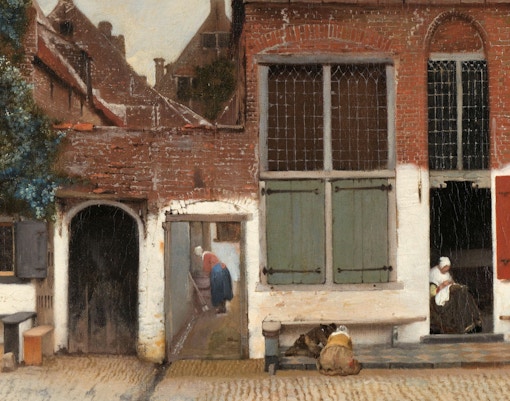
Cityscape paintings depict towns, streets, churches, and public buildings in detail. They combine realistic depiction with artistic interpretation to show urban life and architectural features of the period.

Example: The Little Street by Johannes Vermeer

The Night Watch

A bustling civic militia scene, alive with movement, dramatic lighting, and intense focus on the figures’ interactions.

  • Artist: Rembrandt van Rijn
  • Year: 1642

The Syndics of the Drapers’ Guild

Authority and precision come alive in this group portrait, with expressive faces capturing professionalism and civic pride.

  • Artist: Rembrandt van Rijn
  • Year: 1662

The Milkmaid

Sunlight spills across a simple domestic task, turning pouring milk into a serene, almost meditative experience.

  • Artist: Johannes Vermeer
  • Year: c. 1658

The Jewish Bride

Tender gestures and rich, warm tones convey deep emotion, making this couple’s bond palpable across centuries.

  • Artist: Rembrandt van Rijn
  • Year: c. 1665–1669

The Little Street

A quiet street scene draws you in with everyday life, brickwork details, and the soft glow of sunlight on homes.

  • Artist: Johannes Vermeer
  • Year: c. 1657–1658

The Denial of Saint Peter

High drama and moral tension unfold as Peter’s fear and hesitation are captured through shadow and gesture.

  • Artist: Rembrandt van Rijn
  • Year: 1660

Winter Landscape with Ice Skaters

Frozen canals come alive with skaters, lively townsfolk, and crisp, sparkling winter air filling the scene.

  • Artist: Hendrick Avercamp
  • Year: c. 1608

Rough Sea with a Dutch Yacht

Churning waves and a solitary vessel dramatize the raw power of the sea and the skill of its sailors.

  • Artist: Ludolf Backhuysen
  • Year: 1694

The Merry Drinker

A cheerful figure raises his glass, radiating charm, wit, and the lively spirit of 17th‑century Amsterdam.

  • Artist: Frans Hals
  • Year: c. 1628–1630

Frequently asked questions about Rijksmuseum paintings

The Rijksmuseum’s painting collection focuses on Dutch and Flemish art, especially from the 17th century. It includes portraits, landscapes, genre scenes, still lifes, maritime works, historical paintings, and religious subjects spanning several centuries.