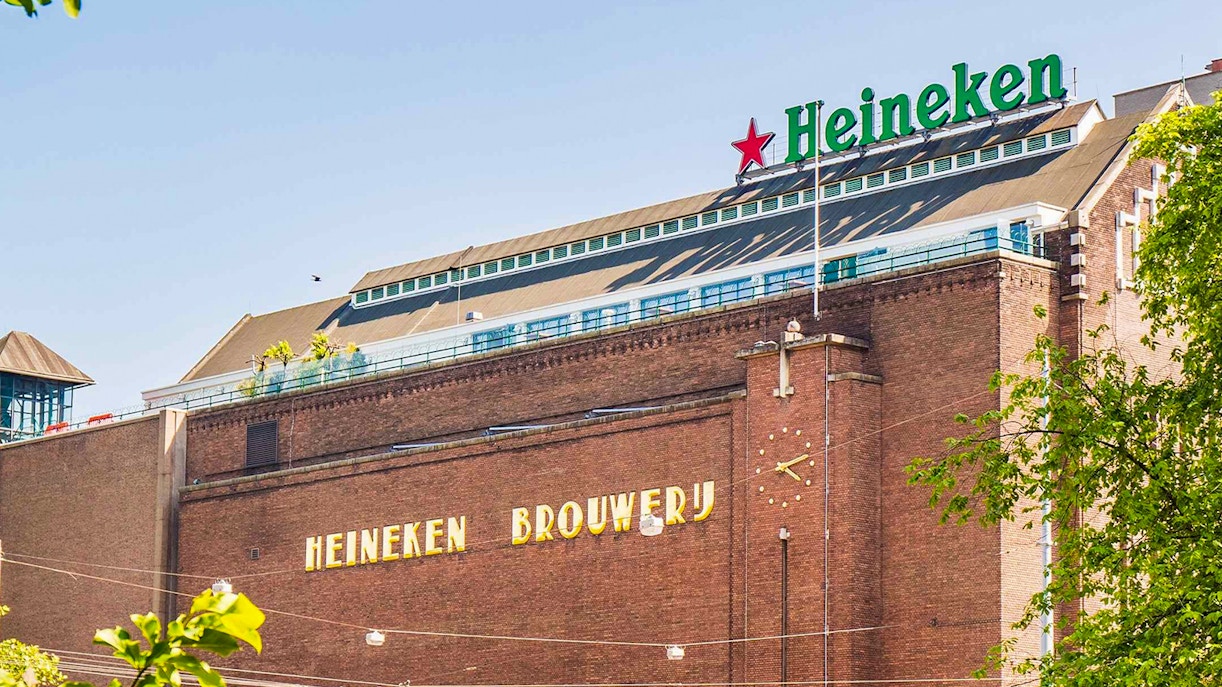
The visionary founder who purchased the ‘De Hooiberg’ brewery in 1864 and built this facility.
The Brew Room - The historic heart of the Heineken Brewery, Holland
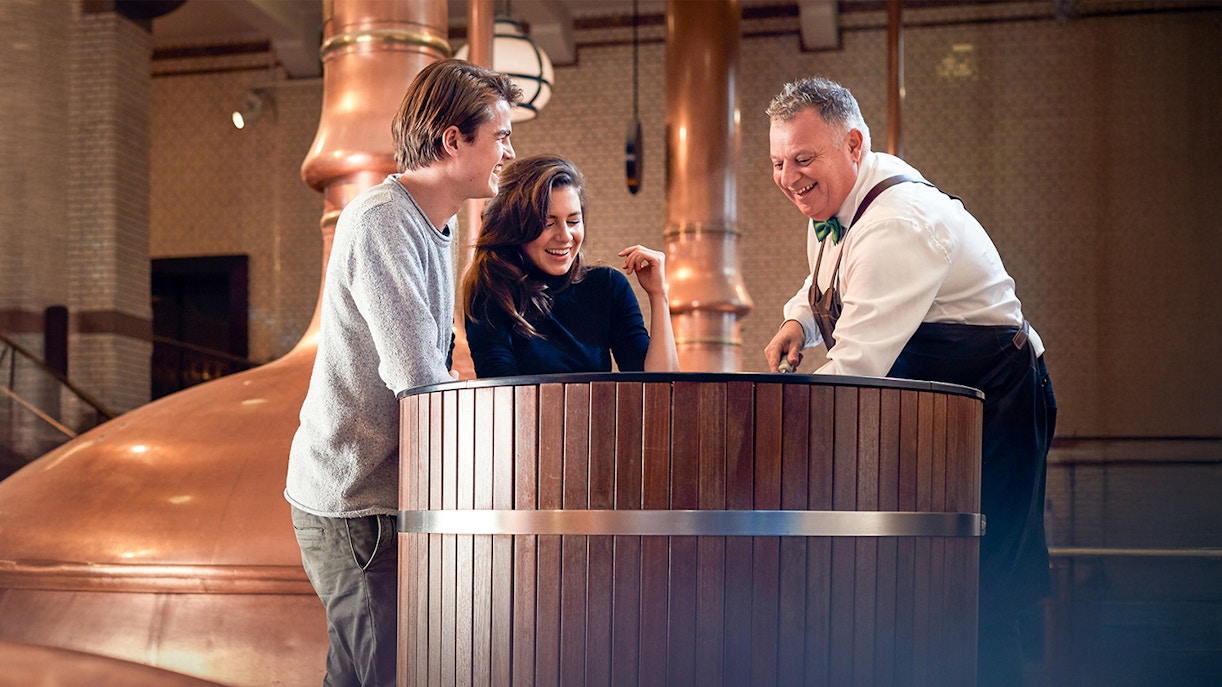
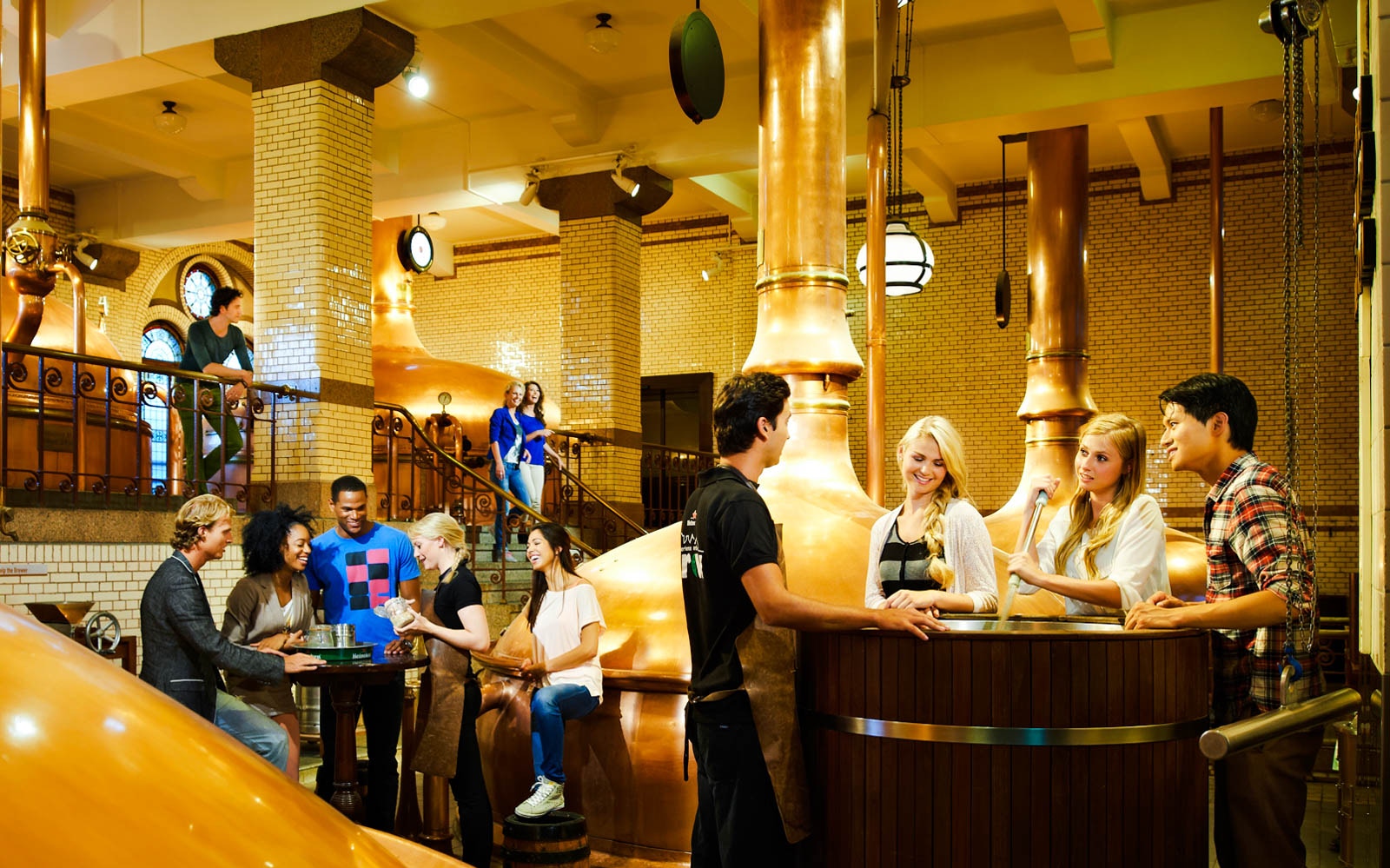
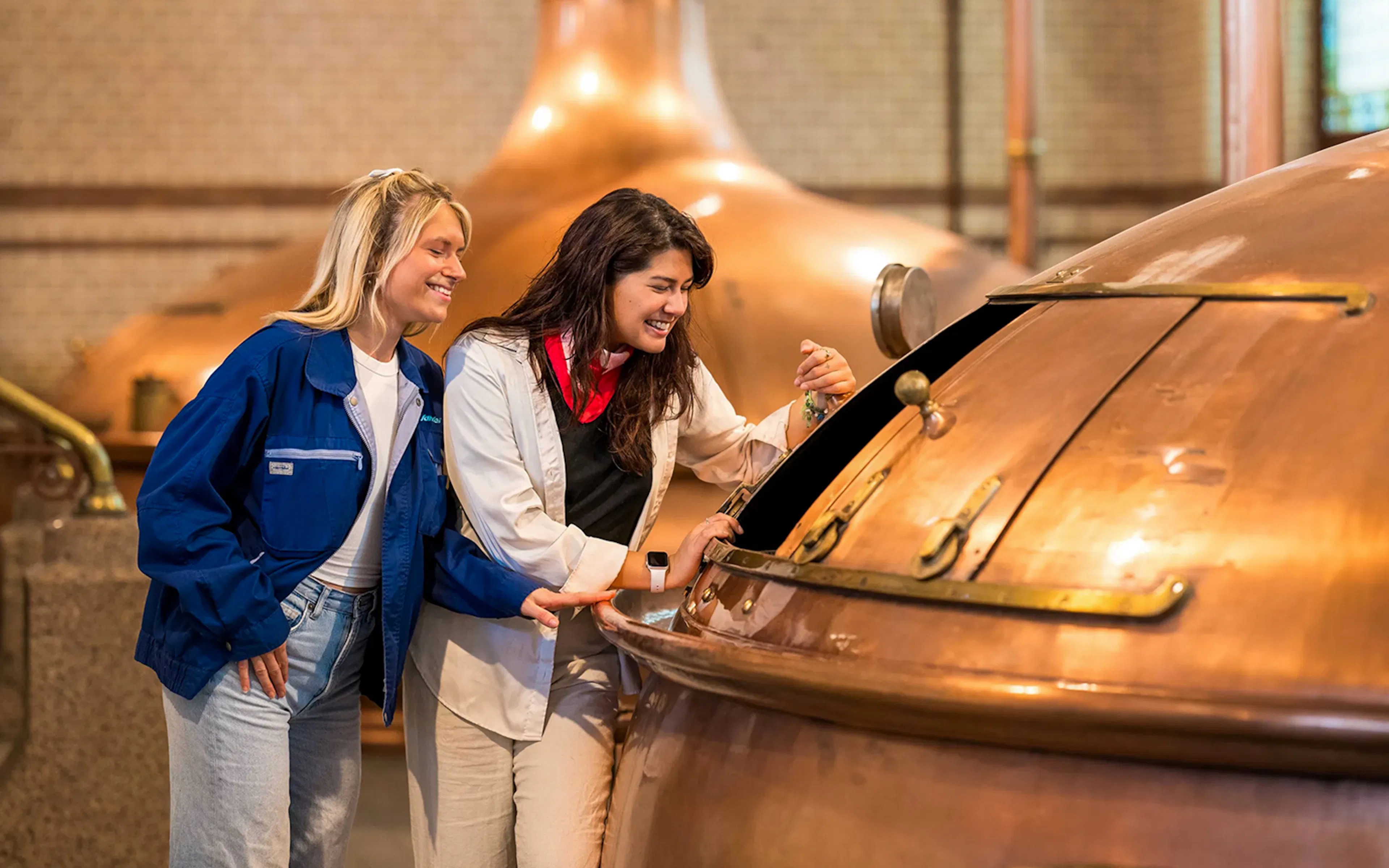
The 'Brouwzaal', or Brew Room, is the soul of the original Stadhouderskade brewery, where the world-renowned Heineken pilsner was crafted until 1988. Beneath the soaring ceilings, you will find the eight massive 19th-century copper kettles that once boiled the signature blend of water, barley, and hops. It is a preserved monument to the industrial revolution of beer.
Where is it located?
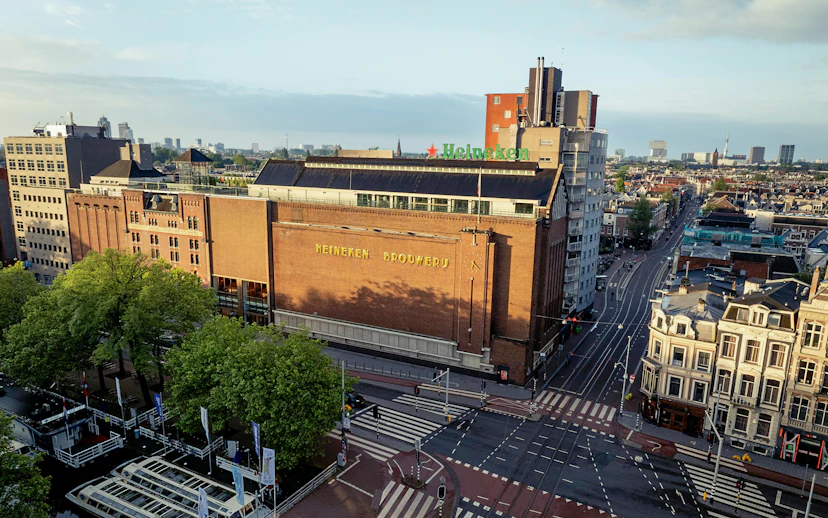
The Brew Room is located on the second level of the Heineken Experience building in the De Pijp district, situated along the path of the self-guided tour.
How to access?
Access to the Brew Room is included with all standard Heineken Experience tickets. You reach it naturally as you progress through the heritage section of the museum.
Things to know before booking Brew Room tickets
- While the Brew Room is a central highlight, access is strictly managed via timed entry slots to prevent overcrowding around the historic kettles.
- Please note that the building is a historic monument; while much of it is accessible, certain sections of the old brewery involve steep stairs. If you have mobility concerns, it is best to check for elevator availability with the staff.
- Additionally, while the Brew Room showcases the history, the actual brewing of Heineken moved to a larger facility in Zoeterwoude decades ago, so you will see the historic equipment rather than an active production line.
The Brew Room in a nutshell
Your Heineken Experience ticket types
| Ticket type | Is Brew Room access included? | Why go for it? | Starting price |
|---|---|---|---|
| Standard tour | Yes | Budget-friendly core experience | From €24.95 |
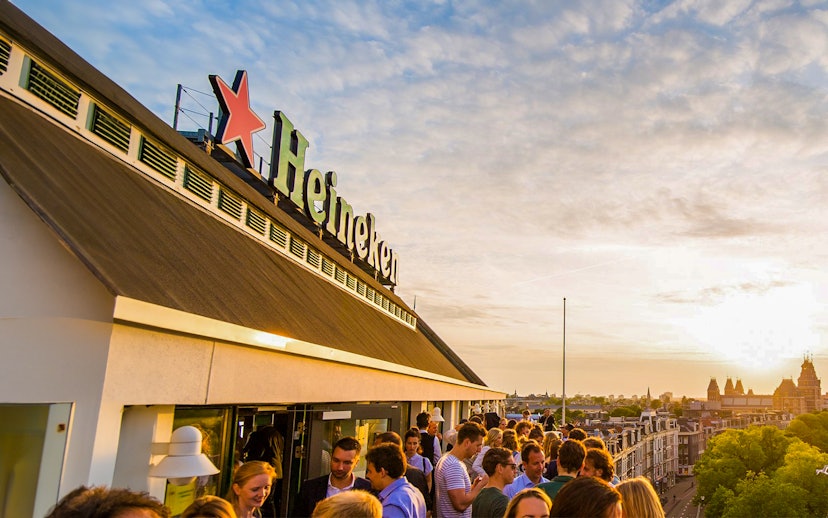
| Tour + Rooftop | Yes | Best views of Amsterdam | From €29.95 |
| Combo tour | Yes | Maximise your Amsterdam city trip | From €31.46 |
Exploring inside the Brew Room
1/4
The copper kettles
These massive vessels are the centrepiece of the room. You can walk right up to them to see how the ‘wort’ (the sugary liquid that becomes beer) was boiled and flavoured.
The ingredient stations
Located around the perimeter, these interactive displays allow you to touch and smell the high-quality barley and hops used in the recipe.
Stained glass artistry
Look up to see the beautiful windows that bathe the copper in a warm glow. These windows date back to the brewery's early years and celebrate the labourers who built the brand.
The A-yeast exhibits
Learn about the secret ingredient discovered in 1886 that gives Heineken its unique fruity notes, a strain still used in every bottle today.
Brewing innovations and techniques
1/6
Development of the A-yeast strain
In 1886, Heineken’s in-house lab developed a proprietary yeast with the help of Dr H. Elion, a student of Louis Pasteur. This breakthrough ensured consistent taste and quality, supporting long-term global production without sacrificing flavour stability.
Using natural materials only
Heineken’s approach emphasised brewing with only natural inputs. Every batch began with clean water, carefully selected barley and hops, and its special yeast strain, establishing a consistent, reliable foundation that stood apart from more heavily modified industry practices.
Gaining better control with horizontal tanks
Horizontal tanks increased the surface area where yeast met wort, encouraging more effective fermentation. This helped streamline the process while improving consistency across batches—a thoughtful design choice rooted in both scientific logic and attention to detail.
The extended 28-day process
After fermentation, each batch underwent a six-week ageing period at near-freezing temperatures. This technique helped flavours settle and develop fully, contributing to consistency and a refined final product without the need for rushed timelines.
Introduction of steam power
By switching to steam engines, Heineken ensured stable temperatures during brewing. This shift minimised inconsistencies, increased batch reliability, and marked a major step forward in bringing industrial precision to traditional production methods.
Laboratory-driven quality control
One of Heineken’s standout innovations was integrating science directly into operations. By establishing laboratory oversight early on, the brewery ensured that each batch met the same standards, no matter when or where it was produced.
Architectural highlights of the Brew Room
Historical and cultural significance of the Brew Room
This room is where the Heineken family transformed a small local brewery into an international powerhouse. It was here that Gerard Adriaan Heineken implemented groundbreaking quality controls, making it the first brewery in the world to house a dedicated laboratory. The Brew Room symbolises the shift from traditional ‘top-fermenting’ ales to the clear, consistent ‘bottom-fermenting’ lager that revolutionised the global beer market. It remains a sacred site for beer enthusiasts as the birthplace of one of the world's most recognised brands.
When Heineken stopped brewing at its original site in 1988, Freddy Heineken decided to keep the historic building alive. It reopened in 1991 as an engaging visitor centre, showcasing the brewery’s rich past through interactive tours and exhibits. Major updates in 2008 and 2022 modernised the space, making the Heineken Experience a must-see destination blending history, technology, and storytelling in Amsterdam.
Notable figures of the Brew Room
Know before you go
Open Sunday to Thursday from 10:30am to 7:30pm; Friday and Saturday until 9pm.
Last entry is 2 hours before closing.
Stadhouderskade 78, 1072 AE Amsterdam.
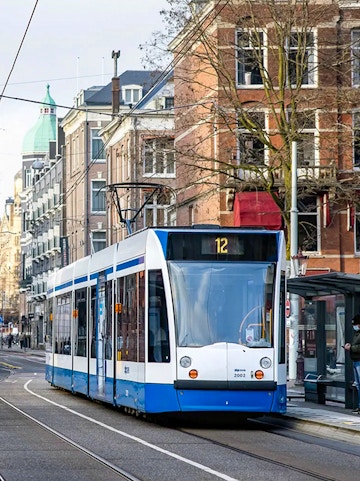
It is easily reachable via Trams 1, 7, 19 (Vijzelgracht stop) or the Metro line 52.
The historic building has been modernised with elevators, making the Brew Room accessible to those with reduced mobility.
The Brew Room is roughly halfway through the tour. If you are a photography enthusiast, wait a few minutes for the tour groups to cycle through to get a clear shot of the copper kettles.
Frequently asked questions about Brew Room tickets
No, it is a standard part of every Heineken Experience tour.
Definitely. The focus is as much on history, innovation, and brand culture as it is on beer. You won’t feel out of place.
No, active brewing moved to Zoeterwoude in 1988, but the equipment is perfectly preserved for visitors to explore.
No. Brewing stopped at this location in 1988. It’s now a museum-style experience, but much of the original machinery and layout is still intact.
By the 1980s, demand outgrew the brewery’s capacity. In 1988, production moved to a larger, modern facility outside Amsterdam.
Yes, the brewing kettles, malt silos, and fermentation tanks from the original setup are preserved and integrated into the tour route.
While the yeast itself is microscopic, the Brew Room features exhibits explaining its 1886 discovery and why it requires horizontal tanks to thrive.
These eight kettles were used to boil the wort. Their copper material was chosen for its excellent heat conductivity, and they remain the most iconic part of the 1867 building.
To preserve the historic metal, the staff will ask that you do not touch the kettles, though you can get very close for photos.
Most visitors spend about 20 to 30 minutes in this section to read the history and take photos.
Heineken Ambassadors are stationed throughout the room to explain the brewing process and answer your questions.
Yes, there is elevator access to the Brew Room level for visitors with mobility requirements.
There is no formal dress code, but comfortable walking shoes are recommended as the historic floors can be uneven in certain sections.