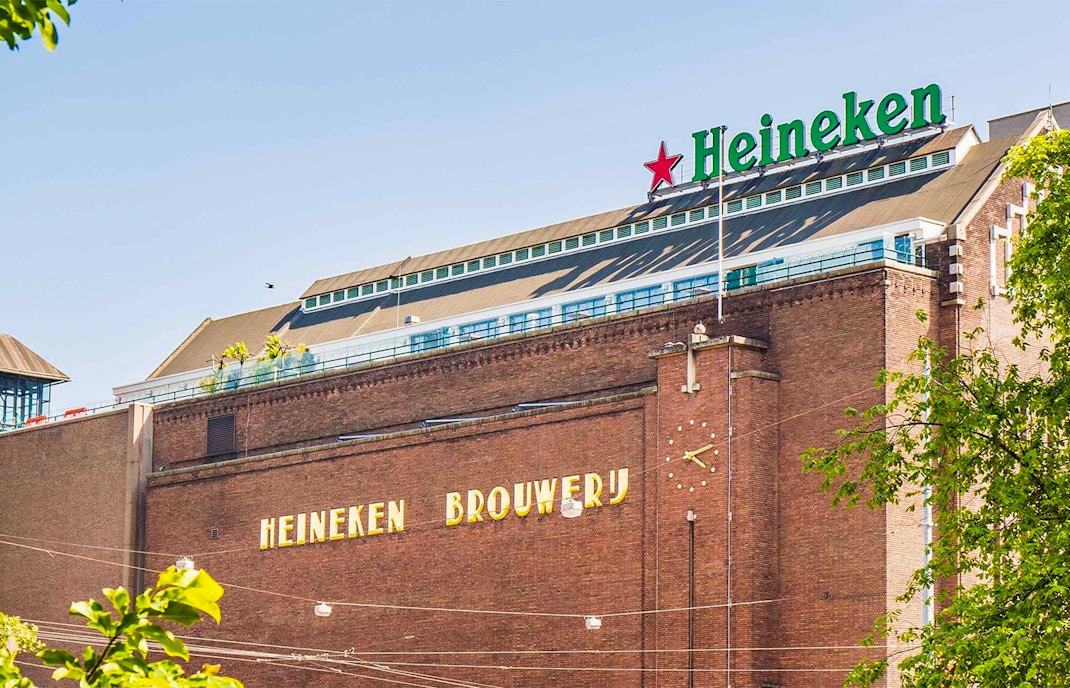
The Heineken Experience is a piece of industrial history. The attraction is housed within the very first brewery built by Gerard Adriaan Heineken in 1864. While the brewery ceased its massive production in 1988 because it could no longer meet global demand, the historic brick architecture remains a protected national monument in the De Pijp district.
14 interesting facts about the Heineken Experience in Amsterdam
Step into the world of one of the planet's most iconic beers at the Heineken Experience. Located in the heart of Amsterdam, this historic brewery-turned-museum offers a fascinating look at the heritage, brewing process, and global impact of the green-bottled lager we all recognise. Whether you are a beer enthusiast or a history buff, these Heineken facts will give you a fresh perspective on this world-famous Dutch brand.
14 interesting facts about the Heineken Experience
The meaning of Heineken
While many associate the name with premium lager, the meaning of Heineken is actually rooted in Dutch family history. It is a patronymic name derived from ‘Heine’, a Germanic nickname for Heinrich. In the context of the brand, it represents the lineage of the Heineken family, who have maintained a controlling interest in the company for over 150 years.
The secret ‘A-yeast’
One of the most vital Heineken beer facts involves a microscopic ingredient. In 1886, Dr H. Elion, a student of Louis Pasteur, developed the Heineken A-yeast. This specific strain is still used today and is responsible for the beer’s unique, slightly fruity flavour. It is so valuable that a backup supply is kept in a secure, secret location outside of Amsterdam.
The smiling ‘e’
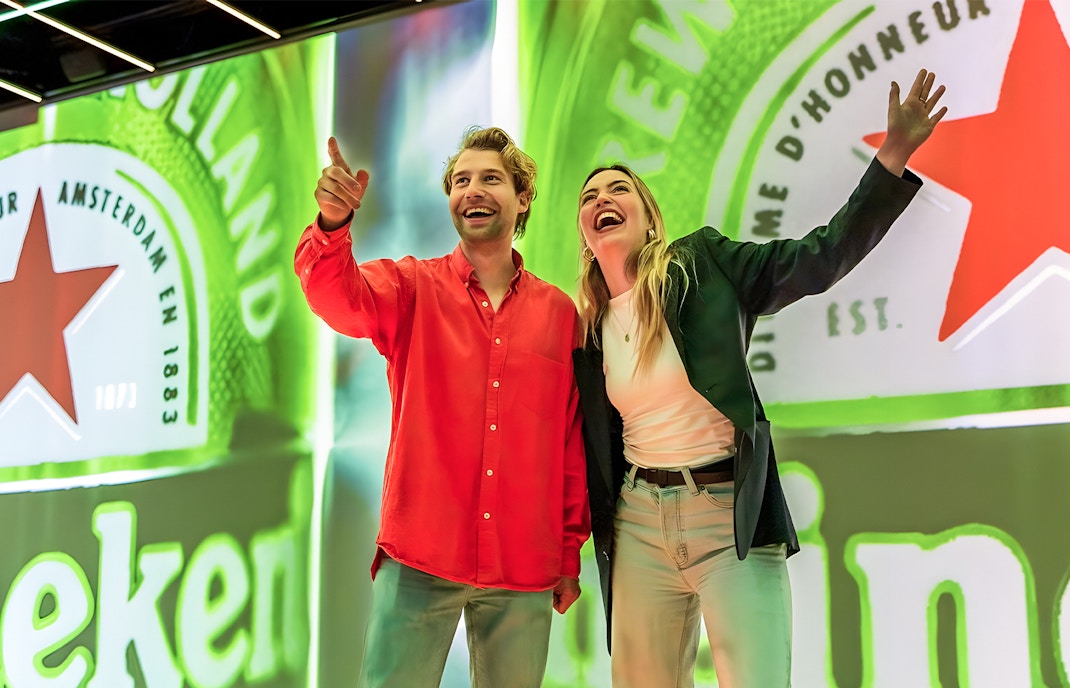
If you look closely at the logo, you will notice the letter ‘e’ in Heineken is tilted slightly backward. This was a deliberate design choice by Freddy Heineken. He wanted the font to look friendlier and more approachable to consumers. By slanting the letters, he created what is now famously known as the ‘smiling e’, making the brand appear more playful.
A world-class collection
Inside the building, you can see the prestigious Grand Prix Paris medal awarded to Heineken in 1889. This award, won at the World Exhibition in Paris (the same year the Eiffel Tower was unveiled), helped skyrocket the brand’s international reputation. You can still see a representation of this medal on every Heineken bottle and cans sold today.

The resident Shire horses
Despite modern technology, the facts about the Heineken Experience still include a touch of tradition. The brewery maintains a stable of Shire horses. Historically, these horses delivered beer throughout Amsterdam. Today, they serve as brand ambassadors, and lucky visitors can often see them trotting through the city streets or resting in their comfortable onsite stables.

The four natural ingredients
Heineken is famous for its purity, adhering to a recipe that has remained largely unchanged for over a century. The beer consists of only four natural ingredients: water, malted barley, hops, and A-yeast. There are no additives or corn-based fillers used in the process, which is a point of pride highlighted throughout the immersive brewing tour.

Horizontal fermentation tanks
Most modern breweries use vertical tanks to save space, but Heineken insists on using horizontal fermentation tanks. This creates the perfect amount of pressure for their A-yeast to work its magic. This specific technique is what gives the beer its signature clarity and balanced taste, though it requires much more floor space than standard brewing methods.
Green bottle innovation
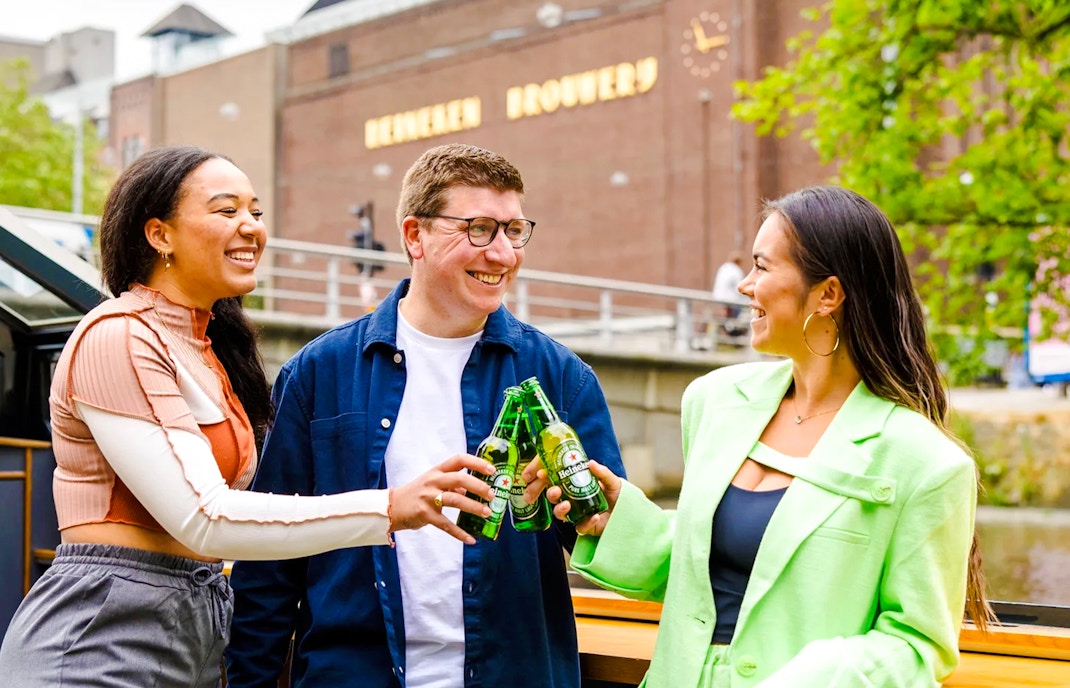
Heineken was one of the first breweries to export beer in green bottles. While most beer at the time was sold in brown glass to protect it from light, Gerard Heineken chose green to signify premium quality and freshness. The distinct colour became so synonymous with the brand that it helped Heineken stand out on shelves across the globe.
Europe’s industrial hotspot
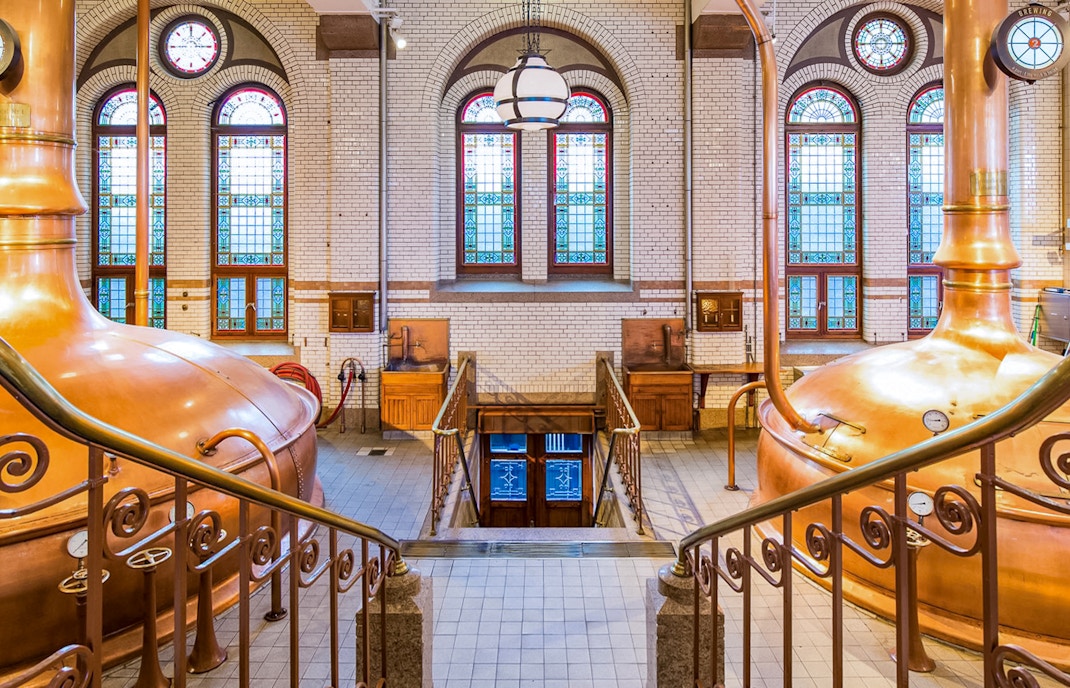
The original Heineken brewery is officially recognised as an Anchor Point on the European Route of Industrial Heritage. This prestigious status marks it as one of the most significant industrial landmarks in Europe. Out of thousands of industrial sites, only those with the highest historical importance and technological impact on the continent’s development earn this title, placing the brewery in the same league as Europe's greatest heritage sites.

A rare opportunity for wort tasting
While most brewery tours focus solely on the finished product, the Heineken Experience offers a rare chance to taste ‘wort’. This is the sweet, unfermented liquid produced during the mashing process before the yeast is added. Tasting this liquid is an informative way to understand Heineken’s flavour profile, allowing you to experience the sugary, malty base of the beer before it begins its 28-day transformation into lager.
Pioneering tours during production
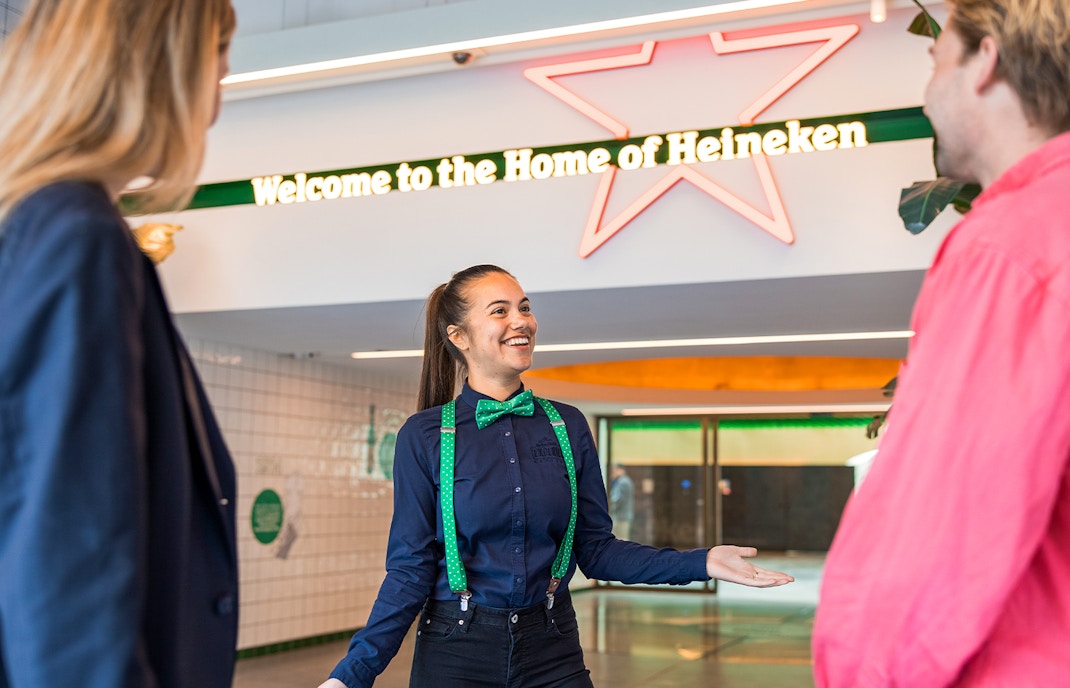
Heineken was a visionary in industrial tourism, becoming one of the first major companies to open its doors to the public while production was still active. Even as millions of hectoliters were being brewed, bottled, and shipped, visitors were invited to walk through the facility. This transparency allowed people to witness the scale of the operation in real-time, cementing the brewery as a popular Amsterdam attraction long before it became a dedicated museum.

The mystery of the red star
The origins of the Heineken star are steeped in brewing folklore. Many believe the five points represent the elements of the medieval brewer: earth, fire, water, air, and a fifth point for ‘magic’. Interestingly, during the Cold War, the star was changed from red to white with a thin red outline to avoid any perceived association with communism. It wasn't until 1991, after the fall of the Soviet Union, that the star returned to its solid red form.

The visionary WOBO
In the 1960s, Freddy Heineken developed the ‘WOBO’ (World Bottle) after seeing litter on beaches in Curaçao. He designed these unique, rectangular glass bottles to be used as interlocking bricks for affordable housing once the beer was consumed. While the project never reached mass production, you can still see a wall made of these ‘brick bottles’ at the Heineken Experience, standing as a testament to the brand’s early interest in sustainable architecture.
Frequently asked questions about Heineken facts
About 100,000 bottles in two sizes were made, but the concept didn’t scale commercially due to logistical challenges.
Heineken used specially designed boats and relied on horse-drawn wagons to navigate narrow waterways, optimising deliveries in a unique urban environment.
Heineken was one of the first major brands to automate bottling, drastically improving speed and consistency in the 1960s.
Beyond WOBO history, the Experience highlights current eco-friendly practices like energy-efficient brewing and waste reduction initiatives.
Yes, it operates throughout the year, but hours may vary seasonally, so it’s wise to check the official schedule before planning your visit.
To avoid the largest crowds, it is best to visit on a weekday morning, specifically right when the doors open at 10:30am. Tuesdays and Wednesdays are generally the quietest days. If you prefer a more vibrant atmosphere, weekend afternoons are lively but often require booking your time slot well in advance.
The Heineken Experience operates with a cashless, online-only ticketing system for specific time slots. It is highly recommended to book your tickets in advance online. Tickets often sell out, especially during peak tourist seasons and weekends.
A standard ticket includes the full self-guided tour through the historic brewery, access to the interactive ‘Brew You’ ride, and two perfectly chilled Heinekens (or soft drinks) at the Best 'Dam Bar located at the end of the experience.
No, the Heineken Experience is an adults-only attraction. To comply with Dutch regulations and promote responsible consumption, visitors under the age of 18 are not permitted to enter the building, even if accompanied by an adult. Valid photo identification may be requested at the entrance to verify your age.
Most visitors spend approximately 1.5 hours exploring the various levels of the historic brewery. Since the tour is self-guided, you are welcome to move through the interactive exhibits and the stable walk at your own pace, though the final tasting session usually takes about 20 minutes.
Yes, the Heineken Experience is fully accessible for visitors with reduced mobility or those using wheelchairs. There are elevators available to reach all floors of the historic building. When you arrive, simply notify the staff at the entrance so they can guide you to the accessible routes and provide assistance if needed.


