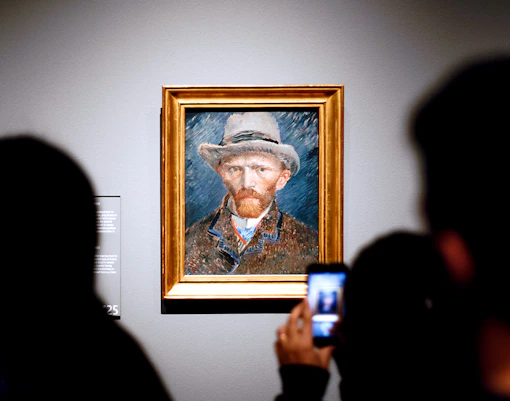
After Vincent and Theo died, Jo van Gogh-Bonger became the collection’s fiercest champion. She kept the paintings and letters together, organised loans, and helped turn private grief into public memory.
Van Gogh Museum history explained
Born from a family’s determination to protect Vincent van Gogh’s legacy, this museum now holds the world’s largest collection of his work. Knowing how it came to be makes your timed-entry visit feel far more personal.
Van Gogh Museum timeline
- 1891: Jo van Gogh-Bonger inherits the collection
Theo’s widow preserves Vincent’s art, letters, and reputation. - 1905: Landmark Amsterdam exhibition
A major retrospective helps introduce Van Gogh to a wider public. - 1960: Foundation created
Vincent Willem van Gogh establishes the Vincent van Gogh Foundation to protect the family collection. - 1962: State partnership agreed
The Netherlands backs a dedicated public museum in Amsterdam. - 1973: Museum opens
The Van Gogh Museum welcomes visitors in Gerrit Rietveld’s Museumplein building. - 1999: Exhibition wing added
Kisho Kurokawa’s wing expands space for temporary shows and visitor services. - 2015: New entrance opens
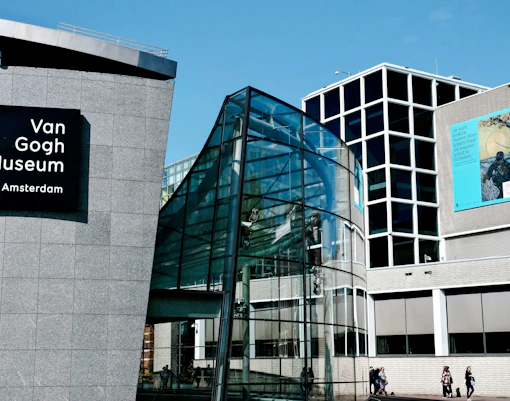
A glass entry hall improves access, circulation, and arrival from Museumplein. - 2023: Capacity refined
Daily entry limits help protect the collection and ease crowding.
Van Gogh Museum’s history explained
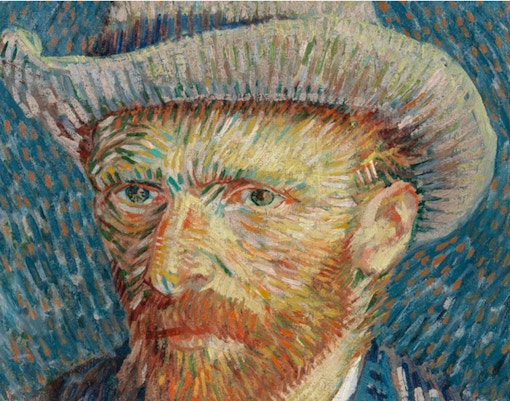
1891–1905: A legacy rescued
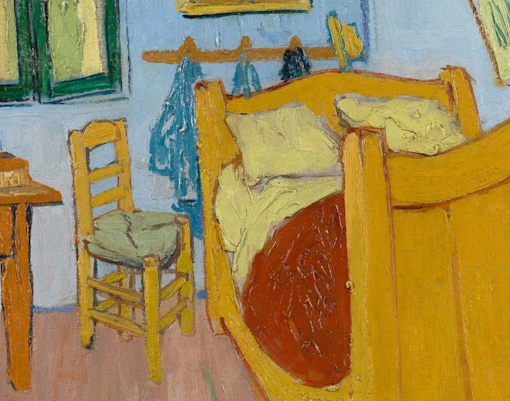
1905–1960: From family inheritance to public importance
As exhibitions grew and Van Gogh’s reputation rose, the collection became too significant to remain only a family treasure. These decades laid the groundwork for a museum with scholarly and national weight.
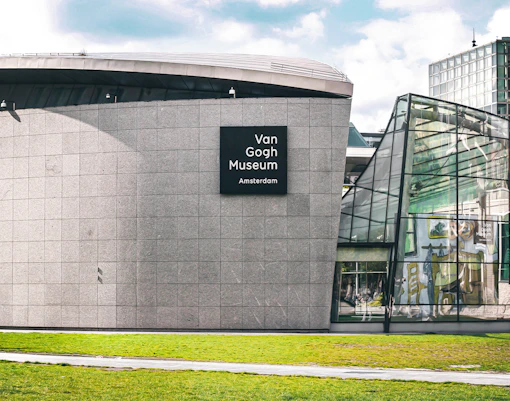
1960–1973: Building a permanent home
Vincent Willem van Gogh formalised the collection’s future through a foundation, while the Dutch state supported a purpose-built museum. That partnership transformed family stewardship into a lasting public institution.
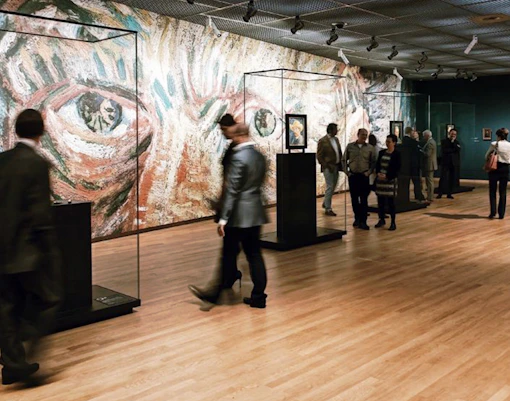
1973–present: A museum that keeps evolving
Since opening, the museum has expanded its galleries, research role, and visitor facilities. What you see today is not frozen in time, but a living centre for conservation, exhibitions, and Van Gogh scholarship.
Construction and architecture of Van Gogh Museum
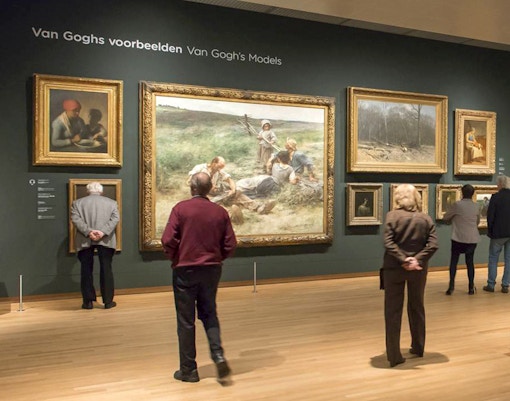
The original museum building was designed by Gerrit Rietveld and opened in 1973, after his death, with a clean Modernist look that keeps attention on the art. In 1999, Kisho Kurokawa added the curved Exhibition Wing for temporary shows. A glass entrance hall by Hans van Heeswijk Architects opened in 2015, improving circulation and arrival from Museumplein. Together, these spaces make the museum feel both focused and contemporary.
How to make the most of this history during your visit
- Start with the early works and letters, not just the famous paintings, so Vincent’s development feels chronological.
- Pause at labels connected to Theo and Jo van Gogh-Bonger — they explain why this collection survived intact.
- If you want a clearer narrative, the Van Gogh Museum guided tour connects the life story, major works, and turning points in about 2 hours.
Van Gogh Museum today: Why it matters
Today, the Van Gogh Museum is one of Amsterdam’s defining cultural institutions, managed by the Van Gogh Museum Foundation, with the core collection on long-term loan from the Vincent van Gogh Foundation. Visitors can move through the main Rietveld building, the Exhibition Wing, and displays of paintings, drawings, and letters that trace Vincent’s life step by step. Timed-entry tickets also include temporary exhibitions.
Frequently asked questions about Van Gogh Museum’s history
It grew from the Van Gogh family collection. Vincent Willem van Gogh created the Vincent van Gogh Foundation in 1960, and the museum opened in 1973.
It was created to preserve Vincent’s art, letters, and legacy in one public place for study, display, and conservation.
Theo supported Vincent during his lifetime, and Jo van Gogh-Bonger promoted the work after both brothers died. Their family kept the collection together.
It officially opened on June 2, 1973, in Amsterdam.
Gerrit Rietveld designed the original building. Kisho Kurokawa later designed the Exhibition Wing, and Hans van Heeswijk Architects designed the newer entrance hall.
The Dutch state supported the creation of a dedicated museum, helping give the family collection a permanent public home.
Two paintings were stolen in 2002, recovered in 2016, and later returned for display. During the 2012–2013 renovation, part of the collection was shown at the H'ART Museum.
The galleries still follow Vincent’s life in sequence, so your visit feels like a biography in rooms, not a random hang of famous works.