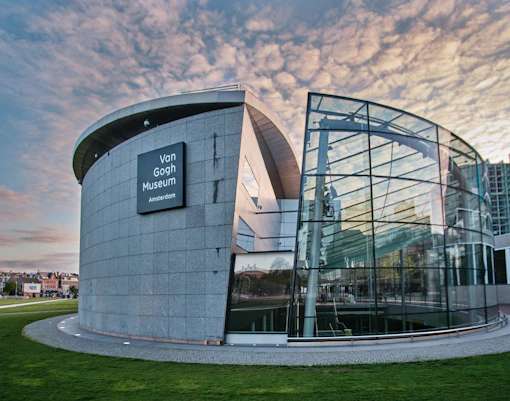
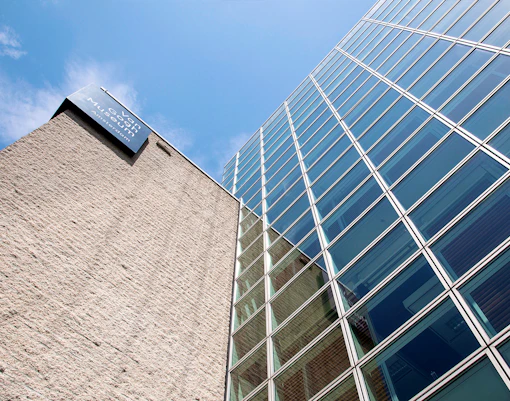
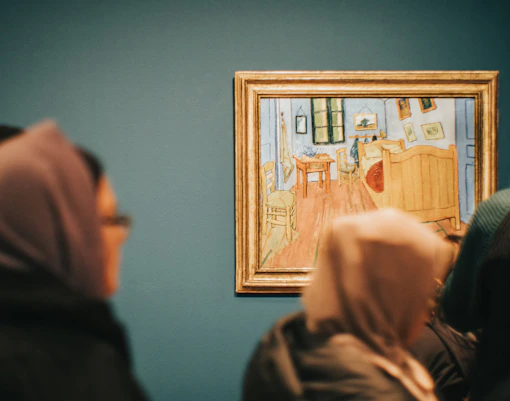
Visit right at opening (9am) or after 3:30pm. Late afternoons offer quieter rooms and softer light, letting you appreciate his vibrant brushwork without dodging busy tour crowds.
Vincent van Gogh | Post-Impressionist master at the Van Gogh Museum
Few paintings pull people toward Amsterdam like Sunflowers by Vincent van Gogh. At the Van Gogh Museum, that famous canvas opens into a bigger story, from The Potato Eaters to Almond Blossom, across the museum’s chronological permanent collection. Van Gogh’s key works are spread through several floors, with Sunflowers in the Arles galleries. Entry is included with Van Gogh Museum entry tickets, and the Van Gogh Museum guided tour adds a 2-hour guided route inside.
Vincent van Gogh’s paintings at the Van Gogh Museum
1/14
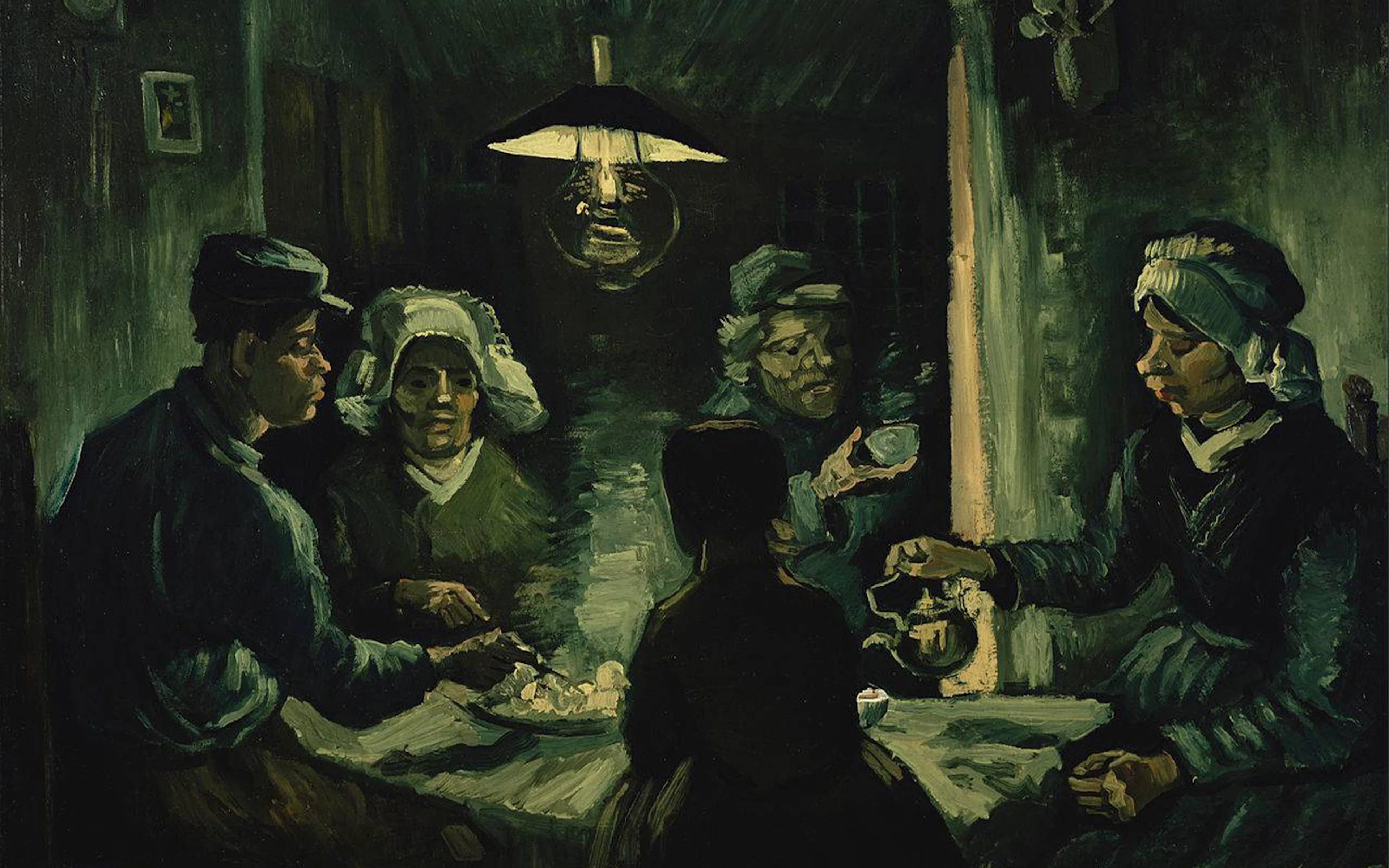
The Potato Eaters
Considered Van Gogh’s first major masterpiece, The Potato Eaters captures the harsh reality of peasant life with raw, unvarnished empathy. Painted in 1885, its earthy tones, coarse hands, and dramatic light showcase his early artistic power. Van Gogh’s masterful depiction of honest human labor and emotional truth earned this groundbreaking work its prized place in the museum.
Sunflowers
Bursting with radiant shades of yellow, Sunflowers demonstrates Van Gogh’s revolutionary mastery of colour and expressive texture. Created in 1888 to welcome Paul Gauguin to Arles, this vibrant canvas turned a simple floral study into an immortal symbol of hope. Its extraordinary brushwork and passionate energy define the genius that secures its status as a gallery centrepiece.
The Bedroom
In The Bedroom, Van Gogh transforms a humble interior into a striking masterpiece through vivid, non-naturalistic colour and bold perspective. Painted in 1888 during his time in Arles, it conveys a profound sense of restful intimacy and emotional intensity. His brilliant ability to infuse everyday spaces with intense personal feeling makes this work an indispensable treasure of the museum.
Almond Blossom
Created in 1890 as a gift for his newborn nephew, Almond Blossom represents new life and hope. Influenced by Japanese printmaking, Van Gogh used dynamic branches and delicate, luminous blooms set against a turquoise sky. This poetic composition demonstrates his astonishing aesthetic versatility and stands as one of his most beloved, emotionally resonant masterpieces.
Wheatfield with Crows
Often considered one of Van Gogh’s most dramatic late masterworks, Wheatfield with Crows captures a turbulent sky above a wind-swept field. Created in Auvers-sur-Oise in 1890, its intense blues and golden hues convey powerful emotion and psychological depth. Van Gogh’s expressive, thick brushstrokes create an unforgettable masterpiece deserving of its iconic place in the gallery.
The Yellow House
Depicting his beloved home and studio in Arles, The Yellow House embodies Van Gogh’s ambitious vision of creating a vibrant artistic community. Painted in 1888, the artwork shines with intense Mediterranean light and striking color contrasts. His brilliant architectural composition and optimistic spirit make this evocative canvas an essential highlight of the museum's world-renowned collection.
The Harvest
Widely regarded by the artist himself as one of his greatest achievements, The Harvest captures the sun-drenched countryside of Provence. Painted during the summer of 1888, its panoramic perspective and harmonious color palette celebrate rural life with breathtaking vitality. Van Gogh’s precise craftsmanship and radiant light solidify its status as a gallery masterpiece.
Gauguin's Chair
Through the symbolic portrayal of an empty chair, Gauguin's Chair offers a deeply personal look into Van Gogh’s complex relationship with fellow painter Paul Gauguin. Painted in 1888, the warm candlelight and moody night tones express subtle psychological drama. Van Gogh’s genius for transforming ordinary objects into profound emotional statements makes this painting truly irreplaceable.
The Langlois Bridge
Reminiscent of his native Netherlands yet steeped in bright southern light, The Langlois Bridge captures a drawbridge over a tranquil canal. Painted in 1888, its clean lines and soft colors reflect Van Gogh’s fascinated study of Japanese prints. His remarkable ability to transform an ordinary infrastructure into a poetic, harmonious scene marks its true gallery distinction.
The Sower
Dominated by a magnificent, glowing sun and dynamic broad brushstrokes, The Sower embodies Van Gogh’s deep spiritual connection to nature and the cycle of life. Created in Arles in 1888, the bold colour contrasts of violet and yellow challenge traditional landscape conventions. His revolutionary expressionist vision makes this compelling artwork an undisputed museum highlight.
Irises
Painted during his stay at the asylum in Saint-Rémy in 1890, Irises vibrates with intense colour and life. The bold, twisting stems and vibrant purple petals set against a contrasting background reflect Van Gogh’s remarkable emotional resilience. His expressive draftsmanship and brilliant decorative mastery elevate this poignant canvas to a celebrated centrepiece of the collection.
Skull
Created during his early academic studies in Antwerp in 1887, Skull serves as a dramatic, moody exploration of form and anatomical light. Through rich chiaroscuro and tactile impasto, Van Gogh turns a classical studio subject into a gripping, somber reflection. His distinctive touch and raw artistic honesty lend this early canvas its well-deserved place in the gallery.
Self-Portrait with Grey Felt Hat
In Self-Portrait with Grey Felt Hat, painted in Paris in 1887, Van Gogh utilizes a rhythmic halo of dynamic brushstrokes that radiate outward from his intense gaze. Influenced by Pointillism, he boldly experiments with complementary colors and short, energetic dashes. His fiery intensity and innovative technique showcase the pioneering genius that makes this portrait unforgettable.
A Crab on its Back
Inspired by Hokusai’s woodblock prints, A Crab on its Back shows Van Gogh’s fascination with unconventional subjects and vibrant colour studies. Painted in early 1889 following his release from the hospital, the vivid green background highlights the detailed textures and rich red hues of the shell. His extraordinary ability to find striking beauty in simple creatures validates its gallery prestige.
Tips for viewing Vincent van Gogh at the Van Gogh Museum
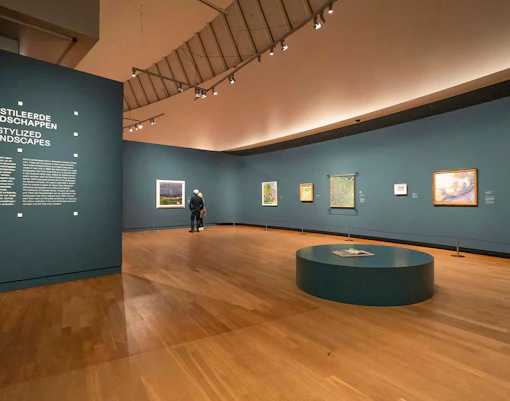
⏰ Time your visit strategically
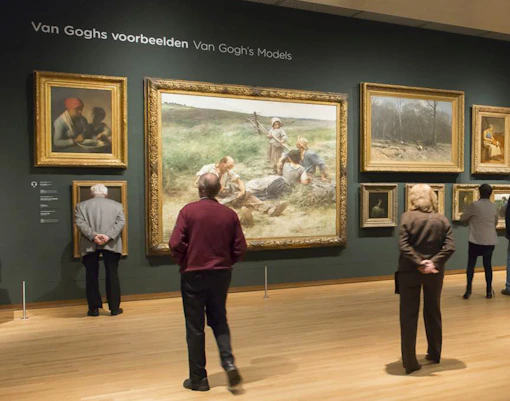
🔍 'The Potato Eaters' – catch the texture
Stand slightly to the side under the gallery spotlights. The raking light highlights Van Gogh’s thick, tactile impasto, making the peasants' rugged hands and earthy faces feel almost three-dimensional.
🕵️ Hidden gem: 'A Crab on its Back'
Don’t breeze past this tiny canvas. Inspired by Japanese woodblock prints, notice how Van Gogh used energetic, contrasting red and green brushstrokes to turn a simple overturned crab into a masterpiece.
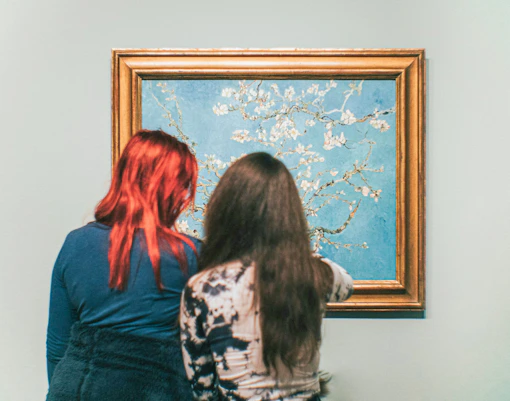
✨ 'Almond Blossom' – spot the Japanese influence
Step back to absorb the dramatic turquoise sky, then move close to observe the sharp, graphic outlines of the branches—a direct nod to his deep fascination with Japanese ukiyo-e art.
Brief history of Vincent van Gogh
- 1853 – Vincent van Gogh is born in Zundert, in the southern Netherlands.
- 1880 – After working as an art dealer, teacher, and preacher, he commits to becoming an artist.
- 1881–1885 – He studies peasant life in the Netherlands and paints The Potato Eaters, his first major figure composition.
- 1886 – He moves to Paris and encounters Impressionism, which means lighter colour, looser brushwork, and modern city subjects.
- 1888 – In Arles, he dreams of an artists' house and paints the first Arles Sunflowers for Paul Gauguin’s room.
- 1889 – During treatment at Saint-Rémy, he paints irises, olive groves, and charged landscapes.
- 1890 – In Auvers-sur-Oise, he works at intense speed and dies in July, aged 37.
- 20th century – Exhibitions, letters, and collecting turn him into one of modern art’s most recognised painters.
Did you know?
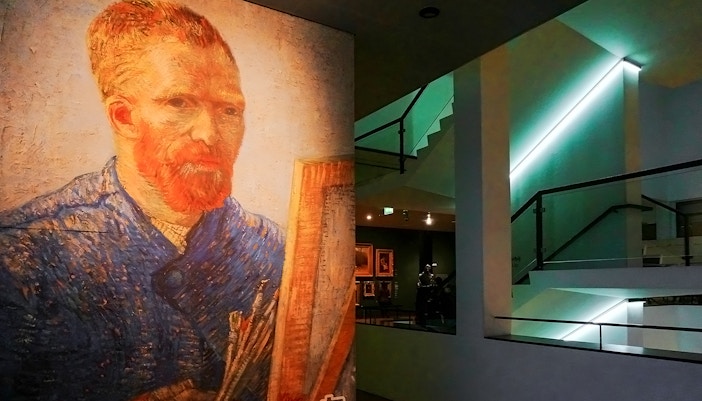
Did you know Van Gogh only sold one painting during his lifetime? The Red Vineyard was bought for 400 francs just months before his death, yet today his collection at the museum draws millions annually.
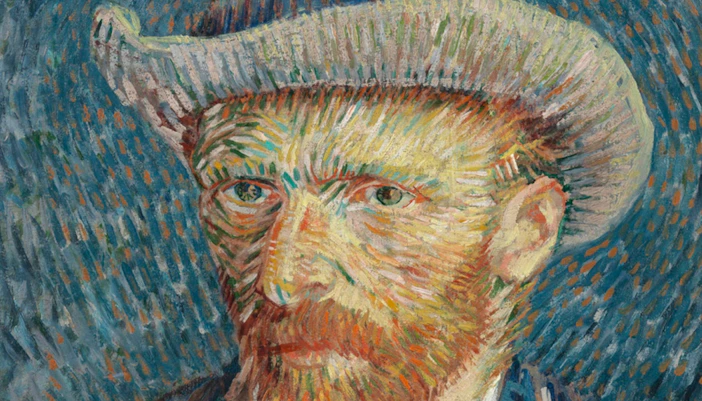
Look closely at his famous Self-Portrait with Grey Felt Hat—he used dynamic, radiating dashes of complementary colors inspired by Pointillism to make the canvas look like it's vibrating.
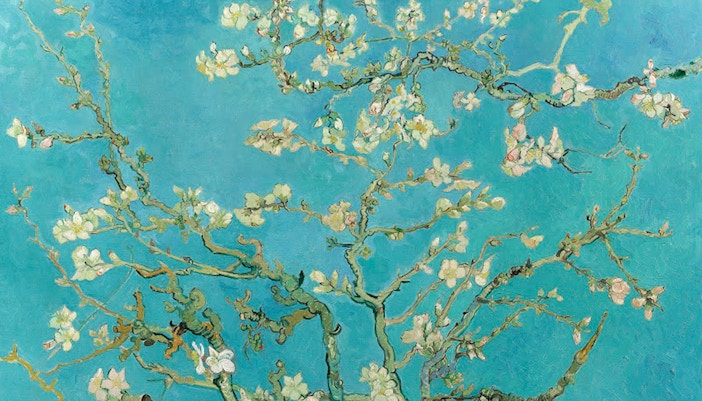
Van Gogh painted Almond Blossom to celebrate the birth of his beloved nephew and namesake, Theo's son, infusing the Japanese-inspired branches with pure hope and new life.
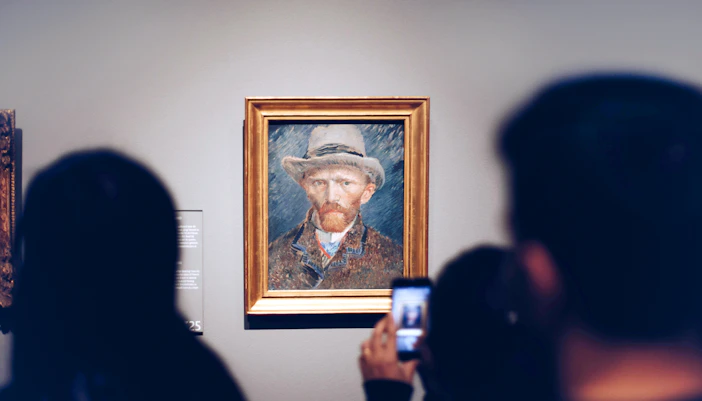
During his lowest moments in the asylum, he occasionally swallowed tube paint, leading doctors to restrict his access to artistic supplies for his own safety.
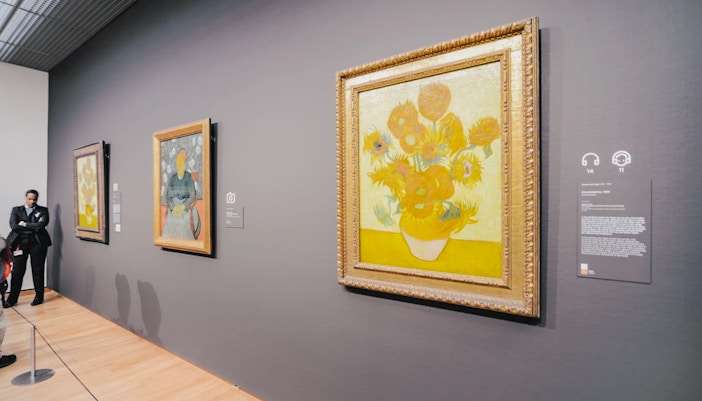
In Sunflowers, instead of hiding his signature in a corner, Van Gogh boldly inscribed "Vincent" directly onto the yellow body of the ceramic vase.
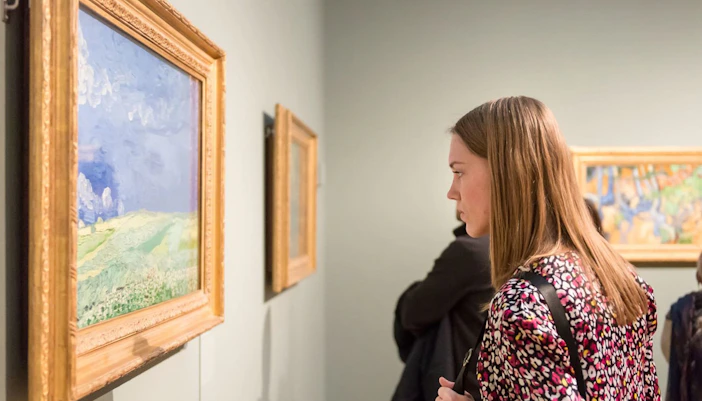
He created over 150 paintings in just one year while staying at the Saint-Paul-de-Mausole mental hospital in Saint-Rémy, proving to be one of the most prolific periods of his career.
Vincent van Gogh's artistic style
Van Gogh is usually grouped with Post-Impressionism, meaning he used colour and brushwork less to copy appearances and more to express feeling. In the museum, you can watch that shift happen: earthy early scenes give way to blazing yellows, electric blues, and restless, directional strokes.
He worked mainly in oil on canvas, building paint into thick ridges that catch light. He returned to self-portraits, fields, orchards, bedrooms, and flowers, turning ordinary subjects into emotional ones. In Sunflowers, that approach becomes especially clear: colour carries mood, and texture does as much work as drawing.
Vincent van Gogh vs contemporaries
Van Gogh vs Paul Gauguin
While both rejected traditional realism, Gauguin applied flat, saturated planes of colour with smooth brushwork to create symbolic, dreamlike scenes. Van Gogh, in contrast, used thick, turbulent impasto and dynamic, visible strokes to channel raw emotional energy directly onto the canvas.
See Gauguin at the Van Gogh Museum
- Mango Trees, Martinique | 1st floor, Permanent Collection
- Vincent van Gogh Painting Sunflowers | 1st floor, Permanent Collection
Van Gogh vs Claude Monet
Monet focused on capturing the fleeting optical effects of light and atmosphere in nature using soft, flickering brushstrokes. Van Gogh took Impressionist light further, employing intense, non-naturalistic colours and fiery, rhythmic dashes to express inner psychological states rather than pure visual perception.
See Monet at the Van Gogh Museum
- Windmills near Zaandam | 1st floor, Impressionism Section
- The Net Menders | 1st floor, Impressionism Section
Where else to see Vincent van Gogh
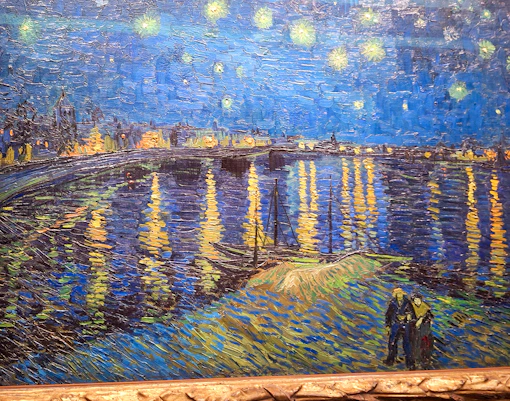
Starry Night Over the Rhône
Musée d'Orsay, Paris
Captured on the bank of the Rhône River in Arles, this canvas showcases Van Gogh's fascination with night light. The gaslights of the city reflect brilliantly across the shimmering dark water, creating a serene contrast to his turbulent spirit.
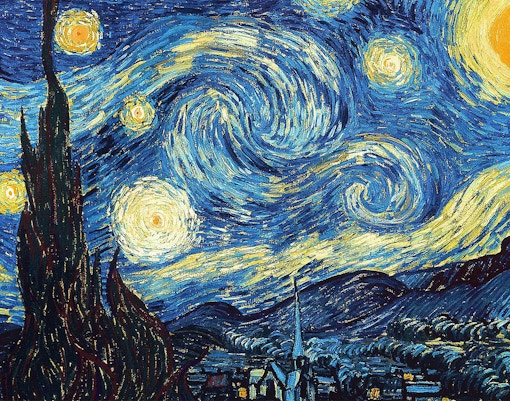
The Starry Night
Museum of Modern Art (MoMA), New York
Painted from the window of his asylum room in Saint-Rémy-de-Provence, this world-famous masterpiece features swirling cosmic skies above a quiet village. Its expressive, rhythmic brushstrokes and luminous crescent moon encapsulate pure emotional drama.
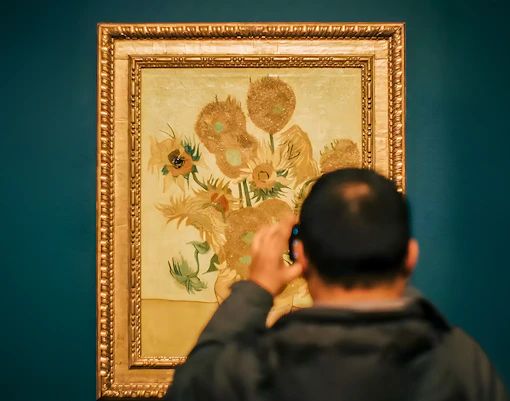
Sunflowers (Version 4)
The National Gallery, London
One of his iconic sunflower canvases, this version features fifteen vibrant blooms set against a radiant yellow background. Van Gogh used thick impasto and intense monochromatic shades to symbolize friendship, gratitude, and eternal warmth.
Peach Trees in Blossom
The Courtauld Gallery, London
Created during a burst of springtime inspiration in Arles, this breathtaking landscape captures delicate pink blossoms against a wide blue sky. Influenced by Japanese prints, its vivid color harmony celebrates nature’s rebirth and vitality.
Frequently asked questions about Vincent van Gogh
General admission tickets include access to all permanent Van Gogh galleries and temporary exhibitions. However, you must book online in advance with a specific time slot.
Yes, the museum offers official multimedia audio guides and guided tours that walk you chronologically through Van Gogh’s life, letters, and artistic evolution.
His works are arranged chronologically across four floors of the main Rietveld building, starting with early Dutch works on the ground floor up to Auvers masterpieces on top.
Plan to spend at least 2 to 3 hours to thoroughly explore the four floors of Van Gogh’s paintings, drawings, and personal letters without rushing.
Arrive right at the 9am opening or after 3:30pm on weekdays. Early mornings and late afternoons offer much quieter galleries and better viewing angles.
Van Gogh was largely self-taught and only painted for ten years, creating over 2,000 artworks. He also frequently reused canvases by painting directly over older, finished works.
Yes! The Kröller-Müller Museum in Otterlo holds the world's second-largest collection, while Amsterdam's nearby Rijksmuseum also displays key pieces like a famous self-portrait.