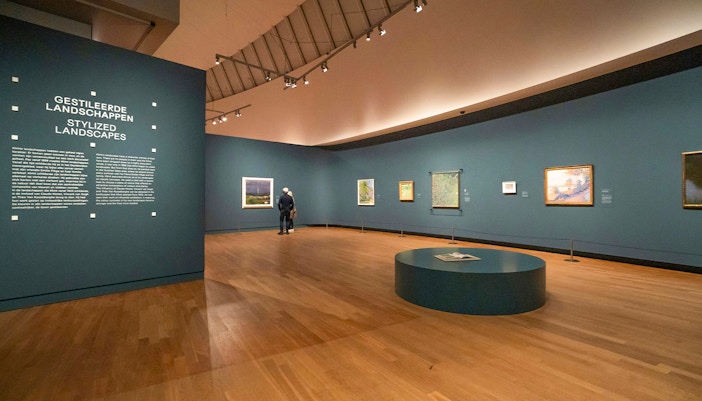
The museum’s biggest strength is its narrative flow. You don’t just see isolated masterpieces; you watch a painter becoming himself. Early rooms feel restrained and earthy, then the palette brightens as his world expands.
Inside the Van Gogh Museum | Paintings, letters, and Vincent’s story up close
Step inside and the Van Gogh Museum feels less like a checklist stop and more like a biography told in paint, paper, and brushstrokes.
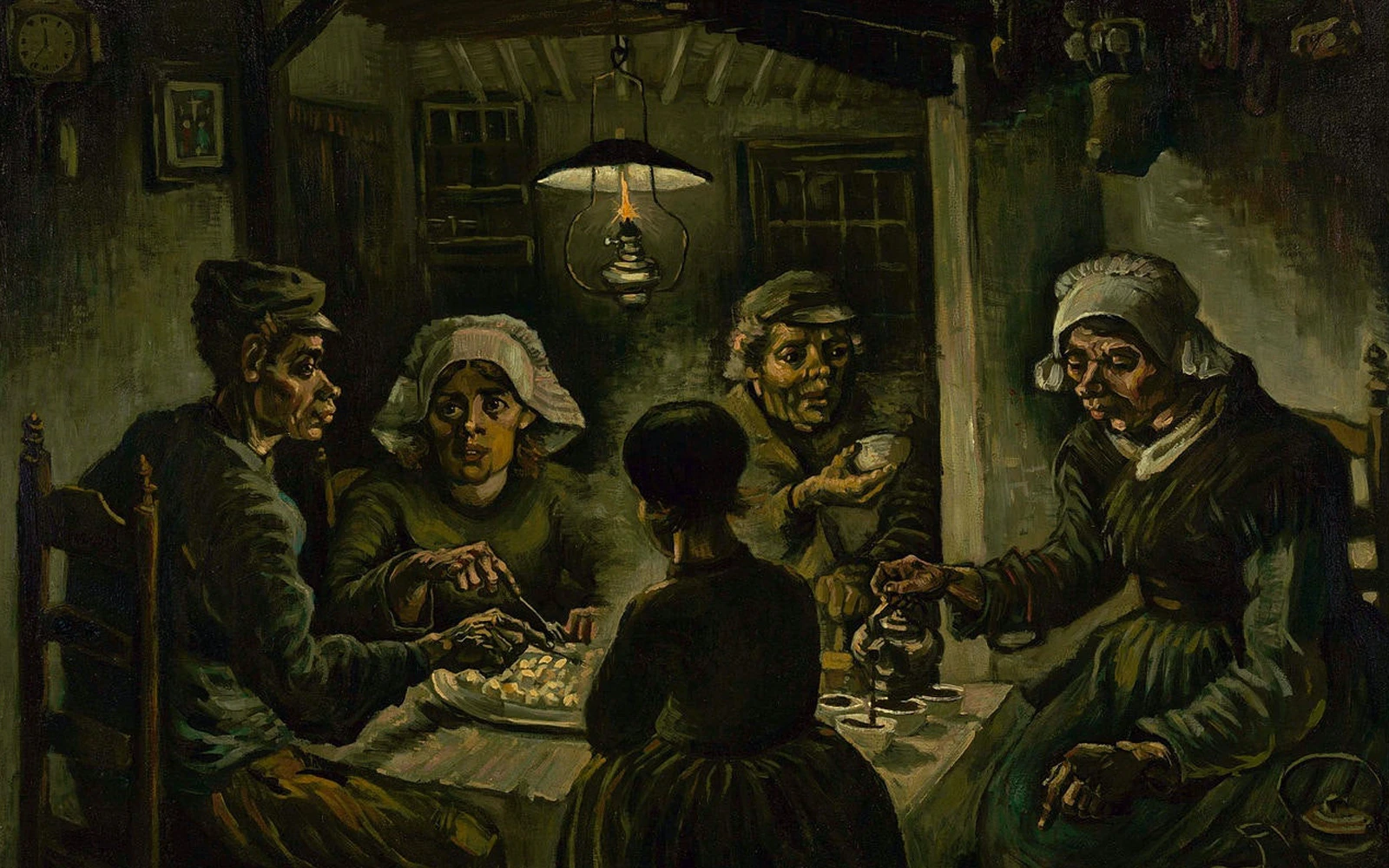
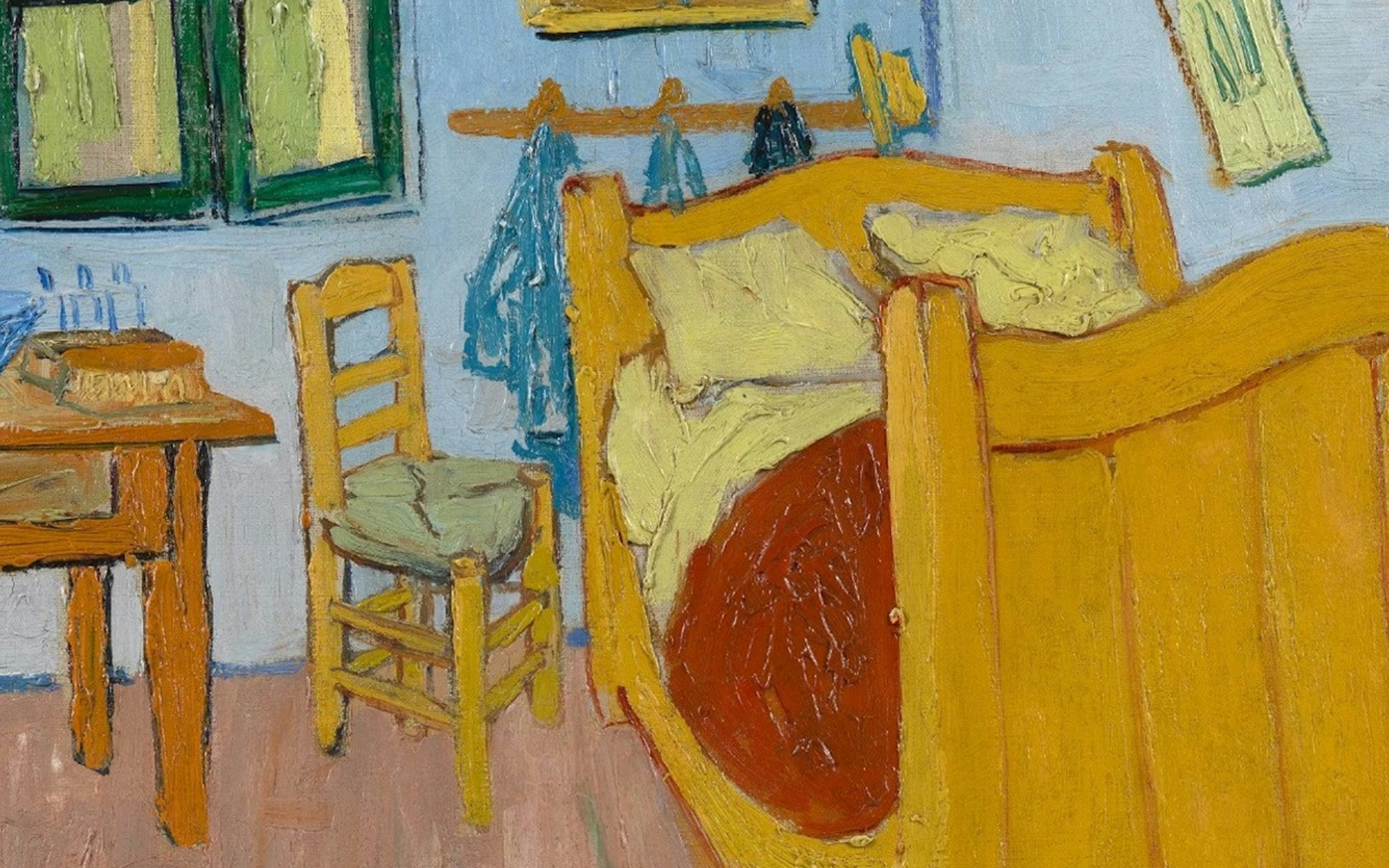
- What stands out: You’ll follow Vincent’s journey from the shadowy intensity of The Potato Eaters to the colour-charged confidence of Sunflowers and The Bedroom.
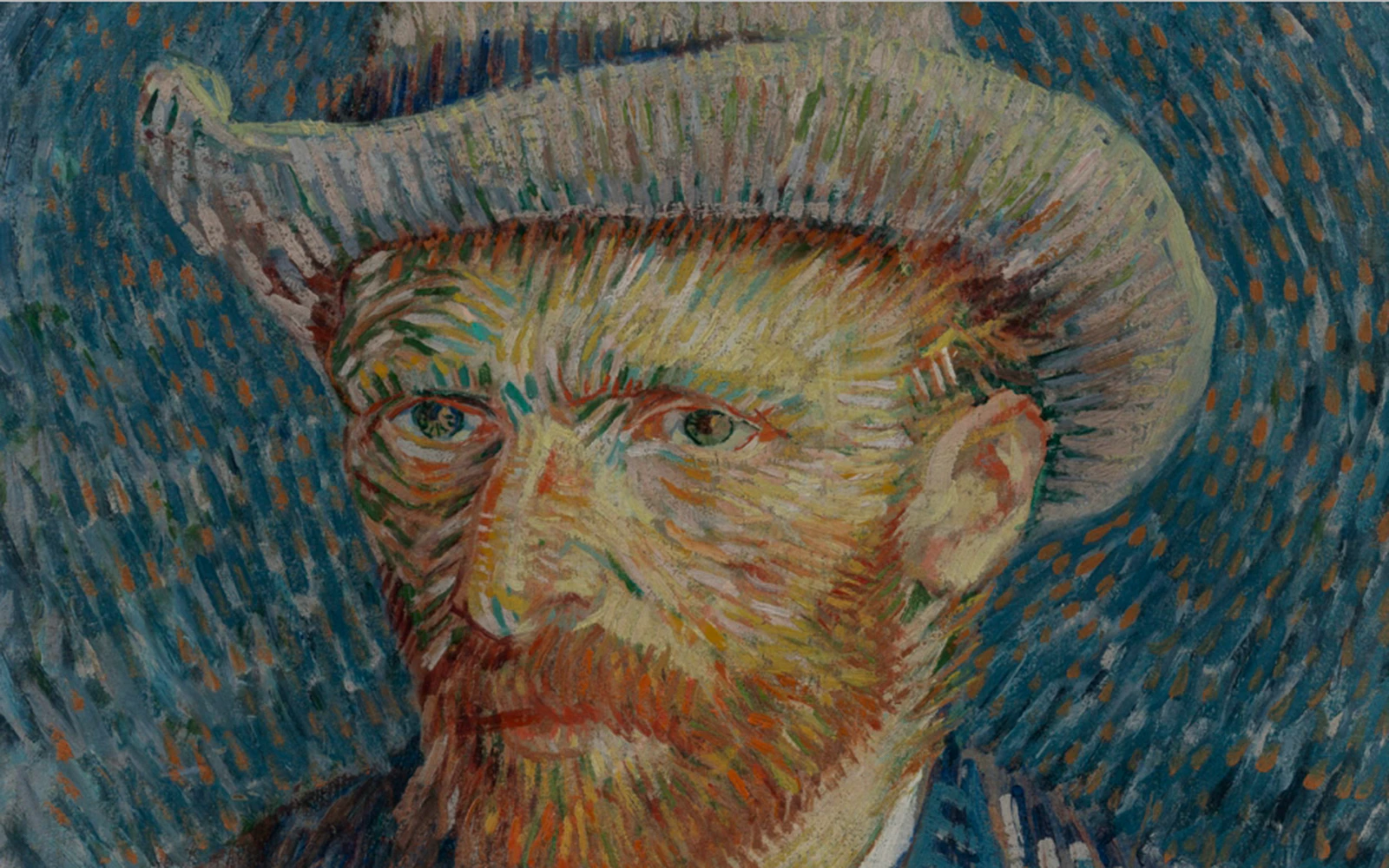
- Look closer: The self-portraits and letters are just as revealing as the headline works, especially if you want the person behind the paintings.
- Pro tip: Timed entry keeps the flow manageable, but prime slots go fast. If you want a clearer route through the key rooms, the Van Gogh Museum guided tour can help.
Know more about: Top highlights inside the Van Gogh Museum | How to explore the Van Gogh Museum
What to expect inside the Van Gogh Museum?
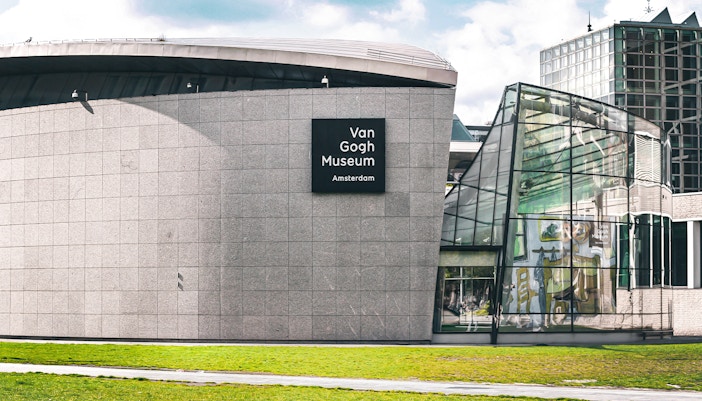
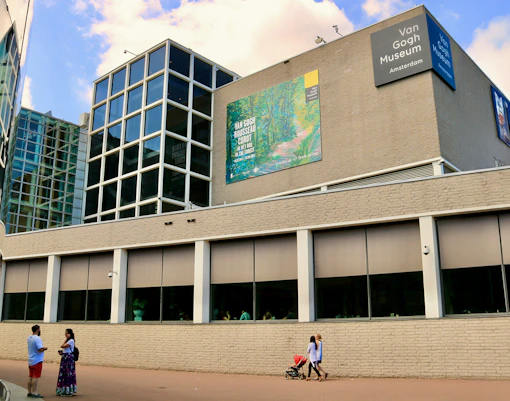
From the outside, the Van Gogh Museum is sleek and understated. Inside, it opens into something much more intimate: a carefully sequenced walk through Vincent van Gogh’s life, artistic shifts, friendships, breakdowns, and bursts of invention.
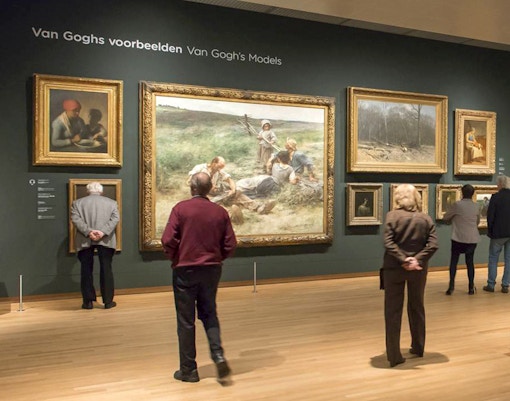
A life told in order
Colour that changes the mood
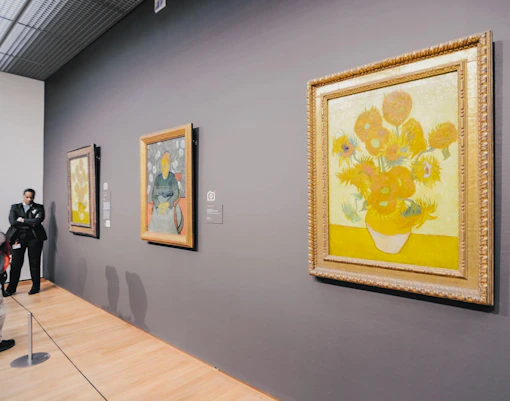
As you move deeper into the collection, the energy shifts dramatically. Rooms tied to Paris and southern France feel lighter, bolder, and more experimental. Seeing Sunflowers in person is less about scale and more about surface — thick paint, layered yellows, and a presence that reproductions flatten.
Letters, sketches, and the human story
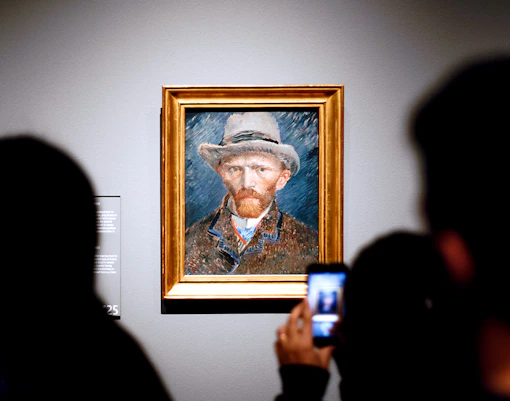
This isn’t a museum of paintings alone. Letters to Theo (Van Gogh's brother), drawings, and smaller studies make the visit personal. They show doubt, ambition, and the working process behind the famous canvases, which is why the experience lands even for visitors who don’t usually spend hours in art museums.
Context beyond one artist
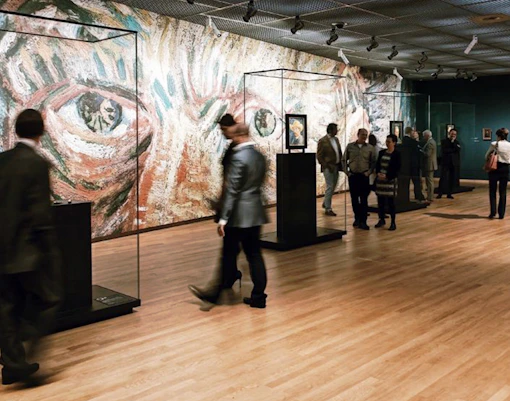
You’ll also encounter works by Van Gogh’s contemporaries and rotating temporary exhibitions, which place his art in a broader 19th-century conversation. That wider framing makes the collection feel less isolated and more alive.
If your time is short, prioritise the chronological permanent collection first, then circle back to temporary exhibitions. If you prefer interpretation over room-hopping, a guided visit can help you move through the museum with more confidence and less guesswork.
Map and orientation
The museum is easiest to understand if you treat it like a story rather than a set of separate galleries. Most visits move upward through Van Gogh’s career — early Dutch works first, then Paris and Arles, followed by the emotionally charged late paintings. If you want the clearest arc, explore the permanent collection before diverting into temporary exhibitions or lingering in the shop and café.
Top highlights inside the Van Gogh Museum
Sunflowers
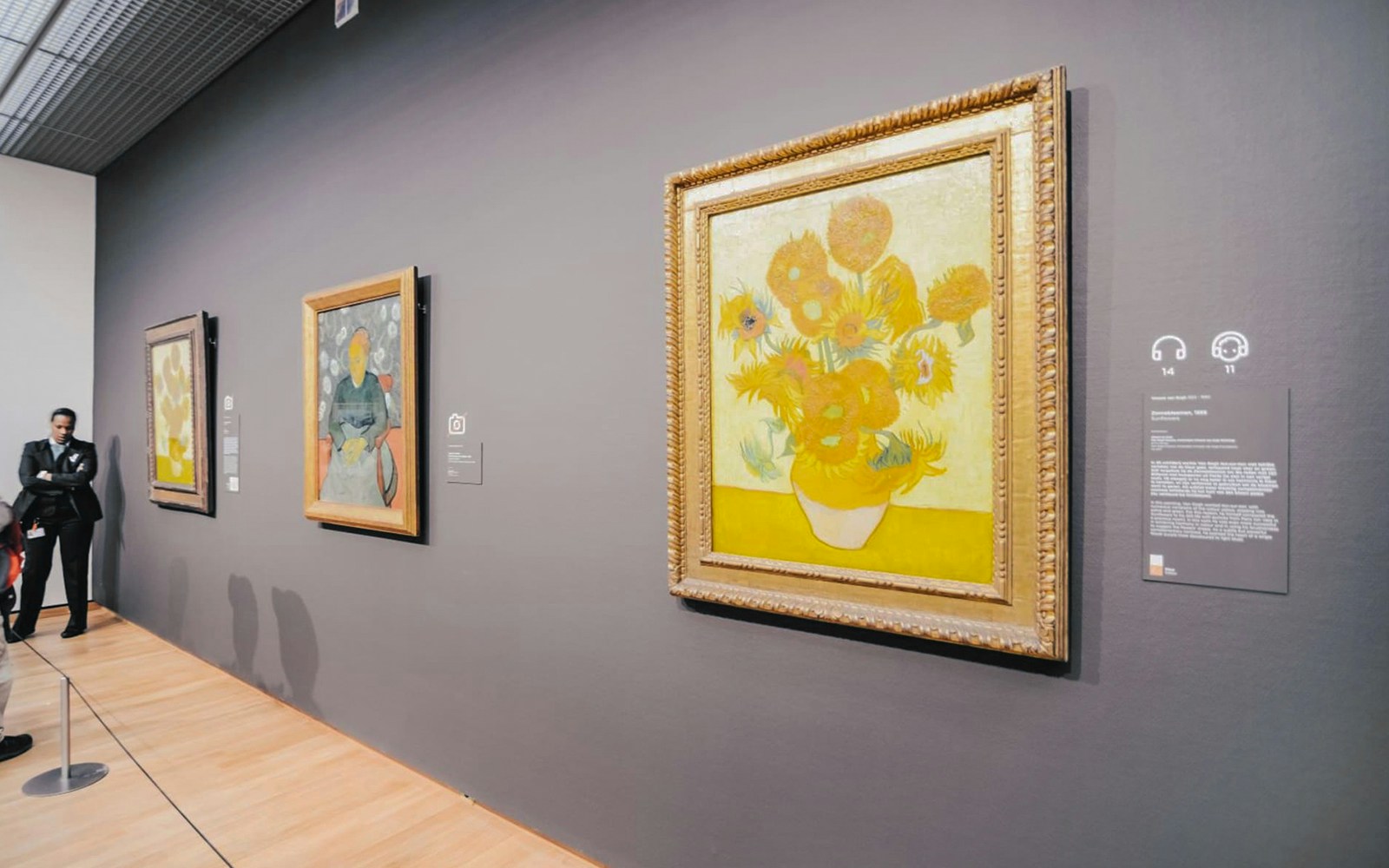
One of the museum’s signature canvases, glowing with thick yellow paint and quiet tension.
Why it matters: reproductions flatten it; the original surface feels alive.
Pro tip: return near the end of your visit, when the crowd often thins.
Inside the Van Gogh Museum
You’ll move through the museum as if you’re reading Van Gogh’s life chapter by chapter.
Entrance level
The entrance level is brief but useful: get oriented, collect any multimedia support, and decide whether you want a fast highlights route or a slower chronological visit. If you head straight into the permanent collection, the emotional build of the museum lands much better than if you start by drifting between spaces.
- Information desk and orientation point
- Audio guide or multimedia support pick-up, if available
- Best place to set your route before the galleries begin
Early years galleries
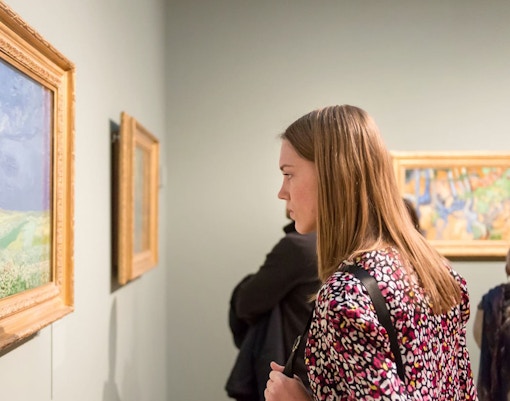
These rooms cover the Dutch years, when Van Gogh worked in darker tones and focused on workers, peasant life, and close observation. Spend time here even if you came for the bright paintings later on; this section makes the leap in style feel dramatic rather than abrupt, and it gives the later colour more force.
- The Potato Eaters
- Early drawings and studies of daily life
- Space to compare technique before the Paris years
Paris and Arles galleries
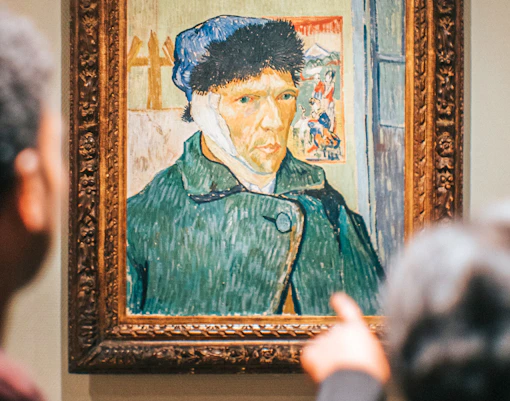
Here the museum opens into colour, experimentation, and faster brushwork as Parisian influences give way to the light of southern France. This is where many visitors slow down, compare canvases, and start recognising the visual language that made Van Gogh instantly identifiable, from bold outlines to charged complementary colours.
- Paris-era self-portraits
- Sunflowers and The Bedroom
- Rooms where you can trace his palette shift clearly
Late works galleries
The upper galleries carry more emotional weight, with paintings from Van Gogh’s later months and a stronger sense of urgency in the brushwork. Walk these rooms at a steadier pace; they’re where the museum’s chronological design pays off, and where the biography becomes less academic and more deeply felt.
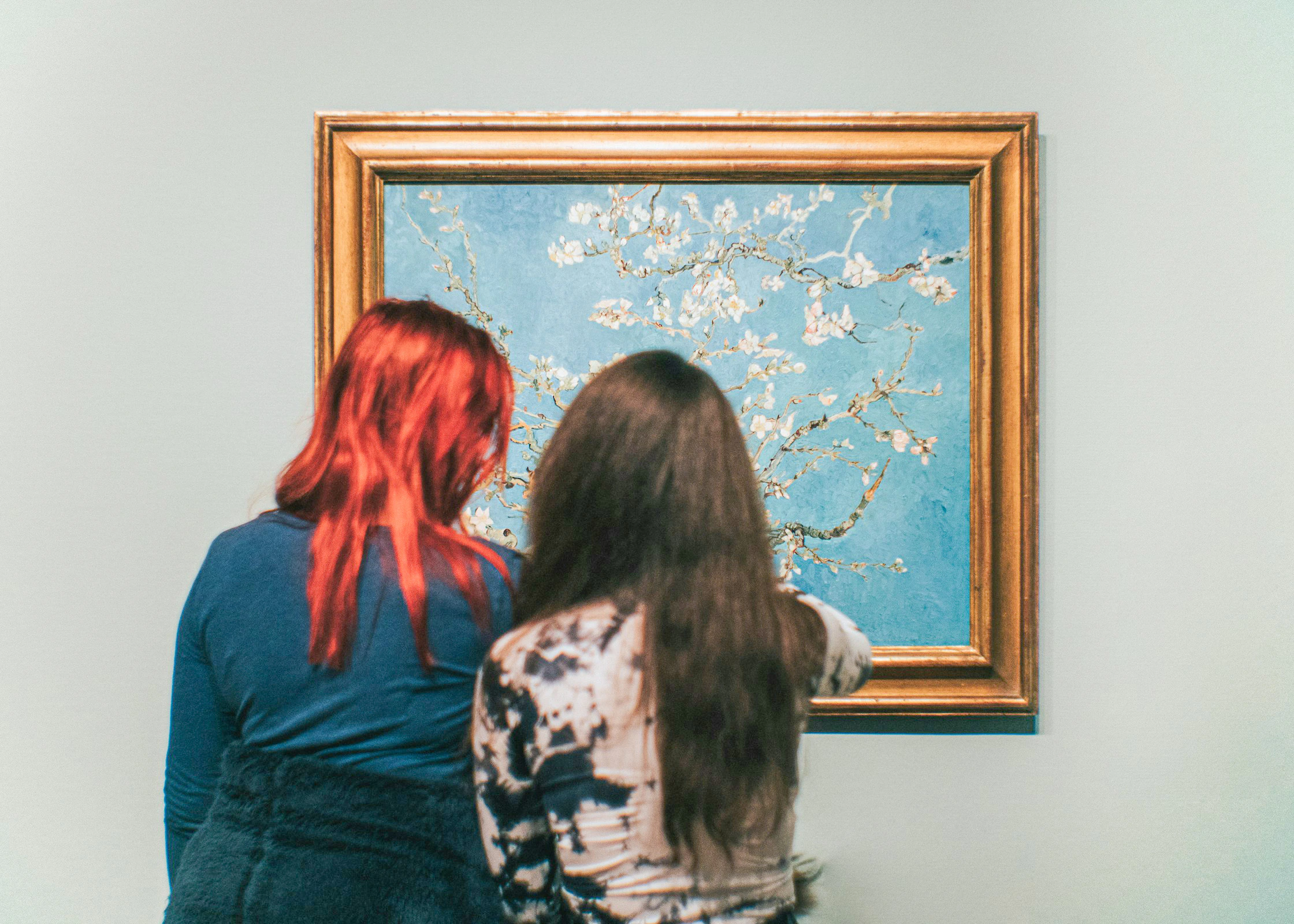
- Almond Blossom and late landscapes
- Letters and contextual texts that deepen the story
- Good rooms for slower, close-up looking
Temporary exhibitions and context spaces
Before you leave, give the temporary exhibition areas and works by contemporaries a proper look. They widen the story beyond one artist, showing what Van Gogh was responding to, borrowing from, or resisting. If a seasonal exhibition is on, this is where the visit feels freshest rather than purely retrospective.
- Rotating temporary exhibitions included with timed entry
- Works by contemporaries such as Gauguin, Monet, and Toulouse-Lautrec
- A useful final stop if you want broader art-world context
Compare your ticket options
| Ticket type | Access | Entry method | Guide | Duration | Best for | From |
|---|---|---|---|---|---|---|
Standard entry | Permanent & temporary collections | Timed entry | Optional audio guide | Self-paced | Budget travellers & independent explorers | €27 |
Guided tour | Highlights & permanent collection | Group entrance (Skip ticket line) | Live guide | 2 hours | First-timers & art context seekers | €65.55 |
Combo ticket | Van Gogh Museum + cruise or attraction | Timed entry | Varies | Self-paced | Sightseers wanting a full Amsterdam experience | €35.15 |
How to explore the Van Gogh Museum
Book online first — that’s the default for this museum. The most flexible self-paced option is Van Gogh Museum entry tickets, while the Van Gogh Museum guided tour adds skip-the-line entry, a 2-hour guided route, and headsets. Your ticket is tied to a chosen time slot, and missed slots generally can’t be rescheduled.
Weekday mornings usually feel calmer because the galleries fill more slowly and you get cleaner views of the major paintings. Late-day visits can also work well, especially if you prefer a quieter final hour after some of the midday crowd has already moved through.
Plan for 90 mins if you want the essentials, 2 hours for a balanced first visit, and 2.5–3 hours if you like reading letters, comparing self-portraits, and seeing temporary exhibitions properly. Most visitors find 2 hours the sweet spot between pace and depth.
- Entrance and orientation point → get your bearings before the story starts
- Early Dutch works → see the darker palette and social realism take shape
- The Potato Eaters → must-see stop for Van Gogh’s first major emotional statement
- Paris self-portraits → watch colour and brushwork loosen dramatically
- Sunflowers/The Bedroom → must-see stop for the Arles breakthrough
- Late works galleries → absorb the emotional intensity of the final years
- Letters and contextual rooms → end with Vincent’s own voice, not just the paintings
If you want this route curated for you, a Van Gogh Museum guided tour is the clearest way to cover the collection in a fixed 2-hour window.
- The museum is wheelchair- and stroller-accessible.
- Handbags larger than A4 size, luggage, wheeled suitcases, and trolleys aren’t allowed inside.
- Photography is generally allowed without flash in the permanent collection, but always follow signage in temporary exhibitions and quieter rooms.
- If one famous painting is crowded, keep moving and circle back later; the museum’s linear flow means the room often clears in waves.
- Use the letters as breathing spaces between the busiest galleries — they add context and slow the visit in a good way.
- If you want structure without planning every turn, a guided route helps you spend less time orienting yourself and more time actually looking.
Frequently asked questions about what’s inside the Van Gogh Museum
Yes. Van Gogh Museum entry tickets give you timed entry and access to the permanent and temporary exhibitions on a self-guided basis. If you’d rather have more structure, the Van Gogh Museum guided tour includes skip-the-line entry, a 2-hour guided route, and headsets. Self-guided works well if you like moving at your own pace; guided works better if you want context without stopping at every wall label.
Most first-time visitors head straight for Sunflowers, The Potato Eaters, The Bedroom, and the self-portraits. But the museum’s emotional core often sits in the letters and smaller studies, because they show Van Gogh thinking, doubting, and explaining his work in his own words. If you want the strongest first visit, follow the chronological flow instead of hunting only the headline canvases.
Usually, yes — photography without flash is generally allowed in the permanent collection. The museum’s main concern is protecting the art and keeping galleries comfortable, so flash, bulky gear, or photo-taking that blocks other visitors isn’t appropriate. Temporary exhibitions can have stricter rules, so check the signs in each room. If you want cleaner shots, revisit popular paintings later in your visit rather than stopping the first time you see them.
Most visitors spend about 1.5–2 hours inside. If you’re moving quickly and sticking to the highlights, 90 mins can work. If you want to read the letters, compare self-portraits, and see temporary exhibitions as well, give yourself up to 3 hours. The museum rewards a steady pace more than a rushed one, because the chronological layout makes the later rooms stronger once you’ve seen the earlier work first.
This museum runs on strict timed entry because capacity is limited. If you miss your slot, rescheduling is generally not available, and late entry isn’t guaranteed. That’s one of the biggest practical gotchas for first-timers, especially in high season when the museum is already operating close to its limit. If you’re building your day around the visit, it’s safer to arrive in the area early and treat the museum as the fixed point in your schedule.
Only smaller bags are allowed. Handbags larger than A4 size, plus items over 45 × 25 × 25 cm, wheeled suitcases, and trolleys can lead to refusal at entry. This catches some travellers off guard, especially those arriving straight from a train station or airport. If you’re carrying more than a day bag, store it before your slot. Once inside, the museum works best when you can move easily between rooms without extra luggage.
Yes. The museum is wheelchair- and stroller-accessible. That makes it one of the easier major museums in Amsterdam to navigate if mobility matters. If you’re visiting with a stroller or need a slower pace, the chronological layout is helpful because it encourages a clear forward route rather than constant backtracking.
It can be, but it depends on expectations. This is still a traditional art museum, not a hands-on attraction, so younger children may move quickly unless you keep the visit short and focused. Families usually do best by treating it as a 60–90 min highlights visit, not a full art marathon. Self-portraits, bold colour shifts, and a few key paintings tend to land better than trying to read every label room by room.
Yes. Van Gogh Museum entry tickets include access to both the permanent collection and temporary exhibitions. That’s useful if you’ve already seen the museum before or want more context around Van Gogh’s contemporaries and influence. Because temporary shows change, they can make repeat visits feel meaningfully different rather than like a replay of the same permanent-route experience.